Building Emotional Intelligence Through Play
30 August 2026
Most parents know that play is good for kids. It keeps them active, sparks creativity, and fills the afternoon with laughter. But what many do not realize is that play is the single most powerful tool we have for building emotional intelligence. Not worksheets. Not lectures. Not even carefully worded conversations at the dinner table. Play.
Emotional intelligence, or EQ, is the ability to recognize, understand, and manage our own emotions while also reading and responding to the emotions of others. It is the foundation of resilience, empathy, and self-control. And it is not something children are born with. It is something they practice, thousands of times, through the seemingly simple act of playing.
The problem is that we have become a society of structured activities and screen-based entertainment. We schedule soccer practice and piano lessons, but we have squeezed out the kind of free, unstructured play where emotional growth actually happens. We need to bring it back. And we need to understand exactly why it matters.
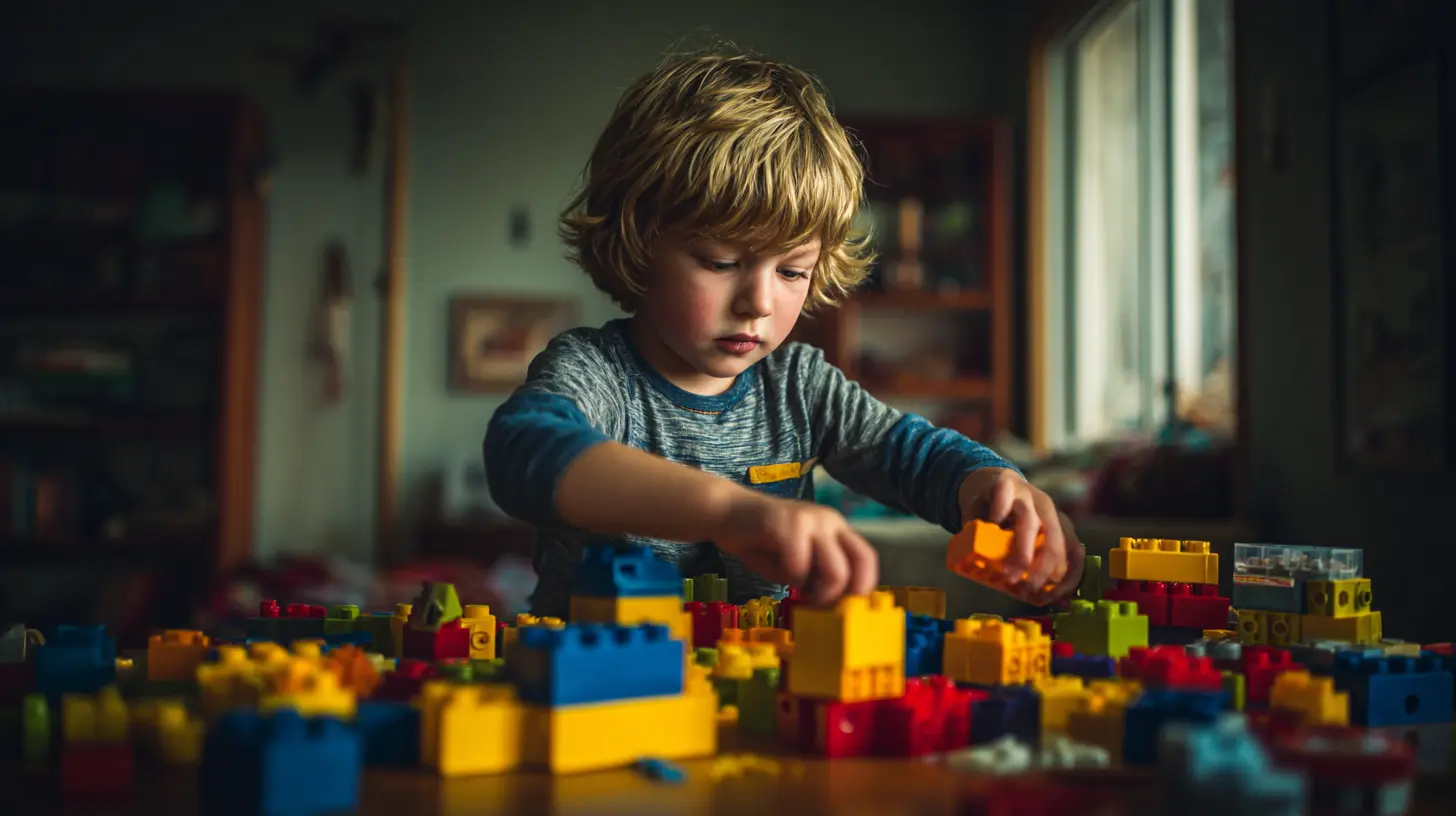
Why Play Is the Natural Classroom for Emotions
Think about what happens during a game of hide and seek. A child feels the thrill of hiding, the anxiety of being found, the joy of discovery, and the frustration of losing. All of that happens in fifteen minutes. No adult has to explain any of it. The child experiences the emotion, sees how others react, and adjusts.That is the secret. Emotional intelligence cannot be taught through explanation alone. It has to be felt and practiced. Play provides a safe, low-stakes environment where children can experience intense emotions without real-world consequences. A child can be angry during a board game and learn to manage that anger without losing a job or a friendship. A child can feel left out during a group game and learn how to rejoin without damaging a lifelong relationship.
The brain is wired for this. During play, the prefrontal cortex, which handles emotional regulation and decision making, is highly active. At the same time, the amygdala, which processes fear and threat, is calm because the child knows it is just a game. This combination allows the brain to practice emotional responses in a state of relative safety. Over time, those practiced responses become automatic.
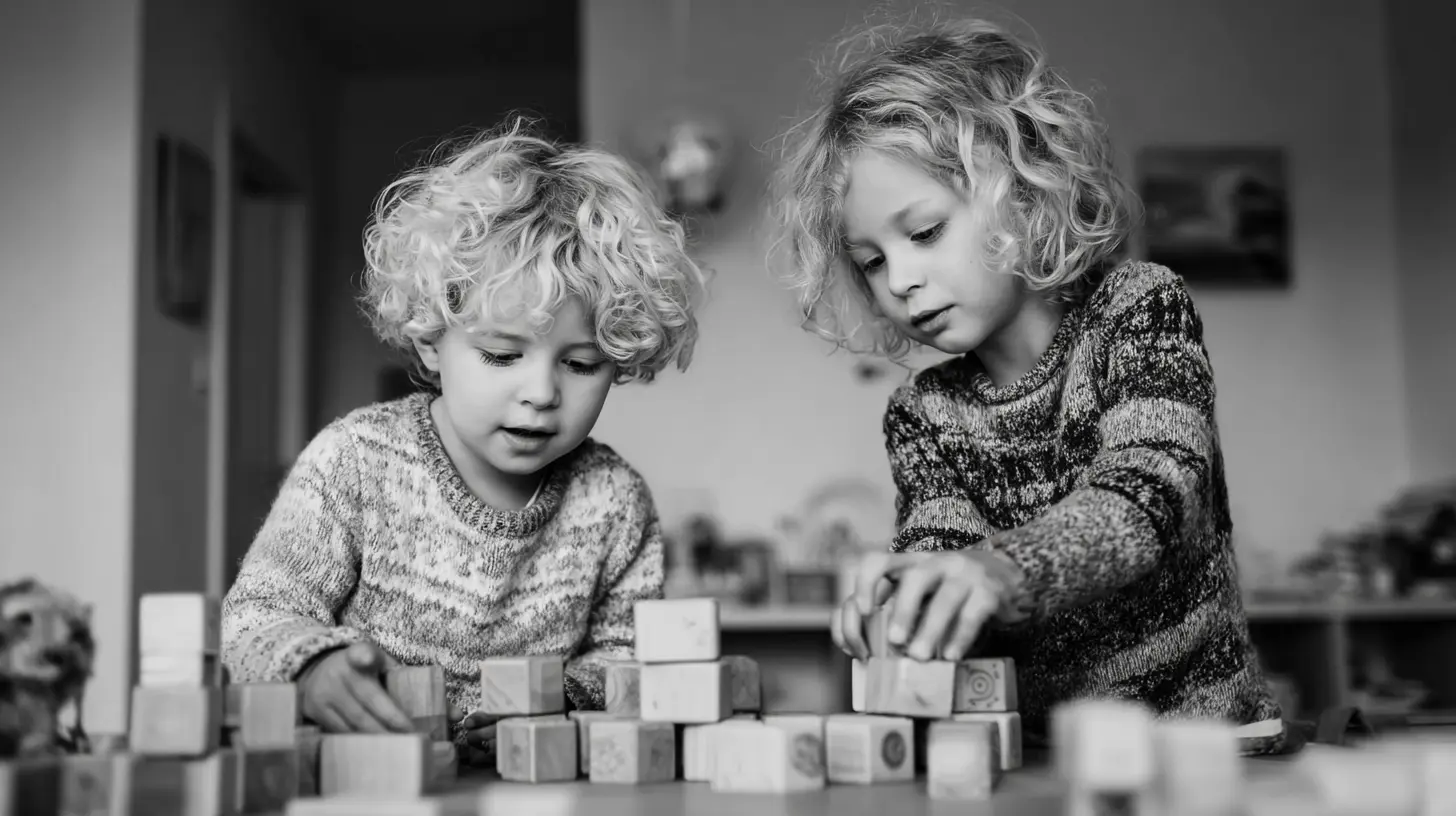
The Difference Between Free Play and Structured Play
Not all play is equal when it comes to emotional development. Free play, where children invent the rules and negotiate the flow, is the most valuable. Structured play, like organized sports or adult-led games, has its place, but it does not offer the same depth of emotional learning.In free play, children are the ones making decisions. They decide who gets to be the princess and who has to be the dragon. They decide whether to share the blocks or hoard them. They decide how to handle it when someone cheats. These decisions require constant emotional negotiation. A child has to read the room, anticipate reactions, and adjust their behavior to keep the game going.
In structured play, the adult makes those decisions. The coach sets the rules. The referee resolves disputes. The parent decides who goes first. This removes the emotional work from the child. It is still fun, and it still teaches some skills, but it does not build the same muscles.
This does not mean structured play is bad. It is excellent for learning teamwork and handling pressure. But if all a child does is structured play, they miss out on the messy, chaotic, deeply instructive world of self-directed games. The best approach is a balance, with a strong lean toward free play, especially for younger children.
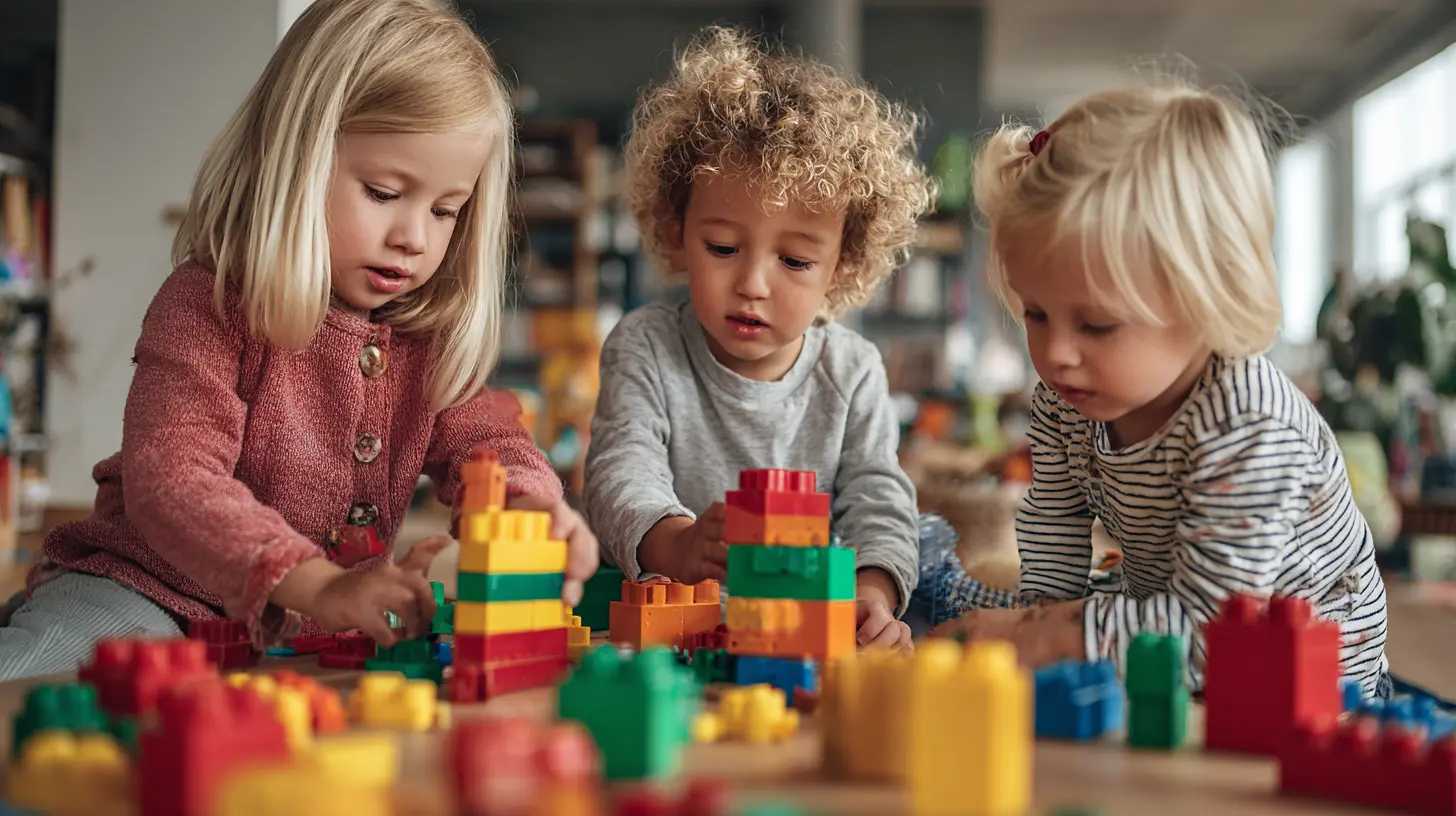
How Pretend Play Builds Empathy
Pretend play is the crown jewel of emotional intelligence. When a child pretends to be a doctor, a parent, a monster, or a superhero, they are doing something remarkable. They are stepping into another person's experience. They are asking, without words, "What would it feel like to be this person?"This is the very definition of empathy. And children do it naturally, long before they can understand the concept. A four-year-old who comforts a crying baby doll is practicing empathy. A six-year-old who pretends to be a grumpy shopkeeper and then a kind customer is learning to see a situation from two different perspectives.
The key is that pretend play requires a child to imagine someone else's internal state. They have to guess what the dragon wants, what the baby feels, what the teacher would say. This mental gymnastics strengthens the neural pathways associated with empathy. Research in developmental psychology consistently shows that children who engage in high-quality pretend play score higher on measures of empathy and social understanding.
Parents can support this by not interrupting too much. When a child is deep in a pretend scenario, resist the urge to correct the narrative. If your child says the dog is flying to the moon, let it fly. The goal is not accuracy. The goal is the emotional exploration that comes with the fantasy.
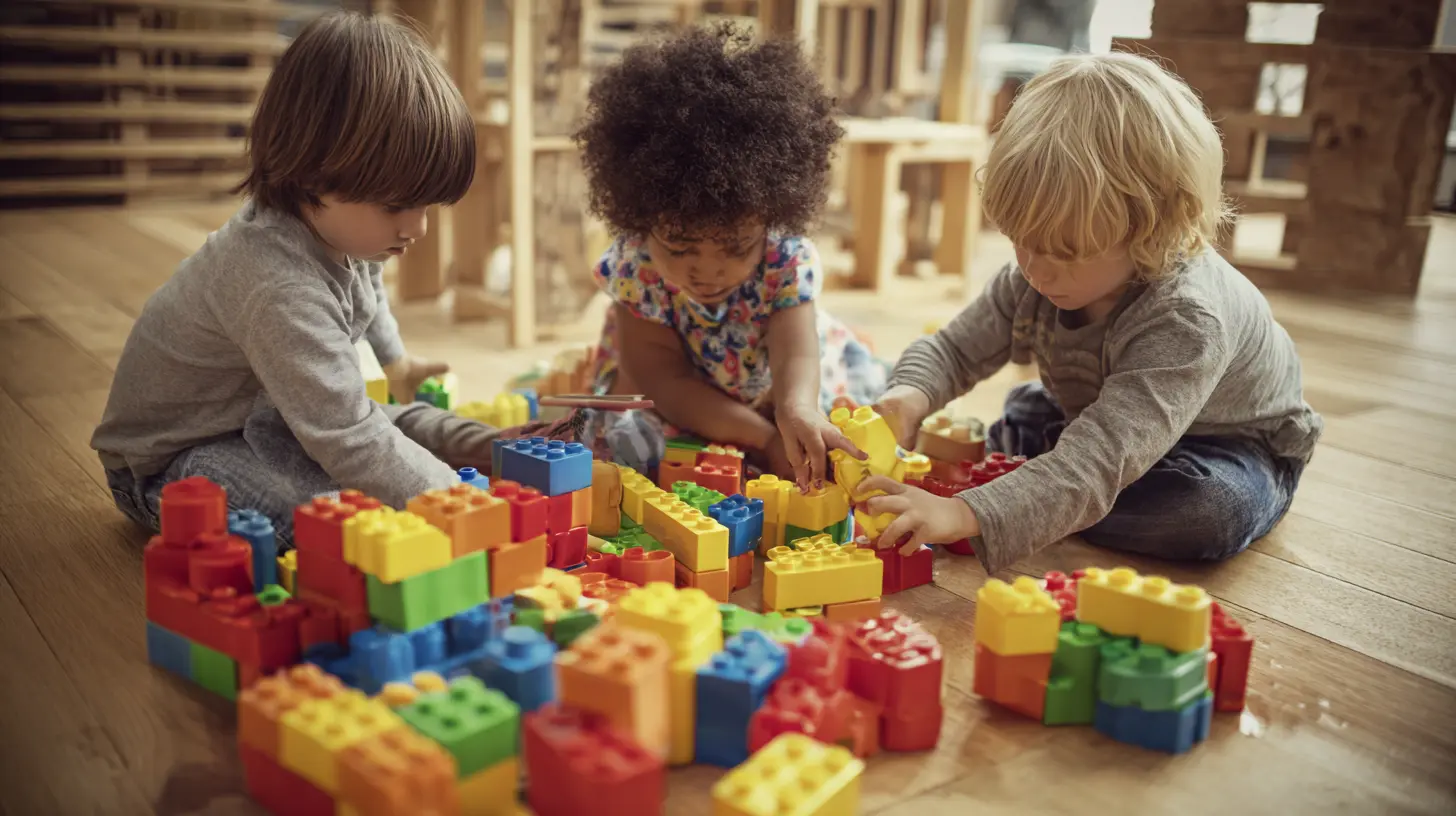
Games That Teach Emotional Regulation
Some games are particularly good at building the skill of emotional regulation, which is the ability to manage strong feelings without being overwhelmed by them. These are games that involve waiting, turn-taking, and dealing with disappointment.Classic board games like Candy Land and Chutes and Ladders are perfect for this. They are entirely luck-based, which means children will win and lose without any skill involved. This is actually a gift. It gives children a safe way to experience losing and practice handling it. When a child loses a game of Candy Land, they feel frustration. If they can stay at the table and say "good game," they have just practiced emotional regulation.
The mistake many parents make is letting children win all the time. This feels kind, but it is actually harmful. It teaches children that losing is a catastrophe that must be avoided. When they finally lose to someone else, they have no practice handling it. It is far better to let children lose sometimes, even often, and then help them process the feeling.
Another excellent game is Red Light, Green Light. This game requires physical impulse control, which is closely linked to emotional control. The child has to stop mid-stride, hold their body still, and wait. This is not just a physical skill. It is a practice in managing the urge to move, which is the same neural mechanism used to manage the urge to scream or hit.
Simon Says works the same way. It demands that a child suppress a natural response when the command is not prefaced with "Simon says." This is a direct workout for the inhibitory control system in the brain, which is the same system that stops a child from grabbing a toy or lashing out in anger.
The Role of Rough-and-Tumble Play
Roughhousing, wrestling, and playful chasing are often viewed with suspicion. Parents worry about injuries, tears, and aggression. But when done properly, rough-and-tumble play is one of the most effective ways to build emotional intelligence, especially in children who have a lot of physical energy.During roughhousing, children learn to read facial expressions and body language with incredible precision. They have to know the difference between a playful growl and a real warning. They have to gauge how hard they can push before the other child gets upset. They have to practice stopping immediately when someone says "stop" or taps out.
This is not just physical play. It is emotional communication at high speed. A child who roughhouses regularly learns to calibrate their own intensity to match their playmate. They learn to notice when the other person is no longer having fun. They learn to apologize and adjust.
The key is that the adult must set clear boundaries. Rough play should never be allowed to cross into actual aggression. The rule is simple: everyone has to be having fun, and anyone can call a stop at any time. When these rules are enforced, roughhousing becomes a powerful lesson in consent and mutual respect.
Some parents worry that roughhousing will make children more aggressive. The evidence suggests the opposite. Children who engage in supervised rough-and-tumble play tend to be better at reading social cues and are less likely to misinterpret playful intent as hostile. They are also better at controlling their own aggressive impulses because they have practiced the boundary between play and real fighting.
Common Mistakes Parents Make
There are several well-intentioned but counterproductive habits that parents fall into when trying to build emotional intelligence through play.The first is over-managing. When a parent hovers over every interaction and jumps in to resolve every conflict, the child never learns to handle their own emotions. If two children are fighting over a toy, the natural instinct is to step in and solve the problem. But if the conflict is not dangerous, it is often better to let them work it out. They will stumble, they will get frustrated, but they will also learn. The parent's role is to be nearby, not to be the referee.
The second mistake is turning play into a lesson. If a child is happily building a tower and the parent says, "This is a great opportunity to learn about patience," the child's brain immediately switches off. Play becomes work. The emotional learning happens during the play, not through commentary about it. Let the child play. The lesson is absorbed, not explained.
The third mistake is ignoring the child's emotional state during play. If a child is clearly overwhelmed, overstimulated, or tired, continuing to push play is counterproductive. Emotional intelligence is built when a child is in a window of tolerance, meaning they are engaged but not overwhelmed. If a child is melting down, the play needs to stop. That is not a failure. That is a lesson in recognizing limits.
The fourth mistake is equating emotional intelligence with being nice. A child who is always polite and compliant is not necessarily emotionally intelligent. They may be suppressing their feelings. True emotional intelligence includes the ability to express anger appropriately, to say no, and to assert boundaries. Play is one of the few places where children can practice being assertive in a safe way. Do not shut down every display of frustration. Sometimes a child needs to stomp their foot and say "I am mad." That is growth.
How to Talk About Emotions During Play
There is a time to talk about emotions, and there is a time to stay silent. The trick is knowing the difference. During the play itself, the child is in the experience. Interrupting to ask "How does that make you feel?" breaks the flow and pulls them out of the moment.But after the play, during a quiet moment, there is real value in reflecting together. You can say, "I noticed you were really frustrated when you lost the game. What did you do about it?" This invites the child to think about their own process. It is not a lecture. It is a conversation.
Another good technique is to narrate your own emotions during play. If you are playing a game and you lose, say, "Oh, I am disappointed I lost. I really wanted to win. But I am going to take a deep breath and try again." This models emotional regulation in real time. Children learn more from watching how you handle your own feelings than from anything you tell them.
It is also important to accept all emotions. If a child says they are angry, do not say "You are not angry, you are just tired." That invalidates their experience. Instead, say, "I can see you are angry. It is okay to feel angry. Let us figure out what to do with that anger." This teaches that emotions are acceptable and manageable.
The Impact of Digital Play
Video games and digital play are a reality of modern childhood. They are not inherently bad, but they are different from physical play in important ways. Digital play often has built-in emotional regulation. If a child loses a level, the game resets. There is no social consequence. There is no need to negotiate with another person.This means digital play is less effective at building emotional intelligence. It can be great for problem-solving and persistence, but it does not offer the same practice in reading faces, managing interpersonal conflict, or practicing empathy. The child is interacting with a system, not a person.
This is not a reason to ban screens. It is a reason to be thoughtful. If a child spends most of their free time on a tablet, they are missing out on the social-emotional workout that comes from playing with actual humans. The recommendation is not to eliminate digital play but to ensure that a significant portion of playtime is social and physical.
Play for Different Ages
The type of play that builds emotional intelligence changes as a child grows.For toddlers, the focus is on parallel play and simple turn-taking. A toddler does not yet have the capacity to fully share or understand another person's perspective. The goal is simply to expose them to social situations and to label emotions. Saying "You are happy" or "You are sad" during play helps them build the vocabulary they will need later.
For preschool-aged children, pretend play peaks. This is the golden age for empathy building. They are starting to understand that other people have thoughts and feelings that are different from their own. Encourage elaborate pretend scenarios. Let them be the boss. Let them assign you roles. This is their practice ground.
For elementary-aged children, the focus shifts to games with rules. This is where they learn about fairness, competition, and handling disappointment. Card games, board games, and team sports all have value here. The key is to let them experience both winning and losing and to help them process both experiences.
For pre-teens and teenagers, play becomes more about social interaction and less about physical games. They may prefer hanging out, talking, and playing video games together. This is still play. It is still building emotional intelligence. The parent's role shifts to providing space and being available for conversation when needed.
Making Play a Priority
The biggest barrier to building emotional intelligence through play is not lack of knowledge. It is lack of time and energy. Modern parents are exhausted. It is easier to hand a child a tablet than to get down on the floor and build a fort. But the payoff of active play is enormous.You do not need to be a professional entertainer. You just need to be present. Fifteen minutes of focused, unstructured play with your child is more valuable than an hour of half-hearted attention while scrolling your phone. The quality of the presence matters more than the quantity of time.
Create an environment that supports play. Have a few simple toys that encourage imagination, like blocks, dress-up clothes, and art supplies. Keep some board games accessible. Go outside when you can. The simpler the materials, the more the child has to use their imagination and their social skills.
It is also worth protecting play from over-scheduling. If every moment of a child's day is accounted for, there is no room for the spontaneous, self-directed play that builds emotional intelligence. Boredom is not the enemy. Boredom is the starting point for creativity and for the kind of play that comes from within.
The Long-Term Payoff
The child who learns to manage frustration during a board game becomes the adult who can handle a difficult colleague. The child who practices empathy during pretend play becomes the adult who can support a grieving friend. The child who learns to lose gracefully becomes the adult who can take professional setbacks in stride.Emotional intelligence is not a luxury. It is a core life skill that predicts success in relationships, career, and mental health. And it is built, block by block, during the hours of play that seem so simple and so ordinary.
So the next time your child asks you to play, say yes. Get on the floor. Build the tower. Lose the game. Pretend to be the dragon. It is not just play. It is the most important work your child will ever do.
all images in this post were generated using AI tools
Category:
Play Based LearningAuthor:

Steven McLain
Discussion
rate this article
1 comments
Vesperos McConkey
I love the idea of using play to boost emotional intelligence. It's such a natural way for kids to learn about their feelings and relationships. Simple games can make a big difference!
October 11, 2026 at 2:36 PM