Teaching Kids the Value of Teamwork Through Family Chores
29 December 2025
Let’s face it—getting kids to help with chores can feel like pulling teeth while blindfolded. You ask them to tidy up their toys, and somehow it turns into a dramatic monologue on the unfairness of the world. Sound familiar?
But what if I told you there’s a hidden magic in those mundane moments? Behind the dusting, dishwashing, and laundry-folding lies something powerful—something that can shape your child’s character and future: teamwork.
Yes, that same teamwork that builds successful businesses, wins championships, and navigates tough times. And guess what? It can begin right at home, with something as simple as setting the dinner table.
Intrigued? Let’s dive into the mystery of how chores + family = a training ground for tomorrow’s team players.
Why Teamwork Matters (Even When It’s About Socks)
We often think of teamwork as something reserved for sports fields or office meetings. But in reality, it's a life skill that affects everything—relationships, careers, and even mental health. Teaching kids to work together toward a shared goal helps them become more patient, empathetic, and confident.And what better place to start teaching them than at home? Chores might seem boring on the outside, but under the surface, they’re golden opportunities in disguise.
👉 Think of folding laundry as teaching patience.
👉 Think of cleaning the kitchen as practicing communication.
👉 Think of taking out the trash as building responsibility.
Family chores don’t just clean your house—they build your child’s future.
The Hidden Lesson in Household Tasks
When a child joins in on a family chore, they’re not just learning how to mop a floor or load a dishwasher—they’re stepping into the rhythm of collaboration.Here’s how:
1. Shared Responsibility Creates Unity
Children thrive when they feel they’re part of something bigger than themselves. When the whole family pitches in to take care of the home, kids feel a sense of belonging and purpose. It’s not "Mom’s job" or "Dad’s job"—it becomes "our job."Instead of assigning chores with a sigh and a chore chart taped to the fridge, frame it as a mission you're all on together. Like a mini home-based Avengers team—but with vacuum cleaners instead of shields.
2. Chores Are a Natural Team Exercise
Imagine this: your eldest sorts the laundry, your middle kid folds it, and your youngest puts it away. It’s no longer three individuals doing random tasks. They’re a team—like an assembly line of domestic harmony.This division of labor teaches coordination, communication, and timing. And just like in a relay race, each member’s performance affects the overall outcome.
3. Problem-Solving in Real Time
Ever tried to clean out a messy garage as a family? Oh boy—talk about chaos. But that’s where the magic happens. Kids learn how to negotiate space, prioritize tasks, and even throw in some creative fixes. ("Let’s stack the holiday boxes like a pyramid!" Genius or madness? You decide.)These moments spark brainstorming, decision-making, and compromise—essential components of any strong team.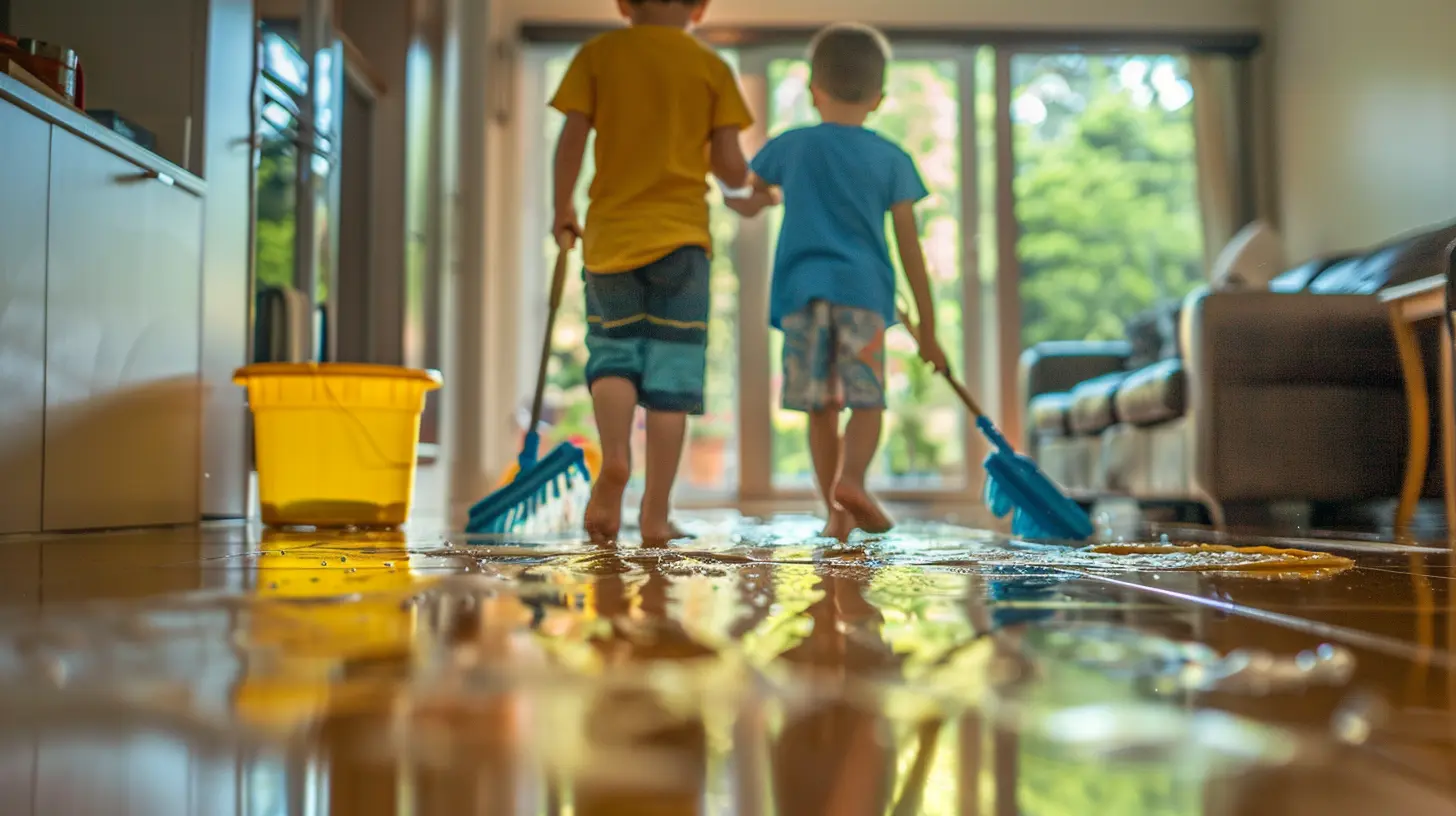
How to Turn Chores Into Teamwork Training (Without the Groans)
So, you’re probably wondering: “Sounds good, but how do I actually get my kids to see chores as teamwork and not as boring time-sucks?”Great question. Let’s break that down.
Step 1: Start With a Family Huddle
Before you assign tasks, call for a family meeting. Sit everyone down and talk about what needs to get done. Let them weigh in. When kids feel heard, they’re more likely to jump onboard.Pick a tone that’s upbeat and inclusive:
> “Okay team, we’ve got a messy kitchen and a laundry monster to tackle. Who wants to be the dish commander?”
Give tasks creative names or superhero titles. Trust me—it works like a charm. Wouldn’t you rather be “Captain Broom” than just “the one who sweeps”?
Step 2: Match Tasks to Strengths (and Age)
Not every chore fits every child. A five-year-old might love organizing spoons but can’t handle the vacuum. If you tailor chores to their abilities, it sets them up for success and reduces frustration.Pro tip: Rotate tasks every week so no one gets stuck with “the junk chore” permanently.
Step 3: Create a Team Scoreboard
Nothing brings people together like a common goal. Draw up a simple chart on a whiteboard or wall that tracks completed chores. Don’t just reward individuals—reward team efforts.Try something like:
- “If we hit 20 chores this week as a team, we get a movie night!”
- “At 40, we’re making homemade pizza together.”
Notice how the focus stays on “we” and not “me”? That’s the secret sauce.
Make It Fun or Make It a Game (Gamify It!)
Let’s be honest: kids love games. Who doesn’t? So why not turn chores into a little friendly family competition?Here are some ideas to spark that team spirit:
- Chore Bingo: Create a bingo card with different chores. Every time the family completes a row, it’s reward time.
- Timed Challenges: Set a timer and see if the whole team can clean the living room in 10 minutes like a reality TV squad.
- Points for Teamwork: Give extra points when two or more members help each other out, even if it’s not their assigned task.
These tiny gamified tweaks can turn “ugh, chores again?” into “Let’s beat our score from last week!”
The Ripple Effect: What Kids Learn Beyond the Chores
Here’s where things get really interesting. The skills they build through this family chore teamwork thing? They spread like ripples in a pond.✔ School Life Gets Easier
Teamwork skills make group projects a breeze. No more dragging dead weight or clashing with the “know-it-all” kid. Your child learns how to take initiative, communicate clearly, and contribute meaningfully.✔ Friendships Get Stronger
Cooperation and empathy are at the heart of great friendships. When kids learn to work as a team at home, they bring that same energy to their social circles.✔ Confidence Skyrockets
It’s empowering to feel like a valued part of a team. Each completed task becomes a little badge of self-worth. And confidence, once built, becomes a lifelong tool.What To Do When They Push Back (Because They Will)
Let’s not sugarcoat things—kids will resist. There will be eyerolls, dramatic sighs, and sudden “emergencies” that conveniently pop up at chore time. Don’t panic. This is normal.Here’s how to handle it:
💡 Stay Consistent
If you give in once, it sets a precedent. Keep it steady. Make teamwork a non-negotiable part of family life—just like meals or bedtime.💡 Stay Positive
Even when it feels like herding cats, your attitude sets the tone. Celebrate effort more than perfection. Give shoutouts when they help without being asked.💡 Encourage, Don’t Bribe
Avoid turning every task into a transaction. Kids need to understand that teamwork and helping out aren’t always about “what do I get?” but rather "how do I contribute?"Real-Life Story: How One Family Built Their “Chore Crew”
Meet the Thompsons—Mom, Dad, 10-year-old Mia, and 7-year-old Noah. For years, chores were a battleground. Mom felt like a maid, Dad was always nagging, and the kids... well, they were pros at disappearing during cleanup time.Then one day, they tried something radical. They created “The Chore Crew”—a weekly family challenge with goals, a shared scoreboard, and rotating team captains.
On Sundays, they’d huddle around the table, assign “missions,” and take on tasks together. Within weeks, tension dropped, the house stayed tidier, and—most surprisingly—the kids started helping without being asked.
Teamwork didn’t just improve their home—it transformed their family dynamic.
Wrapping It Up: Chores Are More Than Just Chores
Here’s the truth we often miss: every dish scrubbed, every toy put away, and every bed made is a tiny, powerful lesson in cooperation. It's about raising humans who understand they’re part of a bigger picture.When we teach our kids to work together at home, we give them the tools to succeed everywhere else. We aren’t just cleaning the house—we’re building a foundation for empathy, leadership, and resilience.
So next time you’re handing out chores, remember—you’re not delegating tasks. You’re planting seeds of teamwork that could grow into something amazing.
Are you ready to turn your home into a leadership incubator, one chore at a time?
all images in this post were generated using AI tools
Category:
Family LifeAuthor:

Steven McLain
Discussion
rate this article
2 comments
Shelby Dorsey
Loved this article! Teaching kids teamwork through family chores not only builds responsibility but also creates lasting memories. It’s a fun way to bond while getting things done together. Great tips!
January 21, 2026 at 5:33 PM
Steven McLain
Thank you for your kind words! I'm glad you enjoyed the article and see the value in teaching teamwork through chores. Happy bonding!
Azura McAnally
Engaging children in family chores not only fosters teamwork but also instills responsibility and a sense of belonging, laying the foundation for collaborative skills in their future.
December 31, 2025 at 3:47 AM
Steven McLain
Absolutely! Engaging children in chores promotes teamwork, responsibility, and a sense of belonging, all essential for developing collaborative skills. Thank you for highlighting this important aspect!