Helping Your Child Learn to Speak Up About Their Fears
20 July 2026
Let’s be real—fear is a natural part of life. As adults, we might fear losing our job, public speaking, or even spiders in the basement. But kids? Oh, they’ve got their own set of spooky monsters—under the bed, in the classroom, or buried deep in their minds. One of the most powerful tools you can give your child isn’t a nightlight to chase away those shadows—it’s the confidence to speak up about what scares them.
In this post, we’re diving deep (but in a fun way—don’t worry) into helping your child find their voice when fear creeps in. You’ll walk away with simple, everyday strategies to get your child to open up, build emotional resilience, and feel heard.
Why It’s So Important to Talk About Fear
Let’s start by pulling the curtain back. Kids experience fear just like we do, but the difference is—they don’t always know what to do with it. Sometimes, it leaks out as tantrums, stomach aches, or sudden silence. Sound familiar?Talking about fears isn’t just about getting things off their chest. It helps children:
- Build emotional intelligence
- Develop coping skills
- Strengthen trust with caregivers
- Feel safe and understood
And the cherry on top? When a child knows it’s okay to talk about their fears, they grow more confident in handling future challenges.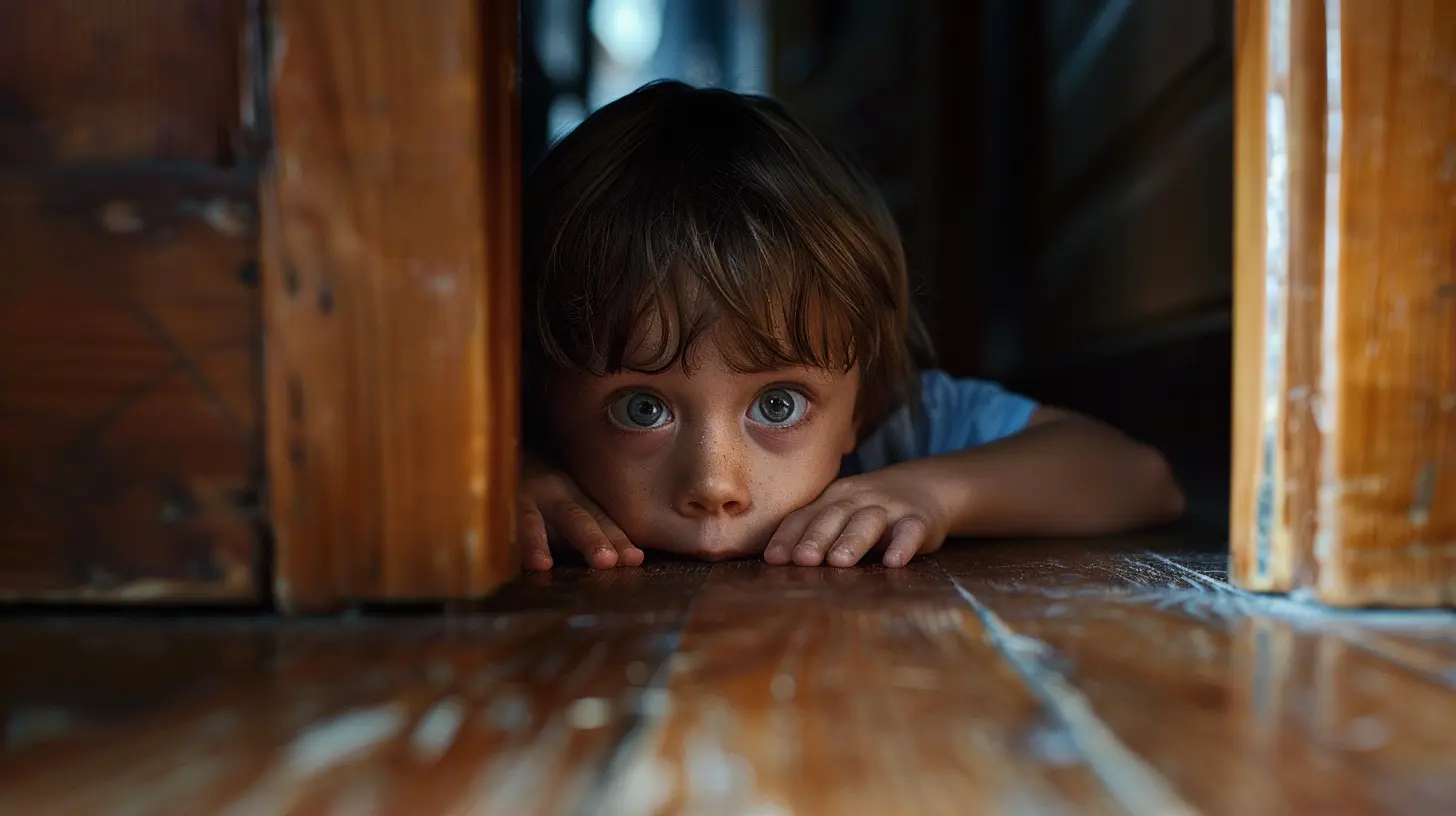
Start with Building Trust and Connection
Okay, picture this: You’re trying to talk about something difficult with someone who’s barely paying attention. Frustrating, right? Kids feel the same way. Before you can help your child open up, they need to trust that you’re really, truly there for them.Be Fully Present
Turn off distractions. Put the phone down. Make eye contact. These simple actions tell your child, “I’m here. I’m listening. You matter.”Create Safe Spaces
Kids don’t unload their emotions in a formal setting. Try chats during bedtime, bath time, or while doing something relaxed like coloring together. The more low-pressure the moment, the better the odds they’ll open up.Avoid Judgment
Even if what scares them sounds silly to you (we’re looking at you, talking vacuum nightmares), listen without laughing or dismissing it. Fear is subjective. What’s “small” to you might feel massive to them.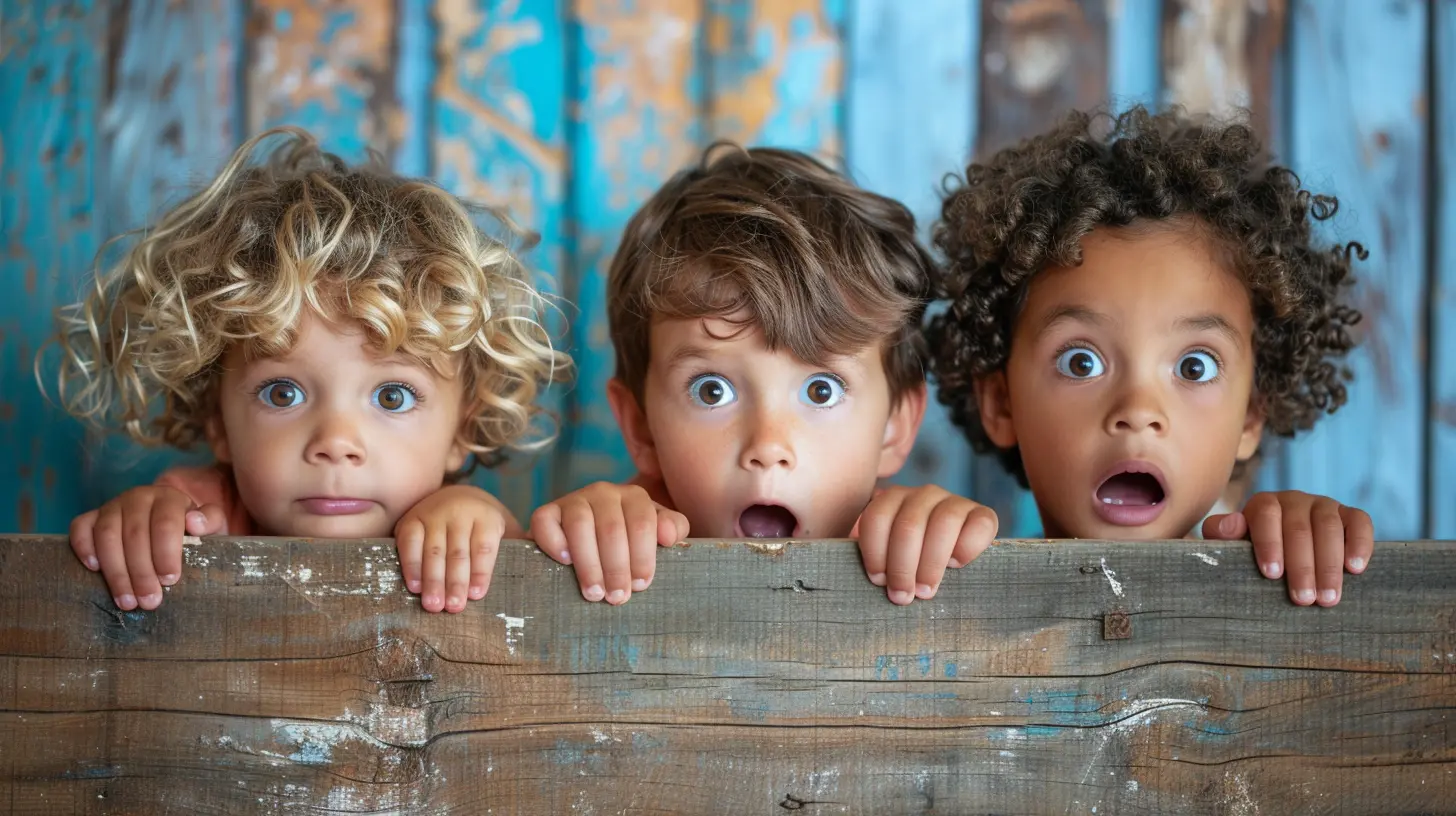
Teach Emotional Vocabulary
Let’s face it—kids can’t tell you what they’re afraid of if they don’t have the words. Helping your child label their emotions is like giving them a flashlight to shine into dark corners of their mind.Label Your Own Feelings
Start with modeling. Say things like:- “I’m feeling nervous about this presentation tomorrow.”
- “I get scared when I hear a loud bang outside.”
When you normalize these feelings, kids learn it’s okay to have them too.
Use Books and Stories
Children’s books are gold for sparking meaningful conversations. Characters facing fears give your child a way to connect emotionally and say, “Hey, I feel like that too!”Introduce a Feelings Chart
Hang a colorful emotions chart on the fridge or their bedroom wall. When they’re upset, guide them to point to what they’re feeling. It’s an easy way for shy kids to express themselves without feeling overwhelmed.
Listen First, Fix Later
Here’s a truth bomb: Your kid doesn’t always want you to fix their fear. Sometimes, they just want to be heard.Don’t Rush Into Solutions
If your child says they’re scared of recess because they don’t have friends, don’t jump in with, “Just go talk to someone new!” Instead, say:> “That sounds really tough. It makes sense you’d feel that way.”
Empathy first, advice second.
Ask Open-Ended Questions
Help them elaborate on their feelings with questions like:- “What does it feel like in your body when you’re scared?”
- “When do you feel that way the most?”
These invite reflection and deeper connection.
Encourage Expression Through Play
Kids don’t always want to “talk.” That’s okay. Play is a powerful tool for expressing fear.Use Dolls, Action Figures, or Stuffed Animals
Let their toys do the talking. You might hear the action figure say, “I’m scared of the dark,” opening a window into your child’s inner world.Drawing and Art
Give them crayons and paper and say, “Can you draw what scared you today?” It’s creative therapy in action.Role-Playing Scenarios
Pretend you’re a character with the same fear and work through it together. This method makes scary topics less intense and more approachable.Validate and Empower
Fear can feel disempowering. Your job? Help your child see they’ve got more control than they think.Normalize the Feeling
Say things like:- “Everyone feels scared sometimes—even grownups.”
- “It’s totally okay to feel this way.”
You’re not just saying “it’s fine,” you’re saying “you’re not alone.”
Praise Their Effort, Not Just Courage
When your child opens up, celebrate it:> “I’m really proud of you for telling me how you felt. That was really brave.”
Even if they haven’t confronted the fear yet, acknowledging the conversation is a huge step forward.
Help Them Take Small Brave Steps
You don’t have to throw them in the deep end. Help your child build courage brick by brick.Break Big Fears Into Tiny Steps
If they’re scared to sleep alone, start by sitting next to their bed, then slowly move further away each night. Baby steps count.Practice Together
Afraid of ordering at restaurants? Role-play at home. Rehearsal builds confidence.Celebrate Progress
Each tiny victory—no matter how small—is worth acknowledging. “You talked to your teacher today? That’s amazing!”Watch Your Own Reactions
Kids are sharp observers. If you freak out when they’re scared, they’ll stash those feelings deep down where no one can find them.Stay Calm (Even If You’re Not)
Take a deep breath before reacting. Your calm response teaches, “We can handle this together.”Avoid Dismissing Fears
Saying, “There’s nothing to be afraid of” might shut them down. Instead, say, “Tell me what’s making you feel that way.”Signs Your Child Might Be Hiding Fear
Sometimes kids don’t say what they’re scared of—but their behavior does.Look out for these clues:
- Sudden clinginess
- Avoiding certain places or people
- Trouble sleeping
- Frequent headaches or stomach aches
- Anger outbursts
These signs don’t always scream “fear,” but they whisper it. Be curious instead of critical.
When to Seek Extra Help
If your child’s fears start interfering with daily life—like refusing to go to school, having panic attacks, or expressing harm to themselves—it’s time to bring in a professional.Child therapists are trained to help kids navigate their emotions safely. There’s zero shame in getting support.
Keep the Conversation Ongoing
Talking about fear isn’t a one-and-done chat. It’s a relationship. An open door. A regular check-in.Ask:
- “How are you feeling about school lately?”
- “Anything you’re nervous about that you want to talk about?”
Let it be part of the fabric of your everyday life, not a special occasion.
Final Thoughts
Helping your child learn to speak up about their fears isn’t just about raising a brave little human—it’s about nurturing a deeper bond. You become their safe space. Their go-to. The person they trust when the world feels overwhelming.So next time your child clams up or lashes out, lean in instead of turning away. Listen more. Judge less. And slowly, you’ll see the fear fade—not because it disappeared, but because it was faced.
Together.
all images in this post were generated using AI tools
Category:
Dealing With FearsAuthor:

Steven McLain
Discussion
rate this article
1 comments
Sorin Lawrence
Encouraging children to express their fears is crucial for their emotional development. Create a safe space for open communication and validate their feelings. By doing so, you empower them to articulate their concerns and build confidence in handling challenges.
July 21, 2026 at 2:31 PM
Steven McLain
I completely agree. Creating that safe space is essential for helping kids voice their fears and grow emotionally. Thank you for highlighting this important aspect!