How to Help Your Child Overcome Bedtime Fears
5 July 2026
Let’s face it — bedtime can be tough. Especially when your child starts imagining monsters under the bed or shadows that suddenly seem a little too spooky. If you’re a parent who’s been there (or are currently in the middle of it), you’re not alone. Bedtime fears are incredibly common, especially in younger children, and while they might seem irrational to an adult, they feel very real to little ones.
So, how can you help your child overcome bedtime fears without turning every night into a battle? That’s what we’re diving into here. This isn't just about turning the lights off and hoping for the best — it's about understanding, connection, and a dash of creativity.
Why Do Bedtime Fears Happen in the First Place?
Let’s start at square one. Bedtime fears usually show up between the ages of 2 and 8. Around this age, kids start developing vivid imaginations — which is wonderful during the day, but not so awesome when they’re alone in a dark room.They also begin to understand that the world isn’t always sunshine and unicorns. Movies, overheard conversations, or even a loud thunderstorm can trigger those fears. And hey, let’s not forget how overwhelming the dark can be when you haven’t yet realized that closets and shadows aren't hiding anything sinister.
Common Bedtime Fears Kids Face
Before jumping into solutions, it helps to identify what your child might be afraid of. Here are a few common bedtime fears:- Monsters hiding under the bed or in the closet
- Fear of the dark
- Being alone
- Fear of burglars or "bad guys"
- Shadows or strange noises
- Nightmares or night terrors
Sound familiar? If so, keep reading. We're going to break this down and give you some simple, actionable ways to ease your child’s worries.
1. Listen and Validate Their Feelings
Here’s the big one — don’t brush off their fear. Sure, you know there’s no monster in the closet, but to your child, the fear is real.Sit with them, hold their hand, and say something like, “I hear that the dark feels scary to you right now. That’s okay — everyone feels scared sometimes.” This right here is your golden ticket to connection. When a child feels validated, their sense of safety grows.
Trying to fix or dismiss the fear too quickly can backfire. Avoid saying, “Don’t be silly,” or “There’s nothing to be scared of.” Instead, give them the space to talk about it.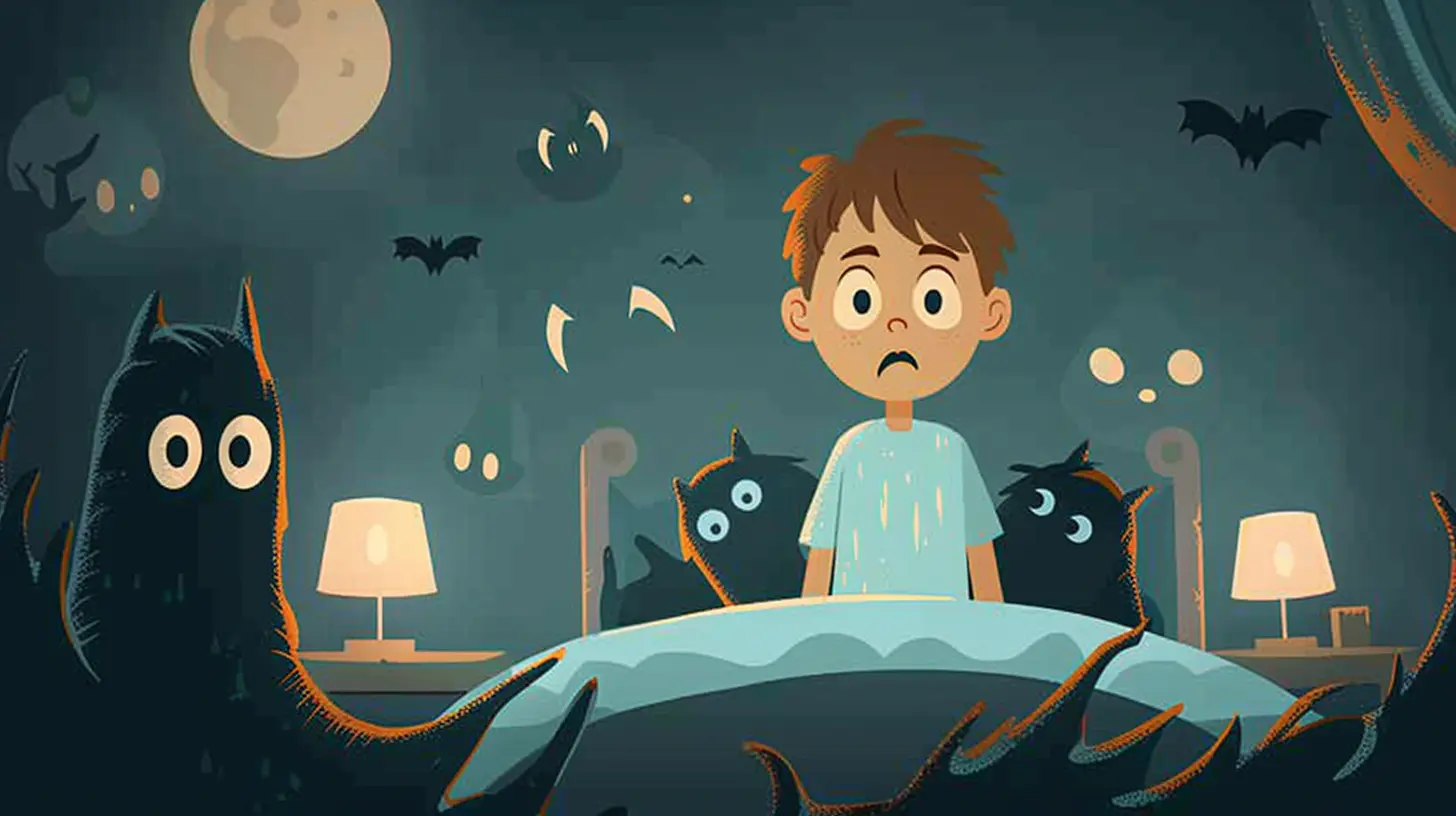
2. Create a Soothing Bedtime Routine
Children thrive on routine. And a calming bedtime ritual can work wonders when it comes to easing bedtime fears. Think of it as building a bridge from a chaotic day to a peaceful night.Here are a few ideas for a bedtime routine:
- A warm bath with calming scents
- Reading a gentle bedtime story
- Soft lullabies or white noise machines
- Dim lighting and a cozy atmosphere
- Snuggling and talking about the day
When bedtime becomes predictable, it feels safer. And when it feels safe, fear doesn’t stick around as much.
3. Use a Comfort Object
Never underestimate the power of a stuffed animal. Many kids feel more secure sleeping with a favorite toy or blanket. It’s like having a tiny bodyguard that chases the boogeyman away.Let your child choose their “guardian buddy.” You can even give it a special role, like, “Mr. Snuggles is on monster patrol tonight. Nothing’s getting past him.”
It might sound silly to us, but to a child, this kind of pretend play gives a sense of control and comfort.
4. Keep the Night Environment Peaceful
Let’s talk lighting. Complete darkness can feel overwhelming to some kids — especially if they’re already anxious. A soft nightlight can go a long way. Just make sure it’s not too bright; we still want melatonin (the sleep hormone) to do its job.Also, pay attention to sounds. A fan or white noise machine can help mask any creaks or outside noises that might trigger fear.
And let’s not forget the room’s appearance. Avoid scary posters, clutter, or anything that might cast weird shadows. Keep it tidy and calm — think of the room as your child’s nighttime haven.
5. Encourage Daytime Talk About Fears
Daytime is prime time for fear-talk. Why? Because your child feels safer and more regulated. It's easier to make sense of things when the sun's out and monsters are clearly nowhere to be found.You can say something like, “Hey, remember how you were feeling scared last night? Want to tell me more about that?” Listen actively and resist the urge to jump in with solutions right away.
Sometimes drawing the fear helps. Ask your child to draw what scares them and then talk about it. You can even make a game of it — draw a silly mustache on the “monster” or give it a silly name like “Sir Farts-a-Lot.” Laughter can be a powerful fear-fighter.
6. Empower Them With Tools
Part of growing up is learning how to cope with unpleasant feelings — and bedtime fears are a great opportunity for kids to start building emotional resilience.Here are a few simple tools your child can use:
- Deep breathing: Teach them to take slow, deep breaths — in through the nose, out through the mouth. Even 3 deep breaths can make a difference.
- Affirmations: Have them repeat something like, “I am safe. I am brave. I can handle this.”
- Monster spray: Yes, an empty spray bottle with a custom label can do magic! "Monster Repellent" can be sprayed under the bed or in the closet as part of the pre-bed routine.
- A worry box: Let them write (or draw) their fear, put it in the box, and leave it there overnight — out of their mind and out of their room.
These tools give your child a fantastic sense of control, which is half the battle.
7. Lead By Example
Kids model what they see. If you show calm confidence during stressful moments, they’re more likely to adopt the same attitude.Make sure your bedtime energy is soothing. If you’re rushing, snapping, or visibly stressed, that energy trickles down. Instead, be the calm that your child needs — even if you're juggling a million things. Take a breath and enter bedtime with intention.
Remember: children don’t need perfect parents. They need present ones.
8. Limit Scary Media and Overstimulation
It’s easy to overlook, but what your child consumes during the day absolutely affects how they sleep.Avoid scary movies, intense video games, or even news in the background. Kids are sponges, and their imagination doesn’t have an off switch after watching something unsettling.
Also, be mindful of overstimulation right before bed — high-energy play, screen time, or sugar can wind them up, making it harder to calm down once the lights go out.
Try ending the evening with calm play, puzzles, coloring, or quiet reading together. It sets the tone for a smoother night.
9. Stay Consistent and Patient
Overcoming bedtime fears isn't a one-night fix. Some nights will be better than others, and that’s okay.The key? Consistency. Stick with your bedtime routine. Offer comfort, not frustration. Keep those lines of communication open. And remind yourself that this is just a phase — one of many that will come and go.
Patience is your best friend here.
10. When to Seek Professional Help
Most of the time, bedtime fears fade with reassurance and time. But sometimes, fears become so intense they interfere with daily life or persist beyond the expected age.If fears become extreme or are paired with symptoms like severe anxiety, panic attacks, or aggression, don’t hesitate to talk to your child’s pediatrician or a licensed child therapist. Sometimes we all need a little outside support — and that’s more than okay.
Final Thoughts
Bedtime fears are a normal part of growing up. They don’t mean your child is overly sensitive or that you’re doing anything wrong as a parent. In fact, these moments can actually help strengthen your bond and teach your child coping skills they’ll use for life.So next time your little one whispers, “I’m scared,” lean in. Offer comfort. Build routines. Arm them with tools. And show them that while monsters may live in stories, bravery lives right inside them.
You’ve got this — and so do they.
all images in this post were generated using AI tools
Category:
Dealing With FearsAuthor:

Steven McLain
Discussion
rate this article
1 comments
Grayson Baker
Be patient and listen to their fears.
July 7, 2026 at 4:05 AM
Steven McLain
Absolutely, understanding their fears can make a big difference. Listening shows you care and helps them feel supported.