How Hobbies Can Help Children Conquer Their Fears
13 May 2026
Let’s face it—childhood can be a pretty scary place. From the fear of the dark to the fear of failing a math test or making new friends, kids deal with way more internal battles than we give them credit for. As parents, we want to wrap them in bubble wrap and protect them from the world. But sometimes, the real growth happens when they face those fears head-on.
And guess what? A little thing called a hobby can be a game-changer.
Yep, that quirky collection of action figures or hours spent doodling cartoon cats isn’t just a way to kill time. Hobbies can be powerful tools that help kids confront their fears, build confidence, and feel in control of their world. Sounds a bit magical, right? Let’s break it down.
What Are Children Afraid Of Anyway?
Before we dive into how hobbies help, let’s talk about what kinds of fears children commonly experience. These fears can be completely normal and developmentally appropriate, or sometimes a bit more persistent.Here are some of the biggies:
- Fear of the dark
- Separation anxiety
- Fear of failure or making mistakes
- Fear of being judged by others
- Social anxiety or shyness
- Fear of trying new things
- Phobias (needles, dogs, thunder, etc.)
Kids don't always have the words to explain what they're feeling. Instead, fear might show up as clinginess, tantrums, avoidance, or even tummy aches. But behind all that drama? A kid just trying to feel safe.
So How Do Hobbies Help?
You might be thinking, “How’s painting or building LEGO castles supposed to help my kid face real-world fears?” Great question.Let’s peel this onion.
1. Hobbies Boost Confidence
This one’s the kicker. When your child engages in a hobby they enjoy, they’re pushing themselves in a low-pressure setting. They’re learning something new, solving problems, and improving through practice—and it doesn’t involve grades or trophies (unless they want it to).Every step forward, from nailing a new dance move to figuring out how to fly a model airplane, is a small win. And those small wins? They add up to real confidence.
Imagine your 7-year-old terrified of speaking in class. But, they’ve been performing magic tricks for the family at dinner. That sense of “Hey, I can perform without messing up!” goes a long way when facing classroom jitters.
2. Hobbies Offer A Safe Space to Fail
Yup, failure is part of the deal—and that’s a good thing. Hobbies teach kids it’s okay not to get it right the first time. Or the second. Or even the third.When kids learn to bounce back after a messy drawing or a burned cupcake, they start to build resilience. They realize fear doesn’t have to stop them from trying. Instead of thinking, “What if I fail?” they start asking, “What if I get better?”
Failure but no punishment? That’s a rare combo in a kid’s world. And it’s incredibly empowering.
3. Hobbies Give Kids Control
Let’s be honest—kids don’t have a whole lot of control over their lives. Adults pick their meals, manage their schedules, and even choose their clothes (sometimes). That can be overwhelming or anxiety-inducing for many kids.But a hobby? That’s theirs. They get to choose how to do it, how long to spend on it, and when to quit or keep going. That sense of autonomy gives them back some control, and with it, a big confidence boost.
Especially for kids with anxiety or perfectionism, hobbies can feel like a lifeline. They offer freedom without pressure, and that’s a recipe for healing.
4. Hobbies Help Kids Process Emotions
Ever seen a child pour their heart into a painting or get lost in a fictional world they’re writing about? That’s emotional processing at work.Creative hobbies like drawing, writing, music, or acting help kids express what they’re feeling in a form that feels safe. It’s not about saying, “I’m scared” out loud. It’s about showing that feeling through a song, a story, or even a dance.
These outlets help fears shrink down from big scary monsters to something they can manage and cope with, bit by bit.
5. Hobbies Build Social Skills (Without the Pressure)
Group activities like sports, theater, music classes, or even joining a LEGO club push kids out of their comfort zones—gently.They offer opportunities to work with others, share ideas, and overcome stage fright in a supportive setting. Your child might be too shy to speak up in class, but performing with their drama club could be the bridge they need to start feeling confident in group settings.
Hobbies create shared passions, and guess what? Shared passions create friendships.
Kids who fear being judged or "not fitting in" often find a safe tribe in hobby groups. Whether it’s chess, coding, or comic books, there’s always room for one more.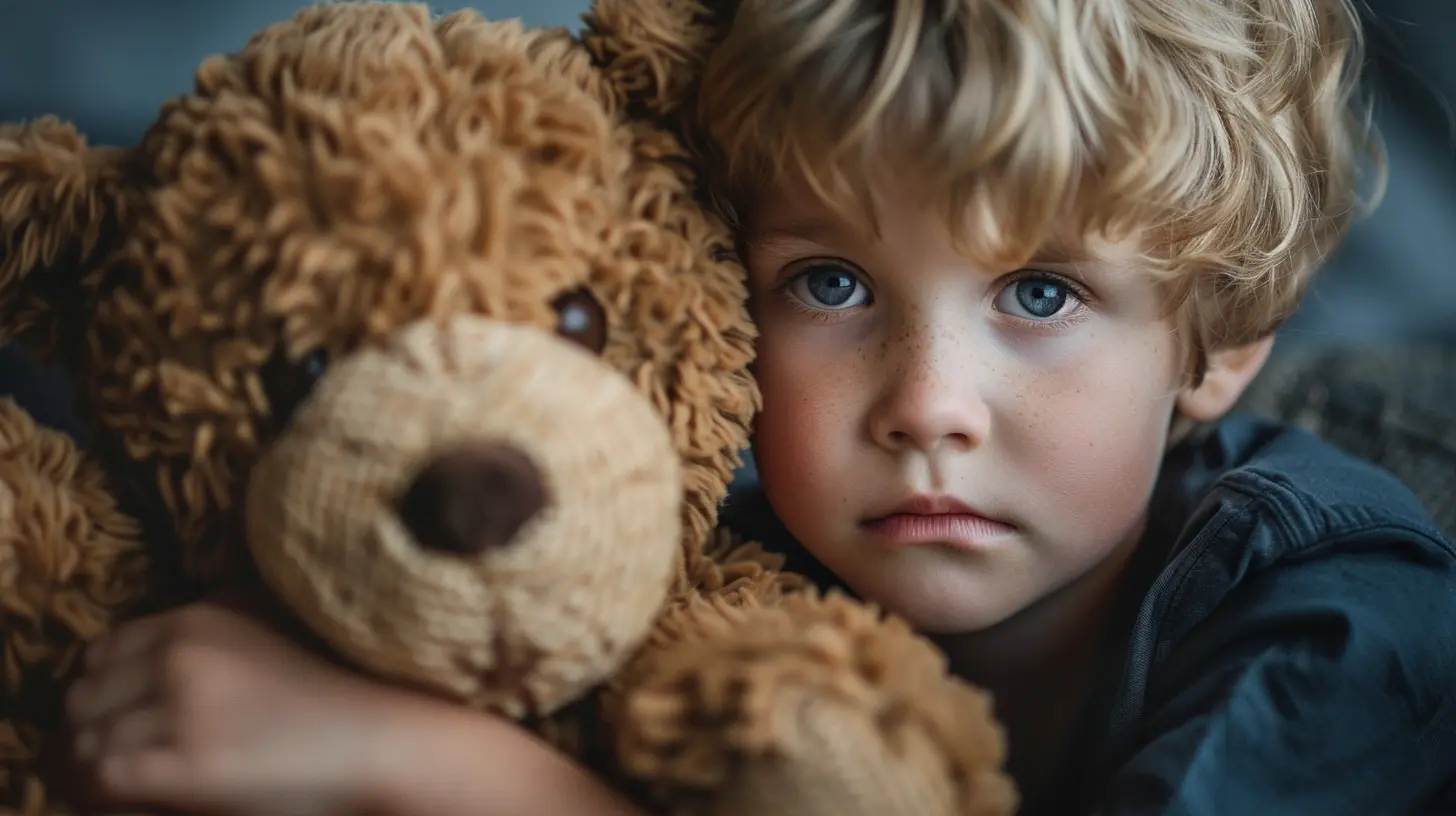
Real-Life Example: Meet Ethan
Let’s talk about Ethan. He’s 9, bright, and completely terrified of dogs (thanks to a past incident when a neighbor’s pup knocked him over). Bad enough that he avoids going to the park.His parents enrolled him in a drawing class focused on animals. Slowly, Ethan started sketching cats, rabbits, birds... and eventually dogs. At first, they were goofy comic-style dogs. Then more lifelike ones. He gave them silly names, added speech bubbles, and eventually laughed at his own drawings.
Fast forward six months later, and he’s petting the neighbor’s (much calmer) golden retriever.
No one forced him to “face his fear” the traditional way. The hobby gave him a safe space to explore those feelings—with humor, creativity, and zero pressure.
That’s what hobbies can do.
Choosing the Right Hobby for Your Child
Not every activity is a perfect fit—and that’s okay. The key is to follow their interests, not yours.Here are a few pointers:
Follow Their Curiosity
Is your child always pulling things apart to see how they work? Maybe engineering or robotics kits are the way to go. Are they always dancing around the living room? Time to look into dance classes.Kids’ passions often show up naturally in their play—watch for clues.
Keep It Low Pressure
Avoid turning hobbies into performance-based tasks. Your child doesn’t need to become the next Picasso or Serena Williams. Let them enjoy the process, not chase perfection.Sometimes the messiest art project brings the biggest smile—and the most growth.
Be Flexible
Hobbies don’t come with contracts. Your child may try something, love it for a month, get bored, and move on. That’s completely normal.Experimentation is part of the magic.
The Role of Parents: Be the Cheerleader, Not the Coach
You don't have to be an expert in guitar to support your kid’s musical dreams. Just showing up matters. Ask about their projects, celebrate their effort, and let them lead.That support tells your child, “I believe in you—even when things get tough.” And that is how confidence grows.
Also, please — resist the urge to “fix” their work. Let them learn, tinker, and make mistakes. It’s all part of the journey.
Signs Your Child is Benefiting from a Hobby
Hobbies are working their magic when you notice things like:- Your child being more willing to try new things
- Reduced anxiety or fewer tummy-ache excuses
- More enthusiasm in talking about their interests
- Stronger social connections
- Greater independence and decision-making
Sure, they may still be afraid of the dark, but watch how boldly they pick up a new skill or speak up at a friend’s birthday.
That’s growth you can’t teach in school.
Final Thoughts: It’s Not About The Hobby. It’s About What’s Behind It.
Here’s the truth: It doesn’t matter whether your kid is into soccer, sketching, skateboarding, baking, or building model trains.What matters is that these hobbies create a cushion between your child and their fears. A space where they’re allowed to stumble, explore, try, and keep going.
When they have that kind of freedom, the fears that once seemed so big start to shrink. Not overnight. But hobby by hobby, brick by brick, confidence builds.
And one day, you’ll look over and realize your once-timid child is soaring—and not just in their hobby, but in life.
So go ahead, help them find that special activity. Encourage them to get messy, make mistakes, and most importantly—have fun.
Because behind every great hobby is a brave little heart learning to trust itself.
all images in this post were generated using AI tools
Category:
Dealing With FearsAuthor:

Steven McLain
Discussion
rate this article
2 comments
Zealot Porter
This article highlights an important point. Encouraging children to engage in hobbies really can build confidence and help them face their fears.
July 5, 2026 at 2:39 PM
Steven McLain
Thank you for your insight! I'm glad you found the point resonant. Hobbies really do play a crucial role in building confidence.
Nix McTigue
Oh sure, because nothing says "bravery" like a kid painting a sunset. Forget facing real-life monsters; let's just have them color some rainbows instead. Fear of the dark? Just throw in a glitter art project... problem solved!
May 18, 2026 at 3:01 AM
Steven McLain
Hobbies offer kids a safe way to express feelings and tackle fears. Painting a sunset may seem simple, but it can spark courage and creativity. Every little step counts.