The Importance of Cross-Training in Youth Sports
11 July 2026
Introduction
If your child is into sports, you probably know the excitement of watching them find their passion. Whether it's soccer, basketball, swimming, or gymnastics, young athletes love to give it their all. But here’s the thing—focusing on just one sport too early can actually do more harm than good. This is where cross-training comes in.
Cross-training isn’t just about adding variety; it’s about developing a well-rounded athlete, reducing the risk of injuries, and even preventing burnout. Let’s dive into why every young athlete should be engaged in multiple activities instead of just one sport. 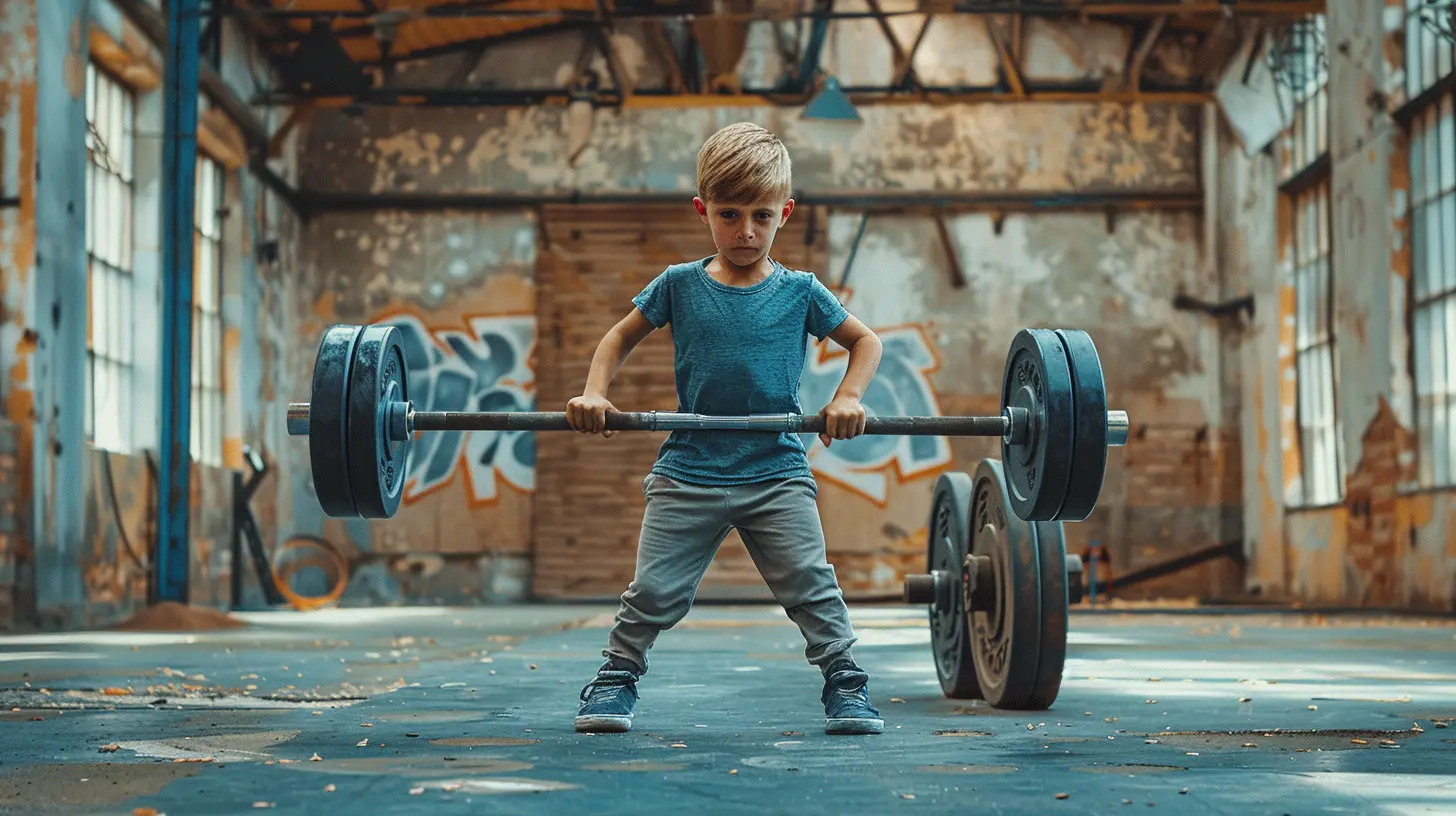
What is Cross-Training?
Cross-training simply means participating in different types of physical activities rather than sticking to just one sport year-round. For example, a soccer player might also run track in the off-season, or a swimmer might take up yoga to improve flexibility.The idea is to train the body in different ways to improve overall athletic performance. Instead of overusing certain muscles, athletes develop strength, endurance, coordination, and flexibility that benefit them in any sport they decide to play. 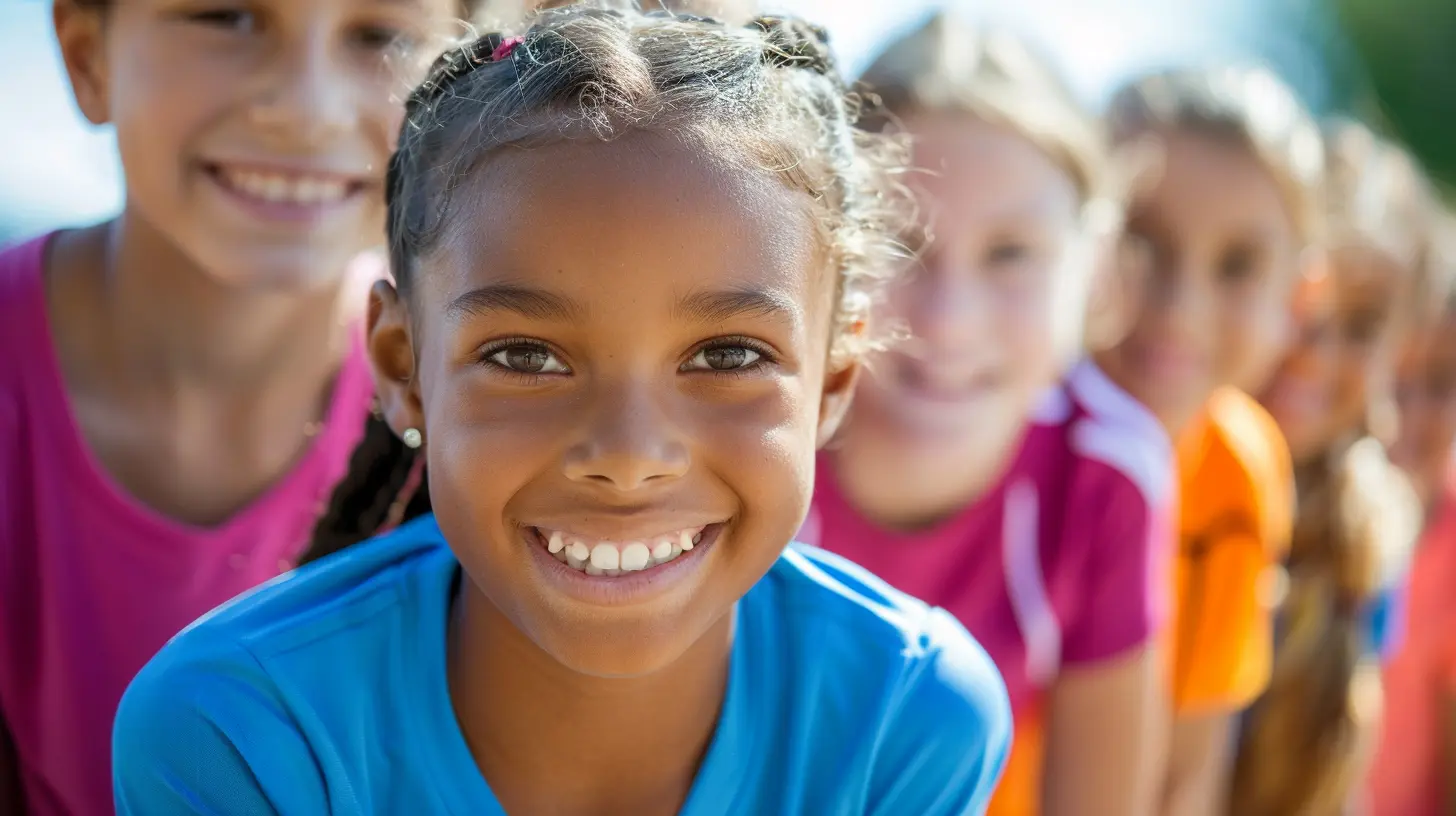
Why Specializing Too Early Can Be a Mistake
Many parents and coaches believe that committing to a single sport early on gives kids a competitive edge. While it sounds logical, research suggests that early sports specialization can actually be counterproductive.1. Higher Risk of Injury
Playing the same sport year-round means kids are repeatedly using the same muscle groups. This repetitive strain can lead to overuse injuries like stress fractures, tendonitis, and joint pain. Young bodies are still developing, and pushing the same motions over and over can wear them down too soon.2. Increased Burnout
Imagine eating your favorite meal every single day—eventually, you’d get sick of it, right? The same goes for sports. Kids who specialize too early often lose interest, feeling pressured instead of excited. When sports stop being fun, motivation takes a nosedive, and some kids quit altogether.3. Limited Overall Development
While focusing on one sport may lead to certain skills improving quickly, it can leave other areas underdeveloped. A soccer player who only plays soccer might have great footwork but struggle with upper-body strength or agility. Cross-training helps kids develop a full range of athletic skills, making them stronger and more adaptable players in the long run.
Cross-Training Benefits for Young Athletes
So, what exactly makes cross-training such a game-changer? Here are a few major ways it can positively impact youth athletes:1. Improves Overall Athleticism
Different sports train different muscles and skills. A basketball player who also runs track will develop better speed and endurance. A gymnast who plays soccer will build stronger legs and balance. Cross-training creates well-rounded athletes who can excel in multiple areas.2. Reduces the Risk of Injury
When kids rotate between sports, their muscles, joints, and ligaments get a break from repetitive stress. This lowers the risk of overuse injuries—which are a huge problem for young athletes who specialize too soon.For example, baseball players often suffer from shoulder and elbow injuries due to constant throwing. But if they engage in swimming during the offseason, they can strengthen their shoulders without the same repetitive strain.
3. Builds Mental Toughness
Different sports require different mindsets. A wrestler needs discipline, while a swimmer thrives on endurance. A soccer player develops teamwork, while a cross-country runner masters perseverance. Exposing kids to various sports helps shape their mental toughness, adaptability, and resilience.4. Keeps Sports Fun and Exciting
Cross-training adds variety, keeping kids engaged and excited about sports. It prevents them from feeling stuck in a repetitive routine and allows them to discover what they truly enjoy. Some kids who start as baseball players might realize they love tennis, while others may find unexpected passion through a new challenge.5. Enhances Skill Transfer
Believe it or not, skills from one sport can help another. A football player who takes ballet? That might sound unusual, but ballet improves balance, coordination, and flexibility—all crucial for football footwork. Gymnastics boosts body awareness, which helps in almost any sport.Skills don’t exist in isolation—what kids learn in one activity can elevate their performance in others. 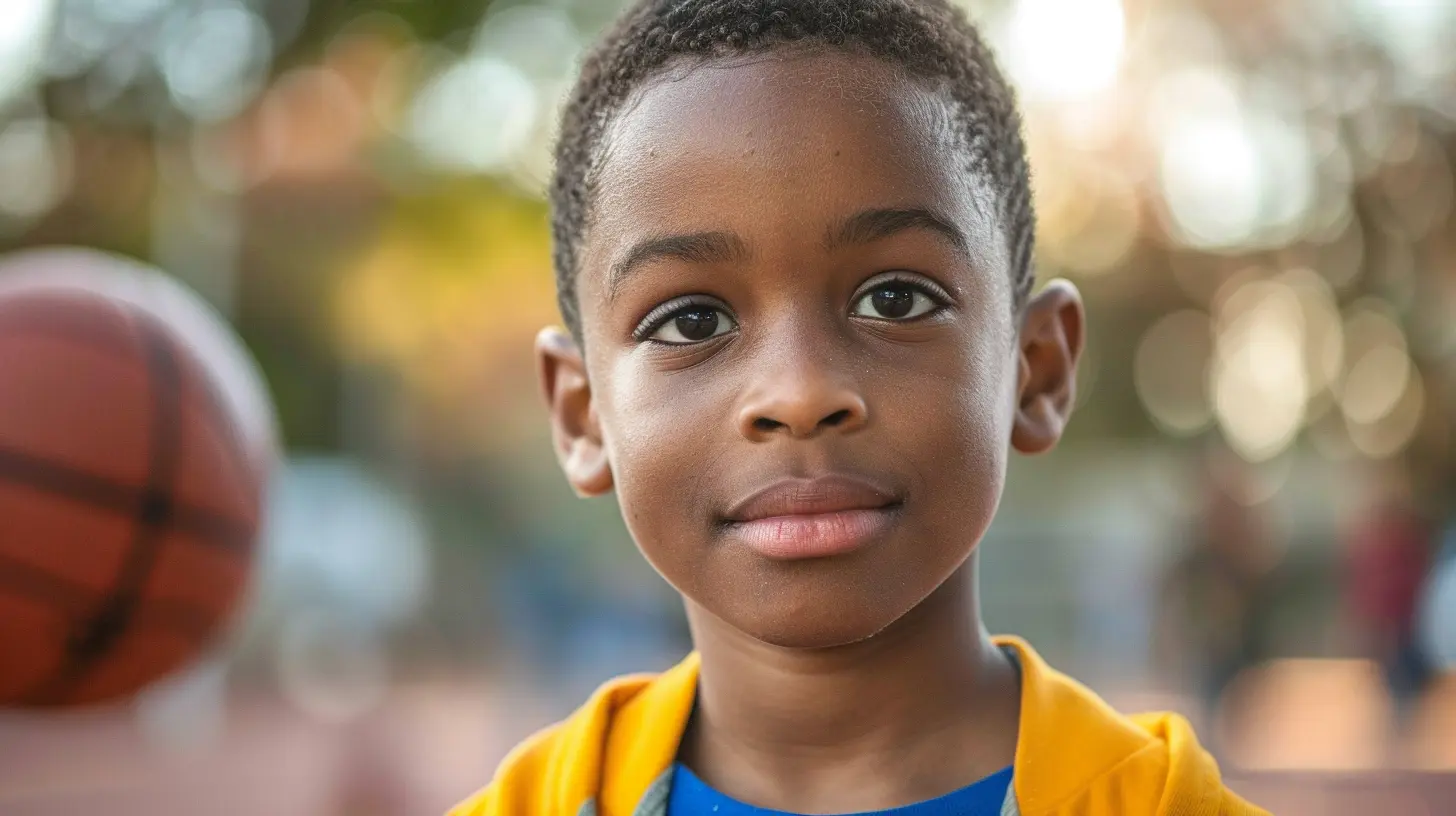
Best Cross-Training Combinations for Young Athletes
Not all sports combine well, but many complement each other beautifully. Here are some great cross-training combinations:- Soccer + Track & Field → Improves speed, endurance, and agility.
- Basketball + Swimming → Builds endurance while strengthening muscles without impact.
- Football + Wrestling → Increases strength, body control, and mental toughness.
- Gymnastics + Dance or Martial Arts → Enhances balance, flexibility, and coordination.
- Baseball + Yoga → Prevents stiffness and improves flexibility, reducing injury risk.
Encouraging kids to try multiple activities helps them become strong, agile, and well-rounded athletes.
How Parents Can Encourage Cross-Training
As a parent, you play a huge role in shaping your child’s sports experience. Here’s how you can help:1. Avoid Pressure to Specialize Too Soon
It’s natural to want your child to succeed, but specializing before high school is rarely necessary. Encourage them to try different activities and see what they enjoy most.2. Mix Structured and Unstructured Play
Not all cross-training has to come from organized sports. Climbing trees, biking, swimming, and even jumping on a trampoline all work different muscle groups and keep kids active in a fun, low-pressure way.3. Listen to Their Interests & Prioritize Fun
If your child loves soccer but also wants to try basketball, support their curiosity. Let them experiment, explore, and discover what makes them happiest.4. Emphasize Rest & Recovery
Playing multiple sports is beneficial, but rest is just as important. Make sure your child has at least one or two days off per week to avoid overtraining.5. Work With Coaches
Some coaches push for early specialization, but you can advocate for cross-training. A good coach will recognize its benefits and help your child develop without unnecessary stress.Conclusion
Cross-training isn’t just a trendy buzzword—it’s a crucial part of raising strong, well-rounded, and happy young athletes. By letting kids participate in multiple sports, they’ll improve their skills, reduce injuries, and keep their love for the game alive.As parents, our job isn’t to push them toward one path too early—it’s to support, encourage, and help them thrive in whatever sport (or sports!) they love.
So, if your child wants to try a new sport this season? Cheer them on! It might just be the best decision for their athletic journey.
all images in this post were generated using AI tools
Category:
Kids And SportsAuthor:

Steven McLain
Discussion
rate this article
1 comments
Poppy Alexander
Cross-training in youth sports fosters well-rounded athletes by enhancing physical skills and reducing injury risk. This approach not only builds strength and flexibility but also keeps young athletes engaged and motivated. Encouraging diverse activities can promote teamwork and creativity, offering valuable life lessons beyond just sport-specific training.
July 13, 2026 at 4:42 PM
Steven McLain
I completely agree. Cross-training not only develops physical abilities but also keeps young athletes excited about sports. It's a great way to build skills and foster important life lessons.