How Play-Based Learning Will Shape Early Childhood Education by 2026
15 April 2026
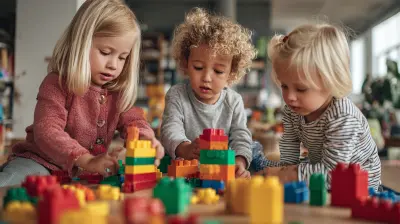
Remember the pure, unadulterated joy of your child completely lost in a world of their own making? Maybe they’re building a towering fortress out of couch cushions, conducting a symphony for pots and pans, or carefully serving you an imaginary cup of tea. In that moment, they aren’t just “playing”—they’re engineering, composing, and practicing social rituals. This isn’t just fun and games; it’s the very foundation of how they understand the world. Yet, for decades, our education systems have often treated this kind of play as a frivolous activity to be set aside for “real learning.”
But what if I told you that by 2026, the landscape of early childhood education will have undergone a seismic shift? The pendulum is swinging, and it’s swinging hard towards a future where play isn’t the side dish to learning—it’s the main course. We’re on the cusp of a revolution, one where the laughter and mess of play are recognized as the most sophisticated learning tools we have. Let’s dive into how play-based learning will reshape the early years of education in the very near future.
From the Fringes to the Forefront: The Play-Based Learning Revolution
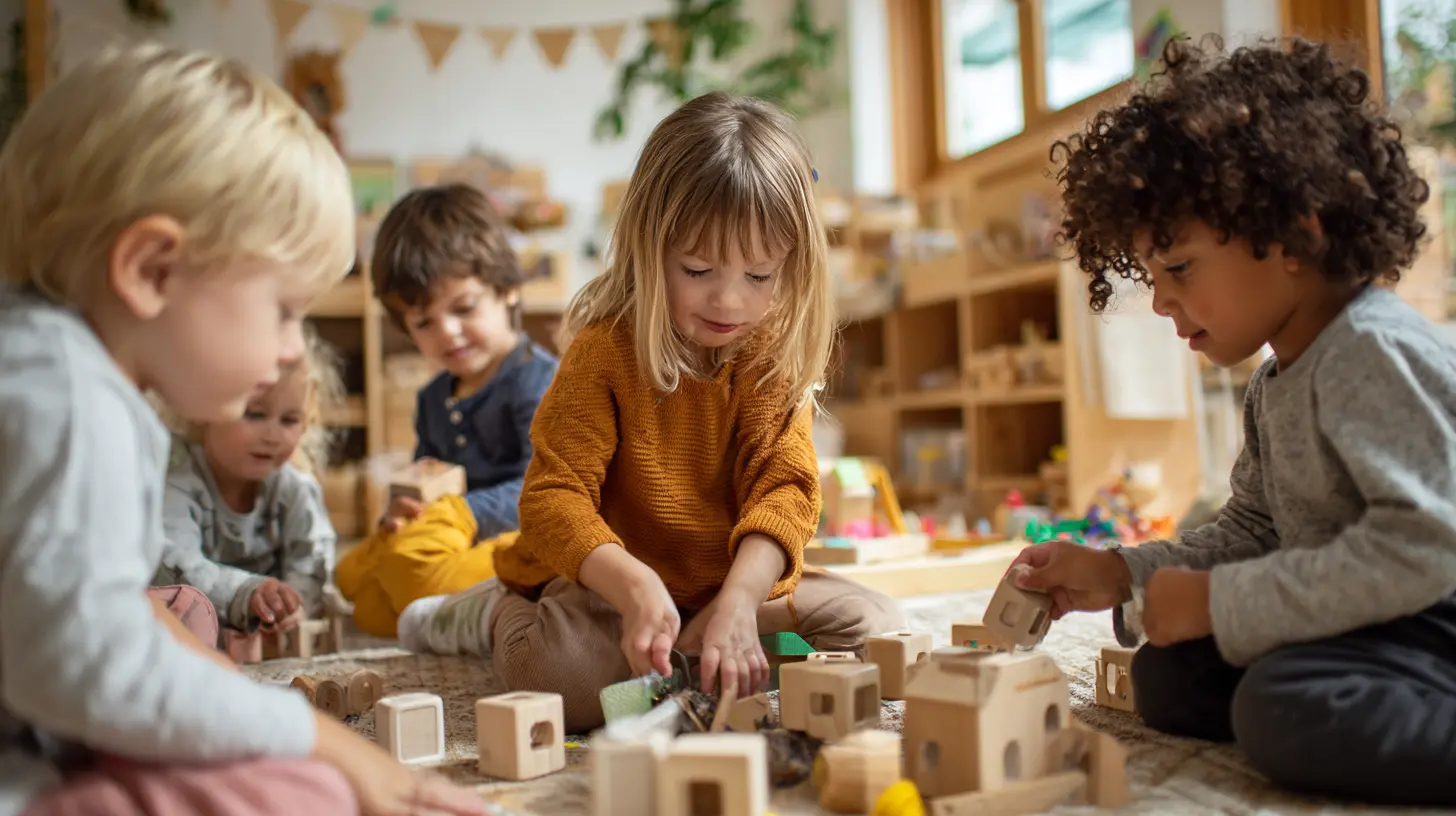
For too long, the early childhood classroom has been caught in a tug-of-war. On one side, you have the developmental needs of the child: curiosity, movement, social connection, and hands-on exploration. On the other, you have well-intentioned but often misplaced pressures for “school readiness,” leading to worksheets, flashcards, and direct instruction for younger and younger children. It’s like trying to make a sapling grow faster by pulling on its leaves—you might get a temporary result, but you risk damaging the roots that ensure long-term, healthy growth.Play-based learning is the antidote to this pressure. It’s an educational approach that uses play as the primary vehicle for learning. This doesn’t mean it’s unstructured chaos. Far from it. Think of it as a carefully curated garden. The educator (the gardener) prepares a rich environment (the soil) with intriguing materials and possibilities (the seeds). Then, they observe and gently guide as the children (the plants) explore, experiment, and grow in their own unique directions and at their own pace. The learning is intrinsic, motivated by the child’s own wonder.
By 2026, this philosophy will move from being a “nice-to-have” option in some progressive schools to a central pillar of mainstream early childhood education policy and practice. Why now? The convergence of decades of robust neuroscience research, a growing awareness of childhood mental health, and the demands of a rapidly changing world are making the case undeniable.
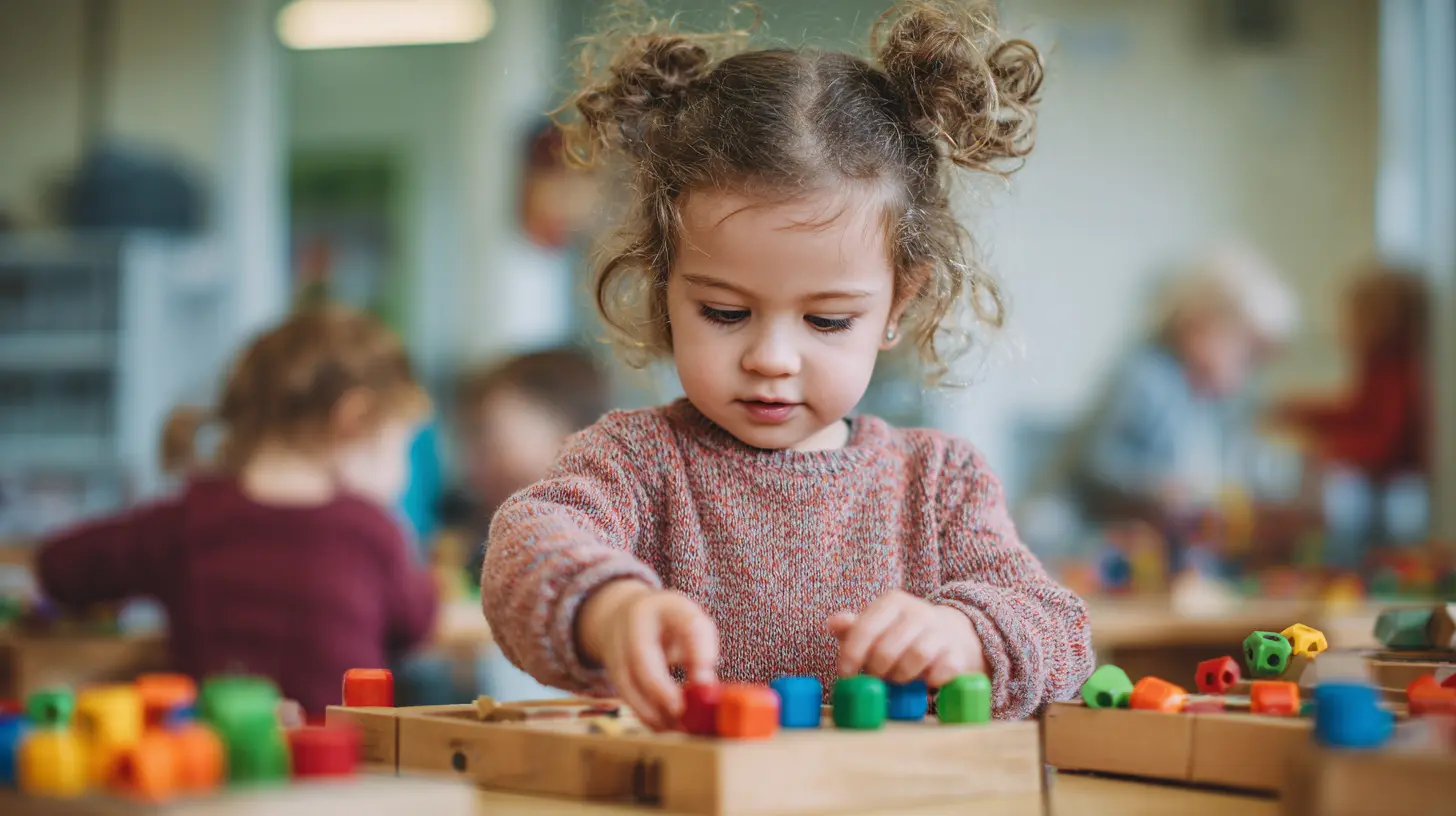
The Science of Play: Why It’s Not "Just" Fun and Games
You might be thinking, “This sounds lovely, but how does stacking blocks prepare my child for a competitive world?” Ah, that’s where the magic—and the science—comes in. When a child is deeply engaged in play, their brain isn’t just relaxed; it’s firing on all cylinders, building the complex neural architecture that underpins every future academic and life skill.Let’s break down the brain-building power of play:
* Executive Function: That epic cushion fort? It requires planning, focus, impulse control (“Don’t knock it over!”), and working memory—all core executive functions. These are the same skills that will later help them manage a multi-step math problem or write a persuasive essay.
* Social-Emotional Intelligence: Negotiating who gets to be the chef or the customer in a pretend restaurant is a masterclass in empathy, communication, and conflict resolution. They learn to read social cues, regulate their emotions, and collaborate. In a world where AI handles technical tasks, these human skills will be the ultimate currency.
* Cognitive Flexibility & Creativity: A stick becomes a sword, a magic wand, and a conductor’s baton in the span of an hour. This fluid thinking—the ability to see multiple possibilities in one object—is the bedrock of creativity and innovative problem-solving. We’re preparing kids for jobs that don’t exist yet, and rigid thinking won’t get them there.
By 2026, this scientific understanding won’t just be in academic journals; it will be common knowledge shared in pediatrician’s offices, parent workshops, and school board meetings, fundamentally changing how we measure “readiness.”
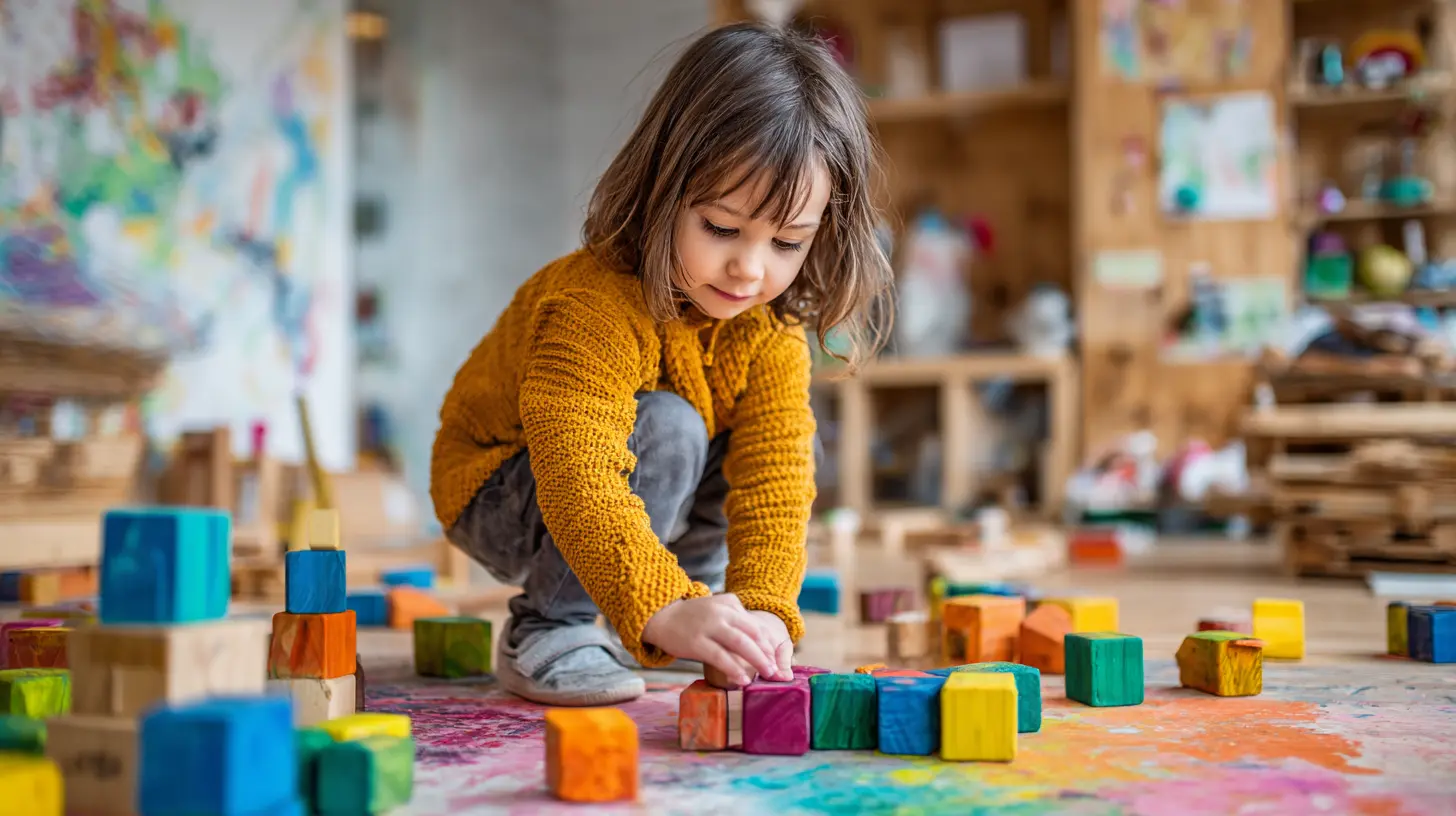
The Classroom of 2026: A Sneak Peek
So, what will this look like in practice? Walk into a pre-K or kindergarten classroom in 2026, and you’ll see a vibrant ecosystem of learning, not rows of desks.1. The Death of the Worksheet (And the Rise of the Provocation):
Gone are the piles of identical worksheets. Instead, educators will set up “provocations” or “invitations to play.” This might be a table with mirrors, translucent blocks, and flashlights to explore light and reflection. Or a sensory bin filled with kinetic sand, gems, and number cards for self-directed math exploration. The teacher’s role shifts from “sage on the stage” to a “guide on the side,” asking open-ended questions: “What do you notice?” “What happens if…?” “How could we solve this?”
2. Assessment Through Observation, Not Tests:
How do you know a child is learning if they aren’t filling in bubbles? Teachers will be skilled documentarians. Using digital portfolios (with photos, videos, and audio clips) and detailed observational notes, they will track a child’s progress across developmental domains. You’ll receive a portfolio showing your child’s journey in building persistence through a week-long block construction project, not just a score on a shape-recognition quiz.
3. Seamless Tech Integration (The Right Way):
Technology won’t be a babysitter on an iPad. It will be a creative tool integrated into play. Children might use a simple app to create a stop-motion animation of their clay characters, turning a play session into a storytelling and digital literacy project. Or they might use a digital microscope to examine the bugs they found in the garden, blending outdoor play with scientific inquiry.
4. The Erosion of the Wall Between “Indoor” and “Outdoor” Learning:
Classrooms will flow into nature, and nature will flow into classrooms. Mud kitchens, outdoor ateliers for painting with natural pigments, and gardens for tending will be seen as essential learning environments. The understanding that risk-taking, gross motor development, and a connection to the natural world are critical will push play-based learning beyond four walls.
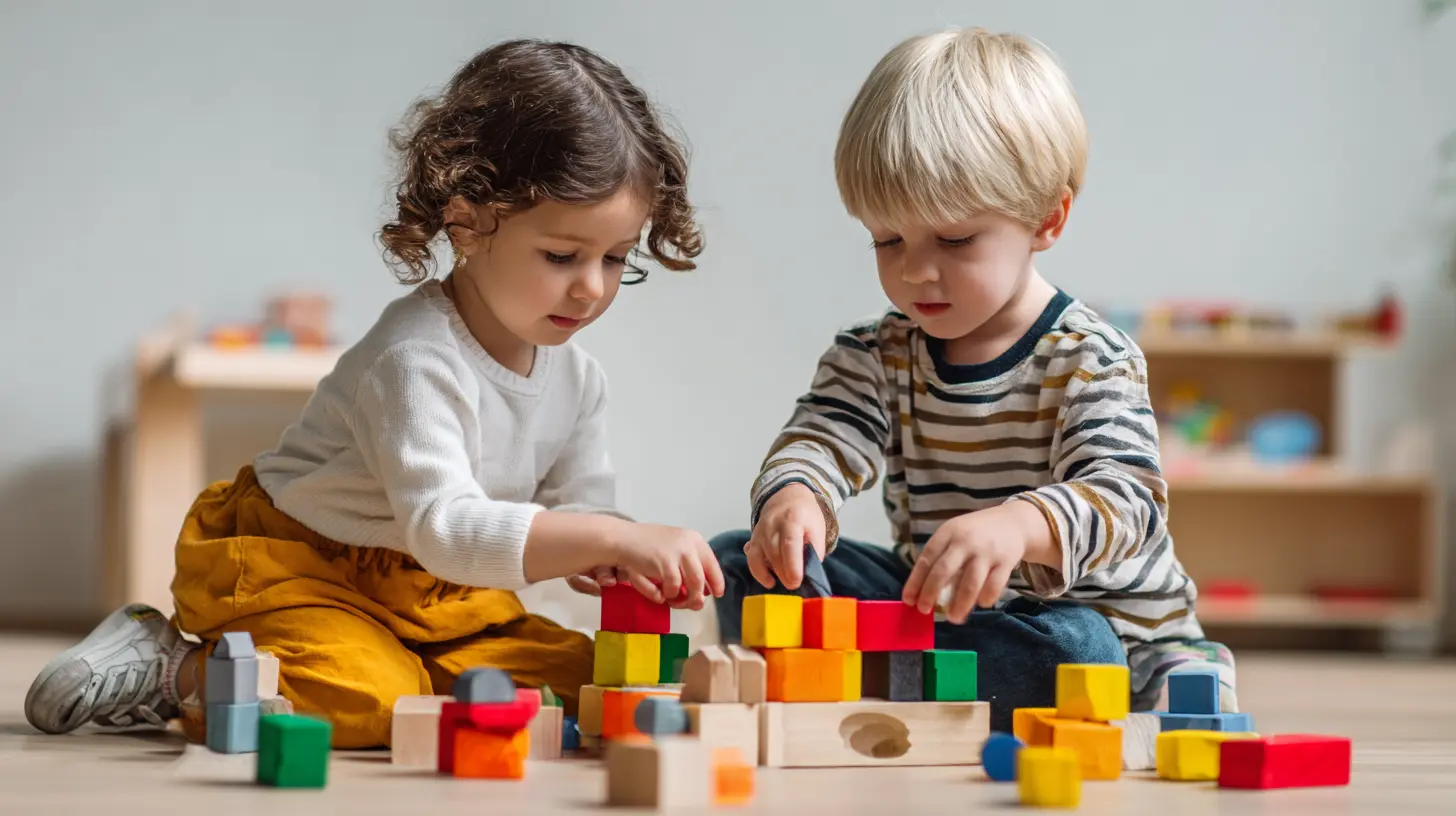
The Skills for an Unknown Future: Play as the Ultimate Prep
Here’s the core of the argument: we are educating children for a future we cannot clearly describe. The top skills demanded by the World Economic Forum—analytical thinking, creativity, resilience, flexibility—aren’t best learned through rote memorization. They are forged in the crucible of play.A child who has spent years negotiating complex social scenarios in pretend play is developing leadership and teamwork. A child who has experimented fearlessly, failing and trying again while building a marble run, is building resilience and an engineering mindset. Play-based learning doesn’t ignore literacy and numeracy; it provides a meaningful context for them. Counting how many rocks are needed to balance a scale is more powerful than reciting numbers. Writing a sign for their puppet show (“Tikits 50¢”) is authentic, motivated literacy.
By 2026, the most sought-after early childhood programs will be those that can convincingly demonstrate how their play-based curriculum is explicitly building these future-ready competencies. Parents will be partners in this understanding, valuing the deep learning report that shows their child’s problem-solving process over a simple grade.
Overcoming the Hurdles: The Path to 2026
This shift won’t happen without challenges. The biggest hurdle is the “Academic Achievement Gap” Myth. The pressure to push formal academics earlier is often driven by a fear that children, especially from underserved communities, will “fall behind.” However, research consistently shows that play-based, developmentally appropriate practices in early years lead to better long-term academic outcomes, including higher graduation rates. The true gap is an “Opportunity Gap”—a gap in access to high-quality, play-rich environments. The push by 2026 will be to close this opportunity gap, not by removing play, but by ensuring every child has access to it.Furthermore, teacher training and parent education will be critical. Educators need deep training in how to scaffold learning through play, and parents need reassurance that their child is indeed learning while digging in the mud. By 2026, we’ll see more robust professional development and community outreach programs bridging this understanding gap.
Your Role as a Parent in a Play-Based World
This revolution isn’t confined to school. Your home is the primary play-based learning environment. By 2026, you’ll feel more empowered than ever to trust your instincts.* Become a Curator, Not a Director: Offer open-ended materials (blocks, art supplies, dress-up clothes, loose parts like buttons and shells) and let your child lead. Your job isn’t to dictate the story of the play, but to provide the props and the space.
* Embrace Boredom: It’s the precursor to creativity. When your child says “I’m bored,” resist the urge to schedule an activity. That empty space is where imagination is born.
* Value the Process Over the Product: Ask “What was the most fun part of building that?” instead of “What is it?” The learning is in the doing, not in the perfect final tower.
The journey to 2026 is about a collective deep breath—a return to trusting the innate, powerful learning engine that is the playing child. It’s about building a world where education doesn’t stifle wonder but is fundamentally built upon it. The future of early childhood education isn’t about smaller chairs for younger kids; it’s about a bigger, bolder, and more joyful vision of how they truly learn. And it’s a future where our children won’t just be ready for school; they’ll be ready for life.
all images in this post were generated using AI tools
Category:
Play Based LearningAuthor:

Steven McLain
Discussion
rate this article
2 comments
Damian McBride
As we embrace play-based learning, let us remember that each moment of exploration nurtures not just knowledge, but curiosity, creativity, and the essence of childhood itself.
April 20, 2026 at 3:23 AM
Steven McLain
Absolutely! Play-based learning fosters essential skills and values that shape children's development, paving the way for a brighter future in education.
Mitchell Hardy
Play today, pros tomorrow—seriously!
April 17, 2026 at 2:59 AM
Steven McLain
Absolutely! Play lays the groundwork for future skills. It's all about fostering creativity and problem-solving early on.