From Tantrums to Teenagers: Coping with Different Parenting Stressors
12 May 2026
Let’s be real—parenting isn’t a walk in the park. It’s more like a rollercoaster ride with unexpected twists, screaming passengers (ahem, kids), and moments of sweet joy that make all the chaos worth it. From toddler tantrums that leave you questioning your life choices to teenage rebellion that has you Googling boarding schools at 2am—parenting stress is real, relentless, and totally normal.
But here’s the good news: you're not alone. Every parent has white-knuckled their way through their own version of this journey. And while there's no magic manual, there are tools, strategies, and a whole lot of solidarity to help you cope, breathe, and even laugh through the mayhem.
Grab your coffee (or let’s be honest, your lukewarm third cup), and let’s dive into how to handle these parenting stressors at every stage—and maybe even enjoy the ride.
Table of Contents
1. The Early Years: Toddlers, Tantrums, and Tired Parents2. Middle Childhood: The Eye-Roll Era
3. The Tween Zone: The Identity Crisis Begins
4. Teen Years: Buckle Up, It's a Wild Ride
5. Parenting Stress: Why It’s Normal and What to Do About It
6. Self-Care Isn’t Selfish—It’s Survival
7. Final Thoughts: You’re Doing Better Than You Think

The Early Years: Toddlers, Tantrums, and Tired Parents
Ah, the toddler years. They're adorable one moment and apocalyptic the next. One minute you're clapping because your child said "please," and the next, you're negotiating with a jelly-smeared dictator who refuses to wear pants.The Tantrum Tornado
Tantrums are not just meltdowns—they're mini storms of emotion. Your little one is learning to express big feelings in a tiny body without the words to explain what’s wrong. Is it exhausting? Absolutely. But it’s also developmentally normal.Quick Tips for Tantrum Survival:
- Stay calm. (Easier said than done, we know.)
- Get on their level—literally. Eye contact helps.
- Offer simple choices: “Do you want the blue cup or the red one?”
- Remember: It’s not personal. It’s brain development in action.
Sleepless Nights and Never-Ending Days
Sleep deprivation during these years is no joke. You might feel like a zombie with diaper wipes stuck to your pajamas—and that’s okay. You are doing the work of three people on two hours of sleep. Be gentle with yourself.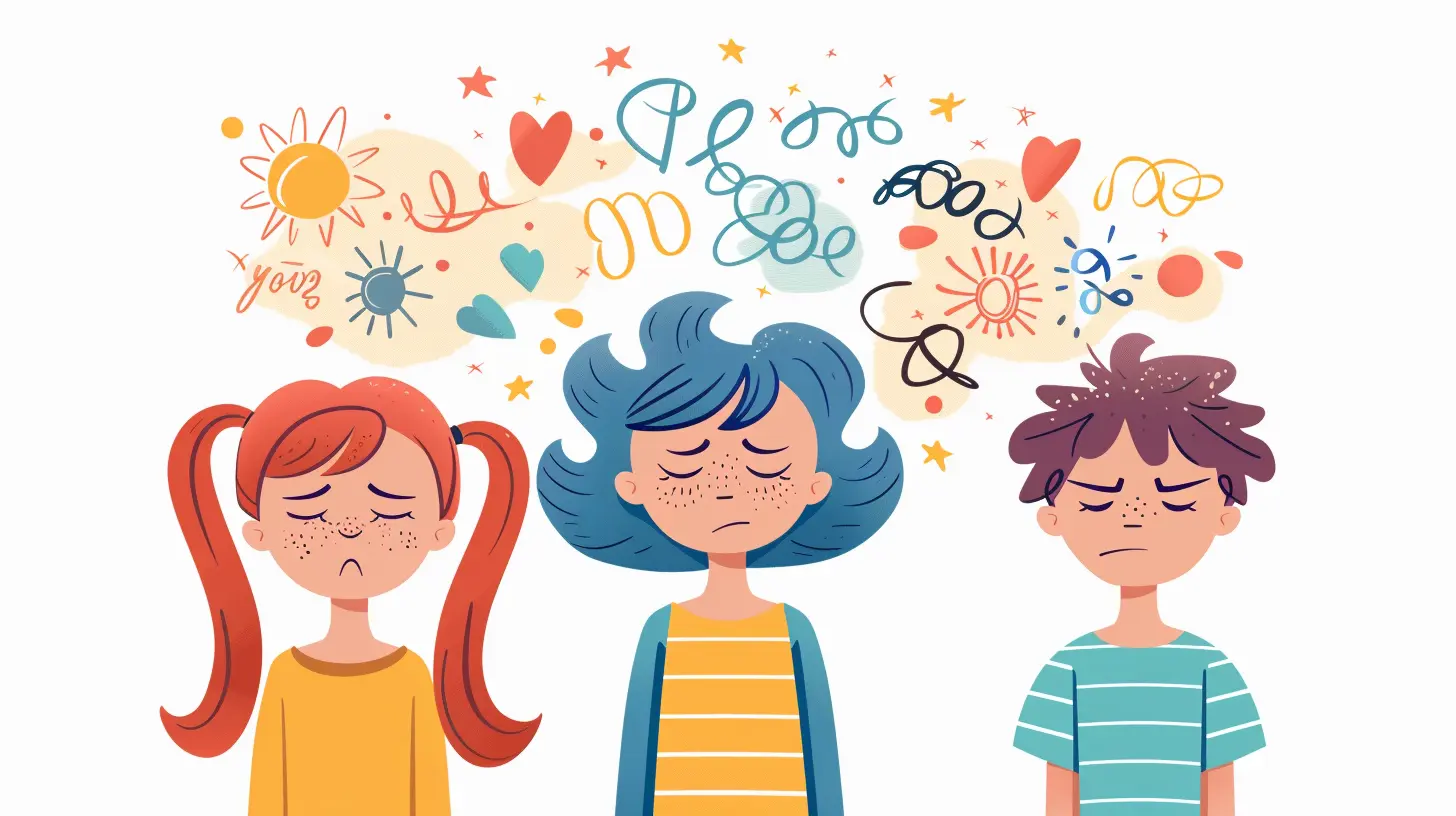
Middle Childhood: The Eye-Roll Era
Just when you think you've got this whole parenting thing down, your six-year-old starts throwing shade with their eyes. Welcome to middle childhood—the time of growing independence, new attitudes, and a boatload of questions.“Why?” on Repeat
Kids in this stage are like little philosophers. “Why is the sky blue?” “Why do I have to eat broccoli?” “Why can't I play video games all night?” Sometimes you feel like you're being cross-examined by a very small lawyer.Pro Tip: Encourage curiosity, but set firm boundaries. You’re still the boss (even when they act like they’re running the show).
School Stress, Social Stuff, and Self-Esteem
This is the age where school challenges, friendships, and self-image start to take shape. Your child might be dealing with bullying, academic pressure, or feeling left out—and you’ll feel it all too.- Talk often and listen more.
- Create a safe space to share emotions.
- Help them name their feelings (because sometimes angry really means scared).
The Tween Zone: The Identity Crisis Begins
Tweens (ages 9–12) are in that weird, in-between stage. They’re not little kids, but they’re not full-blown teens. Cue the mood swings, the sudden obsession with deodorant, or the refusal to shower at all.Body Changes Can Bring Big Feelings
Puberty begins, and suddenly everything changes. Hormones take over like uninvited guests who won't leave. Be their steady ship in a sea of confusion.- Normalize the changes.
- Share your own (age-appropriate) experiences.
- Make sure they know they’re not alone.
Seeking Independence While Still Needing You
They crave freedom, but they desperately need a soft place to land. Let them take small risks and cheer them on when they trip. You’re building resilience—and trust.Teen Years: Buckle Up, It's a Wild Ride
If parenting toddlers is like herding cats, parenting teenagers is like negotiating with cats who now drive and have strong opinions about politics, relationships, and your music choices.Pushback is Normal (Even Healthy)
Teens are wired to push boundaries—it’s how they figure out who they are. That doesn’t mean you should roll over. It means setting limits with compassion and consistency.Don’t take it personally. The eye rolls, the sass, the slammed doors—all of it is part of the process. Stay connected, even when they act like they don’t want you to. Spoiler alert: they still need you. A lot.
The Big Stuff: Phones, Friends, and Firsts
From first loves to peer pressure to the never-ending vortex of social media—this stage can feel like a minefield.- Have honest, open conversations—even the awkward ones.
- Monitor without smothering.
- Keep the lines of communication open, no matter what.
Parenting teens requires finesse, flexibility, and a sense of humor. It’s not about control—it’s about connection.
Parenting Stress: Why It’s Normal and What to Do About It
No matter the age of your child, parenting stress is inevitable. Some days you're the patient, wise, Pinterest-perfect parent. Other days, you're hiding in the bathroom eating chocolate. That’s life.Common Stressors Include:
- Sleep deprivation- Financial pressure
- Work-life balance
- Discipline challenges
- Guilt (so much guilt)
Recognize your triggers and give yourself permission to feel them. You can't pour from an empty cup.
Coping Strategies That Actually Help
- Talk to other parents (community = sanity)- Practice mindfulness or deep breathing
- Set realistic expectations (perfection is a myth)
- Celebrate small wins (like getting everyone out the door with matching shoes)
Self-Care Isn’t Selfish—It’s Survival
Let’s bust the myth: good parenting doesn’t mean losing yourself. In fact, one of the best things you can do for your kids is to take care of you.Yes, it’s hard. The days are long, the lists are endless, and the guilt is real. But you can’t show up for your family if you’re constantly burnt out.
Easy Self-Care That Doesn’t Require a Spa Day
- Wake up 10 minutes before the kids for quiet time- Enjoy that cup of coffee sitting down (imagine!)
- Say no to one thing this week
- Move your body—even a short walk counts
- Laugh. At yourself. At memes. At parenting podcasts.
You deserve to feel good, too.
Final Thoughts: You’re Doing Better Than You Think
Parenting isn’t about perfection. It’s about showing up—day after day, meltdown after meltdown, eye roll after eye roll. It’s messy and magical and exhausting and beautiful.From tantrums to teenagers, every stage has its moments of joy and moments that make you want to scream into a pillow. And through it all, you’re growing too—not just as a parent, but as a person.
So cut yourself some slack. Hug your babies, listen to your teens, and give yourself a gold star for making it through today. You’ve got this.
all images in this post were generated using AI tools
Category:
Parenting StressAuthor:

Steven McLain
Discussion
rate this article
2 comments
Fenn Hill
Parenting challenges shift as kids grow, but the core remains: stay engaged and adapt. Embrace the chaos of tantrums and the complexities of teenagehood. Each stage offers lessons; trust your instincts and remember, you're not alone in this journey.
July 4, 2026 at 4:07 AM
Steven McLain
Absolutely, each stage brings its own set of challenges. Staying engaged is key, and it's comforting to know that we're all in this together. Trusting ourselves makes a big difference.
Gunnar Reynolds
Parenting is a journey filled with unexpected challenges. Each stage, from tantrums to teen years, brings its own stressors. Embracing the chaos and finding support helps us grow alongside our children, shaping both their lives and our own.
May 29, 2026 at 4:13 AM
Steven McLain
Absolutely, every stage offers unique hurdles. Embracing the chaos really does make the journey rewarding.