Easing the Transition to Middle School in 2027
4 September 2026
The shift from elementary school to middle school has always been a seismic event in a child's development. But the cohort entering sixth grade in 2027 is different. These are children born roughly in 2015 and 2016. They spent their earliest school years navigating pandemic disruptions, and they are now entering adolescence in a world where artificial intelligence is embedded in their homework, social media is under regulatory siege, and the very definition of friendship is being rewritten by algorithm-driven platforms. The traditional advice about lockers and changing classes feels almost quaint. What these students face is not just a new building, but a new cognitive and social ecosystem.
Parents often look for a checklist: buy the right backpack, practice the locker combination, attend the orientation. Those steps matter, but they barely scratch the surface. The real work of easing this transition in 2027 involves understanding how the middle school environment has fundamentally changed, and how your child's brain is processing that change in real time. This article breaks down the transition into its core components: executive function demands, social dynamics in a post-app world, the shifting role of parental oversight, and the specific academic hurdles that appear when teachers assume students can already manage their own time. Each section offers concrete strategies, but more importantly, it explains why those strategies work, and when they might backfire.
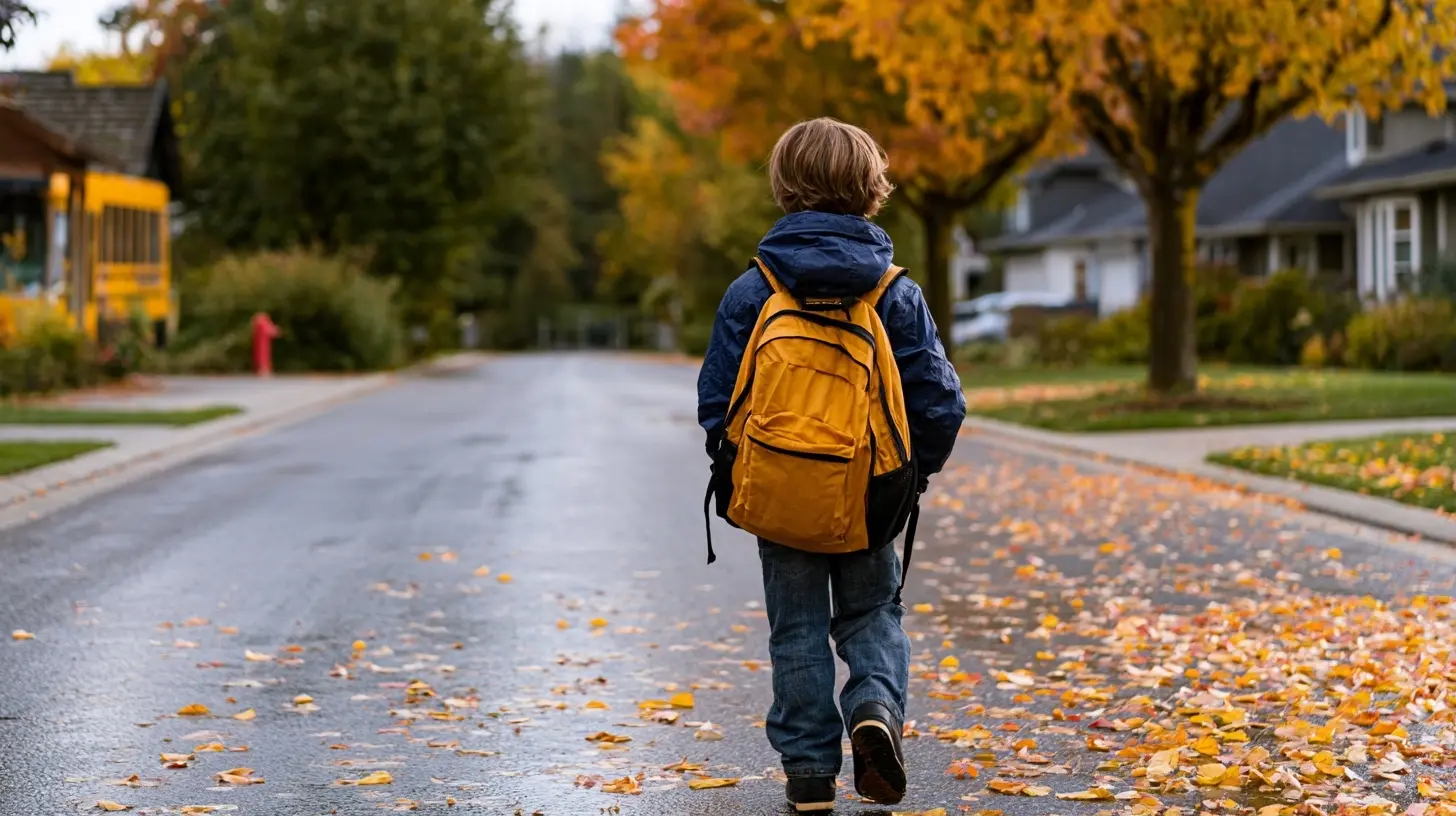
The Executive Function Cliff
The single biggest academic shock in middle school is not harder math. It is the sudden disappearance of the single teacher who reminded you to turn in your permission slip. In elementary school, one adult holds the entire schedule in their head. In middle school, your child has six or seven teachers, each with different expectations, different late-work policies, and different levels of tolerance for missing homework. This is the executive function cliff, and it hits hardest in the first eight weeks of sixth grade.Executive function is the brain's air traffic control system. It manages working memory, cognitive flexibility, and inhibitory control. In plain terms, it is the ability to hold a multi-step instruction in your head, switch between tasks without losing your place, and resist the urge to check your phone when you should be writing a lab report. The prefrontal cortex, which houses these skills, is not fully developed until the mid-twenties. For an eleven-year-old, expecting flawless executive function is like expecting a toddler to ride a bike without training wheels. They will fall. The question is whether the fall teaches resilience or creates chronic anxiety.
What makes 2027 different is the fragmentation of attention. These children have grown up with short-form video content that delivers a dopamine hit every fifteen seconds. Their brains are not broken, but they are trained to expect rapid reward cycles. A forty-five-minute class period with a fifteen-minute independent reading assignment feels like an eternity to a brain accustomed to swiping. This is not a moral failing. It is a neurological adaptation to their environment. The middle school curriculum, however, has not adapted. It still expects sustained, linear attention.
What Actually Works
The most effective strategy is not to punish forgetfulness but to externalize the organizational load. Buy a physical planner, not just a digital one. Research on handwriting suggests that the act of writing something down encodes it more deeply in memory than typing it. But the bigger benefit is that a physical planner is visible. It sits on the desk. It cannot be hidden behind a notification badge. Every Sunday evening, sit with your child for fifteen minutes and lay out the week. Do not do it for them. Ask questions: "What is due on Thursday? What materials do you need for the science project? When is the best time to start that essay?" This is scaffolding, not helicoptering. You are building the neural pathway, but they are doing the walking.A common mistake is to assume that digital tools solve this problem. Many schools issue Chromebooks or iPads, and there are dozens of planner apps designed for students. But in 2027, the average sixth grader has a smartphone, a school device, and possibly a tablet. Each has its own notification system, its own app store, and its own distraction vector. A digital planner is only useful if the child can resist the urge to open TikTok while checking the homework list. Most cannot. The physical planner is not a nostalgic throwback. It is a deliberate friction point that reduces the chance of accidental distraction.
The Trade-off of Natural Consequences
Some parenting experts advocate for letting children fail early and often. The logic is that if they forget their homework in September, they will learn to check their bag by October. There is truth to this, but it requires a safety net. The middle school grading system in many districts still counts homework as a significant percentage of the grade. A child who fails four assignments in the first month may find themselves in a hole that is mathematically difficult to climb out of, even with perfect performance later. This creates a sense of hopelessness that is far more damaging than the original forgetfulness.The better approach is a tiered intervention. For the first two weeks, allow natural consequences for minor items like forgetting a pencil or missing a non-graded activity. But for graded assignments, set up a check-in system. Ask your child to show you their completed homework before they put it in their bag. Do not check the content for accuracy. Check for completion and physical placement in the correct folder. After two weeks, step back to every other day. By the end of the first quarter, you should be doing nothing more than asking, "Anything due tomorrow?" If the answer is consistently accurate, you have done your job. If not, you need to rebuild the scaffolding.
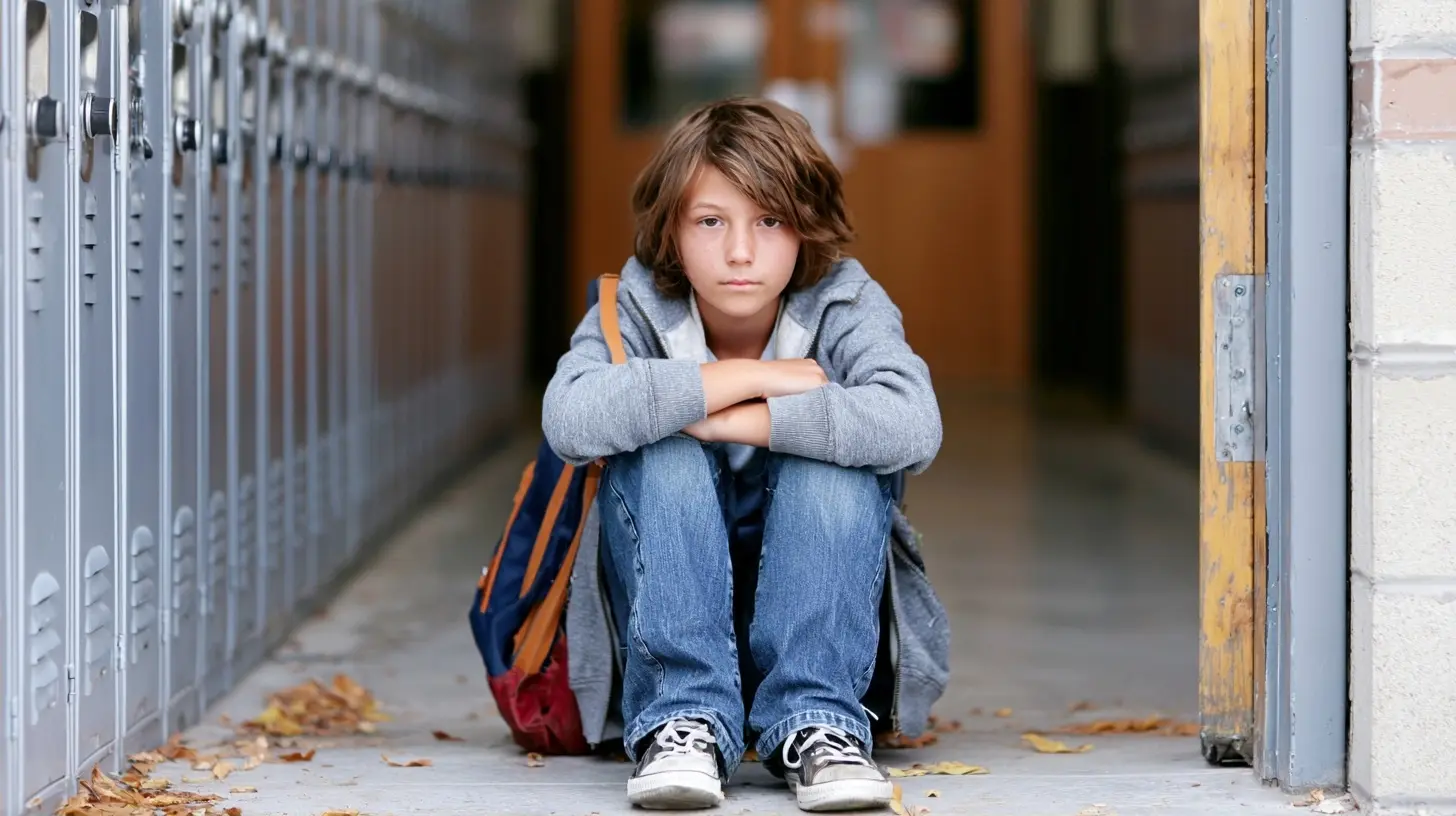
The Social Minefield of 2027
The social landscape of middle school has always been brutal. But the 2027 version has a unique feature: the social graph is no longer confined to the school building. Your child's social life is a 24/7 stream of group chats, Snapchat streaks, and Instagram stories. The fight that happened at lunch does not end at 3:00 PM. It continues in a group chat where screenshots are taken, alliances are formed, and someone is inevitably left on read. This is not a side effect of social media. This is the primary arena where social status is now negotiated.The critical difference from previous generations is the permanence and scale of social errors. In 2005, a child said something embarrassing in the cafeteria, and maybe fifty people heard it. By the next day, it was forgotten. In 2027, that same comment is typed into a group chat, screenshotted, and shared with a wider network within minutes. The audience is not fifty people. It is five hundred. And it does not fade from memory because it exists as a digital artifact. This creates a level of social anxiety that is qualitatively different from what parents experienced.
Group Chat Dynamics and the Fear of Missing Out
The group chat is the new lunch table. But unlike the lunch table, you cannot leave. The group chat is always on. It buzzes at 10:00 PM, and if your child does not respond, they risk being perceived as ignoring the group. If they do respond, they are awake and stimulated, which impairs sleep, which impairs emotional regulation, which makes them more reactive the next day. This is a vicious cycle.Parents often ask whether they should monitor the group chats. The answer is nuanced. Full surveillance is impractical and breeds distrust. Zero monitoring is irresponsible. The middle ground is to have a rule that all devices are charged overnight in the kitchen, not in the bedroom. This is not a punishment. It is a sleep hygiene intervention. The group chat can wait until morning. The child who is well-rested is better equipped to handle social slights with equanimity.
Another practical step is to teach your child the concept of the "gray rock" response. When someone is trying to provoke a reaction in a chat, the gray rock technique involves responding with neutral, uninteresting answers. "Okay." "That's cool." "Yeah." This denies the provoker the emotional payoff they seek. It is not avoidance. It is strategic disengagement. Practice this with your child through role-play. Give them a script for how to exit a conversation that is turning toxic. "I have to go. My mom needs the phone." This is not lying. It is a socially acceptable exit strategy.
The Friendship Reorganization
Middle school also triggers a natural friendship reorganization. The best friend from third grade may now be in a different track, a different homeroom, or a different social stratum. This is painful for parents to watch because we remember our own losses. But it is developmentally necessary. Children need to learn how to make new friends, not just maintain old ones. The child who clings to a single friendship is at higher risk for social isolation if that friendship dissolves.Encourage your child to join at least one extracurricular activity that meets outside of school hours. This could be a sport, a robotics club, a theater group, or a volunteer organization. The key is that it must be something where they are forced to interact with children who are not in their immediate school circle. This diversifies their social portfolio. If the school social scene implodes, they still have a separate group of friends. This is the social equivalent of not putting all your money in one stock.
A common misconception is that parents should solve their child's friendship problems by intervening with other parents. This almost always backfires. In 2027, children are acutely aware of social hierarchies, and having a parent fight your battles is a status killer. Unless there is clear evidence of bullying, harassment, or exclusion that violates school policy, stay out of the direct conflict. Instead, be a sounding board at home. Ask open-ended questions like, "How did that make you feel?" and "What do you think you could do differently tomorrow?" This builds emotional intelligence, which is a far more durable skill than any single friendship.
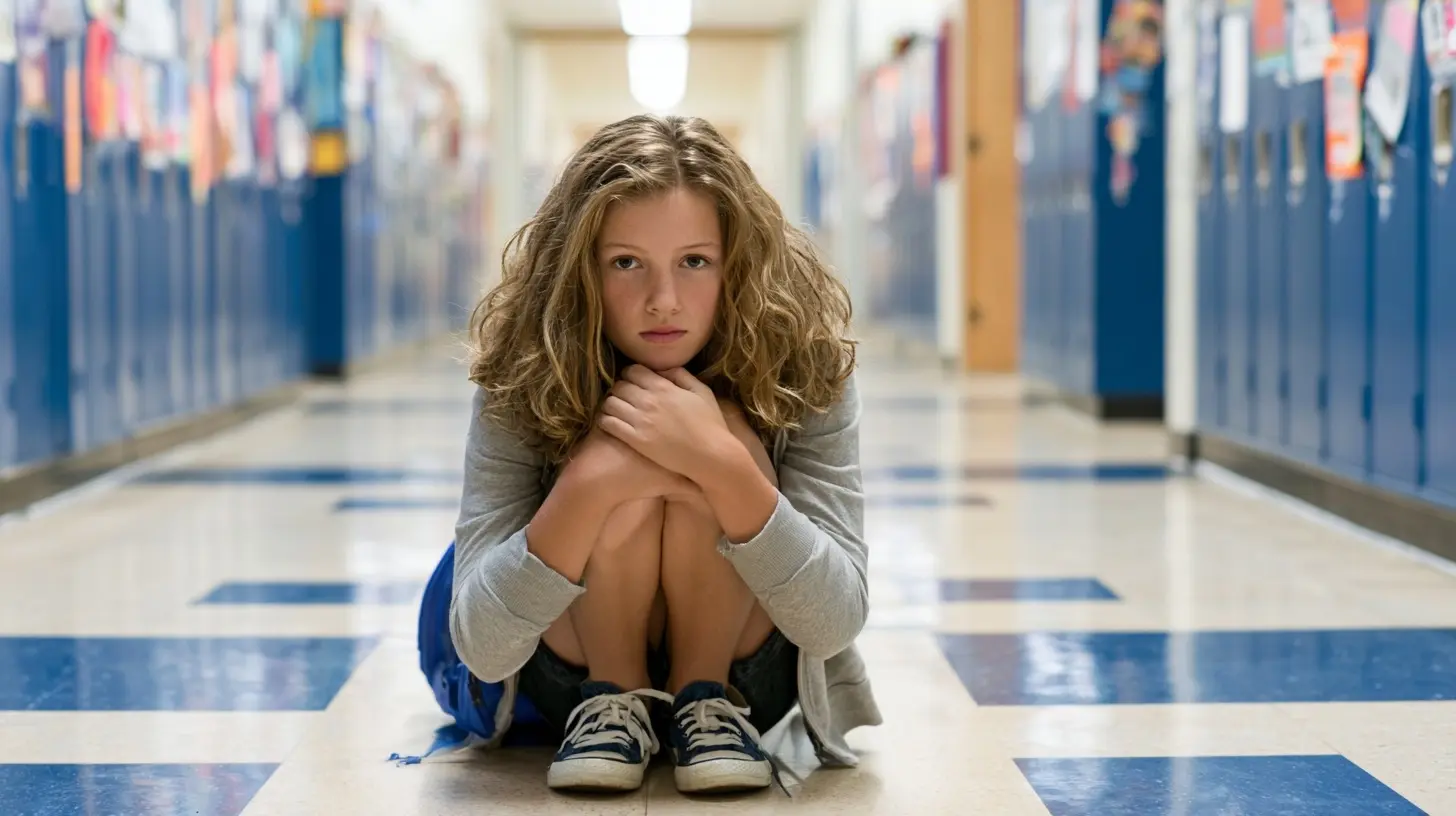
The Academic Shift: From Learning to Read to Reading to Learn
In elementary school, the primary academic task is skill acquisition. Children learn to decode words, perform basic arithmetic, and write simple paragraphs. In middle school, the task shifts to knowledge application. They are now expected to read a textbook chapter on the Louisiana Purchase and extract the key causes and effects. They are expected to write a five-paragraph essay that synthesizes information from two different sources. This is a massive cognitive leap, and it is often the unspoken reason why previously high-achieving students suddenly struggle.The 2027 twist is the presence of generative AI. Students can now ask an AI chatbot to write their essay, solve their math problem, or summarize their reading. This is both a threat and an opportunity. The threat is obvious: if a child outsources their thinking, they do not develop the neural pathways necessary for complex reasoning. The opportunity is that AI can serve as a personalized tutor, explaining a concept in five different ways until it clicks. The parent's job is to ensure that AI is used as a tool for understanding, not as a substitute for effort.
How to Set AI Boundaries
The first step is to have an explicit conversation about what is allowed. Many schools have honor codes that prohibit AI use without teacher permission. But the reality is that enforcement is nearly impossible. You cannot tell if a paragraph was written by a human or a language model, especially if the student has edited it. Therefore, the rule must come from home.A practical policy is the "blank page first" rule. Your child must produce a rough draft of any writing assignment entirely on their own, without AI assistance. This draft can be messy, poorly organized, and full of spelling errors. That is fine. The point is that the thinking must be theirs. After the draft is complete, they may use AI as a proofreader or a suggestion engine. They can ask, "How can I make this thesis stronger?" or "What are some transition phrases I could use here?" This preserves the cognitive work while leveraging the technology for polish.
This rule works because it forces the child to engage with the material before seeking external help. The most common mistake is allowing AI to be the first stop. When that happens, the child reads the AI output, thinks it sounds smart, and submits it without understanding the content. They may get a good grade, but they have learned nothing. The grade is meaningless if the knowledge is absent.
The Reading Volume Problem
Middle school teachers assume that students can read at a certain pace. In 2027, that assumption is increasingly false. The average child spends more time watching short-form video than reading long-form text. Their visual cortex is highly developed for processing rapid image changes, but their language processing centers are not practiced at sustaining attention over a twenty-page chapter. This is not a comment on intelligence. It is a comment on practice.The solution is not to force more reading. It is to make reading more frequent and less intimidating. Set a rule that your child reads for twenty minutes per day, but the material can be anything: a graphic novel, a sports biography, a fantasy series, or even a well-written blog post. The goal is to build the stamina for sustained silent reading. Once that stamina exists, the textbook chapters become manageable. If your child resists, read alongside them. Model the behavior. The parent who reads on the couch while the child reads on the floor creates a shared experience that is far more effective than a lecture about the importance of literacy.
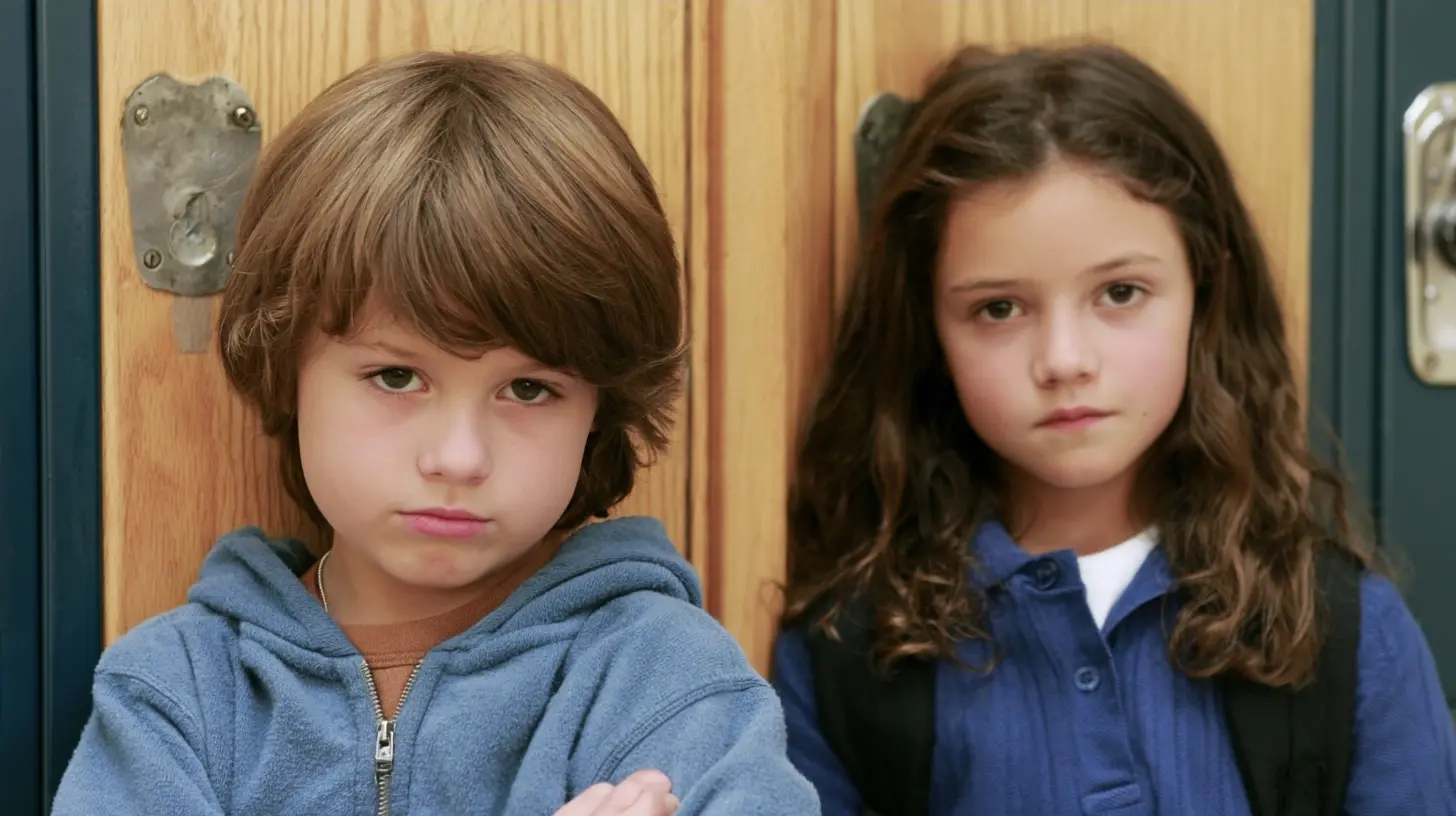
The Role of the School: What to Demand and What to Accept
Not all middle schools are created equal. Some have robust advisory programs where a dedicated teacher checks in with a small group of students daily. Others have a purely academic model where students are expected to sink or swim. As a parent, you need to understand which model your school uses and adjust your involvement accordingly.If your school has an advisory period, use it. Attend the parent-teacher conferences that are specifically about social-emotional learning, not just grades. Ask the advisor specific questions: "Is my child eating lunch with someone?" "Does my child seem engaged during group work?" "Have you noticed any signs of withdrawal?" These are the questions that reveal the true state of the transition. Academic grades are lagging indicators. Social and emotional well-being are leading indicators.
If your school does not have an advisory program, you need to be more proactive. Request a meeting with the school counselor in the first month, not the first crisis. Introduce yourself and your child. Explain any relevant context, such as a recent move, a divorce, or a diagnosis of anxiety. This is not burdening the counselor. It is providing them with useful information that helps them do their job. Counselors cannot help students they do not know exist.
The Comparison Trap
One of the most damaging things a parent can do during this transition is to compare their child's experience to their own. "When I was in middle school, I walked to school uphill both ways" is a joke, but the underlying sentiment is real. Parents often expect their children to navigate the transition with the same resilience they did, forgetting that the environment is fundamentally different. The social pressure is more intense, the academic demands are higher, and the digital distraction is omnipresent.Instead of comparing, focus on the individual. Ask your child what they are worried about, and take those worries seriously. If they say they are scared about changing classes, do not dismiss it. Walk the schedule with them over the weekend. If they are scared about the lunchroom, practice what they will say when they cannot find a seat. These small rehearsals build confidence. They also signal to your child that their feelings are valid, which is the foundation of a trusting relationship.
When to Seek Professional Help
Most children will experience some level of anxiety during the first month of middle school. This is normal. It manifests as stomachaches, irritability, or a sudden reluctance to go to school. Usually, this fades by the end of September. But there are red flags that indicate the transition is causing genuine harm. These include persistent refusal to attend school, a significant drop in grades across all subjects, changes in sleep or appetite lasting more than two weeks, or statements about self-harm or hopelessness. If you see these signs, do not wait for the parent-teacher conference. Contact your pediatrician and the school counselor immediately.The threshold for seeking therapy is lower than most parents think. You do not need to wait for a crisis. A therapist can help a child develop coping strategies for anxiety, social skills for navigating group dynamics, and organizational strategies for managing the academic load. This is not a sign of failure. It is a sign of proactive parenting. The cost of therapy is often far lower than the cost of a child who develops chronic school avoidance or a clinical anxiety disorder.
The Long View
The transition to middle school is not a single event. It is a process that unfolds over the entire sixth-grade year. The child who struggles in September may be thriving by March. The child who seems fine in October may hit a wall in January when the novelty wears off and the workload intensifies. Your job is not to prevent every struggle. It is to be a steady presence who provides structure, empathy, and perspective.In 2027, the most valuable skill you can teach your child is not how to get an A. It is how to recover from a bad day. The child who forgets their homework and gets a zero, then figures out how to talk to the teacher and submit it late for partial credit, has learned more than the child who never makes a mistake. The child who has a fight with a friend and then repairs the relationship has built a social muscle that will serve them for decades. The child who fails a quiz and then studies differently for the next one has developed a growth mindset.
The middle school years are not about avoiding pain. They are about learning that pain is survivable, that failure is informative, and that adults are there to help, not to judge. If you can communicate that message through your actions, your words, and your consistent presence, you will have done more than ease a transition. You will have equipped your child for the rest of their life.
all images in this post were generated using AI tools
Category:
Dealing With FearsAuthor:

Steven McLain
Discussion
rate this article
1 comments
Selene McCarty
Middle school can be tough for kids. Keep communication open, listen to their worries, and encourage them to build friendships. Support goes a long way.
October 3, 2026 at 3:25 AM
Steven McLain
Absolutely, staying connected and supportive can make a big difference during this challenging time. Thank you for the reminder.