Encouraging Your Child to Speak Up About Their Fears
26 February 2026
As parents, we want to think we know everything about our kids—their favorite snacks, the shows they binge-watch, what makes them laugh out loud. But sometimes, there's a part of their world we miss: their fears. Yup, those big, scary feelings they try to tuck away like dirty laundry under the bed.
Truth is, no matter how bubbly or bold your child may seem, they sometimes battle invisible monsters—fears of the dark, failing at school, being left out, or even just saying the wrong thing at the wrong time. And often, they're afraid to admit it.
So how do we open that door? How do we encourage them to speak up without making them feel judged, embarrassed, or like they're disappointing us? That’s exactly what we’re going to chat about here.
Let’s dig in.
Why Kids Hide Their Fears
First, let’s get something straight: hiding fear is normal. Even adults do it. Think about the last time you were scared stiff but smiled anyway. Our little ones aren’t any different.Here are a few reasons why kids keep their fears under wraps:
- They don’t want to seem weak. Even little kids want to be "brave" and “grown-up.”
- They don’t always have the words to explain what they’re feeling.
- They fear being laughed at or brushed off.
- They’re scared of worrying you. Kids are more empathetic than we give them credit for.
Knowing this helps us shift our approach. It's not that they don't want to talk—sometimes, they just don’t know how to start. 
Creating a Safe Space for Conversations
Okay, picture this: You’re sitting at a cozy café with a friend. There’s soft lighting, warm drinks, and zero pressure. You feel seen, heard, and comfortable enough to spill your guts. That’s the kind of space we want to create for our kids—but in our homes.Here’s how to do just that:
1. Be Calm and Present
Kids are like emotional sponges. If you're distracted, anxious, or judgmental, they'll pick up on it and keep things bottled up. Make time to just be with them—no phones, no chores buzzing in your head.2. Let the Little Stuff Count
When your child opens up about something that seems small—like being scared of a cartoon character—don’t laugh it off. If they feel heard with the little stuff, they’ll come to you with their bigger fears too.3. Be Curious, Not Interrogative
Instead of rapid-fire questions like “Why didn’t you say anything before? Who else knows? Are you telling the truth?” try something softer like, “That must’ve felt really tough. Want to talk about it?”
Spotting the Silent Signs of Fear
Not every fear comes with tears or tantrums. Sometimes it's sneakier. If your child isn’t talking, they might still be showing signs in other ways.Watch out for:
- Changes in behavior – clinginess, sudden silence, aggressiveness, or avoidance.
- Physical symptoms – stomachaches, headaches, or always feeling “sick.”
- Sleep issues – nightmares, not wanting to sleep alone, or staying up late.
- Unexpected school struggles – dropping grades or reluctance to go to school.
Fear can wear many masks. Our job is to play detective—not judge, but understand.
Talk Their Language
You don’t need to have a psychology degree to connect with your child on an emotional level. You just need heart, patience, and some creativity.Here’s how to speak in a way that invites them in:
1. Use Stories and Analogies
Kids love stories, so make one up! If your daughter’s afraid to raise her hand in class, tell her a story about a little bunny who was scared to speak in the forest council—but did it anyway. Stories stick, and they give fears a safe context.2. Use “I” Statements
Instead of saying, “You always shut down,” try, “I’ve noticed you seem upset after school, and I care about how you’re feeling.” See the difference? It feels less accusing and more loving.3. Normalize Emotions
Say things like:- “Everybody gets scared sometimes—even grown-ups.”
- “It’s okay to feel nervous before trying something new.”
- “You’re not alone. I used to feel the same way when I was your age.”
Validation is like a warm hug for the soul.
Tools That Help Kids Open Up
Sometimes talking isn’t enough—or isn’t something your child is ready for. That’s okay. We’ve got some other tools up our sleeve.1. Draw It Out
Give them crayons, pens, markers—whatever. Ask them to draw what “scared” looks like. You might be surprised by what spills out on paper.2. The “Worry Box”
Create a box where your child can drop notes about things that scare or worry them. You can open it together at the end of the day or week and chat about what’s inside. It’s a safe, private way for them to start sharing.3. Role Play
Act out situations with stuffed animals or action figures. Got a child who fears asking to use the restroom at school? Let Mr. Teddy bear handle that scene first. It’s silly—but it works.4. Books Are Magic
There are tons of children’s books that talk about fear, anxiety, and courage. Reading one together can spark conversations more naturally than a direct Q&A.What NOT to Do When Your Child Faces Fear
Let’s take a moment to hit the pause button and talk about what to avoid. Even with the best intentions, we sometimes miss the mark.Here’s what to steer clear of:
- Don’t dismiss their fear. “You’re being dramatic” or “There’s nothing to be scared of” shuts them down.
- Don’t force them to talk. The more you push, the more they’ll pull away.
- Avoid comparing them to others. Saying “Your sister was never scared of that” only adds shame.
- Don’t joke about their fears. Laughter is great—until it’s at their expense.
Remember, you’re not trying to fix them. You’re trying to be there for them.
Encourage, Don’t Pressure
Encouraging your child to speak up is like planting a garden. You can’t yank a flower out of the ground and expect a bloom—you water it, give it sunlight, and wait.Celebrate small steps—like them saying “I’m nervous” or asking you to stay a little longer at bedtime. These aren’t just wins. They’re breakthroughs.
Use phrases like:
- “I’m proud of you for telling me how you feel.”
- “That was really brave. How do you feel now?”
- “It’s okay to need help. I’m always here.”
Those words? They're the seeds of confidence.
When It’s Time to Seek Help
Sometimes, fears grow taller than us, and that’s when it’s perfectly okay to ask for professional help. If your child’s fear is interfering with daily life—like disrupting school, friendships, or sleep—talk to a pediatrician or child therapist.There’s no shame in needing support. In fact, it’s a powerful life lesson for your child: asking for help is brave.
Wrapping It Up
Raising kids isn't about having all the answers—it's about showing up, again and again, so they never have to face their fears alone. When you create a space where your child feels safe, listened to, and loved, you're giving them the tools to face the world head-on.So, the next time your little one grips your hand a bit tighter or hesitates before speaking, lean in. Ask gentle questions, listen with your whole heart, and remind them that their feelings matter—even the scary ones.
Because when kids learn that sharing their fears won’t push us away—but bring us closer—those fears start to shrink, one brave word at a time.
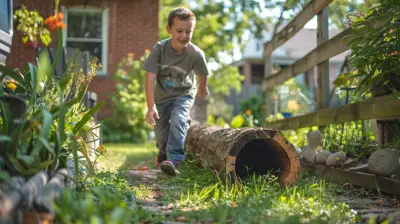
all images in this post were generated using AI tools
Category:
Dealing With FearsAuthor:

Steven McLain
Discussion
rate this article
2 comments
Rachael Perez
A thoughtful approach to nurturing open communication about fears fosters trust and resilience in children. Great insights shared here!
March 1, 2026 at 5:49 AM
Steven McLain
Thank you! I'm glad you found the insights valuable. Nurturing open communication is so important for building that trust.
Mason McNaughton
Monsters under the bed need names!
February 27, 2026 at 6:08 PM
Steven McLain
Absolutely! Naming the monsters can help children feel more in control and less frightened. It turns their fears into something manageable and even fun!