Why Inclusion Matters: Tips for Creating a More Welcoming Community
6 December 2025
Let’s be real — inclusion isn’t just a buzzword tossed around in social media captions or on school bulletins. It’s a way of life. It’s that little voice in your head that says, “Everyone deserves a seat at the table,” and it’s the actions we take to make sure they actually get one. Whether you’re a parent navigating the ups and downs of raising empathetic kids, a community member looking to make a difference, or just someone who wants to be better — good news — you’re in the right place.
Creating a welcoming community isn't about doing grand, sweeping gestures. It starts with simple, intentional choices that say, "You belong here." Let’s break it down and talk about what inclusion really is, why it matters more than ever, and how you can make a difference — today.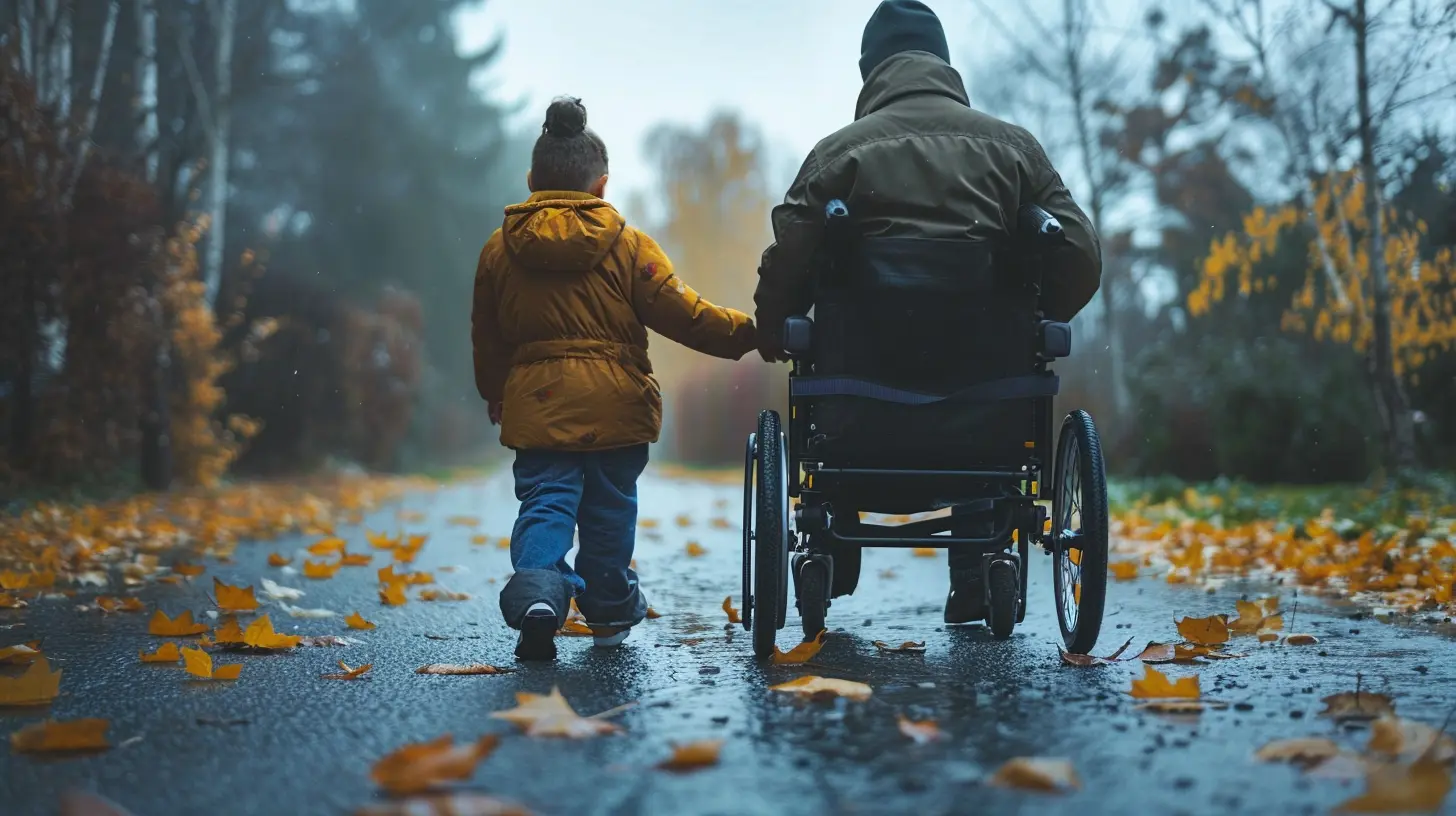
What Inclusion Really Means (And Why It’s Not Just About Diversity)
Let’s start with a little clarity. Inclusion isn’t the same as diversity. They’re related, like peanut butter and jelly, but they aren’t interchangeable.- Diversity is showing up.
- Inclusion is being invited in…and feeling like you matter once you’re there.
Imagine hosting a party. Diversity is when everyone gets an invite. Inclusion is when everyone gets to dance, laugh, and feel like they're part of the vibe — not just sitting awkwardly in the corner.
In parenting, schools, and community spaces, inclusion means making sure every person — regardless of ability, race, gender, language, background, or lifestyle — feels respected, valued, and accepted for who they are.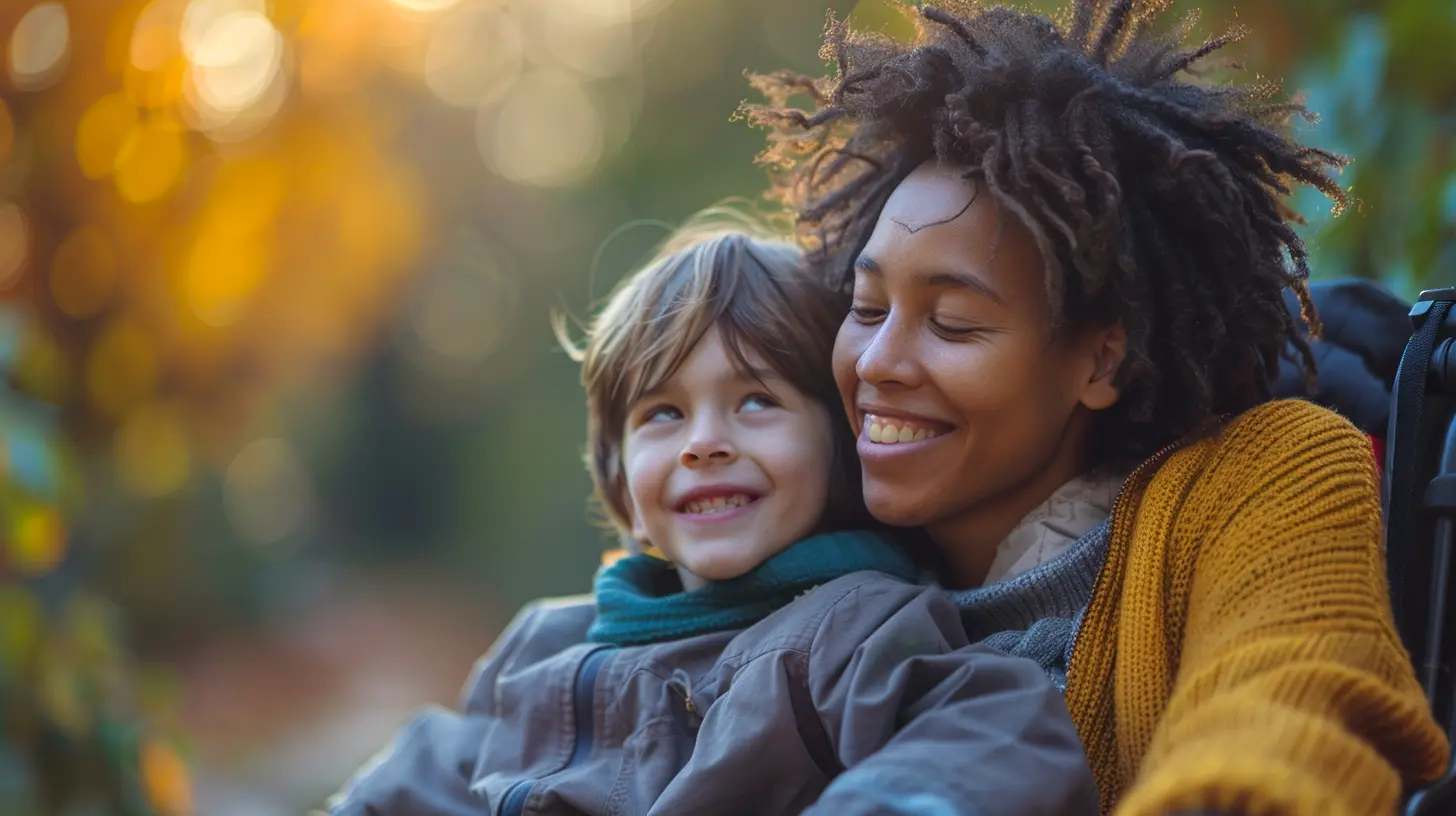
Why Inclusion in Communities (Especially for Families) Is So Important
Let’s break it down. We all want to live in families and neighborhoods where people look out for each other — where our kids can make friends, feel safe, and not worry about being “different.” That dream? It’s rooted in inclusion.1. Inclusion Builds Empathy in Kids (and Adults, Too)
When kids grow up around different kinds of people — different cultures, abilities, and experiences — they learn to put themselves in someone else’s shoes. They become more curious, kinder, and better problem-solvers. That’s not fluff — it’s life skills.2. Inclusive Communities Are Stronger
Think about it. When everyone feels welcome, people participate more. They show up, speak up, and contribute. That makes for vibrant schools, support systems, and neighborhoods. On the flip side, when people feel excluded or invisible, they disengage. That weakens the whole system.3. It Teaches Us to Move Beyond “Us vs. Them”
No one likes being othered. It’s exhausting to feel like you're always on the outside looking in. Inclusive communities break down those invisible walls. Suddenly, it’s not “their struggle” anymore — it’s “our challenge.” And we rise together.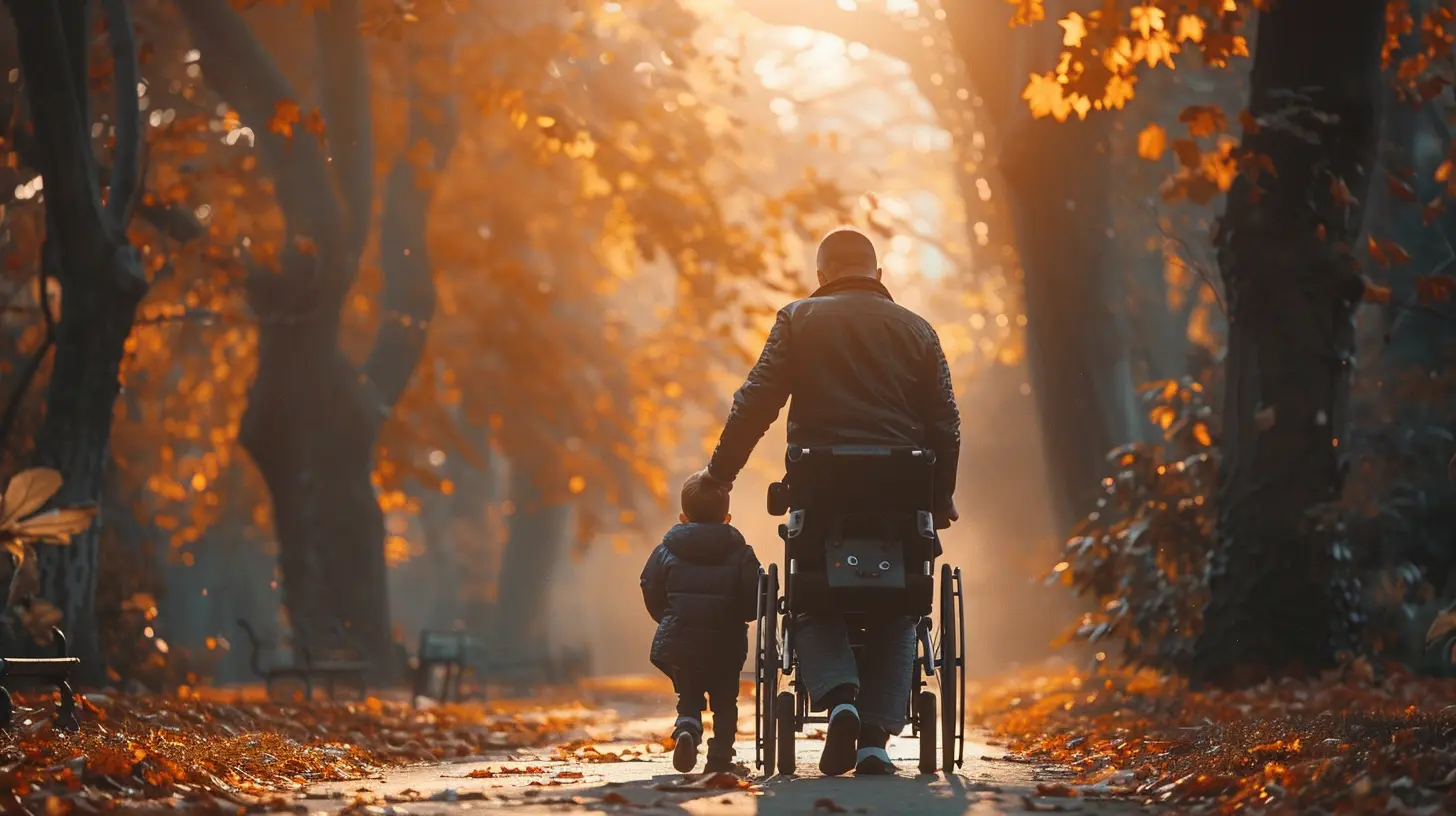
Common Barriers to Inclusion (And How to Spot Them)
Here’s the thing — sometimes exclusion doesn’t look like a locked gate. It’s subtle. It’s in the way we talk, who we invite, and the assumptions we make. Here are a few common hurdles:1. Unconscious Bias
We all have ‘em. It’s not about shame — it’s about awareness. For example, assuming a child with a disability can’t participate in your child’s birthday party without even asking? That’s unconscious bias at play.2. Language + Communication Gaps
Not everyone speaks the same primary language. Not everyone communicates in the same way. Being mindful about how we share information (and making sure it's accessible) is a big step forward.3. Lack of Representation
If all the books in your library, the teachers in your school, or the leaders in your community look the same — that’s a red flag. Representation matters. Seeing yourself reflected in your environment affirms your identity.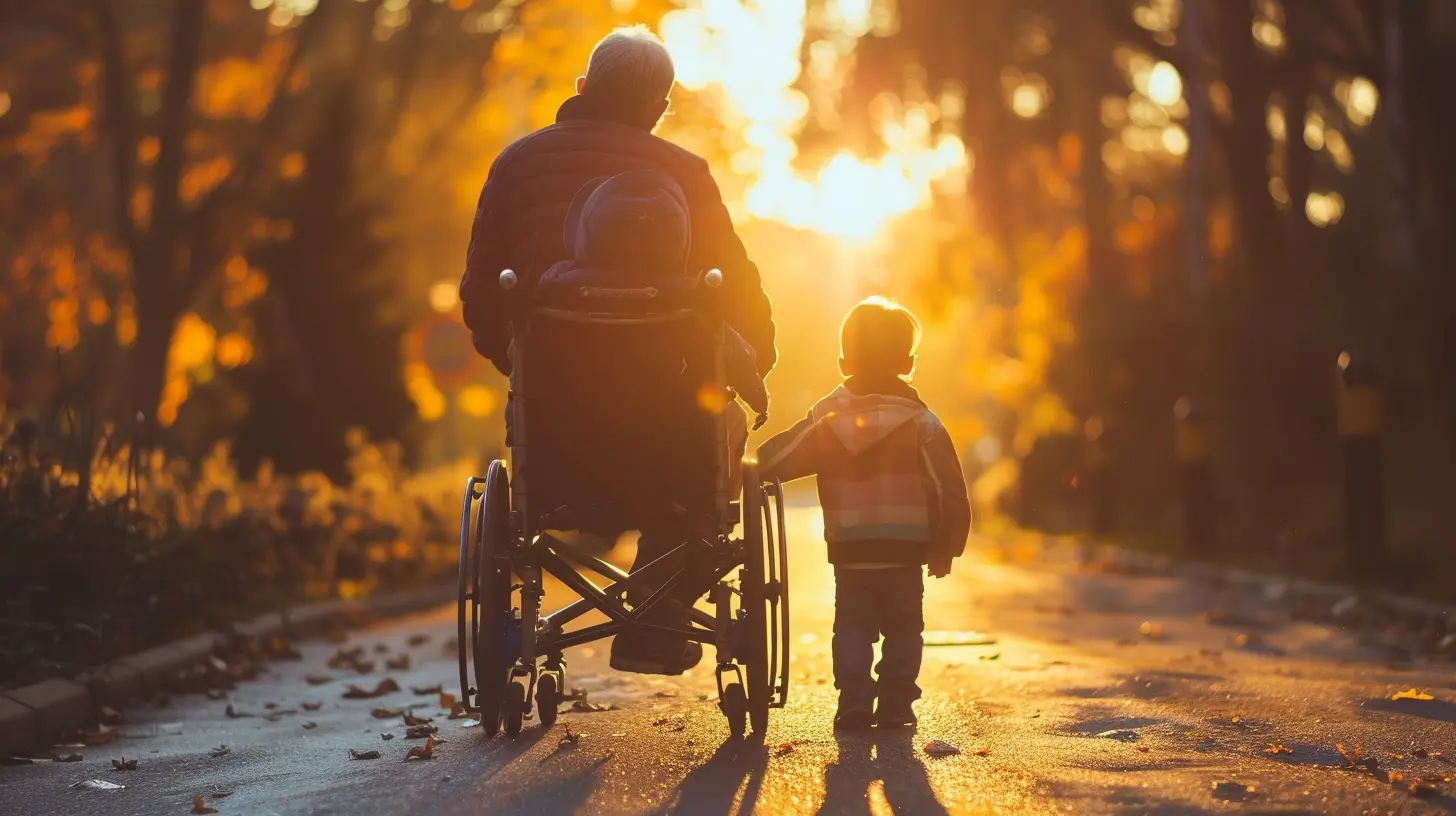
Tips for Creating a More Welcoming Community
So, what can we actually do about it? It starts right where you are. The good news? You don’t need to be an expert on social justice or have a degree in child psychology. You just need a big heart and a little bit of intentionality.1. Start With Your Inner Circle
Before we go trying to change the world, let’s look at our own homes. Are your kids exposed to different cultures, books, toys, and ideas? Do you talk about differences — and similarities — openly and positively? If not, there’s your starting line.> “Hey, did you notice that Mia uses a wheelchair at school? Isn’t it cool how she works with her service dog and still runs the class garden?”
Normalize differences. Model respect. Keep the conversation open.
2. Use Inclusive Language
Words matter. They can build bridges or create barriers.Instead of saying:
- “That’s crazy.” Try: “That’s surprising.”
- “Boys will be boys.” Try: “Let’s talk about kind behavior.”
It’s not about policing every word. It’s about being mindful. Words shape beliefs, especially little ears who are always listening.
3. Make Events Accessible
Hosting a school function or birthday party? Think about:- Physical access (ramps, seating)
- Sensory-friendly options for kids who may get overwhelmed
- Language-friendly materials like bilingual invitations
Ask parents: “Is there anything I should know to make this event more comfortable for your child?” That one question can mean the world.
4. Amplify Diverse Voices
Support books, podcasts, shows, and content created by people from different backgrounds. Follow parents, educators, and creators from underrepresented communities online. Learn. Share their work. Listen to their stories.5. Teach Kids to Be Inclusion Advocates
It’s not just about adults. Kids can — and should — be taught to speak up if they see someone being left out. Practice scenarios. Role-play. Give them language that empowers them like:- “Hey, want to join us?”
- “That’s not okay — everyone deserves respect.”
Because a kind, inclusive kid? That’s a world-changer right there.
6. Welcome New Families Intentionally
New family in the neighborhood? Don’t just wave from your porch. Walk over. Say hi. Ask how you can help. Share school info or community events. Inclusion starts with connection — and that often begins with a friendly face.7. Celebrate Differences
Create community traditions that honor and celebrate the cultures, holidays, foods, and stories of everyone who lives there. Potlucks, multicultural nights, or family story shares are perfect ways to do this.Celebrating diversity isn’t a one-time thing — it’s a way of living.
The Role Schools and Parenting Groups Play in Inclusive Communities
Schools, PTAs, and parenting groups aren’t just where we drop off our kids, attend meetings, and sign up for spirit week. These are the natural hubs of our communities. When inclusion starts here, it ripples out.Schools Can:
- Train teachers in inclusive education practices- Create safe spaces for LGBTQ+ students and families
- Educate kids on different cultures, histories, and abilities in age-appropriate ways
- Ensure curriculum reflects a wide range of voices
Parenting Groups Can:
- Ensure diverse leadership and decision-making voices- Plan events that cater to all family types and needs
- Make translations and accommodations standard, not special requests
If you're part of one of these groups, use your influence. Speak up. Suggest new ideas. Be the nudge that shifts the status quo.
A Quick Reality Check: Inclusion Isn’t Perfect, And That’s Okay
Let’s not pretend this is easy. Inclusion isn’t about never messing up. You will. We all do.You might say the wrong thing. Feel awkward. Not know what to do in a certain situation.
That’s okay.
The goal isn’t perfection. It’s progress.
Start small. Stay curious. Apologize when needed. Keep going. Because inclusion isn’t a finish line — it’s a lifelong commitment to being more human with each other.
Final Thoughts: Inclusion Starts With Us
At the end of the day, inclusion is about relationships. It’s about walking through the world with eyes and hearts wide open — willing to see and value the people around us, even when they don’t look, talk, act, or think the same way we do.As parents, caregivers, neighbors, and friends — we have more power than we think. Every conversation, every gesture, every moment of empathy adds up.
So next time you’re in a room — at the park, at school pickup, at a community event — ask yourself: Who’s not here? Why not? What can I do about it?
Because everyone deserves a seat at the table…and maybe even a second helping of cake.
all images in this post were generated using AI tools
Category:
Special NeedsAuthor:

Steven McLain
Discussion
rate this article
2 comments
Fay Bowers
Inclusion shapes empathy, fostering a brighter future.
December 11, 2025 at 4:31 AM
Steven McLain
Thank you for your thoughtful comment! Indeed, inclusion not only nurtures empathy but also strengthens our communities for a better tomorrow.
Selena Hughes
Thank you for this insightful article! Your tips on fostering inclusion are invaluable. Creating a welcoming community not only strengthens our connections but also enriches the lives of our children.
December 6, 2025 at 4:45 AM
Steven McLain
Thank you for your thoughtful feedback! I'm glad you found the tips helpful in fostering a more inclusive community.