Why Every Kid Should Learn Basic Robotics
7 December 2025
Let’s face it—raising kids in today’s world feels like trying to nail jelly to a wall. Technology is changing faster than we can say “password reset,” and as parents, we're stuck in this whirlwind of figuring out what's crucial for our child’s future. Here’s one hill I’m willing to die on: every kid should learn basic robotics.
Before you roll your eyes and think, “I’m just trying to get my child to eat broccoli, and now you’re throwing robots at me?”—stick with me. This isn’t about churning out the next Elon Musk (though hey, wouldn’t hurt, right?). It's about prepping our kids for a future that's already sneaking up on us.
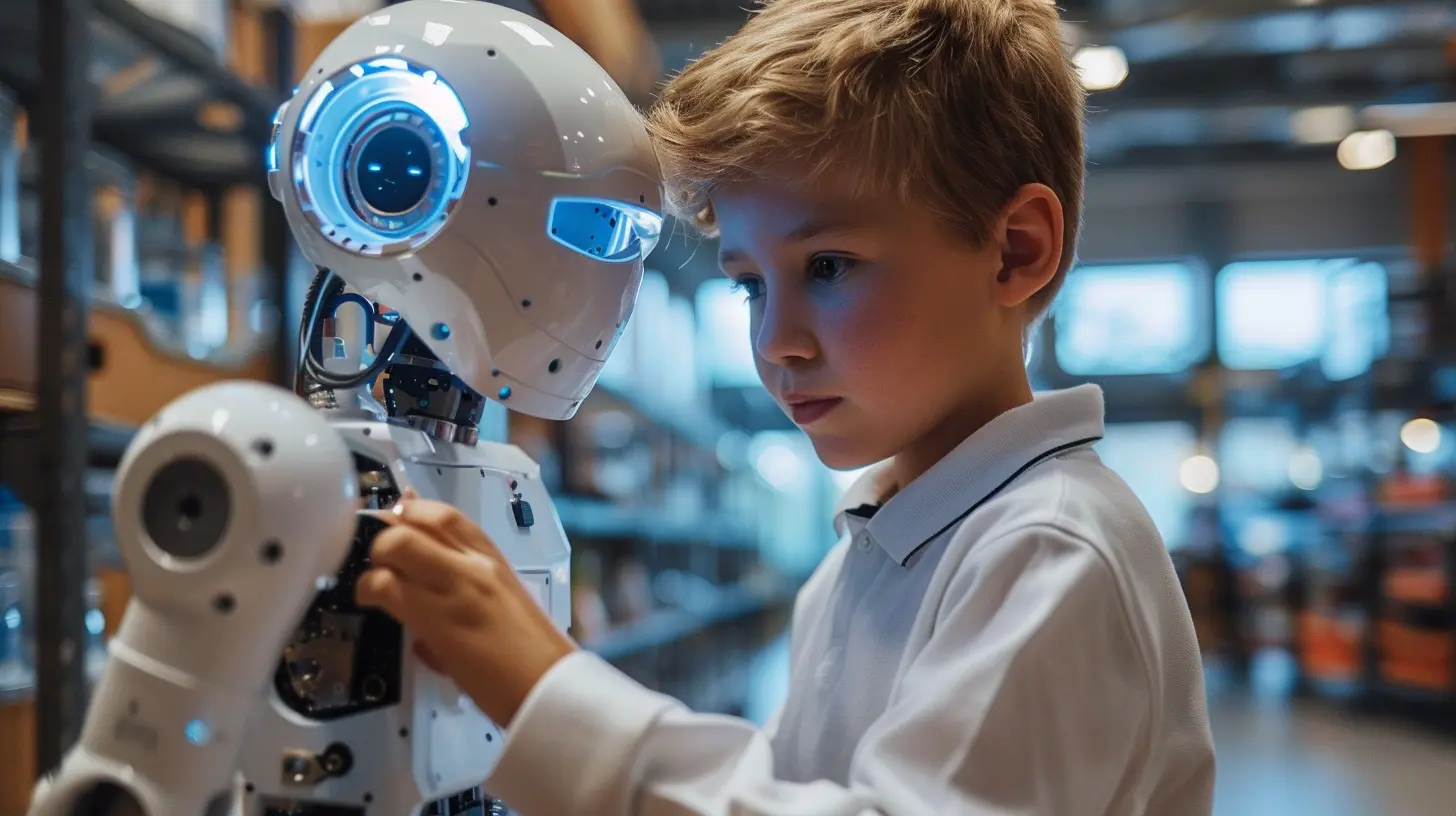
What Is Robotics, Really?
Let’s not complicate things. Robotics is simply the art (and science) of designing, building, and programming robots. Think of it as LEGO on supercharged mode. Kids get to play with cool components like motors, sensors, and coding software—all while creating something that actually moves, lights up, or even talks back!It’s not just wires and weird gadgets. Robotics blends engineering, coding, creativity, and problem-solving into one neat little package. It’s like baking, but with microcontrollers instead of cookies.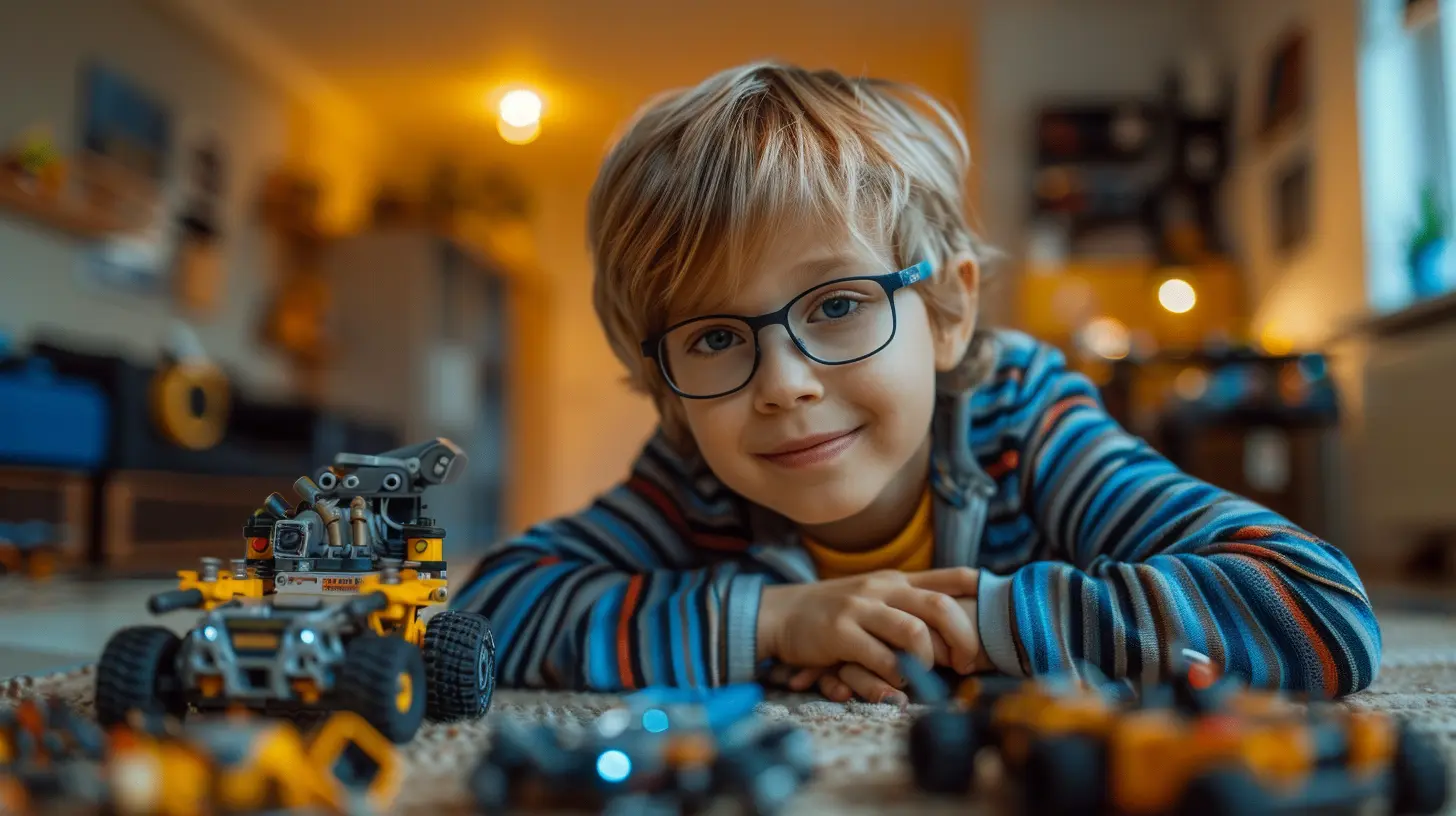
The World Is Practically Run by Robots
Take a step back and look around. You’ll notice robots are everywhere. They’re sorting packages at Amazon warehouses, driving cars (hello, Tesla!), and even assisting in surgeries. And guess what? That’s just the tip of the robotic iceberg.By the time our kids hit the workforce, robotics and automation will be the new normal, not just some sci-fi concept. So wouldn’t it make sense to give them a head start now?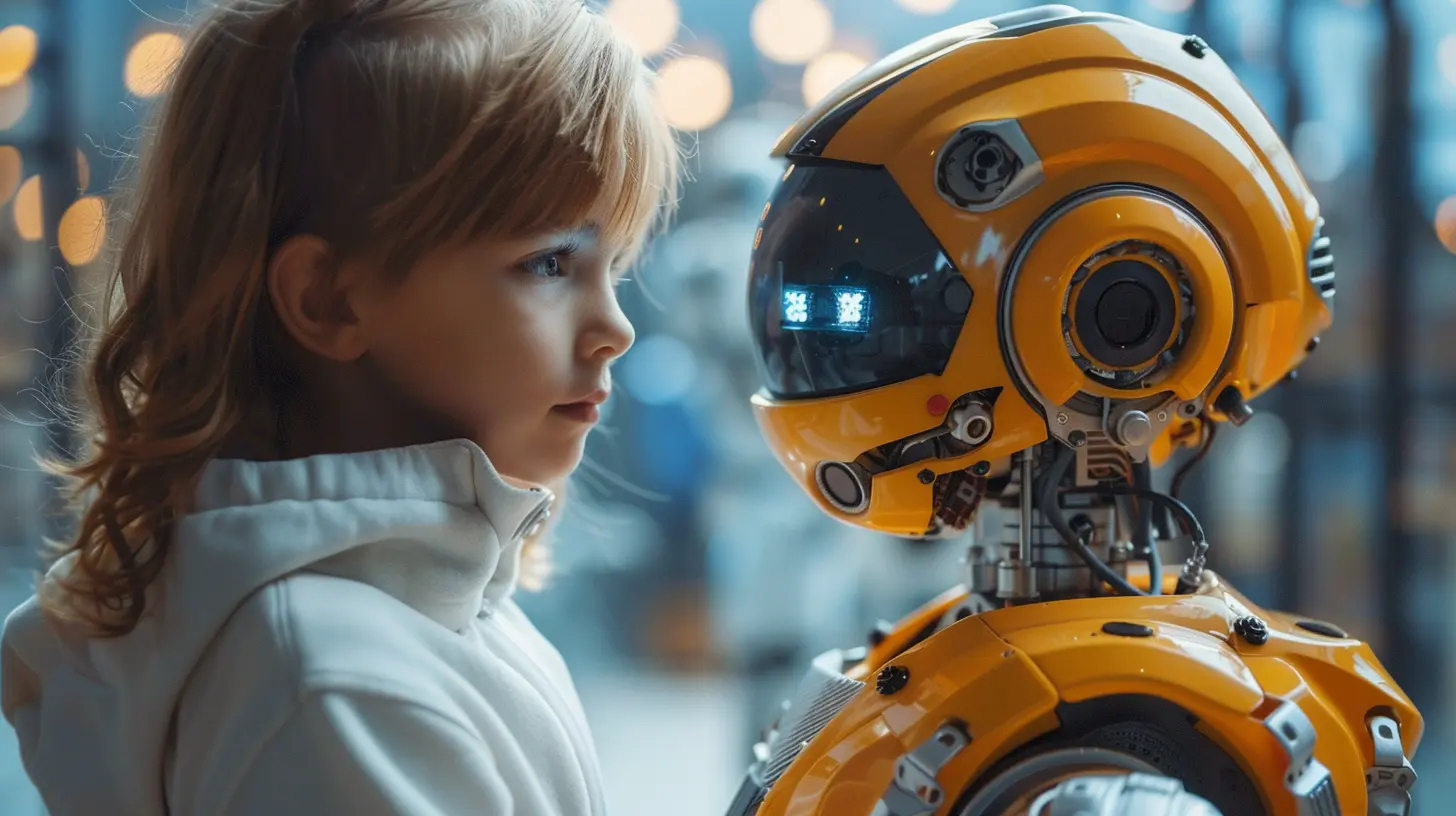
It Teaches Real-World Skills in a Super Fun Way
You remember trying to teach your kid how to tie their shoelaces, right? Frustrating. Now imagine them sitting for hours assembling a robot, programming it to dance or avoid obstacles—and doing it willingly. That’s the kind of magic robotics brings to the table.Here’s what they’re secretly learning while they’re having a blast:
1. Problem Solving Like a Boss
Robots don’t always behave. That’s the beauty of it. Your kid will run into bugs, glitches, and all sorts of challenges. But instead of giving up, they’ll learn to debug, tweak, and try again. And let me tell you, the first time their robot finally works? That’s a confidence booster like no other.2. Critical Thinking and Logic
You can’t just throw pieces together and expect a robot to function. Robotics forces kids to think logically about cause and effect, sequencing, and efficiency. It’s like mental gymnastics—only more fun and less sweaty.3. Coding Made Tangible
Coding can be intimidating (even for adults). Robotics makes it physical. Kids don’t just see lines of code; they see their programs spring to life. It’s visual, hands-on, and super motivating.
Encourages Creativity and Innovation
Here’s a brain-bender: robotics is both left-brain and right-brain. While it’s deeply technical, it also leaves room for creativity. Want their robot to look like a cat? Meow away! Want it to play music, blink lights, or move like it's dancing the cha-cha? Why not?Robotics is like a digital playground—kids aren’t just consuming tech, they’re creating it.
Boosts Confidence and Perseverance
Let’s talk about grit. Not the messy kind stuck on your kitchen floor, but the mental one—the ability to push through failure. Robotics teaches kids that mistakes are part of the process. Failure isn’t final; it’s feedback. They learn to troubleshoot, rewire (literally and figuratively), and try again.There’s nothing quite like watching your kid beam with pride when their robot finally does what it’s supposed to. That’s the kind of self-esteem no trophy can buy.
Prepares Kids for Future Careers (Even Ones That Don’t Exist Yet)
Here’s a wild thought: many of the jobs our kids will have don’t exist yet. But guess what? Robotics teaches them skills that translate across the board.Think about it...
- Engineering? Check.
- Computer science? Absolutely.
- Automation, design, AI, data analysis? All rooted in robotics.
Plus, even in arts or business, that problem-solving mindset and tech fluency will give them an edge. Whether they grow up to be doctors, musicians, or run their own startups—a background in robotics is like giving them a Swiss Army knife of skills.
It’s a Great Way to Bond (Yes, Really!)
I know what you’re thinking. "Sounds great, but I don't know the first thing about robots.”Here’s the secret: you don’t have to.
Robotics kits for kids are designed to be intuitive. Most come with step-by-step guides, apps, online tutorials, and tons of fun projects. Honestly, you might end up more hooked than your kid.
Picture this: you both sitting at the kitchen table, piecing together a tiny robot. It’s part science experiment, part bonding time. And hey, isn’t that better than another evening of screen zoning?
Encourages Teamwork and Collaboration
Believe it or not, robotics isn’t a lone-wolf activity. Many robotic challenges and school clubs are team-based. Kids learn to brainstorm, divide tasks, and work toward a common goal. It's a mini crash course in collaboration—and unlike group projects at school, everyone’s actually invested.Builds Digital Literacy & Tech-Savviness
Let’s be real. Kids today are born with tablets in their hands. But being able to use tech isn’t the same as understanding how it works. Robotics peels back the curtain. It takes kids from being passive tech users to active tech creators.They don't just swipe; they innovate. And that’s a game-changer in today’s digital world.
How to Get Started Without Losing Your Mind or Your Wallet
Look, we’re all busy. Between managing school, chores, and your sanity, adding one more “thing” can feel daunting. But integrating robotics doesn't have to be a major life overhaul.Here’s how to dip your toes in:
1. Start Small
Try beginner-friendly kits like LEGO Spike Prime, mBot, or Ozobot. These are designed for young learners and don’t require a PhD in engineering.2. Use Free Resources
YouTube is your best friend here. Tons of creators share robotics tutorials that are easy to follow. Plus, there are platforms like Tynker and Scratch that combine coding with interactive games and challenges.3. Join a Club or Workshop
Libraries, community centers, and even some schools offer robotics clubs. These group settings add a social twist—and make it less overwhelming for both you and your budding roboticist.4. Set a Tech Time
Designate a couple of hours each week as “robot time.” Keeps things structured and keeps the momentum going. Bonus: it also limits mindless screen time.But My Kid’s Not a “Math or Science” Kid…
That’s totally okay. Robotics isn’t just for the so-called “STEM kids.” It’s for the curious, the creative, the hands-on learners, and the dreamers.Robotics might even unlock a hidden interest in math or science. When those abstract equations suddenly control a moving, talking robot... well, math starts to look a lot cooler.
The Bigger Picture: Robotics Builds Better Humans
Sounds dramatic? Maybe. But hear me out.When kids learn robotics, they’re not just building machines—they’re building:
- Patience
- Confidence
- Curiosity
- Empathy (yes, even empathy—some robots are built to help people)
They’re learning that the world isn’t fixed. It’s something they can shape, influence, and improve—all with their own two hands, a few wires, and a dream.
Final Thoughts: Let’s Raise Makers, Not Just Consumers
Our kids are growing up in a world where tech is as normal as sliced bread. But instead of letting them be just consumers of technology, let’s empower them to be makers, thinkers, and innovators.Let’s give them the tools to create, fail, learn, grow—and maybe even change the world. And maybe, just maybe, they’ll thank us one day… right after they build a robot that does the dishes.
all images in this post were generated using AI tools
Category:
Tech And KidsAuthor:

Steven McLain
Discussion
rate this article
2 comments
Makayla Lawson
Because if they can’t fix your Wi-Fi, who else will? Future robot overlords!
December 12, 2025 at 5:58 AM
Steven McLain
Exactly! Understanding robotics prepares kids for future tech, empowering them to tackle challenges—Wi-Fi included!
Davina Thornton
Empower your child’s future! Learning robotics fosters creativity, problem-solving, and critical thinking—skills for a thriving tomorrow!
December 9, 2025 at 4:29 AM
Steven McLain
Absolutely! Learning robotics equips kids with essential skills for the future, enhancing creativity and critical thinking while preparing them for a tech-driven world.