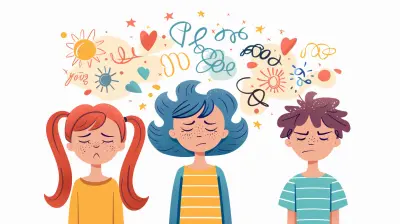
When You’re Stressed, They’re Stressed: Helping Kids Cope Through Your Calmness
22 December 2025
Parenting is a wild ride, isn’t it? You’re juggling a thousand things—work, house chores, bills, meals, appointments—and on top of that, you’re raising little humans who absorb everything like tiny emotional sponges. And here's the kicker: kids might not understand why you’re anxious, but they can feel it. Yep, when you're stressed, they’re stressed.
But here’s the good news. Just like your stress trickles down to them, so does your calmness. And better yet? You have the power to control your calm. Let’s unpack how your emotional state directly impacts your child’s well-being and how you can model emotional regulation—even when you feel like you're barely holding it together.
The Emotional Mirror Effect: Why Kids Reflect Your Mood
Imagine looking into a calm lake. It reflects exactly what’s above it, right? Now picture throwing a rock into it—ripples everywhere. That’s your child. When you’re steady, they find their footing. When you’re frazzled, they lose theirs.Children are wired to look to their caregivers for safety—both physical and emotional. This is especially true for younger children (think infants through early school age). They’re still shaping their worldview, and a big part of that comes from you. If you’re constantly tense, irritated, or overwhelmed, they start to think, “If mom/dad is stressed, maybe I should be too.” That anxiety becomes their environment.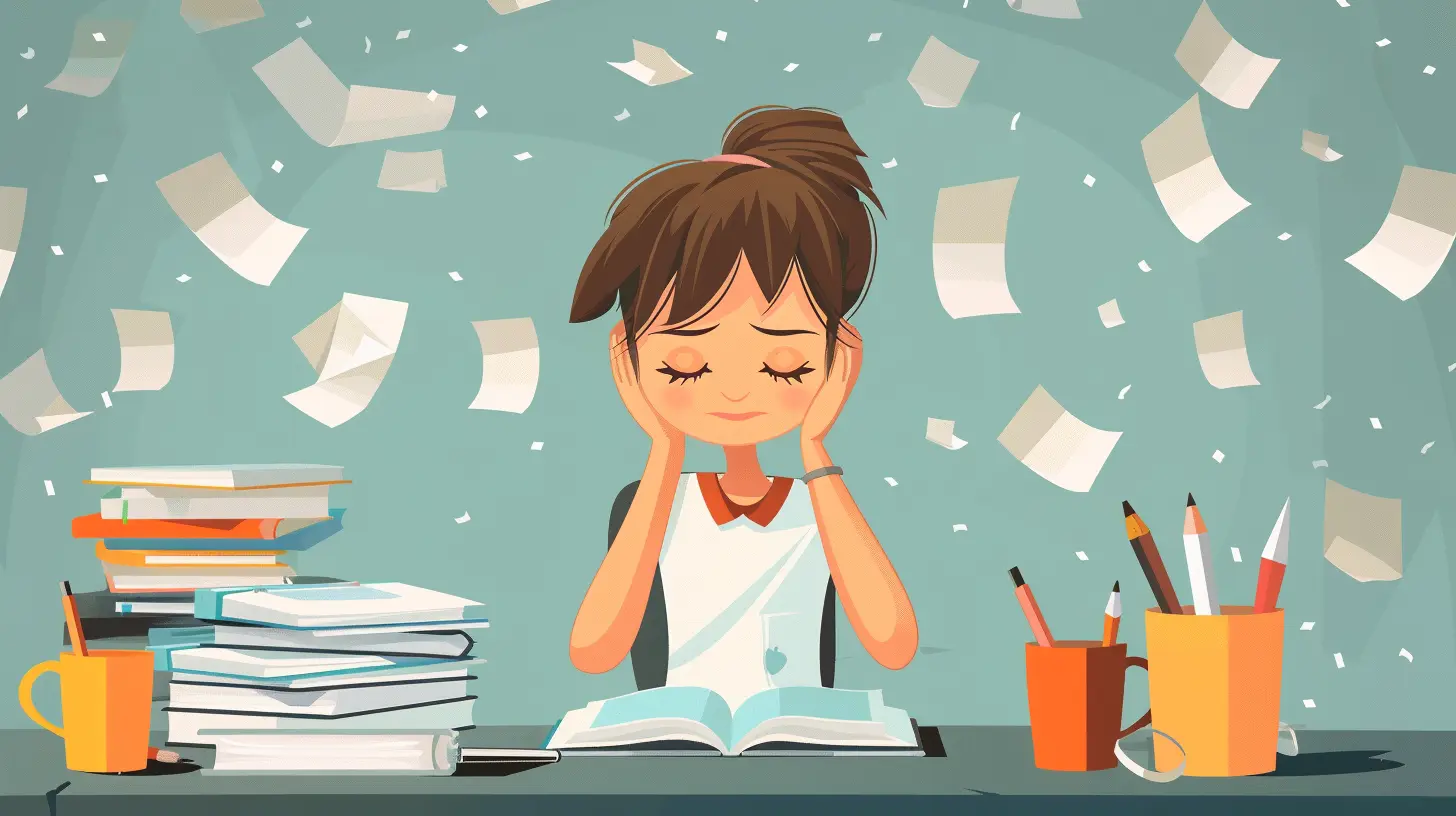
Understanding the Science Behind It
Let’s talk brains for a moment (don’t worry, no science degree needed).When you're stressed, your body produces cortisol—the “stress hormone.” That’s your fight-or-flight system kicking in. But did you know that your stress response doesn’t just affect you? Studies show kids can physically sense your stress. Their cortisol levels can rise just by observing or being around a stressed-out parent. Wild, right?
In fact, researchers have even used heart rate monitors and brain scans to prove this emotional synchrony. Children pick up on micro-cues like your tone, facial expressions, and body language—even when you think you’re hiding your frustration.
The Domino Effect: What Parental Stress Looks Like to a Child
Parental stress doesn’t always look like yelling or slamming doors (though hey, we’ve all been there). Sometimes, it’s subtle:- Snapping at your partner
- Saying “not now” for the 10th time
- Zoning out while your kid’s trying to talk to you
- Rushing bedtime like it’s a race
- Losing patience during breakfast chaos
These things add up. Kids don’t interpret your behavior as “Mom had a tough call at work” or “Dad’s worried about money.” They think, “Did I do something wrong?” or “Is everything okay?”
And suddenly, your stress turns into their insecurity. That’s a heavy load for little shoulders.
How Your Calm Shapes Their Coping Strategies
Here’s where things flip. Just like your stress sets them on edge, your calm gives them a roadmap to handle tough feelings. When you stay grounded—even in the middle of chaos—you’re modeling emotional resilience.Think about it: If your child sees you take a deep breath, slow down, and communicate gently even when things are falling apart, they’re learning that emotions can be handled, not hidden.
You’re not just managing your own peace—you’re teaching emotional literacy without even saying a word. You’re becoming their safe space.
Real Talk: You Don’t Have to Be Zen 24/7
Now, let’s be real. We’re not monks. We’re parents. No one expects you to be a beacon of serenity all day, every day. You’re going to mess up. You’re going to raise your voice, forget something important, or feel overwhelmed.The difference? Self-awareness.
Catch it. Acknowledge it. Talk about it.
Say things like:
- “I’m sorry I snapped. I was feeling really stressed out.”
- “Today’s been hard, but I’m working on staying calm.”
- “Let’s take a break together. I need one too.”
You’re not just modeling calm—you’re modeling how to repair. That’s just as powerful.
Easy Tools to Regulate Your Stress (And Theirs)
Okay, let’s get practical. You don’t need a week-long retreat in the woods (though wouldn’t that be nice?). You just need simple, everyday tools to help you reset in the middle of the madness.1. Name It To Tame It
Identify what you’re feeling. “I’m frustrated because we’re running late.” Naming an emotion helps shrink it. Say it out loud if you can. Your child might even start doing the same.2. Breathe Like You Mean It
Take five deep breaths. In through the nose, out through the mouth. Do it with your child—make it a game or a ritual. Breathing resets your nervous system and creates a rhythm your child can follow.3. Create Micro-Moments of Stillness
Even if it's just 60 seconds in your car before pickup or five minutes alone in the bathroom (yes, that counts). Find space to center yourself. Sip tea. Listen to music. Stretch. Do something that signals “I’m coming back to center.”4. Use Visual Anchors With Kids
Try a “calm corner” in your house with calming objects, books, or sensory toys. When you need to cool down, go there together. It reinforces that emotions aren’t punished—they’re processed.5. Lower the Bar, Not the Love
Some days, survival is the goal. Forget the Pinterest-perfect dinner. Order pizza. Let the laundry pile wait one more day. Being less stressed often starts with letting go of unrealistic expectations.Co-Regulation: The Secret Sauce of Emotional Bonding
You’ve probably heard the term "self-regulation." It means managing your own emotions. But with kids, it often starts with co-regulation—your calm helps regulate theirs.When your toddler is mid-meltdown, your job isn’t to shut it down. It's to be the steady presence they can anchor to. Maybe that looks like:
- Sitting silently next to them until they’re ready
- Holding them while they cry
- Saying softly, “I’m here. We’ll figure this out together”
Calm is contagious. And your calm is the seed that grows their future emotional skills.
Flip the Script: Turn Stressful Moments Into Teachable Ones
Picture this: You’re frantic because you’re running late. Your preschooler won’t put on their shoes, and you’re about to lose it. But instead, you kneel down, make eye contact, and say, “I’m feeling really rushed right now. Can we work together to get out the door faster?”Boom—teachable moment.
You’ve turned panic into partnership.
Every time you choose connection over reaction, you’re teaching more than a lecture ever could. You’re teaching cooperation, empathy, and self-regulation—all in real time.
Long-Term Payoff: Raising Emotionally Resilient Kids
Here’s the big picture. Kids raised in homes where emotions are acknowledged, regulated, and expressed safely?They grow into emotionally intelligent adults.
They know how to manage stress, communicate their needs, and support others. They’re less likely to lash out, bottle up, or shut down. They’re the ones who pause before reacting—just like they saw you do.
Your calm isn’t just about surviving the day. It’s about shaping their foundation.
Final Thoughts: Be the Calm in Their Storm
Life is loud. Parenting is louder. And stress? It’s not going anywhere. But your response to it can change everything.You don’t need to be perfect—you just need to be present. You don’t need to hide your feelings—you need to handle them in ways that invite your kids to do the same.
So next time the chaos comes (and it will), take a breath. Speak softly. Own your emotions. Because they’re watching.
And when you’re calm, they can be too.
all images in this post were generated using AI tools
Category:
Parenting StressAuthor:

Steven McLain
Discussion
rate this article
2 comments
Kassidy McGuffey
Sure, calm is key, but let’s be real—sometimes a little chaos is just the spice of parenting! Bring on the unfiltered moments!
December 28, 2025 at 4:21 PM
Steven McLain
Absolutely! Embracing those chaotic moments can create lasting memories and teach resilience. Balance is essential!
Kevin Monroe
Modeling calmness during stressful times not only helps you cope but also teaches your kids valuable emotional regulation skills. Breathe, communicate, and create a peaceful environment together.
December 27, 2025 at 6:08 PM
Steven McLain
Absolutely! Modeling calmness not only aids your own coping but also provides essential emotional tools for your children. Creating a peaceful space together fosters resilience.