Using Storytelling to Address Childhood Fears
31 May 2026
Let’s be honest—childhood fears are totally normal. Monsters under the bed, loud thunder, getting lost in a crowd, or even just going to sleep alone—kids have big feelings about the unknown. And guess what? That’s okay. Their little brains are growing and learning how the world works. But as parents, we want to help them through those fears without brushing them aside or making them feel silly.
So, how do we do that in a way that feels safe, supportive, and even a little magical?
You guessed it—storytelling.
Yep, the simple act of telling a story can be one of the most powerful tools you have to help your child face their fears. It's like giving them a flashlight when they're stuck in a dark room. Let’s dive into how storytelling can make a world of difference.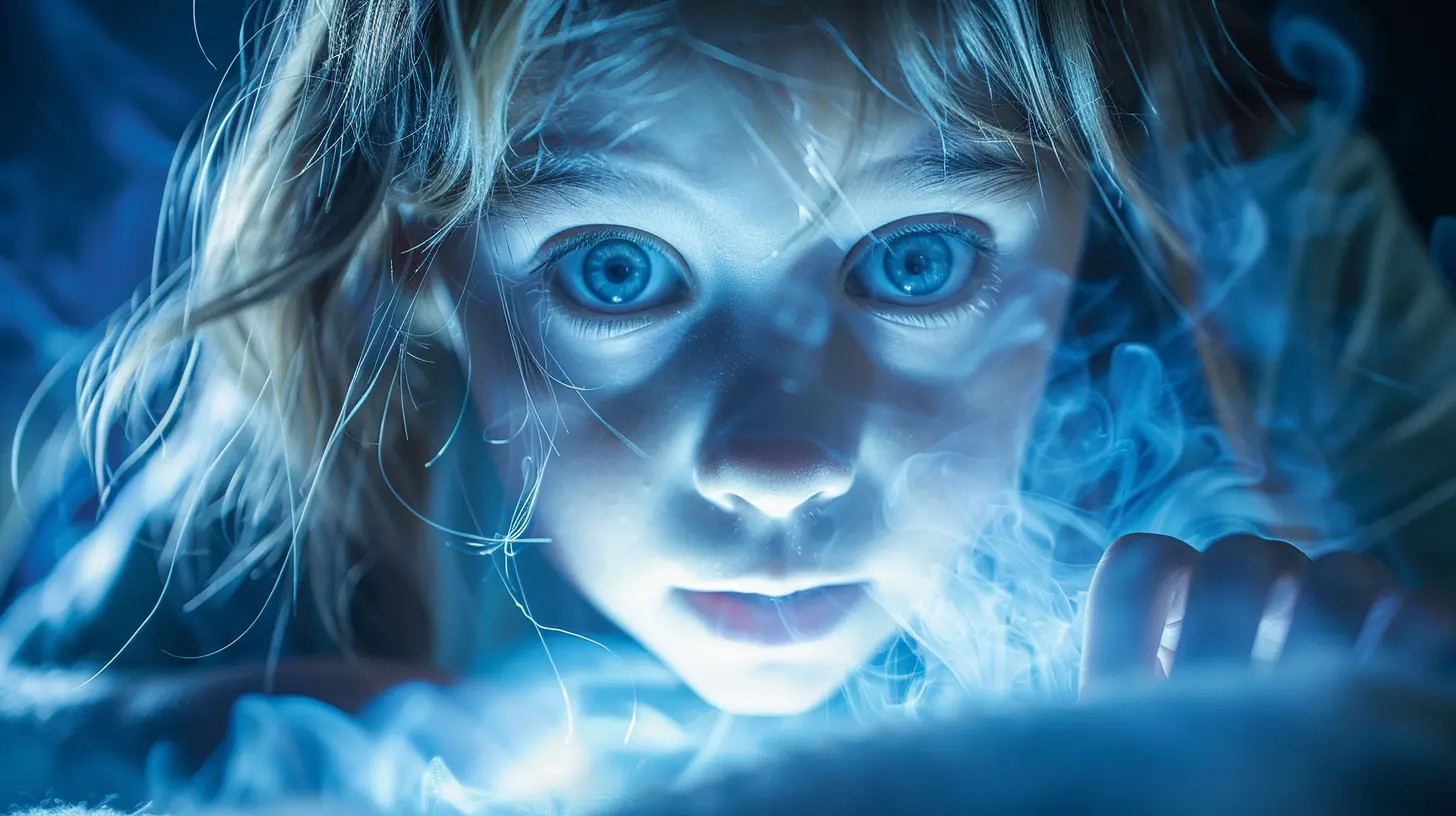
Why Kids Are Afraid – And Why That’s Okay
Before we talk about storytelling, we’ve got to understand why kids get scared. And no, it’s not always logical (at least, not to us adults).Children’s imaginations are incredible — almost too good. Their brains can easily turn shadows into monsters and unfamiliar sounds into aliens. But that same imagination that fuels their fear? It can also be used to soothe them. Cool, right?
Here are a few common reasons for childhood fears:
- Developmental stages: Toddlers fear separation, school-aged kids fear failure or rejection, and older kids may fear real-world dangers.
- Lack of experience: What’s unfamiliar is automatically “scary.”
- Media exposure: Even seemingly innocent shows can spark fears.
- Stress or changes: Moving, a new sibling, or starting school can trigger anxiety.
These fears are a normal part of growing up. Our job isn’t to eliminate them but to help our kids build the tools to cope—and that’s where storytelling comes in.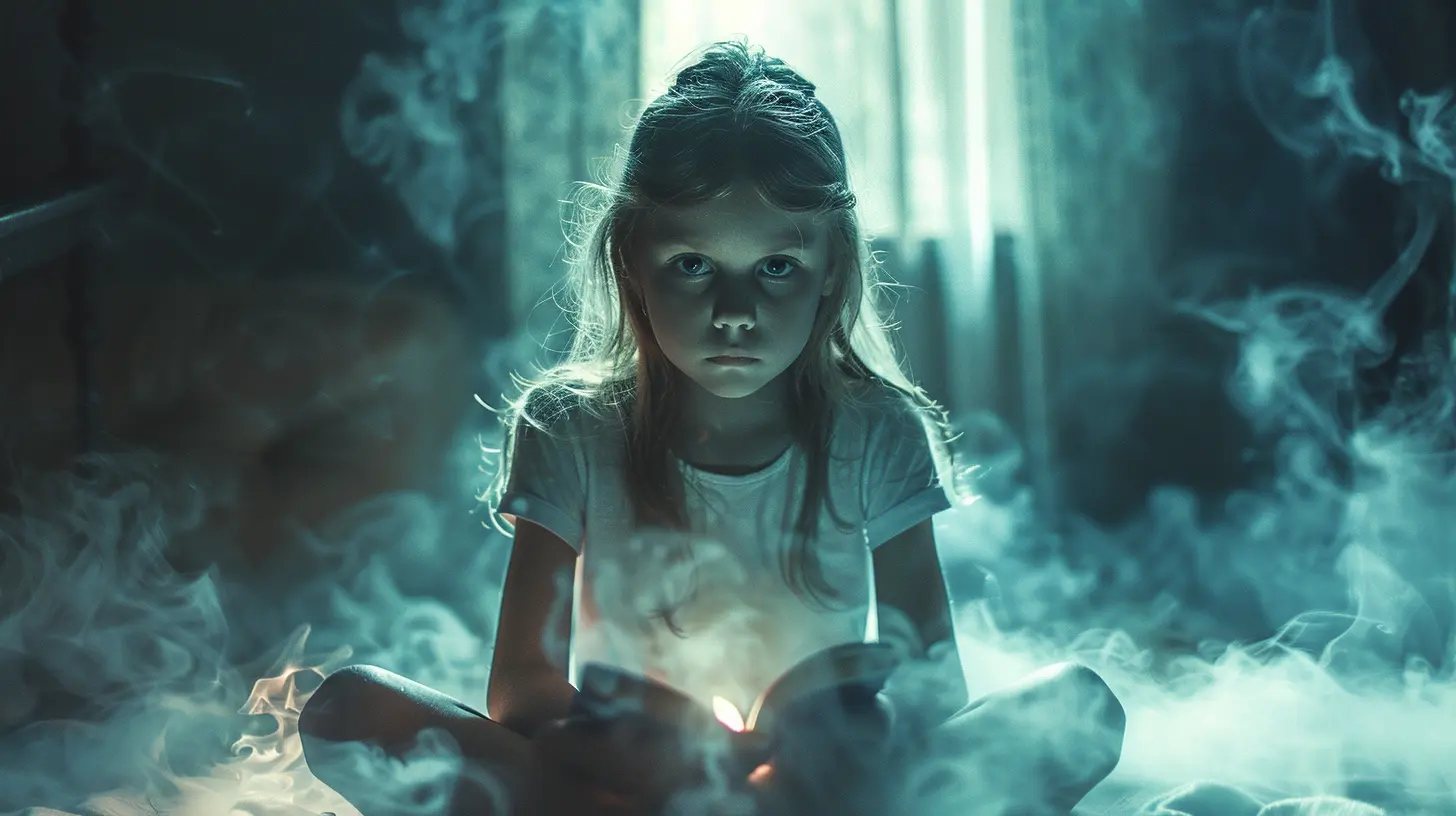
The Magic of Storytelling
Think back to your favorite book as a kid. Maybe it had a brave hero or a magical world that felt safer than real life.Storytelling isn't just entertainment — it’s therapy in disguise.
When we tell stories:
- We give context to confusing emotions
- We offer a safe space to explore tough feelings
- We help kids see that challenges can be overcome
- We sneak in life lessons in a way that feels fun, not preachy
Stories give children a framework for understanding the world and their role in it. It’s like handing them a map when they’re lost in the woods.
How Storytelling Helps Ease Childhood Fears
Let’s break it down. Here’s how storytelling works to help reduce fears:1. Normalizes Feelings
You know that huge sigh of relief your kid gives when they realize they’re not the only one afraid of the dark? That’s the power of connection. When a character in a story shares the same fear, it shows your child they’re not alone. It validates their emotions without shame.2. Creates a Safe Distance
It’s easier to talk about “Leo the lion who was scared of thunderstorms” than to say, “I’m scared of thunderstorms.” Storytelling offers emotional distance. Kids can project their feelings onto the story character, making it less scary to explore tough topics.3. Models Coping Skills
When the character finds a way to overcome their fear, your child learns strategies by simply listening. Whether it’s deep breathing, asking for help, or using their imagination in a positive way, kids pick up on these cues without feeling like they’re being taught.4. Builds Resilience and Confidence
When the hero in the story finds bravery, your child starts to believe they can too. Each story becomes a little building block toward emotional strength.
Storytelling Techniques That Actually Work
Now let’s talk about the “how.” You don’t need to be a professional writer or performer to tell effective stories. Your child doesn’t care about your grammar—they care about the connection.Here are a few simple storytelling methods to try:
1. Make It Personal
Turn your family’s real-life experiences into tales of triumph. “Remember when you were nervous about your first swimming lesson? And then you jumped in like a superhero?” Highlighting moments of courage from your child’s own life reminds them they’ve already beaten fears before.2. Create a Relatable Character
Build a character your child can relate to. Maybe a bunny who’s scared of being away from Mom, or a tiny dragon who’s afraid of the dark. Give this character the same fear your child has — and then help them find a way to deal with it.3. Use Humor and Imagination
Sometimes, laughter really is the best medicine. Turning a scary creature into a silly one with a goofy name or a love for ice cream can disarm the fear. Imagination is a tool for healing.4. Strike a Balance
Let your story take the character on a journey. Start with the fear, then show small steps toward bravery, and end with a comforting resolution. Avoid making the fear disappear instantly — show the process, because that’s what helps your child learn.5. Ask Questions Along the Way
Keep the story interactive. Pause and ask your child, “What do you think the character should do?” or “Have you ever felt that way?” This encourages empathy, problem-solving, and emotional expression.Real-Life Examples of How Storytelling Can Help
Let me tell you about Anna, a mom I know. Her six-year-old son, Jake, was terrified of the dark. Bedtime became a nightly struggle.So, she created a bedtime story about “Captain Courage,” a little astronaut who was afraid of the dark space until he discovered his glow-in-the-dark star badge. Jake loved it. Night after night, Captain Courage faced new challenges and found ways to be brave—and so did Jake.
He even made his own “bravery badge” out of paper and wore it to bed.
That’s the power of storytelling—it sticks.
Story Ideas to Address Specific Childhood Fears
Here’s a little cheat sheet to spark your own stories based on what your child might be afraid of:| Fear | Story Idea |
|------|------------|
| Darkness | A mole who discovers sparkly glow worms and makes friends with the night |
| Monsters | A monster school where monsters learn to be kind and gentle |
| Going to school | A turtle who’s afraid to leave his shell but makes a friend on the playground |
| Thunderstorms | A brave squirrel who learns that thunder is just cloud drums |
| Doctors | A brave kitten going for a check-up and earning a sticker of honor |
You can adapt these ideas to better fit your child’s personality and interests. The more personal the story, the more powerful the impact.
Encouraging Your Child to Tell Their Own Stories
Here’s the fun twist—kids are natural storytellers. Encourage them to create their own stories using dolls, drawings, or even puppet shows. It helps them process feelings and take control of the narrative.Ask open-ended prompts like:
- “What would you do if you were the hero?”
- “How do you think that character felt?”
- “What happened next?”
This not only flexes their creativity but also boosts emotional intelligence.
When to Use Storytelling – And When to Seek Help
Storytelling is a gentle, non-invasive way to address many fears, but it’s not a magic fix for everything.Use stories regularly during:
- Bedtime routines
- Quiet time
- Long car rides
- After a stressful event
- During transitions (new school, moving homes)
But if a fear becomes debilitating—like your child can’t sleep for weeks, avoids places, or shows signs of intense anxiety—it’s okay to bring in a professional. There’s strength in asking for help, too.
Final Thoughts: The Power in Your Words
You don’t need a fancy book or a Ph.D. in child psychology to help your kid feel safe and strong. All you need is your voice, your love, and a little imagination.Storytelling connects, empowers, and heals. It turns frightening shadows into friendly shapes and helps kids realize they are never truly alone.
So next time your child comes running into your arms with a worried look, try this: take a deep breath, scoop them up, and say, “Want to hear a story?”
Chances are, they’ll say yes. And in those moments—those quiet, magical moments—they’ll be learning how to be brave.
all images in this post were generated using AI tools
Category:
Dealing With FearsAuthor:

Steven McLain
Discussion
rate this article
2 comments
Wilder Ramirez
Thank you for this beautiful reminder of the power of storytelling. It's amazing how a simple tale can comfort our little ones and help them face their fears. Your insights will truly resonate with many parents.
August 13, 2026 at 2:56 AM
Steven McLain
I'm glad you found it meaningful! Storytelling really does hold a special power for kids. Thank you for your thoughtful comment!
Callie Wyatt
This article beautifully highlights how storytelling can be a powerful tool in helping children face their fears. The gentle approach of using narratives not only fosters imagination but also provides comfort and understanding. Thank you for sharing these valuable insights that can truly make a difference in a child's emotional journey.
June 2, 2026 at 4:20 AM
Steven McLain
Thank you for your thoughtful comment! I'm glad you found the insights on storytelling helpful in supporting children's emotional growth.