Using Play to Ease Transitions and Build Routines
25 August 2026
Every parent knows the scene. You announce that it is time to leave the playground, and your child collapses into a puddle of protest. You try to move from bath to bed, and suddenly the bathroom floor becomes a battleground. Transitions are the friction points of family life. They are the moments when a child's internal world collides with the external schedule, and often, the child loses. But the problem is not that children are difficult. The problem is that we are asking them to switch gears with no warning, no control, and no reason that makes sense to them. Play is the bridge across that gap. It is not a bribe, a distraction, or a trick. It is the native language of childhood, and when you use it to structure transitions, you stop fighting against your child's brain and start working with it.
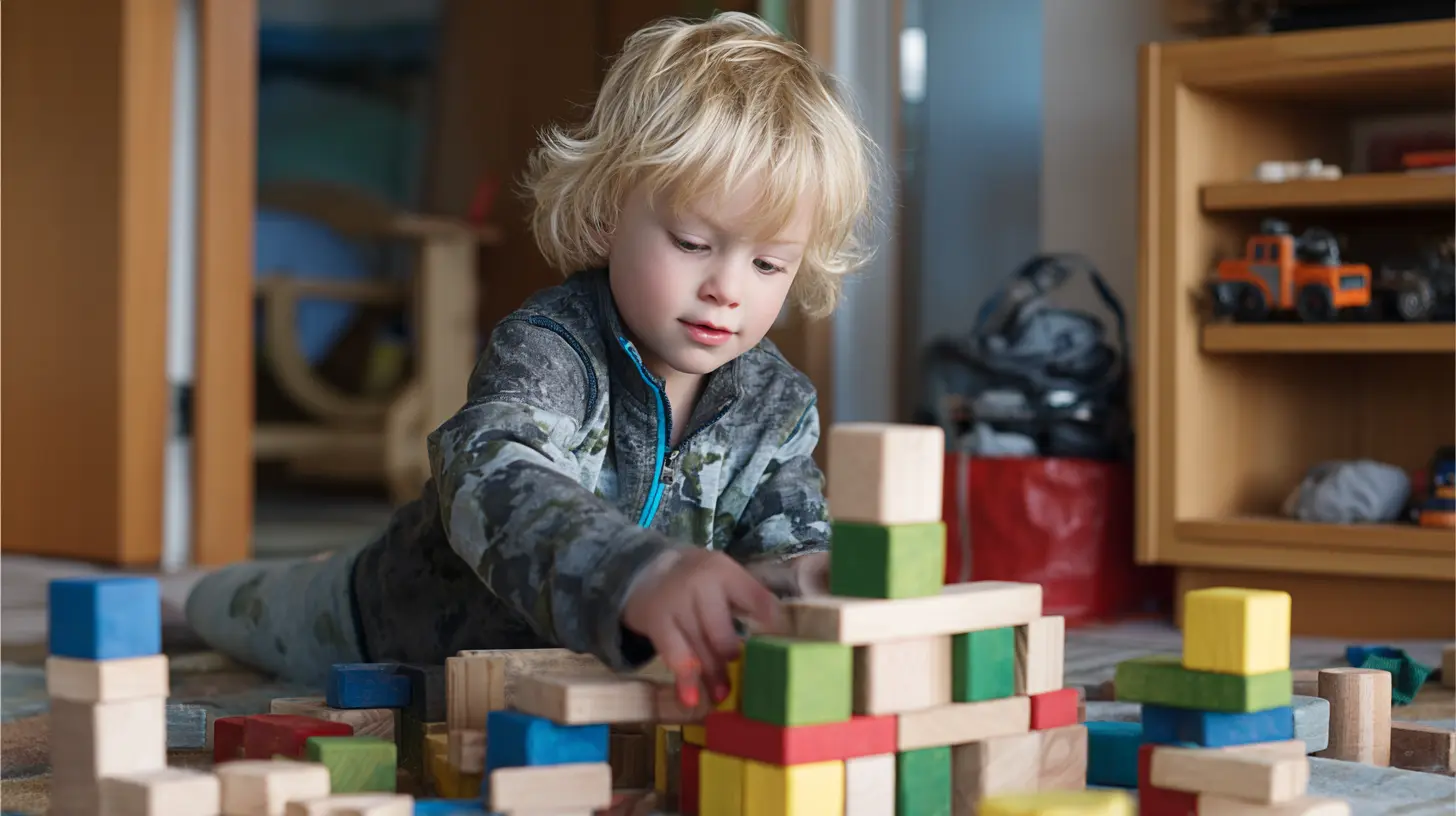
Why Transitions Are So Hard for Children
Before you can fix a problem, you need to understand its mechanics. Adults move between tasks dozens of times a day without much thought. We finish an email, stand up, and walk to a meeting. We do this because our prefrontal cortex, the part of the brain responsible for planning and shifting attention, is fully developed. A child's prefrontal cortex is not. It is a work in progress, and it will be for another two decades. What this means in practical terms is that a child does not choose to ignore your request to put on shoes. They literally cannot shift their attention as quickly as you can.There is also the issue of emotional investment. When you are an adult, leaving the park means going home to cook dinner, check your phone, and relax. Leaving the park for a child means ending the most fun part of their day. They are not being dramatic. They are being accurate. Play allows you to acknowledge that loss while giving them a path forward that feels like a continuation rather than an ending. Instead of stopping the fun, you transform it into something else.
Another factor is time perception. Children experience time differently. Five minutes feels like an hour when they are waiting for something they do not want, and it feels like five seconds when they are engaged in something they love. Your announcement of "five more minutes" is meaningless to a child who has no internal clock. Play solves this by making the transition itself the focus, not the abstract concept of time.
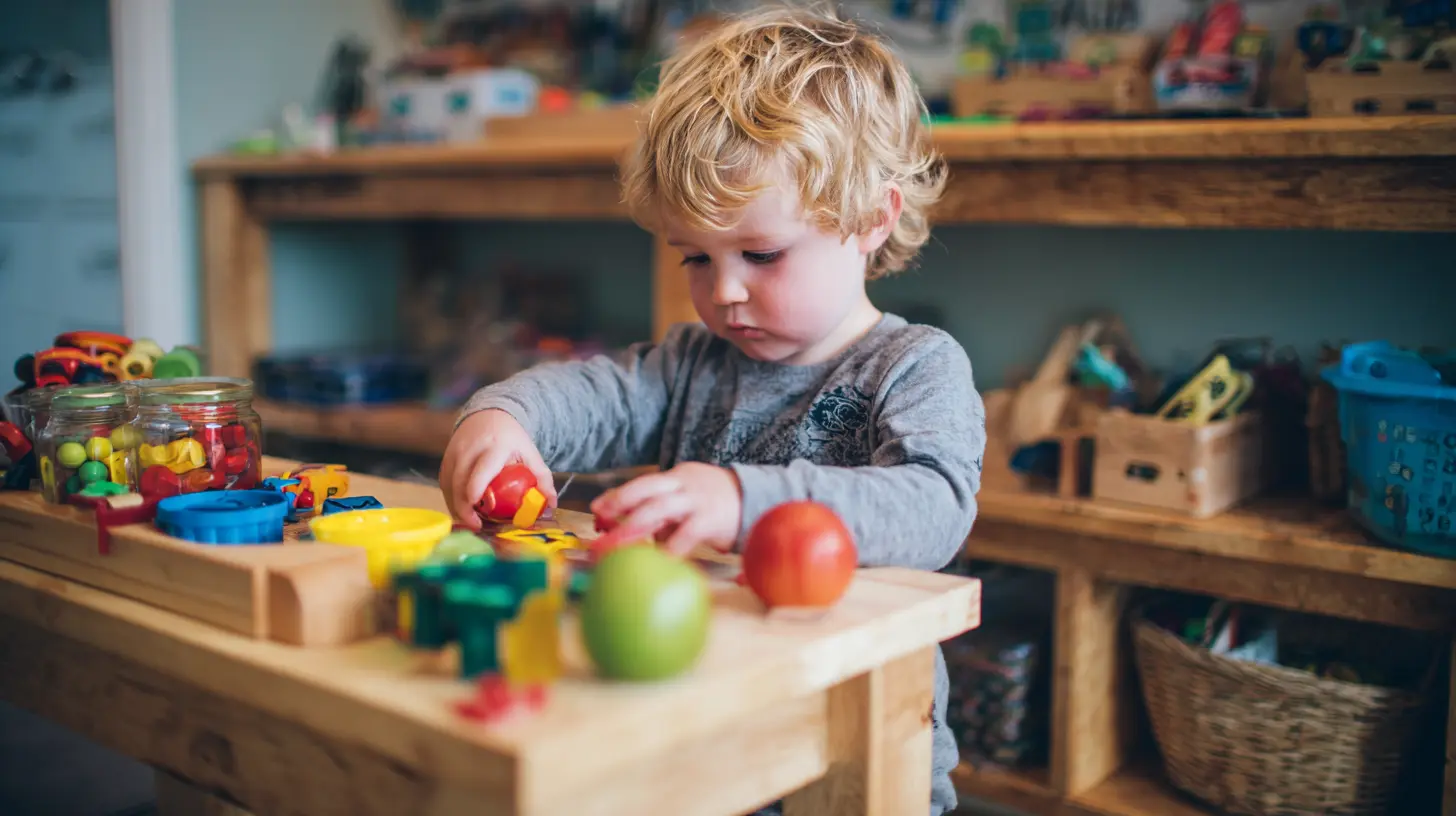
The Mechanics of Playful Transitions
The core principle is simple. You do not announce a change. You invite a game that leads to the change. This is not manipulation. It is translation. You are translating your adult agenda into a language your child can understand and, more importantly, want to participate in.Start with the warning. A verbal countdown is useful, but a playful countdown is better. Instead of saying "We leave in five minutes," say "In five minutes, we are going to turn into penguins and waddle to the car." This does two things. It gives your child a concrete image to hold onto, and it creates a positive association with the upcoming event. The child is not dreading the car. They are anticipating the waddle.
The key is to make the play simple and immediate. You do not need elaborate props or costumes. Your voice and your willingness to be silly are enough. The more ridiculous you are willing to be, the more engaged your child will be. A parent who pretends to be a sleepy robot while gathering toys is far more effective than a parent who repeats "clean up time" in a stern voice.
The Power of Choice Within Play
One of the biggest mistakes parents make is offering a choice when a choice does not exist. "Do you want to leave now?" is not a real question. The answer is always no. Instead, offer a choice within the playful frame. "Do you want to fly to the car like an airplane or hop like a bunny?" This gives your child a sense of agency without giving them control over the outcome. They are still leaving. But they are leaving on their own terms, within the boundaries you have set.This works because children crave control, especially when they feel powerless. Transitions are often the only time they can exert influence over their day. By offering a playful choice, you give them a safe outlet for that need. You are not fighting their desire for control. You are channeling it.
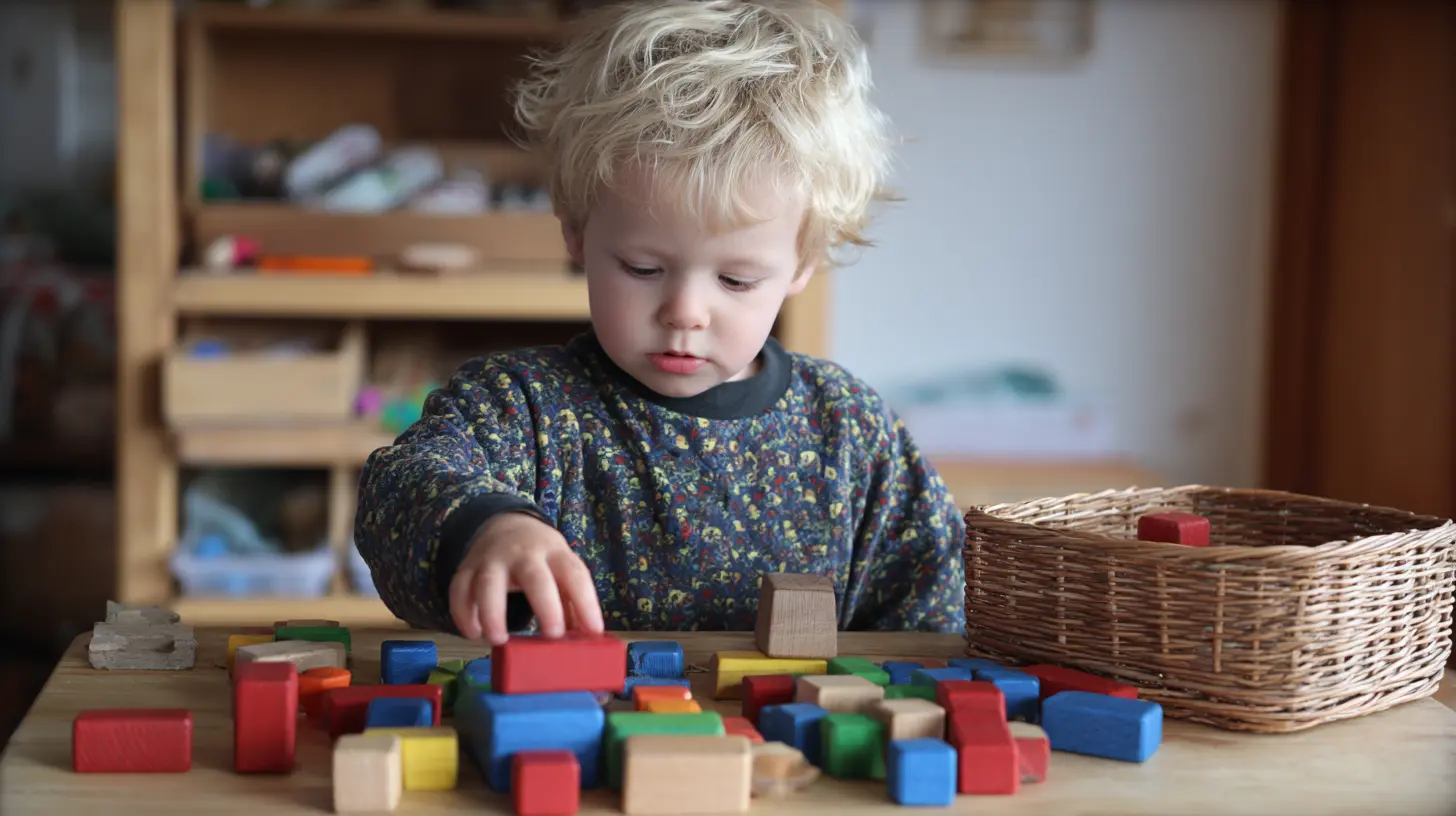
Building Routines That Feel Like Games
Routines are different from transitions. A transition is a single moment of change. A routine is a sequence of moments that repeat daily. Routines are powerful because they reduce decision fatigue for both parent and child. When a child knows what comes next, they feel secure. But routines can become boring, and boredom leads to resistance. Play is the antidote to that boredom, and it is the glue that holds a routine together.The Morning Routine
Mornings are the classic stress point. Everyone is tired, the clock is ticking, and there is no time for games. But the truth is, you do not have time to skip the games. A child who resists getting dressed, eating breakfast, and brushing teeth will eat up far more time than the two minutes you spend turning the process into a game.Try the "Race the Clock" game. Set a timer for five minutes and say "Let us see if we can get your clothes on before the timer goes off. If we do, you get to choose the song for the car ride." This is not a bribe. It is a challenge, and children love challenges. The timer is an external authority, so you are not the bad guy. The clock is the bad guy.
Another approach is the "Clothing Menu." Instead of picking out your child's clothes, lay out three options and describe them in playful terms. "We have the red shirt that makes you run fast, the blue shirt that makes you sing loud, and the green shirt that makes you jump high." Your child picks one, and suddenly they are not being dressed. They are choosing their superpower for the day.
The Bedtime Routine
Bedtime is where play is most misunderstood. Many parents think that play winds children up, so they try to go straight from active play to lights out. That is a recipe for failure. The goal is not to eliminate play at bedtime. The goal is to change the type of play.The "Sleepy Animal" game is highly effective. After brushing teeth and putting on pajamas, you say "Let us pretend we are sleepy animals. I am a sleepy bear, and I am going to yawn three times and crawl into my cave." Then you crawl into bed with exaggerated yawns. Your child will imitate you because imitation is natural, and the physical act of yawning is contagious. It actually helps them relax.
Another powerful tool is the "Talking Stick" or "Worry Stone" game. Give your child a small object and explain that when they hold it, they can say anything they want about their day. Then you hold it and share something about yours. This builds a routine of communication that is playful but also meaningful. It gives your child a structured way to process the day, which makes it easier for their brain to let go and fall asleep.
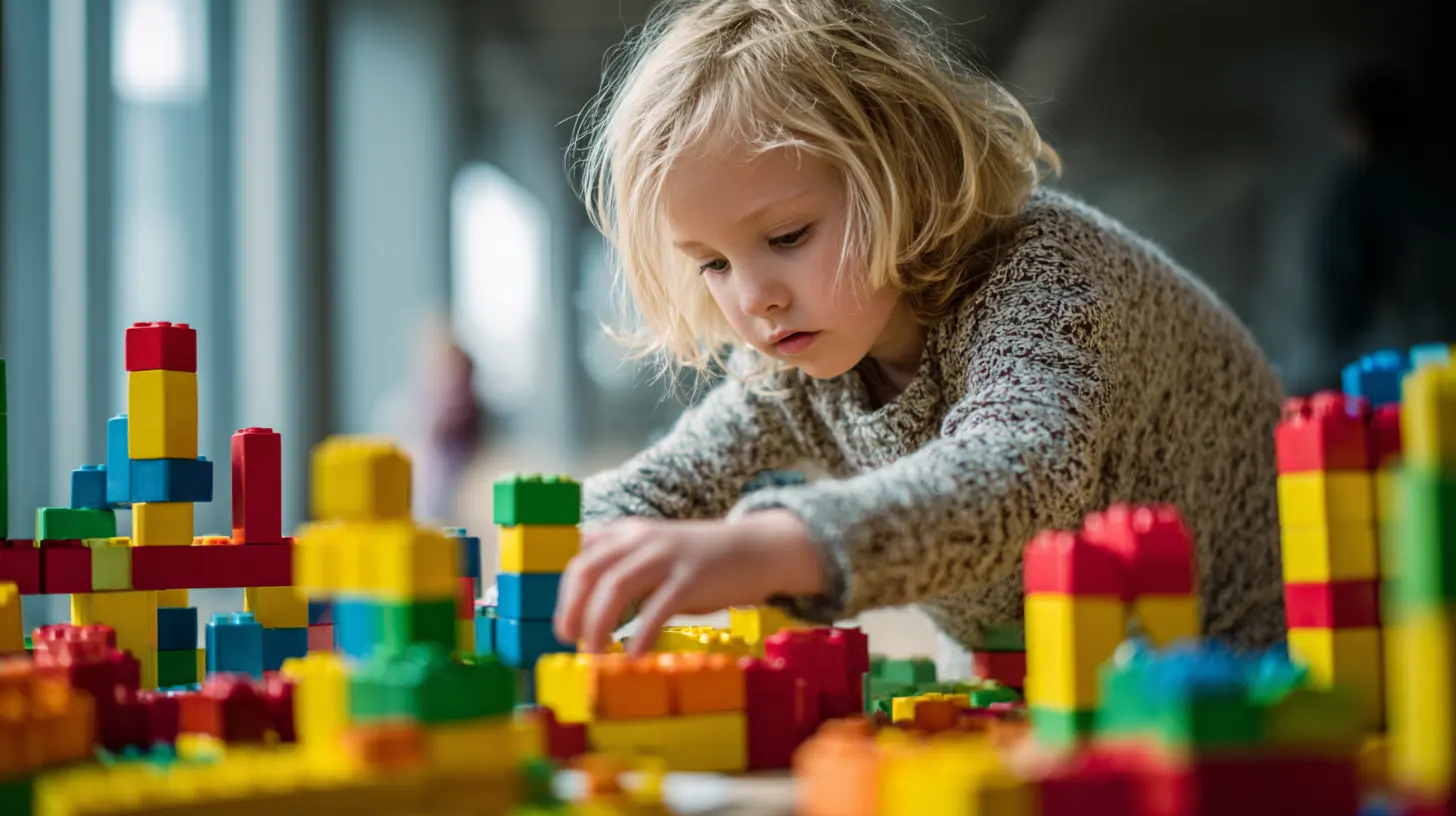
Common Mistakes and Why They Backfire
Even with the best intentions, parents make mistakes when trying to use play. The most common is using play as a reward only. If you only play when your child is good, they will learn that play is conditional. Play should be a constant, not a prize.Another mistake is giving up too quickly. The first time you try to get your child to put on shoes by pretending the shoes are hungry and want to eat their feet, your child might look at you like you are insane. That is normal. Play is a skill, and it takes practice. If you abandon the approach after one failed attempt, you are teaching your child that resistance works. Stick with it for at least a week. The more you play, the more your child will expect it and respond to it.
A third mistake is being too complex. Play does not need a storyline. It does not need a moral. It does not need to be educational. It needs to be engaging. If you are spending more time explaining the game than playing it, you have missed the point. Keep it simple. Keep it short. The transition should not take longer than the actual task.
The Trap of Sarcasm and Mockery
This is a subtle but critical point. Playful transitions only work if they are genuine. If you use a playful tone but your body language says "I am annoyed and this is stupid," your child will pick up on it. They are experts at reading your emotional state. Do not use play as a passive-aggressive way to mock your child's slowness or resistance. The moment play becomes a weapon, it stops working. Your child will feel the difference between "Let us be silly together" and "I am making fun of you because you are not cooperating."When Play Does Not Work
There are times when play is not the right tool. If your child is having a full meltdown, a game will not help. When a child is in the middle of a tantrum, their fight-or-flight response is active. They cannot process humor or imagination. Trying to introduce a game at that moment will feel like you are dismissing their feelings. The correct response is to acknowledge the emotion, provide comfort, and wait for the storm to pass. Once they are calm, you can reintroduce play to move forward.Play also does not work when it is used to hide real issues. If your child is refusing to go to school every single day, turning the walk to the car into a game is not enough. You need to investigate what is happening at school that is causing the resistance. Play can ease the transition, but it cannot fix the underlying problem. Use play as a supplement to good communication, not a replacement for it.
There is also a difference between using play to ease a transition and using play to avoid a transition. If your child is playing a game to delay bedtime, that is not a playful routine. That is procrastination. The game should be part of the routine, not a reason to extend it. Set a clear boundary. "We play the sleepy animal game for three minutes, and then the lights go off." If your child tries to extend the game, that is a sign that they are not ready for bed, which is a different conversation.
The Long-Term Benefits of Playful Routines
The short-term benefit of playful transitions is a smoother day. The long-term benefit is much more important. When you use play to build routines, you are teaching your child that change is not scary. You are showing them that they have the ability to cope with new situations. This is a life skill.Children who grow up with playful routines tend to be more flexible. They learn that there is always a way to make a boring task interesting. They learn that they have agency, even in situations they did not choose. This builds resilience. When they encounter a difficult transition as an adult, like a new job or a move to a new city, they will not have a parent there to play the sleepy animal game. But they will have an internalized sense that they can handle it, that they can find a way to make it work.
Another long-term benefit is the quality of the parent-child relationship. When you play with your child, you are not just getting them to put on their shoes. You are building trust. You are showing them that you see the world from their perspective. You are creating shared memories. The bedtime routine of pretending to be sleepy animals will be remembered long after the child has outgrown it. That is the kind of memory that forms the foundation of a lifelong bond.
How to Start Today
You do not need a plan. You do not need to read more books. You just need to start small. Pick one transition that is causing the most friction. It might be leaving the house in the morning. It might be getting into the car seat. It might be turning off the television.Start with a simple playful warning. "In two minutes, the TV is going to take a nap, and we are going to become superheroes and fly to the kitchen for dinner." Then commit to the game. Do not break character. If you say you are flying, flap your arms. If you say you are superheroes, make a whooshing sound. Your child will follow your lead.
Expect resistance at first. Expect to feel silly. Expect to feel like it is not working. Then, after a few days, notice the shift. The whining will decrease. The negotiation will decrease. You will start to hear your child ask "What game are we playing today?" That question is the goal. That question means that your child is no longer dreading the transition. They are anticipating the play. That is the moment when you realize that you are not just managing behavior. You are building a relationship.
The Role of Parental Energy
Here is the honest truth. Playful parenting is exhausting. It takes more energy to pretend to be a robot picking up toys than it does to just pick up the toys yourself. This is why many parents abandon the approach. They are tired, and they do not have the bandwidth to be silly at 7 AM.You do not have to be playful all the time. That is not realistic, and it is not necessary. The goal is to use play strategically, at the moments when it matters most. If you are having a low-energy day, skip the game and use a calm, predictable routine instead. The routine will carry you. Play is a tool, not a requirement. Use it when you have the energy, and do not feel guilty when you do not.
There is also a difference between being playful and being a performer. You do not need to be a children's entertainer. You just need to be present. A simple shift in tone, a slight exaggeration in your voice, a willingness to pause and look at your child with a smile, is enough. The most powerful play is the play that invites your child to lead. You do not have to come up with the idea. Ask your child "How should we get to the car today?" and let them decide. You will be amazed at what they invent.
Final Thoughts on Play and Structure
Some parents worry that using play will make their children less disciplined. The opposite is true. Play is a form of discipline, in the original sense of the word. Discipline means to teach, not to punish. When you use play to guide your child through transitions, you are teaching them self-regulation. You are teaching them that they can manage their own emotions. You are teaching them that they have the power to choose their response to a situation.The structure of a routine provides the safety. The play provides the joy. You need both. A routine without play is rigid and cold. Play without a routine is chaos. When you combine them, you create an environment where a child can thrive. They know what to expect, and they are excited about it.
The next time your child resists a transition, pause before you raise your voice. Ask yourself one question. "How can I make this a game?" That single question will change your parenting. It will change your child's day. And over time, it will change the entire atmosphere of your home. You will not have eliminated every meltdown or every moment of resistance. Those are part of childhood. But you will have built a foundation of trust, creativity, and connection that will make the hard moments easier to bear and the good moments even better.
Play is not a break from parenting. It is parenting at its most effective. It is the shortest path between what you need your child to do and what your child wants to feel. Use it generously, use it often, and use it with the full confidence that you are doing something deeply right.
all images in this post were generated using AI tools
Category:
Play Based LearningAuthor:

Steven McLain
Discussion
rate this article
2 comments
Oliver McElveen
Play is basically just adulting in disguise... if only bedtime came with a snack break!
September 7, 2026 at 4:39 AM
Steven McLain
I love that perspective! Play does have a way of making the hard stuff feel lighter, snack breaks included.
Clover McElhinney
Play transforms transitions into engaging moments, allowing children to embrace change with curiosity. It builds routines that nurture resilience and fosters a loving environment.
September 2, 2026 at 2:54 AM
Steven McLain
Thank you for your insightful comment. I completely agree that play is a powerful tool for helping children navigate change and develop resilience. It truly creates a nurturing space for growth.