Tips for Encouraging Introverted Kids to Try Sports
3 March 2026
Sports can be a fantastic way for kids to build confidence, make friends, and stay active. But for introverted children, the idea of joining and participating in sports can feel overwhelming. Large groups, loud environments, and the pressure to perform can make even the most fun activities seem like a nightmare.
So, how do you encourage an introverted child to dip their toes into the world of sports without making them feel uncomfortable or pressured? The key is to approach it with understanding, patience, and the right strategies. Let’s dive into some helpful tips to gently encourage your introverted kiddo to give sports a shot!
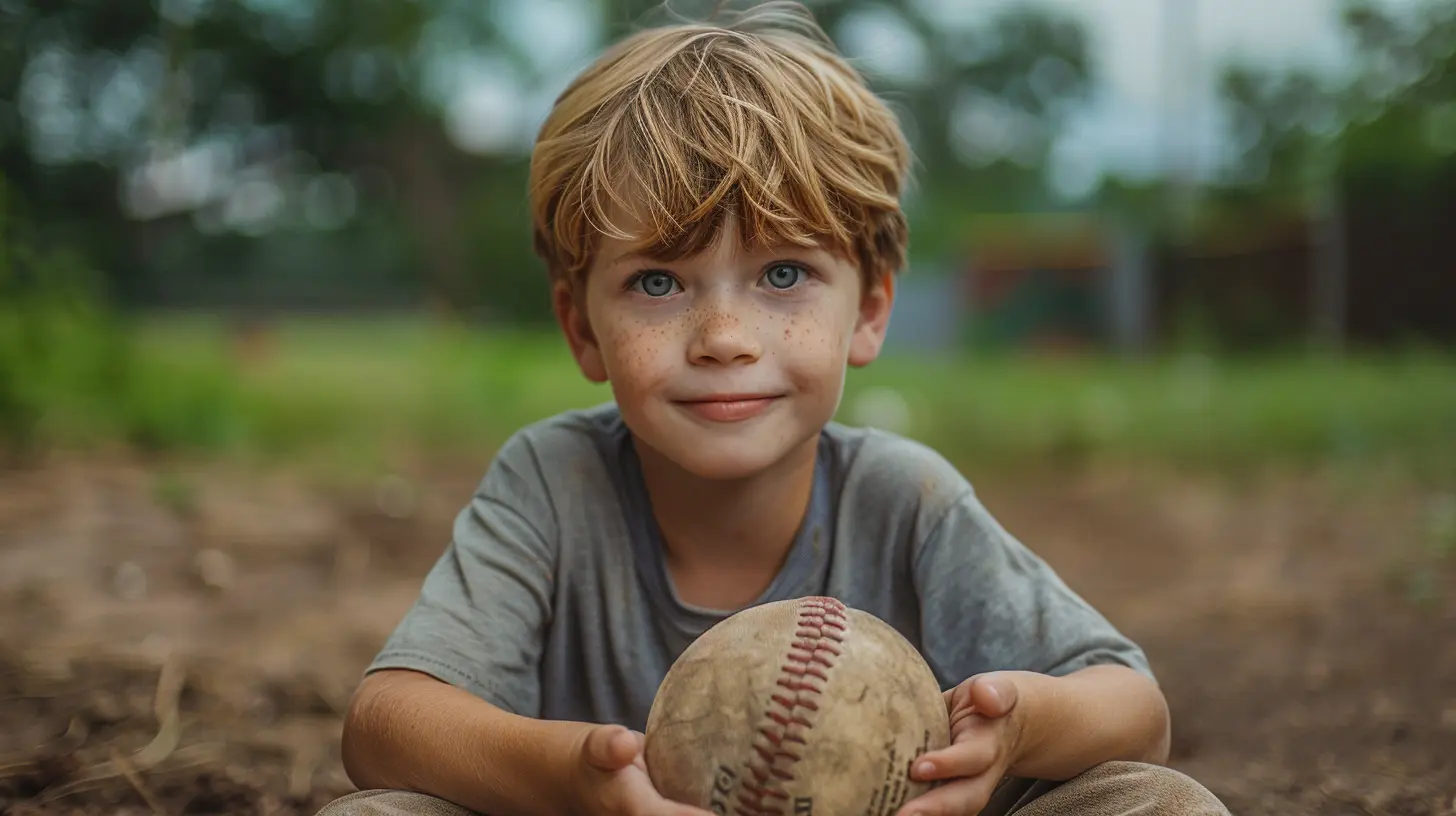
1. Understand and Respect Their Personality
Before anything else, it’s crucial to acknowledge that being introverted isn’t a flaw—it's simply a different way of interacting with the world. Introverted kids often prefer solo activities, need alone time to recharge, and can feel drained by too much social interaction.Instead of trying to "fix" their introversion, work with it. Find sports and environments that align with their comfort levels. Pushing them too hard can backfire and make them resist sports altogether.

2. Start Small and Low-Pressure
Throwing your child straight into a competitive team setting might be overwhelming. Instead, ease them in:- Start with casual, non-competitive play with family or close friends.
- Introduce them to sports that allow for individual progress like swimming, gymnastics, or martial arts.
- Let them try out different sports through trial classes or recreational leagues before committing to one.
By starting small, you give them the chance to develop skills and confidence without the weight of social pressure.

3. Let Them Choose the Sport
Not every kid is cut out for soccer or basketball, and that’s okay! Rather than pushing them into the most popular team sports, allow them to explore different options.Some sports that tend to be more introvert-friendly include:
- Swimming – It’s individual-focused, yet still allows a sense of team belonging.
- Martial arts – Teaches discipline, focuses on personal growth, and builds confidence.
- Track and field – Offers independent participation while being part of a team.
- Tennis or badminton – Can be played solo or with just one partner.
- Biking or running – Great for kids who enjoy setting personal goals.
Giving them a say in what they try will make them more invested and less reluctant to participate.

4. Find the Right Coach or Instructor
Coaching style can make or break a child’s experience with sports. A loud, high-energy coach who demands constant communication may feel intimidating to an introverted child. Instead, look for a coach who:- Encourages personal progress rather than just competition.
- Is patient and understanding of different personality types.
- Fosters a positive, low-pressure environment.
A supportive and gentle coach can do wonders in helping your child feel at ease.
5. Pair Them With a Friend
For many introverted children, the scariest part of joining a new activity is the social aspect. A familiar face can ease some of this anxiety. If possible, enroll them in a sport with a friend, sibling, or even a trusted classmate.Having someone they know provides a sense of security and makes the transition easier. Plus, sharing the experience with a buddy can make it more enjoyable.
6. Encourage Progress Over Perfection
Introverted kids might hesitate to participate in sports because they fear failure or being the center of attention. Help them focus on progress rather than performance. Instead of emphasizing winning or being the best, celebrate:- Small improvements in skills.
- Their willingness to try something new.
- The personal achievements they make, no matter how small.
By shifting the focus, they’ll feel more comfortable taking risks and learning at their own pace.
7. Respect Their Need for Downtime
Unlike extroverted kids who thrive on social interactions, introverts need time alone to recharge. If they’ve had a long day at school or a busy weekend, they might not be eager to jump into a high-energy sport immediately.Be mindful of their energy levels and allow them some downtime before or after practice. Balancing social activities with their need for quiet time ensures they don’t feel overwhelmed.
8. Make It a Family Affair
Sometimes, the best way to spark interest in sports is by making it a family activity. Instead of just signing them up for a league or class, find ways to incorporate sports into everyday life:- Go for a family bike ride.
- Play a casual game of soccer in the yard.
- Have a weekend swim at the local pool.
- Try hiking or rock climbing together.
When sports become a natural part of family fun rather than an obligation, your child may be more inclined to participate willingly.
9. Use Positive Reinforcement
Acknowledging your child’s efforts and progress can go a long way in building their confidence. Praise their courage for trying, and celebrate their small victories, no matter how minor.Saying things like:
- "I love how you kept trying, even when it was tough!"
- "That was an awesome shot, you’re improving so much!"
- "You should be proud of yourself for trying something new."
Reinforces their sense of accomplishment and motivates them to keep going.
10. Be Patient and Supportive
At the end of the day, not every child will fall in love with sports, and that’s okay. The goal isn’t to force them into something they dislike but to help them find a way to enjoy physical activity in a way that suits their personality.Encouraging, rather than demanding, allows them to develop confidence on their own terms. Even if traditional team sports aren’t their thing, they might find joy in other physical activities like yoga, dance, or even rock climbing.
Final Thoughts
Encouraging an introverted child to try sports is all about patience, understanding, and a gentle approach. By allowing them to explore different options, respecting their comfort levels, and providing a supportive environment, you can help them step out of their shell—without pushing them too far.The key is to make sports enjoyable, not stressful. After all, the best way to keep a child engaged in physical activity is to show them that it's something they can love on their own terms.
all images in this post were generated using AI tools
Category:
Kids And SportsAuthor:

Steven McLain
Discussion
rate this article
2 comments
Roxie Huffman
Thank you for sharing these insightful tips! It's so important to honor our introverted kids' unique needs while gently encouraging them to explore new activities. With patience and understanding, we can help them discover the joy of sports at their own pace.
March 7, 2026 at 4:46 PM
Steven McLain
Thank you for your thoughtful comment! I completely agree—supporting introverted kids with patience and understanding is key to helping them thrive in sports.
Patrick McAllister
Absolutely! Introverted kids thrive when given gentle encouragement and safe environments. Focus on small, enjoyable experiences in sports, emphasizing fun over competition. This builds confidence and fosters a love for physical activity.
March 5, 2026 at 4:05 AM
Steven McLain
Thank you for your thoughtful comment! I completely agree that a supportive atmosphere and a focus on enjoyment can make a big difference for introverted kids in sports.