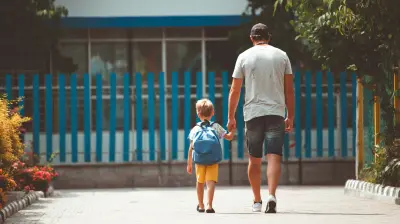
Understanding and Overcoming a Child’s Fear of Being Alone
30 July 2026
No parent is fully prepared when their child clings to them, begging not to be left alone—not even for a second. You might brush it off at first, maybe think it’s just a phase…but then it lingers. That fear of being alone starts to shape bedtime routines, playdates, and even simple trips to another room.
Fear. It's a powerful emotion, especially in children. When it comes to solitude, even the most confident kids can struggle. But why is that? Why do some children become terrified of being left alone? And more importantly—what can we do about it?
Let’s walk through this together, uncover what’s behind that fear, and figure out how to gently guide your child toward confidence and independence.
Why Are Some Children Afraid of Being Alone?
Children’s imaginations are wild, aren’t they? They can come up with the most elaborate stories and scenes from the tiniest seed of an idea. Now, imagine pairing that imagination with a limited understanding of the world around them. That’s a recipe for fear.Being alone can feel like being dropped into an unknown world for a child. It’s silent, unfamiliar, and when nobody’s there to offer comfort or protection, it can feel downright scary.
But fear of being alone isn’t just about the dark or creepy noises. It’s often tangled up with deeper emotions.
Common Causes
Let’s break down a few possible reasons your child might be scared to be alone:- Separation Anxiety: This usually shows up in younger children but can persist into later years. It’s the fear that you’ll leave and not come back.
- Lack of Control: Kids crave routine and predictability. Being alone removes that sense of stability.
- Past Experiences: If they were left alone and something scary happened (even something as simple as a power outage), that memory can linger.
- Media Overload: Cartoons, scary stories, or even something they overheard can spark irrational fears.
- Developmental Stage: It’s normal. As they mature, their brain develops the ability to process fears better.
Signs Your Child Fears Being Alone (It’s Not Always Obvious)
Some kids will flat-out say they’re scared. Others? Not so much. Fear wears many disguises.Here’s what to watch for:
- Refuses to sleep alone
- Becomes anxious or clingy when you leave the room
- Makes excuses to stay close to you (sound familiar?)
- Gets upset during playdates or school drop-offs
- Talks about “monsters,” “bad guys,” or “what-ifs”
These behaviors might be subtle, but if you notice a pattern, there’s likely something deeper beneath the surface.
So...Is This Normal?
You bet it is. Nearly all children go through a phase where being alone feels like walking through a haunted house with the lights off. It’s uncertain. It’s unfamiliar. And it’s intimidating.The key? Recognizing when fear turns into avoidance. That’s when it can start to impact your child’s growth—and your day-to-day life.
Helping Your Child Face Their Fear (Without Forcing It)
Here’s the twist: You can’t force fear out of them. You can’t just say, “There’s nothing to be afraid of!” and expect it to stick.Fear is emotional, not logical. To help your child work through it, you have to meet them where they are.
Let’s dive into some tried-and-true strategies.
1. Start With Empathy – Always
You might feel frustrated (you’re only going to the bathroom, after all), but to your child, it feels like you’re disappearing into the abyss.Use phrases like:
- “I know it feels scary to be alone sometimes.”
- “I used to feel that way when I was your age.”
- “You’re safe, even if I’m not right next to you.”
Reassurance is like a security blanket. They need to know their feelings are valid before they can let go of them.
2. Create a Brave Routine
Make bravery part of the daily routine. Start small. Really small.- Leave the room for 30 seconds and come right back.
- Let them play alone while you’re nearby.
- Celebrate their bravery every time they succeed.
No milestone is too small for celebration. Remember, this is their climb up the mountain.
3. Give Them Tools (Literally)
Nightlights, stuffed animals, a “magic” bracelet—sometimes, having something tangible can offer comfort.Let them choose an item that makes them feel “strong” or “safe.” It puts a bit of the power in their hands, and that matters more than you might think.
4. Set Clear Boundaries with Love
You can be both kind and firm. Set gentle boundaries, like:- “I’ll be in the kitchen while you play in your room.”
- “It’s okay to be nervous. I’m still close by.”
If they sense your confidence, they'll begin to borrow a little of it for themselves.
5. Tell Stories of Courage
Kids love stories. Use them. Whether it’s a bedtime tale or a quick chat at lunch, weave in examples of brave characters who learned to be okay being alone.Even better—tell real-life stories about when you were young and scared. That connection is gold.
6. Cut Off the Scary Supply
Sometimes, the fear comes from what they’re absorbing. Be mindful of:- TV shows or YouTube videos
- Siblings telling spooky stories
- Overhearing adult conversations
Reduce the unknowns, and their world starts to feel a little more manageable.
7. Practice Mindfulness (Yes, Even for Kids)
Teach your child simple breathing exercises. Help them learn phrases like:- “I am brave.”
- “I am safe.”
- “Mom is coming back.”
These mantras might sound small, but to a child, they’re powerful tools to quiet the chaos inside.
When to Be Concerned
If the fear is getting worse, not better—if it’s interfering with school, friendships, or sleep—it might be time to talk to a professional.Therapists can help uncover deeper issues, and trust me, there’s no shame in getting help. We all need a village sometimes.
Your Role as a Parent: The Calm in Their Storm
You don’t have to be perfect. You don’t need all the answers.But your calm presence, your patience, and your belief in your child’s ability to overcome this fear—that’s what will carry them through.
Think of yourself as the lighthouse in their fog. No matter how lost they feel, your light is what guides them home.
Let’s Wrap It Up: Fear Isn’t the Enemy
Understand this—fear is natural. It’s part of growing up. What matters most is how we help our kids face it.So next time your child pleads with wide eyes not to be left alone, take a deep breath. Know that this is a moment of growth, not weakness.
Don’t rush it. Don’t panic.
Just hold space for their fear, plant seeds of bravery, and watch what blooms.
Because eventually, they’ll venture into that once-scary room on their own... and you’ll both be proud of how far they’ve come.
Quick Tips To Keep In Your Back Pocket:
- Start with small, manageable alone-time moments- Use transitional objects (toys, notes, etc.)
- Keep routines predictable and reassuring
- Celebrate every act of bravery
- Keep your own energy calm and confident
Final Thought
Helping your child conquer their fear of being alone isn't about removing the fear altogether—it’s about walking with them through it until they realize they can stand on their own. And when they do? It’s nothing short of magical.all images in this post were generated using AI tools
Category:
Dealing With FearsAuthor:

Steven McLain
Discussion
rate this article
1 comments
Thor Newman
In the quiet shadows where fears reside, a gentle hand can light the way. Every tear tells a story, and every hug brings a whisper of courage. Together, we break the silence, turning solitude into a space where love grows, and hearts learn to brave the night.
August 4, 2026 at 4:50 PM
Steven McLain
Thank you for your thoughtful words. It's true that connection can transform fear into strength, helping children feel safe and loved even in their darkest moments.