The Link Between Play and Language Development
23 November 2026
Language is a fundamental tool for communication, and its development in early childhood is crucial for social interaction, academic success, and emotional expression. Interestingly, play serves as an essential catalyst for language development. This article delves into the intricate relationship between play and language, illustrating how different types of play can enhance linguistic skills in children. We will also discuss practical strategies for parents and caregivers to foster this connection.
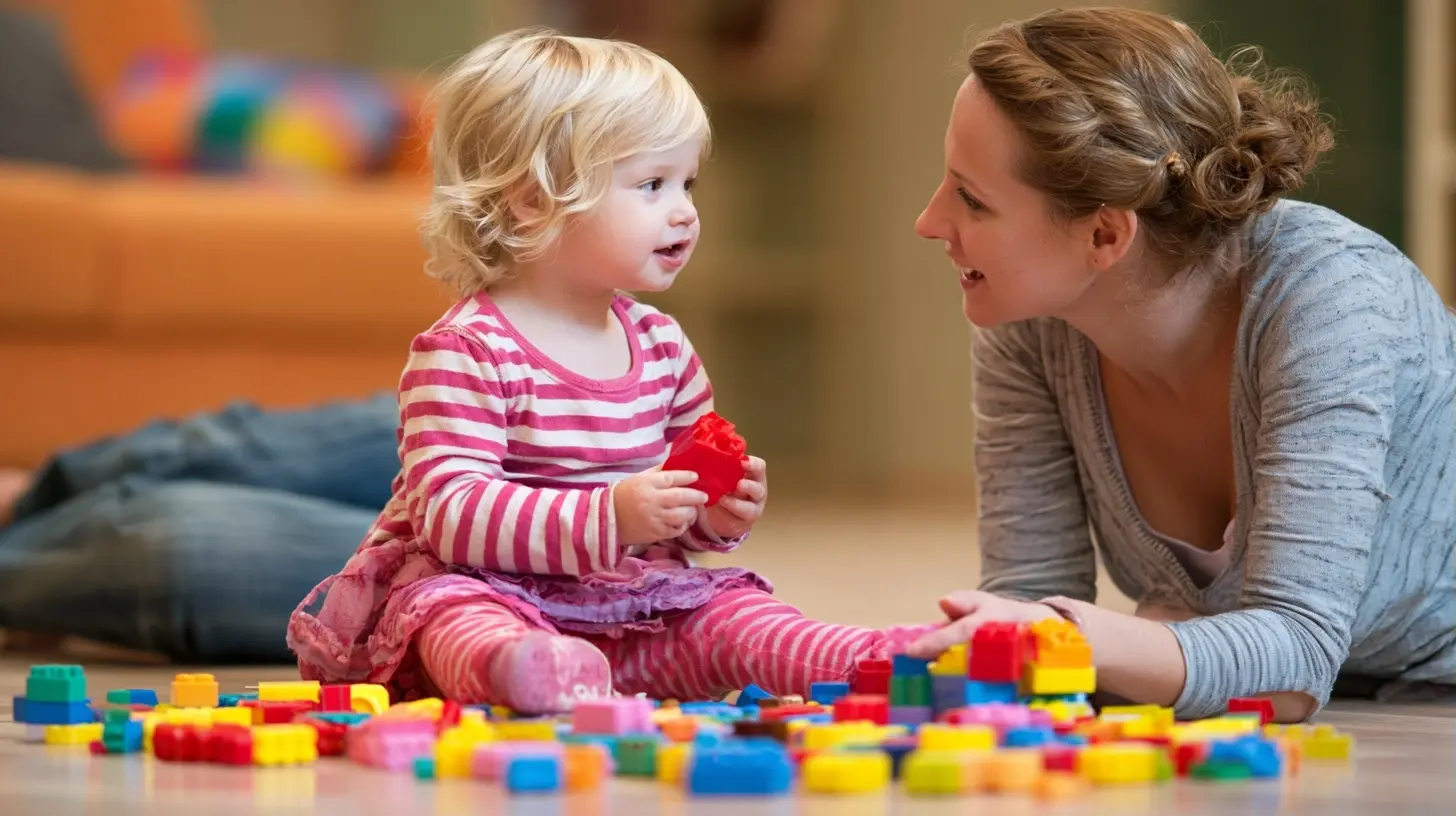
Understanding the Basics of Language Development
Language development typically occurs in stages, beginning with cooing and babbling in infancy and progressing to more complex speech and grammar. By age three, most children can form simple sentences, and by age five, they often engage in more sophisticated conversations. Understanding these stages is vital for parents, as it sets the groundwork for recognizing milestones and potential delays.The Stages of Language Development
1. Pre-linguistic Stage (0-12 months): This stage involves cooing and babbling. Children begin to experiment with sounds, which lays the foundation for speech.2. One-word Stage (12-18 months): Children start using single words to express needs or observations, often referred to as "holophrases."
3. Two-word Stage (18-24 months): Simple phrases emerge, such as "more juice" or "big truck," indicating an understanding of word combinations.
4. Early Multi-word Stage (2-3 years): Vocabulary expands, and children begin to form short sentences, often omitting less critical words.
5. Complex Language Stage (3-5 years): Children develop more complex structures and can engage in conversations, ask questions, and express emotions.
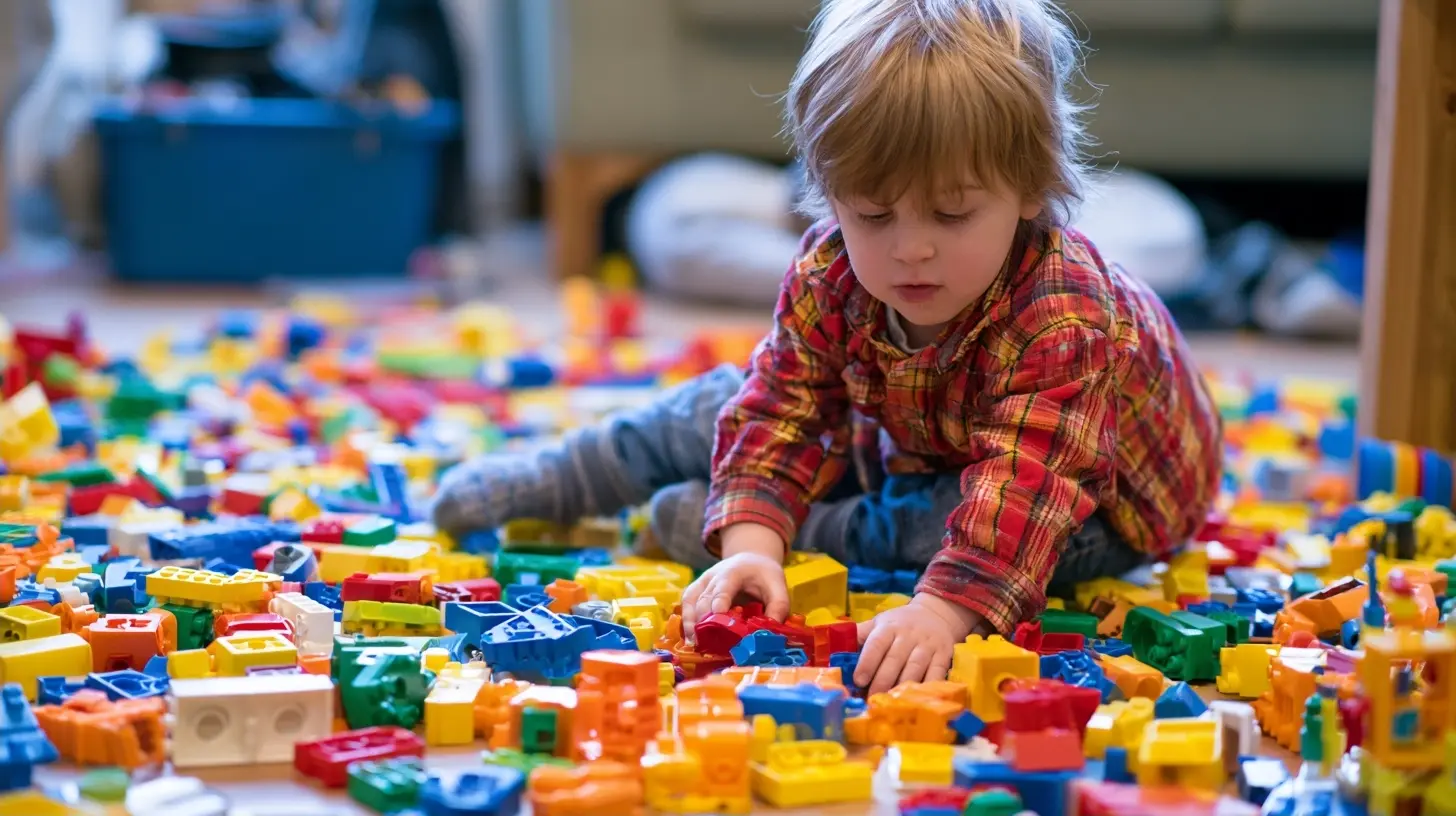
The Role of Play in Language Development
Play is not merely a leisure activity; it is a vital educational tool that fosters cognitive, social, and emotional growth. It provides a natural context for children to experiment with language, practice communication skills, and engage in social interactions. The types of play that can significantly influence language development include:1. Symbolic Play
Symbolic play, or imaginative play, involves using objects, actions, or ideas to represent other objects, actions, or ideas. For example, a child may use a banana as a phone. This type of play encourages creativity and helps children understand abstract concepts, which are essential for language acquisition.Why It Works
Symbolic play allows children to practice language in context. When they engage in role-playing scenarios, they often mimic conversations they have heard, experimenting with vocabulary and sentence structures. This practice is crucial for developing narrative skills and understanding social cues.Practical Tips
- Encourage Role-Playing: Provide props, such as costumes or kitchen sets, and encourage children to act out stories or scenarios.- Join in the Play: Engage with your child during their playtime. Use new vocabulary and ask open-ended questions to expand their language use.
2. Cooperative Play
Cooperative play involves children working together to achieve a common goal, such as building a fort or completing a puzzle. This type of play fosters teamwork and communication skills.Why It Works
In cooperative play, children must negotiate roles, share ideas, and resolve conflicts. These interactions require language, enhancing vocabulary and understanding of conversational dynamics. Children learn how to express their thoughts clearly and listen to others, which are critical components of effective communication.Practical Tips
- Organize Group Activities: Arrange playdates or group activities where children must collaborate. Board games or team sports can be excellent for this.- Model Communication: Demonstrate how to express needs and negotiate during play. For instance, if a conflict arises, guide children on how to voice their feelings and find solutions.
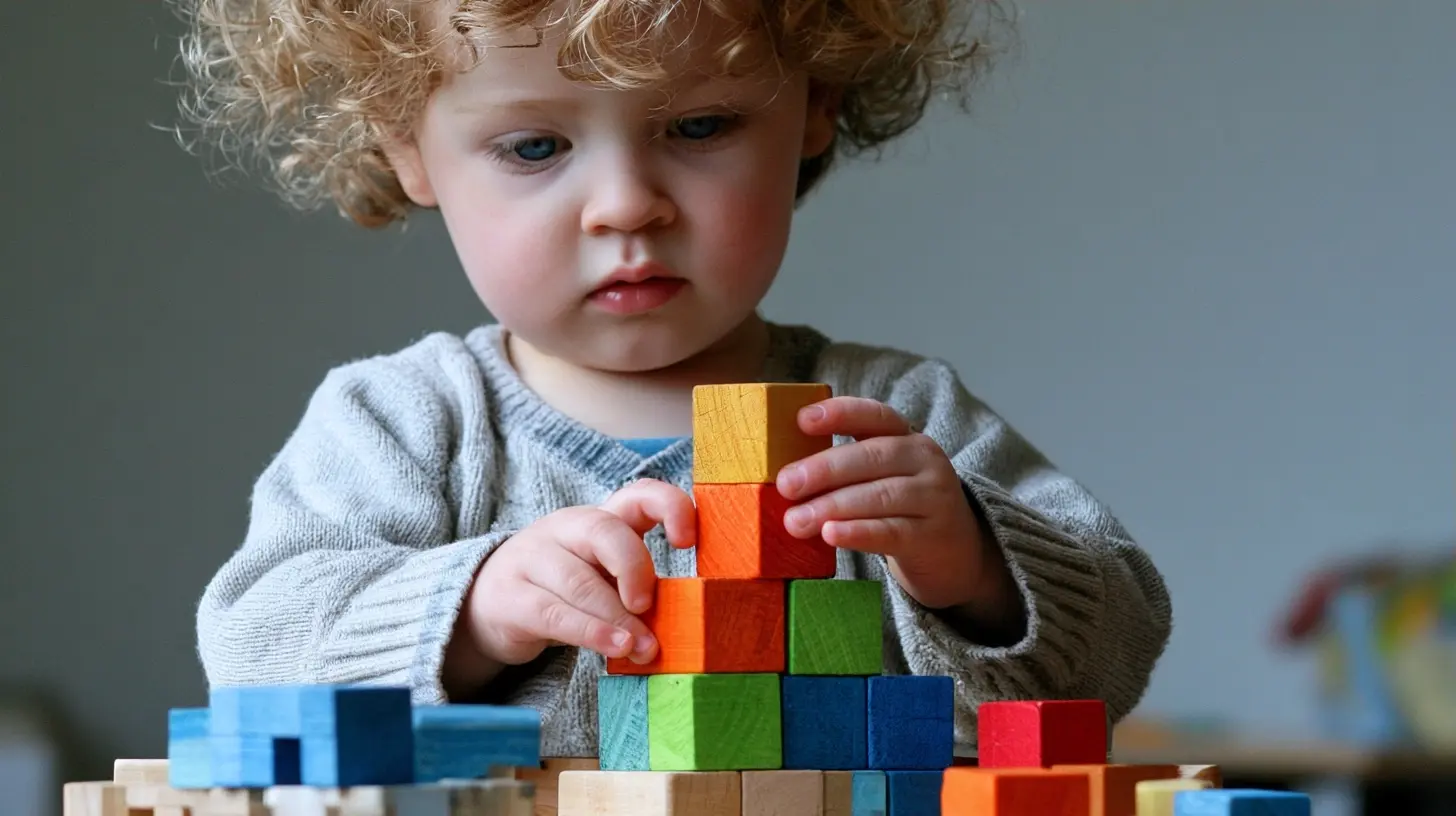
3. Constructive Play
Constructive play involves building or creating something, such as using blocks or crafting. This type of play promotes problem-solving and critical thinking.Why It Works
As children construct, they often narrate their actions, explaining what they are doing and why. This verbalization is crucial for language practice and reinforces vocabulary related to actions, materials, and spatial concepts.Practical Tips
- Provide Building Materials: Offer a variety of materials for building, such as blocks, clay, or recycled items, and encourage children to describe their creations.- Ask Open-Ended Questions: While they build, ask questions like "What are you making?" or "How did you decide to build it that way?" to encourage dialogue.
Common Mistakes and Misconceptions
While the link between play and language development is well-established, some common misconceptions can hinder progress.1. Overemphasis on Structured Learning
Many parents believe that formal education is the only effective way to promote language skills. However, overly structured learning can stifle creativity and natural language use.Balanced Approach
Encourage a mix of free play and structured activities. Children benefit from exploring language in a relaxed environment, allowing for organic learning.2. Ignoring Non-Verbal Communication
Some parents focus solely on verbal skills, neglecting the importance of non-verbal communication. Children learn to communicate through gestures, facial expressions, and body language.Best Practices
Encourage children to express themselves non-verbally and discuss how emotions can be conveyed through body language. This holistic approach enhances overall communication skills.3. Limiting Playtime
In our fast-paced world, playtime is often sacrificed for academic pursuits. However, play is essential for cognitive and linguistic development.Prioritize Play
Make time for unstructured play each day. This not only supports language development but also promotes emotional well-being and creativity.
The Importance of Adult Involvement
While children learn through play, adult involvement can significantly enhance the experience. Parents and caregivers play a crucial role in guiding and enriching playtime.Engaging in Play
Active participation in play allows adults to model language use and introduce new vocabulary. By joining in, adults can also create a safe space for children to express themselves.Providing Feedback
Offering positive reinforcement and constructive feedback during play can help children feel confident in their language skills. Celebrate their successes and gently correct mistakes to promote learning.Real-World Examples
Consider a scenario where a parent and child engage in a grocery shopping role-play. The parent can introduce vocabulary related to food, prices, and shopping. As they act out the scenario, the child practices using these words in context, enhancing their understanding and retention.Another example is a group of children building a fort together. As they collaborate, they discuss what materials to use and how to construct it, practicing language skills while problem-solving.
Conclusion
The link between play and language development is profound and multifaceted. Different types of play-symbolic, cooperative, and constructive-offer unique opportunities for children to enhance their language skills in a natural and engaging manner. By understanding the importance of play and incorporating practical strategies into daily routines, parents and caregivers can support their child's linguistic growth effectively.Encouraging play, providing the right materials, and engaging actively with children can create a rich environment for language development. Remember, every moment spent playing is an opportunity for learning, connection, and growth.
all images in this post were generated using AI tools
Category:
Play Based LearningAuthor:

Steven McLain