Cultivating Gratitude and Generosity in Young Girls
8 July 2026
Raising kids is like herding cats—adorably chaotic and totally unpredictable. And if you're the proud parent of a young girl, you know that balancing princess tea parties with teaching life lessons is a daily adventure.
One of the most important lessons we can instill in our daughters? Gratitude and generosity. Because, let's face it, we'd all rather not raise tiny divas who throw tantrums when they don’t get the latest must-have toy. So, how do we raise kind-hearted, giving little humans in a world obsessed with "me, me, me"? Grab your coffee (or wine, no judgment here), and let's dive in!

Why Gratitude and Generosity Matter
Before we get into the how, let’s talk about the why.Teaching gratitude isn’t just about making sure your child says “thank you” when grandma hands over a birthday gift. It’s about helping them truly appreciate what they have, rather than constantly focusing on what they don’t. Generosity, on the other hand, teaches empathy and fosters deep, meaningful relationships.
Plus, research shows that grateful kids are happier, healthier, and even sleep better. That means fewer bedtime battles. If that’s not motivation to teach gratitude, I don’t know what is! 
1. Model the Behavior You Want to See
Let's be honest—kids are like tiny, unfiltered mirrors. If they see you grumbling about everything, they’re going to do the same. But if they see you expressing appreciation and giving to others, they’ll naturally follow suit.- Say “thank you” often, even for small things.
- Acknowledge kindness when you see it. Example: “That was really sweet of that man to hold the door open for us!”
- Be generous yourself—donate, volunteer, or simply show acts of kindness in front of your kids.
Remember, you are their biggest role model (whether you like it or not). 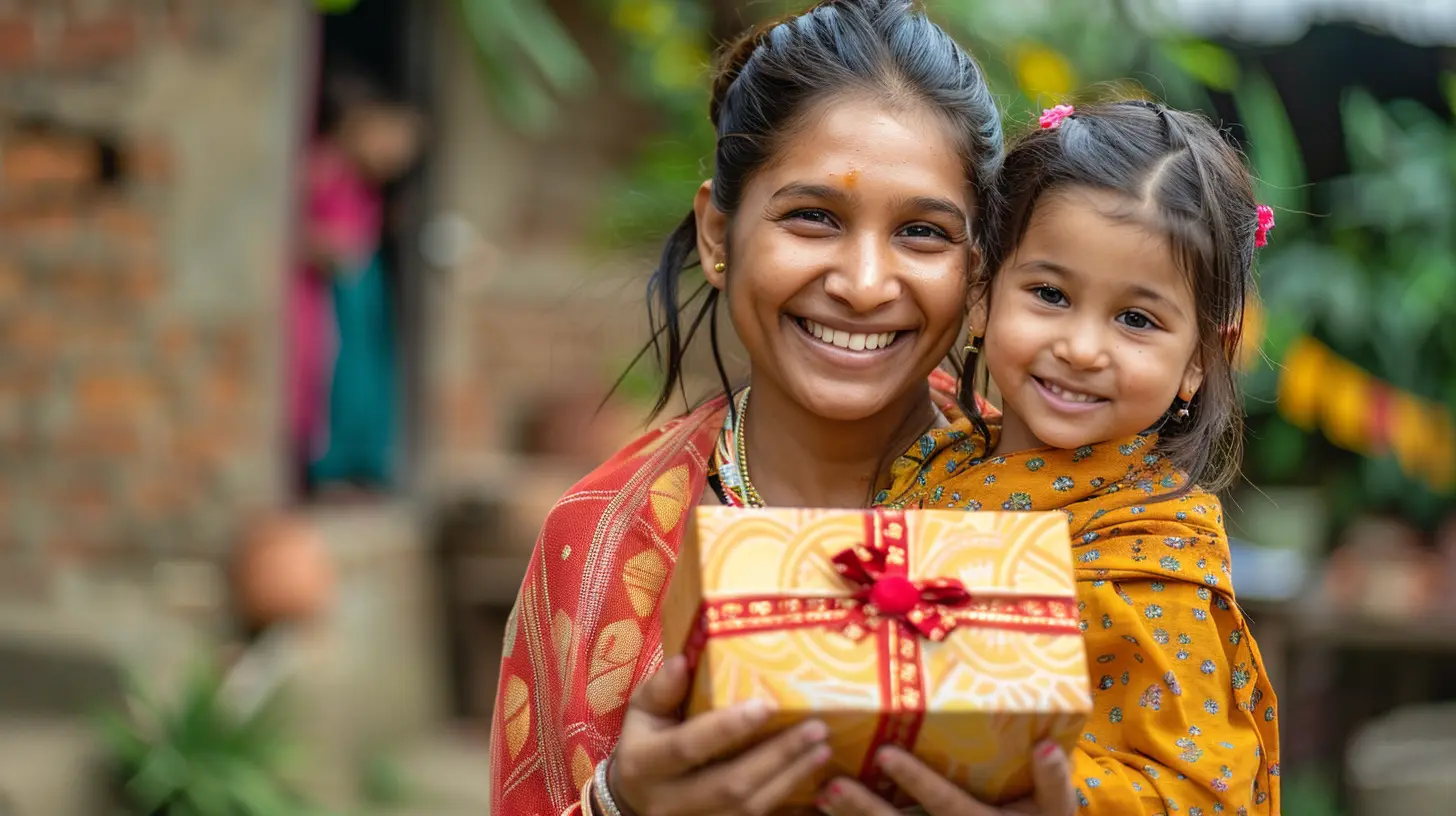
2. Make Gratitude a Daily Habit
Let’s face it—kids have selective hearing. Tell them to clean their room? Miraculously, they didn’t hear you. But mention ice cream, and they’ll appear out of nowhere.To make gratitude stick, it needs to be part of their routine. Try these:
- Gratitude Jars: Encourage your child to write down one thing they’re thankful for each day and put it in a jar. Open it together once a month and read them aloud.
- Dinner Table Gratitude: Go around the table and share one thing you appreciated about your day.
- Bedtime Thank Yous: Before tucking them in, ask, “What was the best part of your day?”
These little moments add up and create an attitude of appreciation. 
3. Turn Giving into a Fun Adventure
Let’s be real—telling your kid, “We’re going to donate some stuff today!” is about as exciting to them as watching paint dry. Instead, make it engaging:- Toy Purge Challenge: Have them pick out toys they no longer play with and explain that they’ll be going to kids who don’t have as many. Make it a game—who can donate the most?
- Generosity Scavenger Hunt: Challenge them to do five kind things in a day—help a friend, draw a picture for someone, share a snack, etc.
- Bake-and-Give Day: Whip up some cookies together and deliver them to neighbors, teachers, or local firefighters. Because nothing spreads kindness like sugar.
By turning generosity into an experience, it becomes something they enjoy rather than a chore.
4. Teach the Power of "Thank You" Notes
There’s something special about old-school thank-you notes. Sure, in the age of texts and emojis, they might seem unnecessary, but taking the time to write a heartfelt note teaches kids to slow down and truly acknowledge kindness.Get some cute stationery and let your daughter create her own little appreciation masterpiece. Bonus: It’s great handwriting practice (because let’s be real, kids today think cursive is some ancient secret code).
5. Encourage Random Acts of Kindness
Gratitude and generosity aren’t just things we do on special occasions. The real magic happens when they become second nature.- Leave kind notes for strangers.
- Pay for someone’s coffee.
- Compliment a friend.
- Donate books to a local library.
Encourage your little one to notice moments where they can brighten someone’s day. And bonus—they'll get that warm, fuzzy feeling inside (which, let’s be honest, is way better than any toy from the store).
6. Expose Them to Different Perspectives
It’s easy to take everyday things for granted when life is comfortable. But exposing kids to different experiences helps them appreciate what they have.- Volunteer at a local shelter.
- Sponsor a child or participate in charitable programs.
- Read books about kids from different cultures and backgrounds.
The more they see, the more they understand just how lucky they are—and the more they’ll want to help others.
7. Reinforce That "Stuff" Doesn't Equal Happiness
We live in a world where commercials scream, “BUY THIS OR YOU’RE MISSING OUT.” Kids pick up on that mentality fast. One way to combat the “I want!” phase? Demonstrate that happiness doesn’t come from things.- Experience Over Items: Instead of rewarding good behavior with toys, create special experiences—like a movie night, a picnic, or a fun outing.
- The "Less is More" Challenge: Do a weekend where you only use what’s essential—no TV, no extra treats, no new toys. Instead, focus on simple joys like storytelling and outdoor adventures.
They’ll quickly realize that joy comes from moments, not material things.
8. Praise Effort, Not Just Outcomes
When kids focus on achievements alone, they can become obsessed with external rewards. Instead, acknowledge their effort, especially when they show kindness and gratitude.Instead of saying, “You’re so smart!” try, “I love how hard you worked on that project.”
Instead of “You’re the best sharer!” say, “I noticed how thoughtful you were when you shared your toy.”
This encourages them to appreciate their own actions rather than just seeking recognition.
9. Keep It Age-Appropriate
Teaching gratitude and generosity to a preschooler looks different than teaching it to a tween. Keep things simple for younger kids:- Ages 3-5: Use visuals, like picture books and gratitude charts.
- Ages 6-9: Engage in hands-on activities like donating or writing thank-you notes.
- Ages 10+: Encourage deeper discussions about privilege, empathy, and global issues.
Tailoring the message ensures it actually sinks in.
10. Make It Fun (Because No One Likes Boring Lessons)
The last thing you want is for generosity to feel like homework. Find ways to make it enjoyable:- Gratitude Bingo: Create a bingo chart with kind actions and see who fills a row first.
- Kindness Jar: Every time they do something selfless, add a marble. Once it’s full, celebrate with a fun reward.
- Storytelling: Share bedtime stories where gratitude and generosity play a big role.
When kids associate these lessons with fun, they’ll embrace them naturally.
Final Thoughts
Raising grateful and giving kids isn’t about forcing politeness or making them donate all their toys. It’s about fostering a mindset where they genuinely appreciate what they have and find joy in helping others.And while we can’t control everything (like their inevitable obsession with slime), we can guide them toward becoming thoughtful, compassionate humans—one “thank you” and kind act at a time.
So, here’s to raising little girls with big hearts!
all images in this post were generated using AI tools
Category:
Raising GirlsAuthor:

Steven McLain
Discussion
rate this article
1 comments
Daria Underwood
True growth stems from teaching girls the joy in giving back.
July 12, 2026 at 5:06 AM
Steven McLain
Absolutely! Teaching girls the joy of giving back not only fosters gratitude but also nurtures empathy and community spirit. It's truly a vital part of their growth.