The Importance of Unstructured Play Over Screen-Based Fun
9 May 2026
In today’s tech-heavy world, keeping kids away from screens feels like trying to hold back the tide with a broom. Tablets, phones, TVs—they're everywhere. And let's be honest, screens can be lifesavers for a quiet dinner or a long car ride. But here's the thing—when screen time becomes the main form of entertainment, something really important gets pushed aside: unstructured play.
So, what is unstructured play, and why does it matter so much more than another episode of that cute cartoon your toddler can’t get enough of? Let’s dig into that, together.
What Exactly Is Unstructured Play?
Unstructured play is the simple, magical kind of play that isn’t guided by adults, rules, or screens. Think forts made of couch cushions, pirates sailing the living room sea, or an afternoon spent digging up “buried treasure” in the backyard. It’s child-led, open-ended, spontaneous, and fueled 100% by imagination.It’s not about expensive toys or fancy playdates. It’s about kids doing what they do best—playing, exploring, experimenting, and just being... well, kids.
Screen-Based Fun: The Good and the Not-So-Great
Before we go any further, let’s be clear—we’re not saying screens are evil. There’s definitely value in educational apps, interactive games, and kid-friendly shows. Technology can teach, entertain, and even connect. But like candy, it’s all about moderation. Too much of it? Not great for growing minds and bodies.And here's where things get a bit tricky.
When kids are locked into screens for hours on end, they’re missing out on the incredible brain-boosting, character-building, confidence-growing magic that comes from good ol’ fashioned, unscripted play.
Why Unstructured Play Beats Screen Time Every. Single. Time.
1. Ignites Creativity Like Nothing Else
Screens might show kids cool stuff, but unstructured play lets them create it.When a child grabs a cardboard box and turns it into a spaceship, they’re not just playing—they’re flexing creative muscles that’ll serve them for life. They’re thinking outside the box (literally), solving problems, and exercising imagination in ways a screen just can’t replicate.
2. Builds Social Skills and Emotional Intelligence
Picture this: a group of kids in the backyard inventing a game. There’s negotiation, collaboration, maybe even a few disagreements (and some tears). That’s not chaos—it’s learning.Unstructured play teaches kids how to:
- Share
- Take turns
- Resolve conflicts
- Lead and follow
- Read body language and emotions
All without a single adult stepping in. It’s real-life social training, happening in real time.
3. Boosts Physical Health
Even the best educational app can’t get your kid's heart pumping or legs moving.Unstructured outdoor play—climbing trees, riding bikes, playing tag—gets kids moving. It helps with:
- Motor skills development
- Balance and coordination
- Strength and endurance
- Burning off all that wild kid energy
Plus, exposure to sunlight during outdoor play helps build strong bones with vitamin D. It's a win-win.
4. Fosters Independence and Confidence
When kids play freely, they call the shots. No one’s telling them what the villain should look like or how long this “mission” should last. They’re in charge of the story, navigating their own ideas and making decisions on the fly.This builds independence and nurtures confidence—because every problem they solve and every game they invent tells them, “Hey, I can do this!”
5. Reduces Stress and Anxiety
Let’s be real—kids get stressed, too. Whether it’s pressure at school, a busy home schedule, or just the general overstimulation of the modern world, children need healthy outlets.Free play isn’t just fun—it’s therapy. It helps kids:
- Process emotions
- Work through fears
- Reset mentally
That’s something no glowing screen can offer.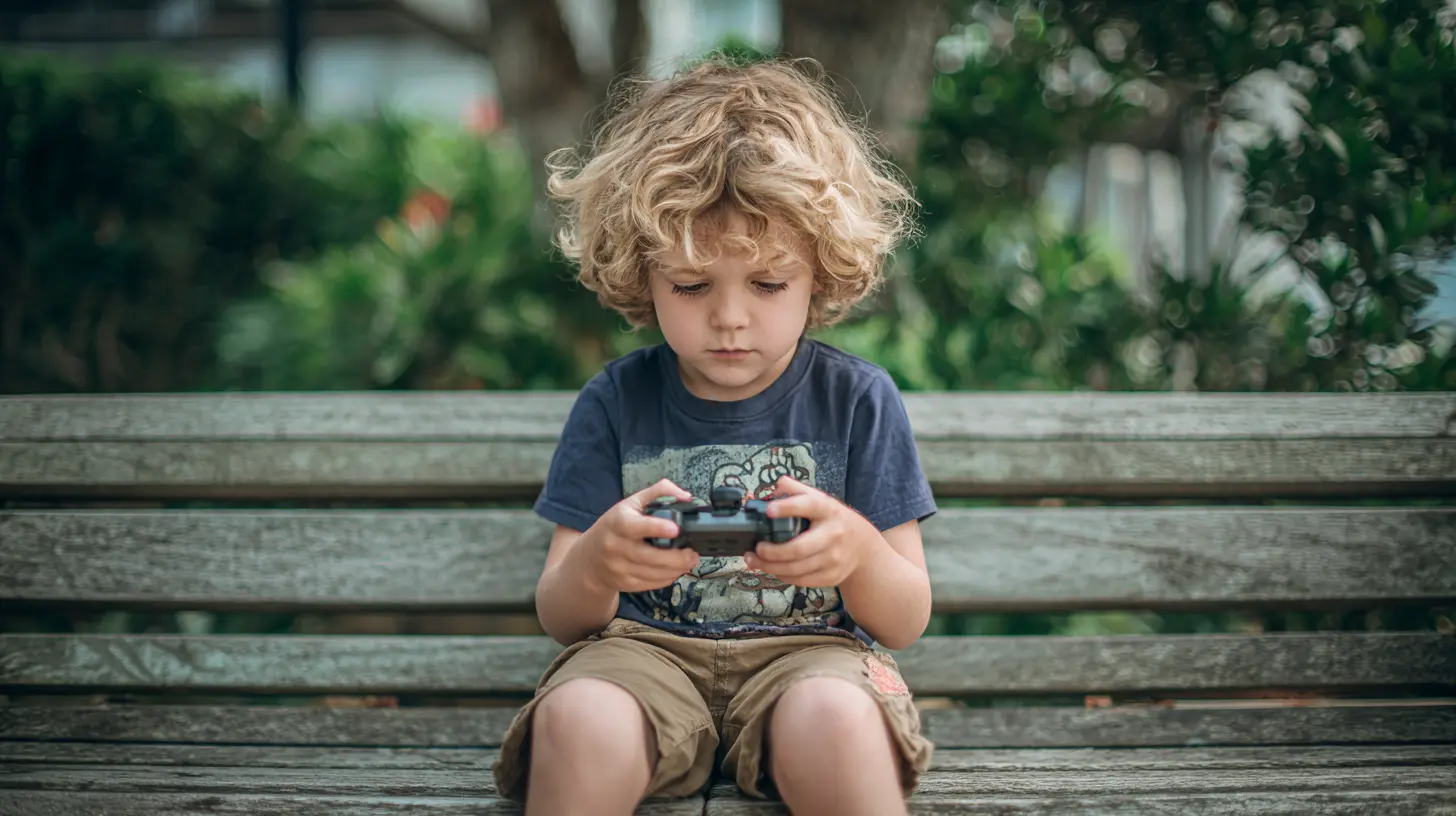
The Science Has Our Backs
It’s not just us parents feeling nostalgic—it’s backed by research.Studies show that unstructured play:
- Enhances brain development
- Improves problem-solving skills
- Encourages resilience
- Strengthens executive function (that’s the stuff responsible for decision-making and focus)
Meanwhile, excessive screen time can lead to:
- Sleep disturbances
- Speech delays
- Shorter attention spans
- Obesity
- Behavioral issues
We’re not trying to scare you, but the data makes a strong case, doesn’t it?
The Trouble With Too Much Screen-Based Fun
Let’s break it down.1. It’s Passive, Not Active
Watching TV or tapping through an app is passive. It doesn’t challenge attention spans or creativity in the way free play does. It feeds kids information, instead of inviting them to generate it themselves.2. Instant Gratification Galore
With screens, everything is one click away—rewards, excitement, new levels, and shiny animations. That rewires little brains to expect constant stimulation, which can make real-life play (which takes time and effort) seem... well, boring.3. Less Face-to-Face Interaction
Too much time on screens means less actual interaction. And let’s face it, emojis don’t teach empathy. Real connections require real faces, real emotions, and real reactions.How to Encourage More Unstructured Play (Without Losing Your Mind)
Here’s the good news: You don’t have to be the entertainer. Your role is more about setting the stage than running the show.Here are some easy ways to invite unstructured play back into your child’s daily routine:
1. Create a Space That Screams “Play Here!”
Think less Pinterest-perfect and more loose parts, open space, and flexibility. A corner of the living room with pillows, costumes, and a toy bin is plenty.2. Say "Yes" More Often
Yes to puddle jumping. Yes to cardboard forts. Yes to messy art projects that involve glitter (okay, maybe not glitter). The more freedom kids feel, the more they’ll dive into their own worlds.3. Set Screen Limits—and Stick to Them
Use timers or set daily boundaries. When screens are limited, creativity fills the gap. It might take a few days of whining, but trust the process. Boredom is often the first step to imagination.4. Value Boredom
Did we say that already? Well, it’s worth repeating. Boredom isn’t the enemy—it’s the birthplace of ideas. Don’t rush to fill every quiet moment. Let your kids learn how to entertain themselves.5. Get Involved—Then Step Back
Play with them occasionally—build a tower, create a goofy story together. But then? Step back. Let them take the reigns. Give them ownership of their play world.Reclaiming Childhood, One Stick and Mud Puddle at a Time
Here’s the truth: childhood isn’t meant to be curated in pixels. It’s meant to be messy, silly, wild, and full of “remember when” moments.Unstructured play is where laughter lives, where friendships form, and where kids figure out who they are without a script. It’s the heartbeat of a happy childhood.
So next time your kid reaches for the tablet, maybe offer them a stick, a cape, and a shout of “Go save the world!” instead. You might be amazed at what they come up with.
Final Thoughts: It’s Not About Perfection. It’s About Balance.
We’re not saying to toss every screen out the window. (We need a break sometimes, too!) But let’s try to create more chances for our kids to run, jump, imagine, pretend, and just be. Let’s let their brains get messy in the best way possible.Because when we give them space to play freely, we’re giving them far more than just fun—we’re giving them a gift that lasts a lifetime.
all images in this post were generated using AI tools
Category:
Limiting Screen TimeAuthor:

Steven McLain
Discussion
rate this article
2 comments
Solara Rivera
This article beautifully highlights the vital role of unstructured play in a child's development. It's refreshing to see the emphasis on creativity and imagination, showing how essential these experiences are compared to screen time. I appreciate the insights shared here and look forward to encouraging more outdoor play.
July 3, 2026 at 5:04 AM
Steven McLain
Thank you for your thoughtful comment! I'm glad you found the article meaningful and that it resonates with your views on promoting outdoor play.
Trinity Jackson
Great insights on unstructured play! Encouraging kids to explore and create without screens fosters creativity and essential life skills. Thank you for sharing this perspective.
May 9, 2026 at 2:26 PM
Steven McLain
Thanks for your kind words! I'm glad you found the insights valuable. Unstructured play truly shapes creativity and essential skills in kids.