The Importance of Rest and Recovery for Young Athletes
26 July 2026
When it comes to young athletes, it's no secret that they pour their hearts (and a whole lot of sweat) into their sports. Whether it's sprinting down the soccer field, diving into a pool, or nailing that flawless pirouette, sports demand energy, focus, and discipline. But there’s one piece of the puzzle that often gets overlooked: rest and recovery. Yep, I'm talking about those moments off the field, court, or track that are just as crucial as the time spent practicing. Let’s dive into why downtime isn’t a luxury—it’s a necessity! 
Why Rest and Recovery Matter
It’s tempting to think that “more practice = better performance.” But the reality? Muscles, joints, and even the mind need time to recharge. Picture it like your phone—you wouldn’t expect it to keep running at 5% battery, right? The same goes for young athletes. Without proper rest, their "batteries" deplete, and that can lead to burnout or injuries.The Science Behind Recovery
Every time your child trains, they’re pushing their body to its limits—which is a good thing, within reason. Intense activity causes tiny tears in muscle fibers. Don’t worry, that’s normal! But for those muscles to repair and grow stronger, rest is critical. Skipping recovery time is like baking cookies and pulling them out of the oven halfway through. Sure, you could, but do you really want to?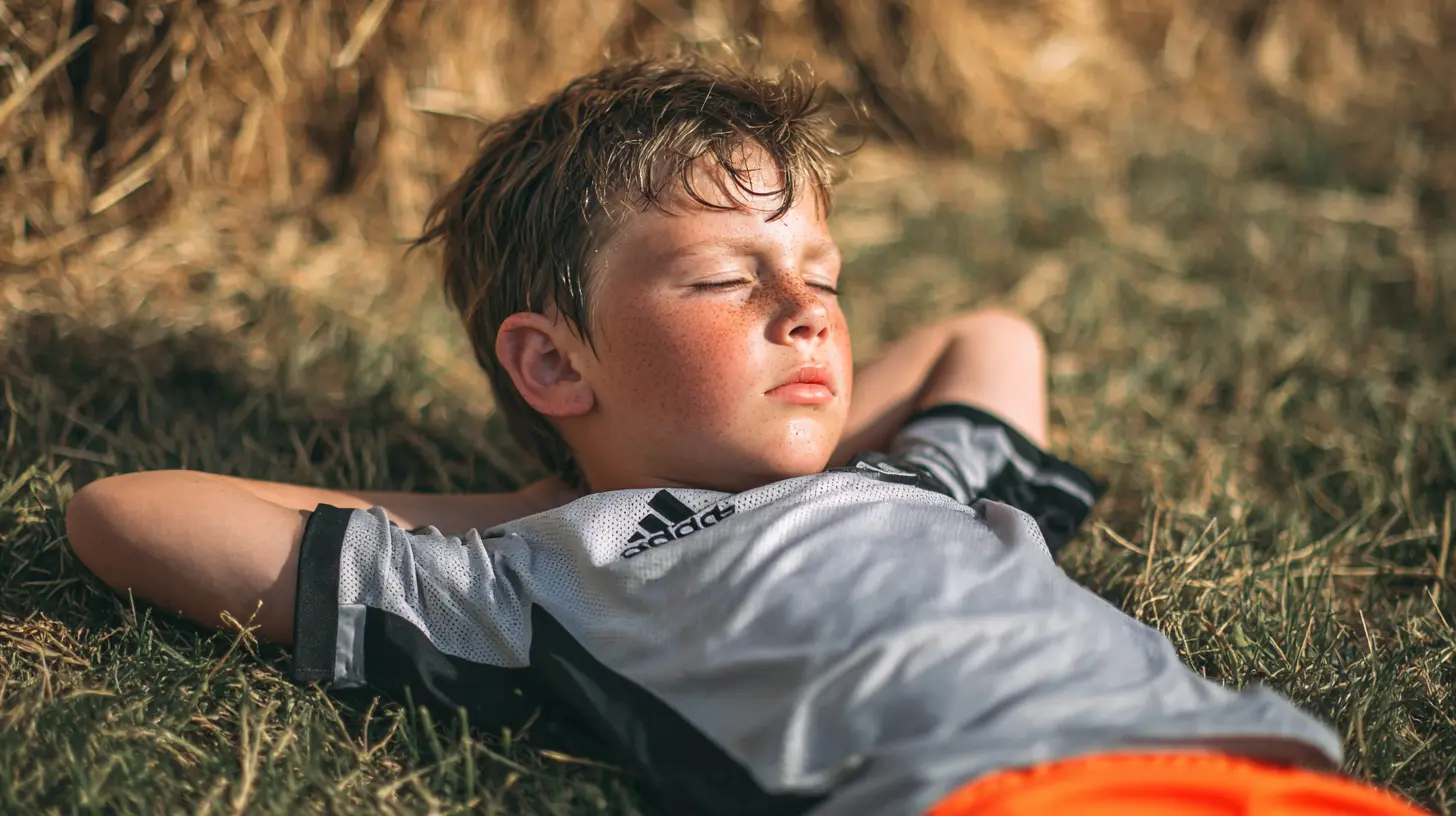
The Different Types of Rest
Not all rest is created equal. It’s not just about lounging on the couch with their favorite snack (although, let's be honest, that's part of it). Let’s break down the different kinds of rest young athletes need:1. Physical Rest
This can be active rest, like light stretching or yoga, or complete rest—those glorious, do-nothing days. Physical rest allows the muscles and joints to heal, reducing the risk of overuse injuries like shin splints or tendonitis.2. Mental Rest
Sports aren’t just physically demanding—they’re a mental game, too. Athletes face pressure from coaches, teammates, and even themselves to perform well. Giving them time to "unplug" from sports helps recharge their mental battery. Encourage them to focus on hobbies, friends, or even just daydreaming.3. Sleep
Ah, the MVP of recovery. Sleep isn’t just “resting with your eyes closed.” It’s when the body does its best repair work. Growth hormones kick into overdrive, tissues repair, and the brain processes new skills learned during practice. For young athletes, quality sleep is non-negotiable.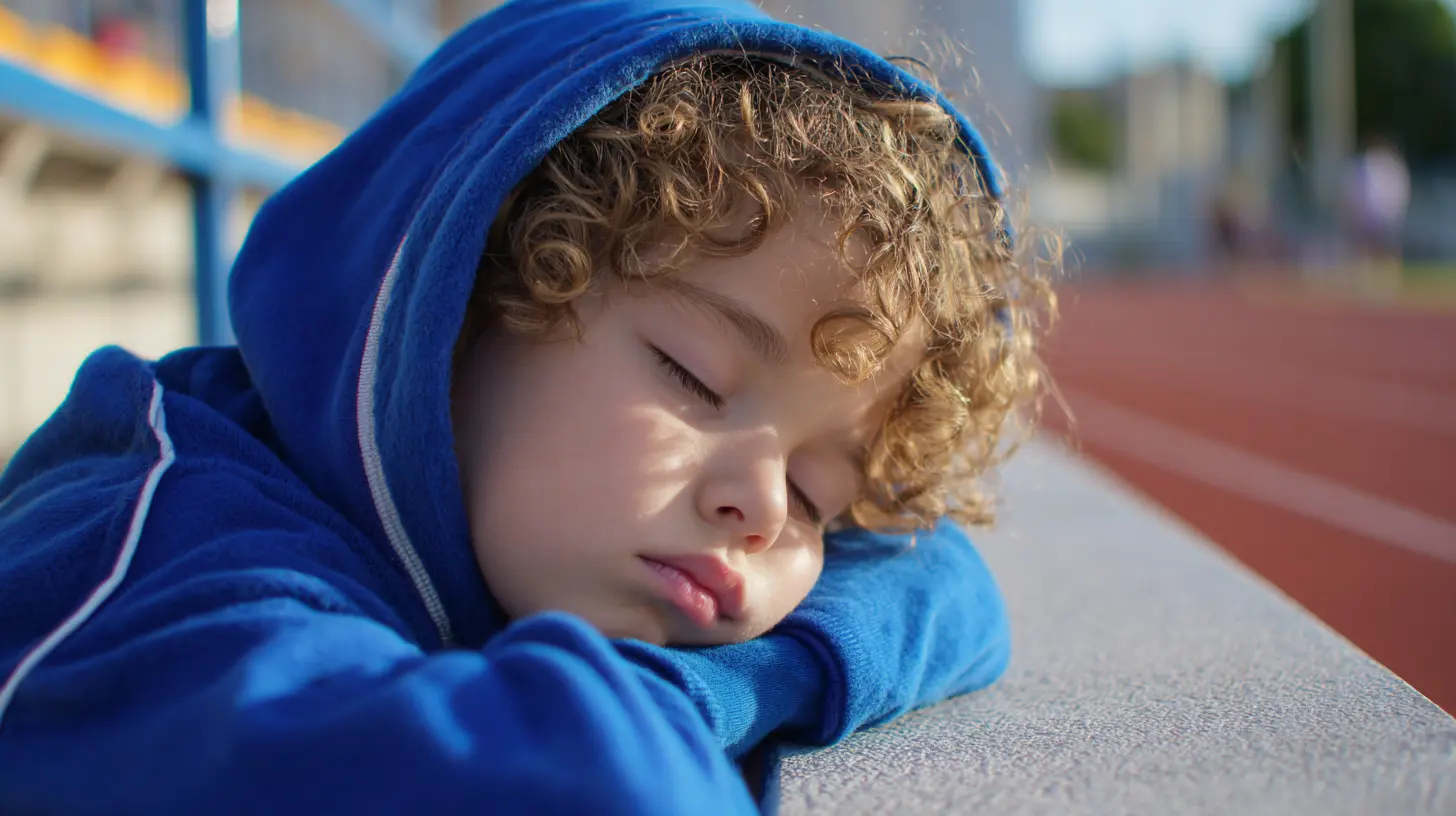
The Consequences of Skipping Rest
Now, let’s get real—what happens when young athletes don’t rest enough? Unfortunately, it's not pretty.1. Increased Risk of Injury
Overtraining can lead to fatigue, and tired muscles are more prone to injuries. Think of it like driving a car with worn-out brakes—sooner or later, something's gonna give.2. Burnout
Sports should be fun, right? But without rest, the joy can fade fast. Burnout happens when kids become physically and emotionally drained, losing interest in the game they once loved.3. Poor Performance
Ironically, overtraining can actually hurt performance. Exhausted bodies and minds just can’t compete at their peak. Rest helps athletes stay sharp and ready for game day.
Tips to Incorporate Rest and Recovery
So, how can you make sure your young athlete is getting the downtime they need? Here are some practical tips:1. Schedule Rest Days
Just like you plan practices, plan rest days, too. Make it a non-negotiable part of their routine. It’s not "time wasted"—it’s an investment in their performance.2. Teach Them to Listen to Their Bodies
If they’re dragging their feet at practice or complaining of muscle soreness, it might be time to hit the pause button. Encourage your child to recognize when they need a break.3. Prioritize Sleep
Set a consistent bedtime and create a sleep-friendly environment. That means no late-night gaming marathons or scrolling through TikTok until midnight (we’ve all been there).4. Fuel Their Recovery with Nutrition
What they eat can make a big difference in recovery. Protein helps rebuild muscles, while carbs replenish energy stores. And don’t forget hydration—water is a game-changer!5. Encourage Active Recovery
On “off” days, suggest low-intensity activities like swimming, walking, or yoga. These keep them moving without putting too much strain on their bodies.The Role of Parents and Coaches
One of the biggest challenges is striking the right balance between pushing them to achieve their goals and ensuring they’re not overdoing it. That’s where you come in.As a parent or coach, it’s your job to create a supportive environment. Let them know it’s okay—not to mention smart—to rest. Show them that self-care isn’t a sign of weakness; it’s a mark of a truly dedicated athlete.
Rest and Recovery Is a Superpower
At the end of the day, rest and recovery aren’t just about avoiding injuries—they’re about building stronger, healthier, and happier athletes. Think of it this way: rest isn’t hitting the “pause” button on progress; it’s hitting the “reset” button. So, the next time your kid feels like they need to power through another practice, remind them: even superheroes take a break now and then.all images in this post were generated using AI tools
Category:
Kids And SportsAuthor:

Steven McLain
Discussion
rate this article
1 comments
Hawk Wilkins
Rest is the secret sauce for young athletes. Even superheroes need to recharge before saving the world again... nap time rules!
August 3, 2026 at 2:26 AM
Steven McLain
Absolutely! Rest is crucial for recovery and performance. Even superheroes need their downtime to stay strong. Nap time definitely rules!