The Best Types of Play for Different Age Groups
6 August 2026
Play is not a break from learning. It is the primary way children process the world, build skills, and make sense of relationships. But not all play is created equal, and more importantly, not all play suits every age. Parents often feel pressure to provide the "right" toys or activities, yet the most effective play is less about the object and more about the developmental stage the child is in. Understanding what kind of play matters most at each age helps you support your child without forcing milestones or wasting money on things they will ignore.
This guide breaks down the best types of play for each age group, why they work, and how to avoid the common mistakes that turn play into a chore.
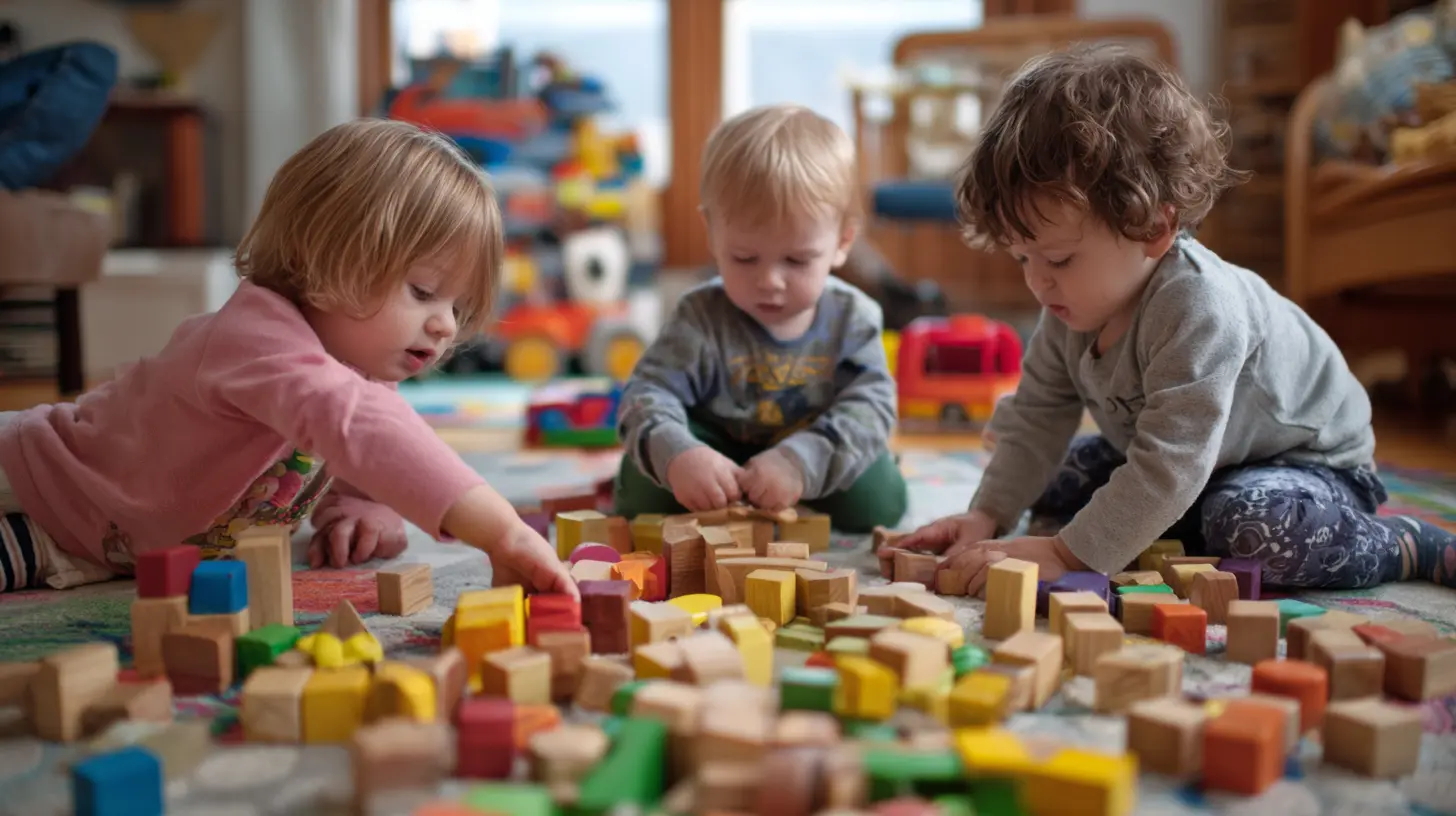
Infants (0-12 Months): Sensory and Attachment Play
The first year is about survival, but it is also about wiring the brain. An infant does not play in the way older children do. They explore through their senses, their mouths, and their primary caregiver. The best play for this age is slow, repetitive, and full of direct human contact.The Role of Sensory Play
Sensory play for infants means letting them feel different textures, hear varied sounds, and see high-contrast patterns. You do not need fancy toys. A crumpled piece of paper, a soft silk scarf, or a wooden spoon with a smooth surface works just as well as anything from a store. The key is that the experience is safe and that you are present.High-contrast black and white cards are excellent for newborns because their vision is not fully developed. As they approach six months, they begin reaching for objects, which is when dangling toys and soft rattles become useful. The mistake many parents make is overstimulating. A baby who is bombarded with flashing lights and loud noises is not learning; they are shutting down. Watch for signs of overload, like turning away, fussing, or closing their eyes. That is their way of saying "enough."
Attachment Play: The Foundation
Before a baby can play with anything, they need to play with you. Peek-a-boo, gentle tickling, singing, and making exaggerated facial expressions are all forms of attachment play. This is not just cute; it builds the neural pathways for trust and emotional regulation. When you respond to a baby's coo with a smile and a mirrored sound, you are teaching them that communication is a two-way street.A common misconception is that independent play is something to force early. While it is fine to let a baby lie on a mat for a few minutes alone, expecting them to entertain themselves for long stretches is unrealistic. Their attention span is measured in seconds, and their need for connection is constant. The best "toy" for an infant is a responsive adult.
Practical Tips for Infants
- Rotate toys weekly so they feel novel without being overwhelming.- Use your voice as a primary tool. Narrate what you are doing, even if it feels silly.
- Let them mouth objects safely. The mouth is a baby's most sensitive tool for exploration.
- Avoid screens entirely. There is no evidence that screen time helps infants, and there is strong evidence that it delays language development when it replaces face-to-face interaction.
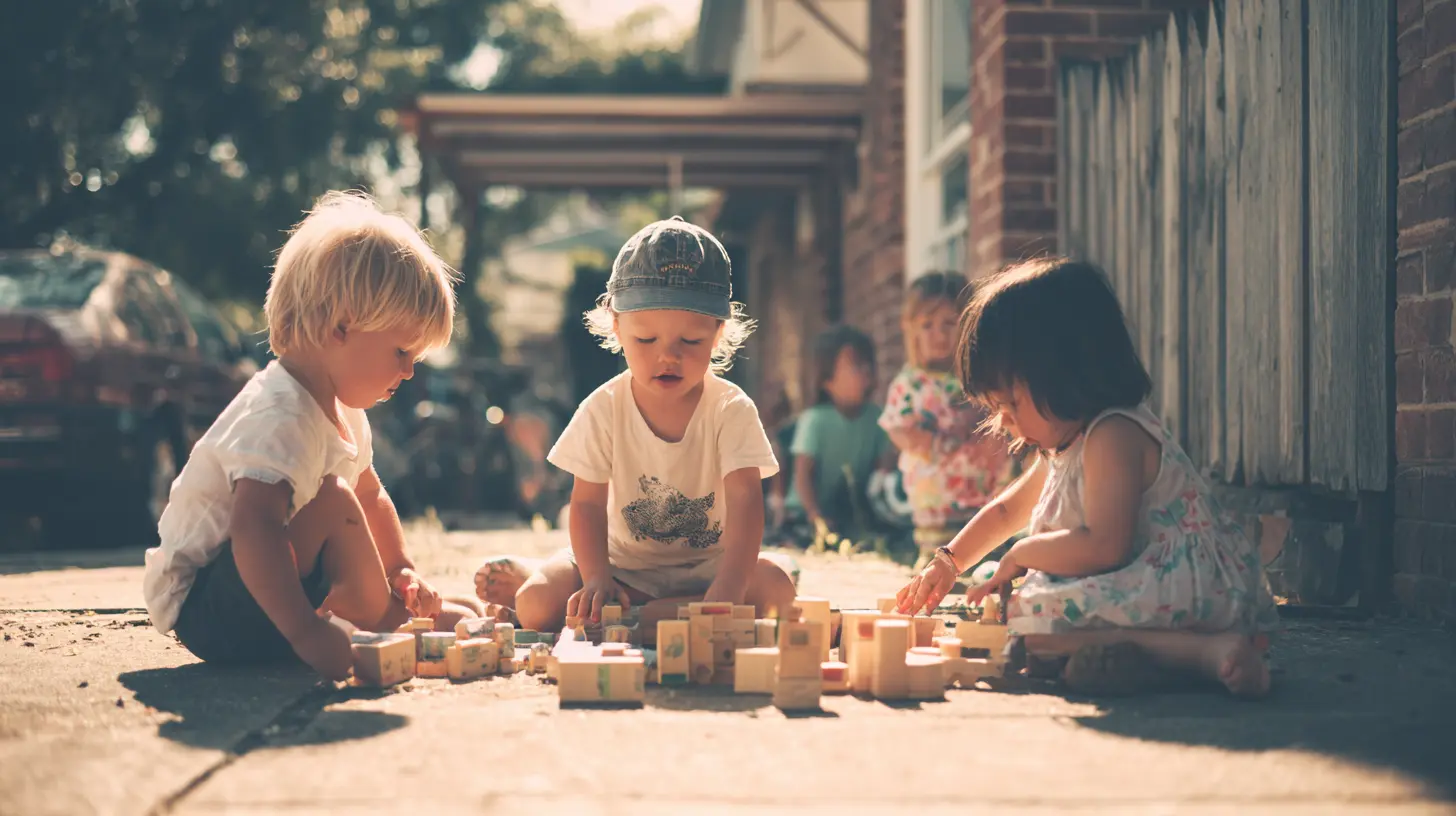
Toddlers (1-3 Years): Parallel Play and Motor Mastery
Toddlers are a whirlwind of motion and frustration. They want to do everything themselves but lack the coordination to do it well. The best play for this age involves large muscles, simple problem-solving, and the freedom to repeat actions until they stick.Why Parallel Play Matters
You will notice that two toddlers in the same sandbox rarely interact. They play side by side, each absorbed in their own task. This is called parallel play, and it is developmentally normal. Many parents worry their child is antisocial or not sharing, but forcing interaction at this age backfires. Toddlers are egocentric by nature; they do not yet have the cognitive ability to truly share or take turns.Your job is to provide a safe space where parallel play can happen. Set out two shovels and two buckets, even if one child will use them alone. The presence of another child, even without direct interaction, builds a sense of social comfort. Do not intervene unless someone is being hurt. Let them ignore each other peacefully.
Gross Motor Play: The Need to Move
Toddlers are building core strength, balance, and spatial awareness. The best activities involve pushing, pulling, climbing, jumping, and dumping. A toddler who is obsessed with emptying a drawer is not being messy; they are learning about gravity, volume, and cause and effect.Simple things work best: a low step stool to climb, a push cart to walk behind, balls of various sizes to throw and chase. Playgrounds are ideal, but you do not need a playground. A pile of pillows on the floor becomes a mountain to conquer. A cardboard box becomes a car, a cave, or a fort.
The Mistake of Over-Structuring
The biggest error parents make with toddlers is turning play into a lesson. Flashcards, "educational" apps, and forced counting games are not developmentally appropriate. A toddler learns numbers by counting steps as they climb, not by staring at a screen. They learn colors by sorting socks during laundry, not by a color chart.Let play be messy. Let it be loud. Let it be repetitive. Repetition is how a toddler's brain solidifies new skills. If they want to read the same book forty times, that is not boring; it is mastery.
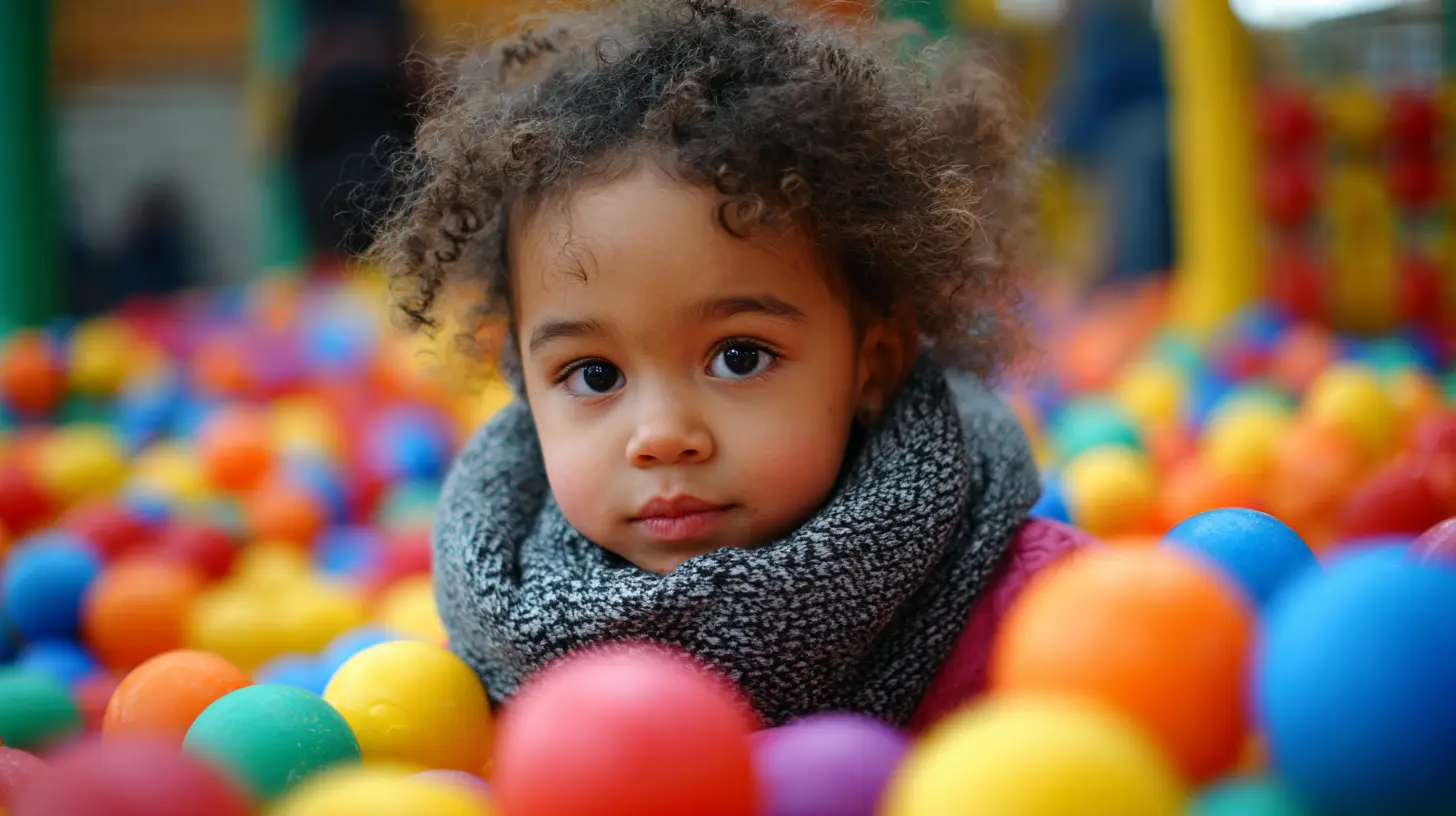
Preschoolers (3-5 Years): Pretend Play and Cooperative Games
This is the golden age of imagination. Preschoolers are ready for complex pretend scenarios, early rule-based games, and the beginning of real friendships. The best play here is unstructured, imaginative, and increasingly social.The Power of Pretend Play
When a child puts on a cape and becomes a superhero, or serves you a plastic plate of invisible spaghetti, they are doing serious cognitive work. Pretend play builds executive function, which is the brain's ability to plan, focus, and switch between tasks. They are also practicing empathy by taking on different roles.The best thing you can do is participate without taking over. If your child is the doctor, you are the patient. Follow their lead. Ask open-ended questions like "What happens next?" or "How should I feel?" This extends the play without controlling it.
Do not worry if the play is not realistic. A child who uses a block as a phone and then as a car and then as a spaceship is showing flexible thinking. That is a sign of cognitive flexibility, a skill linked to later academic success.
Moving from Parallel to Cooperative Play
Around age four, children begin to play together in earnest. They start to negotiate roles, share props, and create simple rules. This is messy. There will be arguments over who gets to be the mommy or who holds the red crayon. These arguments are not failures; they are practice for real social life.Your role is to mediate, not to solve. If two children want the same toy, help them voice their feelings and brainstorm solutions. "You both want the truck. What can we do?" This teaches negotiation skills that no worksheet can provide.
Board Games and Rules
Simple board games like Candy Land or Chutes and Ladders are excellent for this age. They teach turn-taking, patience, and how to lose gracefully. The concept of losing is hard for a preschooler. Do not let them win every time. Let them experience disappointment in small doses, then comfort them and try again. This builds resilience.A common mistake is introducing competitive games too early and expecting sportsmanship. A four-year-old who throws a tantrum when they lose is not spoiled; they are developmentally normal. Their prefrontal cortex, which controls impulse control, is still immature. Keep games short, focus on fun, and praise effort over winning.
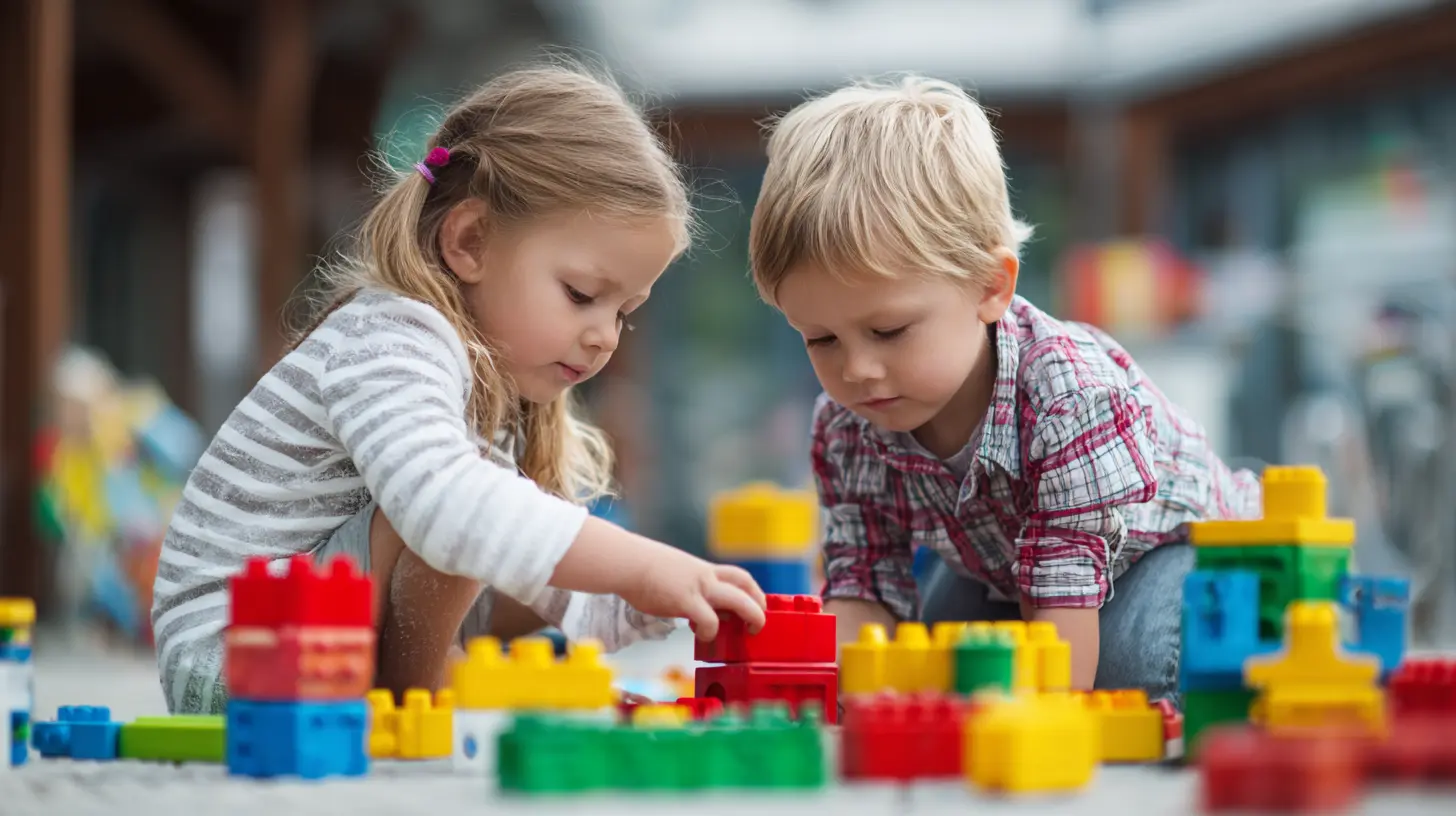
Early Elementary (6-8 Years): Rule-Based Play and Skill Building
Once children hit six, play becomes more structured. They crave rules, competitions, and mastery of specific skills. This is the age of board games, organized sports, and hobbies like building models or learning magic tricks.The Shift to Rule-Based Play
Children this age love rules because rules make the world predictable. They will invent elaborate rules for tag, argue over the specifics, and then change them mid-game. This is not annoying; it is a sign of advanced thinking. They are learning about fairness, justice, and the social contract.Encourage this by providing games with clear structures. Checkers, Uno, simple card games, and junior versions of strategy games are all excellent. They teach planning, consequence, and the ability to delay gratification. A child who learns to think two moves ahead in checkers is building the same skill needed for math and reading comprehension.
The Role of Structured Activities
Organized sports and classes (swimming, martial arts, art) become appropriate at this age. However, the emphasis should be on participation and skill development, not winning. A six-year-old in soccer should be learning to kick, run, and follow directions, not worrying about the score.The trade-off here is between structure and free time. Overscheduling is a real problem. A child who goes from school to soccer to piano to tutoring has no time for self-directed play, which is where creativity and problem-solving truly develop. Aim for a balance: one or two structured activities per week, with plenty of unscheduled time to just play.
Misconceptions About Competition
Many parents worry that competition is harmful, but moderate competition is healthy. It teaches children how to handle both success and failure. The problem arises when adults project their own ambitions onto the child. If you are more upset about a lost game than your child is, you are the one with the issue.Let children choose their own activities. A child forced into a sport they hate will not develop resilience; they will develop resentment. Try a variety of things, but do not force mastery. The goal is exposure, not achievement.
Tweens (9-12 Years): Complex Games and Social Play
The preteen years are a strange bridge between childhood and adolescence. Play becomes heavily social, often involving intricate rules, collections, and a strong need for peer acceptance. The best play here is collaborative, strategic, and increasingly independent.The Rise of Collaborative Play
Tweens love games that require teamwork. Multiplayer video games, escape rooms, team sports, and role-playing games like Dungeons and Dragons appeal to this age because they involve complex problem-solving and social dynamics. This is not just fun; it is practice for adult collaboration.Video games are often a point of contention. The key is not to demonize them but to understand what they offer. Many games require strategic thinking, resource management, and coordination with others. The problem is not the game itself but the lack of balance. A tween who plays for an hour after homework and still has time for outdoor play and socializing is fine. A tween who plays for six hours and neglects everything else is using the game as an escape from something.
Collections and Hobbies
Tweens often develop intense interests in specific areas: trading cards, fossils, coding, drawing, or reading a particular genre. These hobbies are a form of play that builds expertise. Encourage them. A child who memorizes every Pokemon card is practicing categorization and memory skills. A child who builds complex Lego sets is learning spatial reasoning and following instructions.The mistake here is dismissing these interests as "childish" or a waste of time. A tween's hobby is their identity. It gives them a sense of competence and belonging. Even if you do not understand the appeal, you should respect it.
The Importance of Unstructured Social Time
At this age, children need time to just hang out with friends without adult supervision. This is where they learn to navigate social hierarchies, resolve conflicts, and develop a sense of independence. This is harder than it sounds because parents often feel the need to organize everything.Let them walk to the park alone (if safe), let them have a sleepover, let them be bored. Boredom is the mother of creativity. A tween who is bored will invent a game, build a fort, or call a friend. If you fill every minute with scheduled activities, they never learn to entertain themselves.
Teenagers (13+): Play as Identity and Leisure
By the teenage years, play looks different. It is less about toys and more about social connection, personal identity, and exploring adult interests. The best play for teens is autonomous, expressive, and often digital.The Role of Digital and Social Play
Teens spend a lot of time on social media, messaging apps, and online games. This is not inherently bad. For many, this is their primary social outlet, especially if they are introverted or live in remote areas. Online communities can provide a sense of belonging that is hard to find elsewhere.The key is to distinguish between passive consumption (scrolling endlessly) and active engagement (creating content, playing games with friends, participating in a forum). Passive consumption is often a sign of boredom or avoidance. Active engagement is a form of play that can build skills like coding, video editing, or even just social nuance.
Sports and Physical Play
Physical play is still important, but it should be the teen's choice. Forcing a teenager to play a sport they no longer enjoy is a recipe for rebellion. Some will want to compete at a high level; others will prefer casual pickup games or individual activities like running, climbing, or yoga. The key is that they find a way to move their body that feels good.The misconception is that teens do not need play. They do, but they define it differently. A teen who spends an afternoon skateboarding with friends is playing. A teen who writes a song with a band is playing. A teen who plays chess online is playing. It just does not look like childhood play anymore.
Encouraging Healthy Risk
Teens are wired for risk-taking because their reward centers are more active than their impulse control centers. Play is a safe way to channel this. Extreme sports, theater performances, starting a business, or even just trying new foods are all forms of play that allow teens to test boundaries.Your role is not to eliminate risk but to manage it. Provide a safety net, but let them climb the tree. Let them fail at something small so they learn how to handle failure before it has serious consequences. A teenager who has never failed at anything is more fragile, not less.
Common Mistakes Across All Ages
Parents make a few universal errors regardless of their child's age. The first is over-scheduling. Children need free time, and they need time that is not goal-oriented. Play that has an external goal (winning, improving, producing something) is not the same as free play. Both are valuable, but free play is often neglected.The second mistake is confusing play with learning. While play is educational, it is not the same as instruction. A child who is playing is not trying to learn; they are trying to have fun. The learning is a byproduct. When you turn every play session into a quiz, you kill the joy, and the learning stops.
The third mistake is using screens as a default babysitter. Screens are not inherently evil, but they are passive. A child who watches a video is not playing; they are consuming. If you need a break, a screen is fine for a limited time. But it should not replace physical, social, or imaginative play.
The fourth mistake is comparing your child to others. One child loves puzzles; another loves running. Both are playing in ways that suit their temperament. Pressuring a child to play a certain way because "all the other kids" do it is a recipe for anxiety.
Best Practices for Parents
- Observe your child. Watch what they gravitate toward and provide more of that, not what you think they should like.- Be present without being intrusive. Let them take the lead, but stay nearby.
- Provide loose parts. Boxes, fabric, blocks, art supplies, and natural objects like sticks and stones are the best toys because they can be anything.
- Limit screens, but do not ban them entirely. Teach moderation and watch content with them when possible.
- Play with your child, but do not dominate. Let them set the rules and change them as they like.
- Respect their play. Do not interrupt a child who is deeply engaged in a game just because you are bored. Deep play is rare and valuable.
- Model playfulness. If you are always serious, children learn that play is not important. Laugh, joke, and be silly with them.
Final Thoughts
Play is not a luxury or a reward. It is the work of childhood, and it changes as the child changes. What works for a one-year-old will not work for a ten-year-old, and that is the point. The best play is developmentally appropriate, freely chosen, and intrinsically rewarding.You do not need to buy the newest toy or enroll in the trendiest class. You need to understand what your child needs at their specific stage and then get out of the way. Provide the space, the time, and the permission to play, and your child will do the rest.
all images in this post were generated using AI tools
Category:
Play Based LearningAuthor:

Steven McLain
Discussion
rate this article
1 comments
Trinity Hughes
Play shapes our children's development in unique ways. It's heartwarming to see how different activities can foster their creativity and connection with the world.
August 8, 2026 at 2:36 PM
Steven McLain
Absolutely! Play is essential for growth, sparking creativity and helping kids engage with their environment in meaningful ways.