The Art of Listening: Strengthening Family Bonds Through Active Conversations
7 February 2026
Let’s be honest—between work, homework, dishes, soccer practice, and the constant hum of notifications pinging from every direction, it’s easy to fall into the trap of simply “hearing” our family members instead of truly listening to them. But here's the kicker: if we really want to build stronger, healthier, and more meaningful connections with our partners and children, the power lies in one beautiful skill—active listening.
So, grab a cup of coffee, sink into the couch, and let’s chat about the underrated superpower of listening—and how it can seriously transform your family life.
Why Listening Is More Than Just Hearing
Imagine this: your child walks into the room, excitedly waving a drawing they made at school. You mumble, “That’s nice,” without even looking up from your phone. Ever done that? (No judgment—we’ve all been there.)But here’s what just happened: you heard them, but you didn’t actually listen.
Listening is active. It means you’re not just catching soundwaves with your ears. You’re engaging, responding, processing—showing that what the other person is saying matters to you.
Think of it like watering a plant. You could pour water at the base and walk away, or you could gently check the leaves, soil, and give care and attention. Active listening is that extra care—it helps your relationships grow.
The Heart of the Conversation: What Is Active Listening?
So, what exactly is active listening? It’s the kind of listening where you’re fully present—not mentally going over your to-do list or planning dinner in your head.Here’s what active listening really looks like:
- Eye contact. Simple but powerful.- Non-verbal cues. A nod here, a smile there—shows you’re tuned in.
- No interrupting. This one’s tough, but crucial.
- Reflective responses. Repeating back or summarizing what you’ve heard.
- Empathy. Feeling with the other person, not just sympathizing.
It’s basically turning down the volume on your inner monologue and turning up the volume on your loved one’s voice.
Why Active Listening Matters in Families
Let’s break it down. Why is this even a big deal?1. Kids Feel Valued and Heard
Children, especially, can tell when they’re being brushed off. When you actively listen to your child—even if they’re talking about their Minecraft world or that weird dream they had—they learn that their thoughts and feelings matter. That’s a huge confidence boost.2. Stronger Partner Bonds
In romantic or co-parenting relationships, listening isn’t just respectful—it’s foundational. Miscommunication often stems from not really hearing or understanding each other. Active listening clears the fog, opens the heart, and builds trust.3. Reduces Conflict
Ever had a fight that spiraled out of control because someone felt misunderstood? (Guilty here.) When everyone in the family feels heard, tensions naturally ease. It creates a safe space where opinions can be voiced without judgment.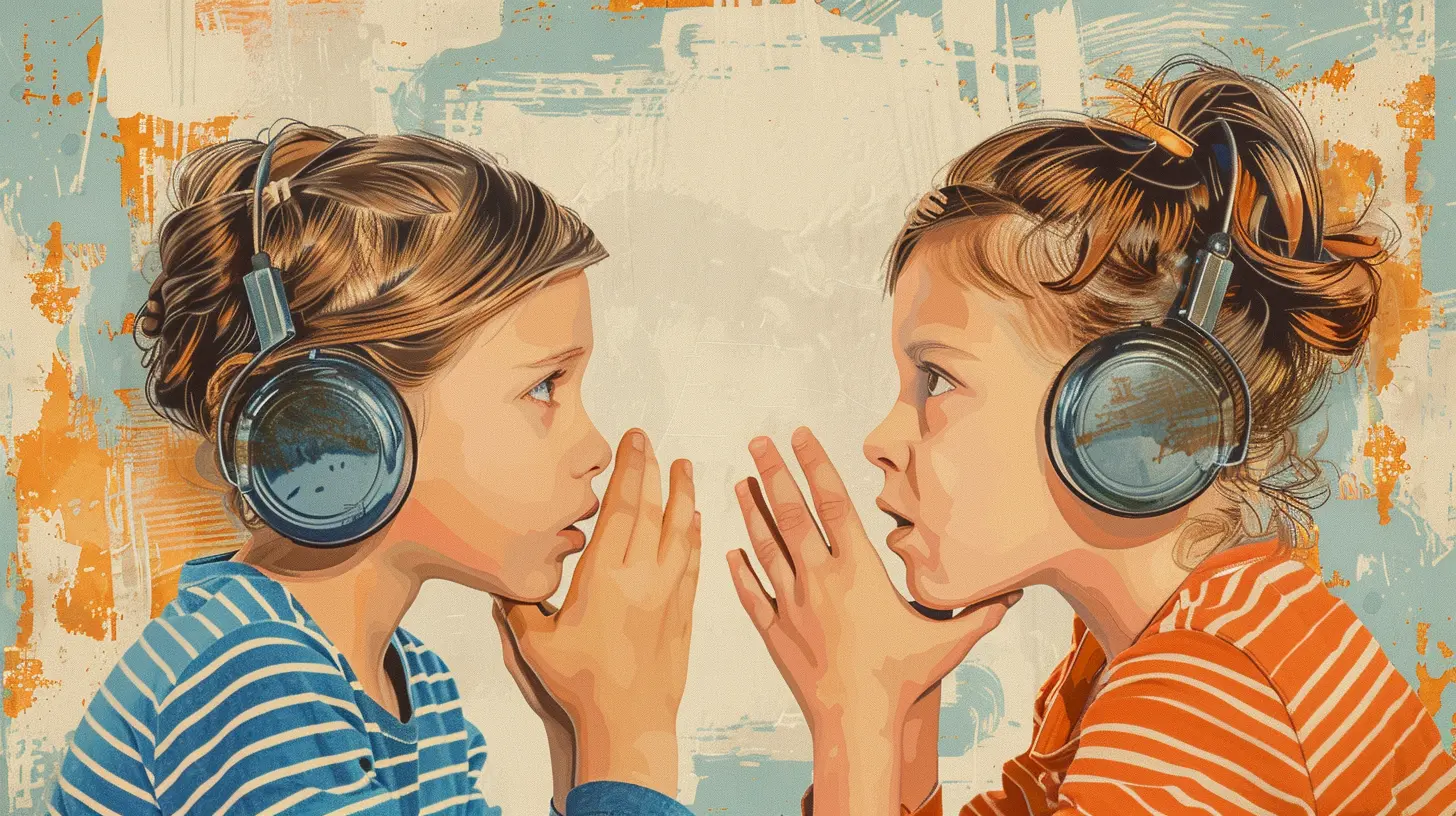
Everyday Moments to Practice Active Listening
You don’t need a scheduled “family talk night” to start improving how you listen. (Though that’s a great idea too.) Active listening can fit right into your daily routine if you're mindful of the little opportunities.🚗 In the Car
Use car rides, even short ones, to connect. Don’t just crank the radio—ask open-ended questions like “What was something funny that happened today?”🍽️ At the Dinner Table
Make it a screen-free zone and go around sharing your highs and lows of the day. It gets everyone talking—and listening.💤 Bedtime Wind-down
For kids, this is often when they spill what’s really on their minds. Sit on the edge of the bed, make eye contact, and let them talk without rushing them.How to Be a Better Listener (Even When You're Tired or Distracted)
Let’s be real, sometimes you’re just exhausted. Or stressed. Or mid-way through folding laundry while stirring the pasta sauce. So how do you stay intentional about listening?1. Put Down Your Phone
This one’s simple in theory, but tricky in practice. That buzzing screen is a natural distraction. Put it face-down, or better yet, in another room during family time.2. Practice "Pause and Respond"
Instead of jumping in to give advice or correct your kid’s story, take a beat. Try saying, “Tell me more about that,” or “How did that make you feel?” Let their words unfold.3. Use Gentle Body Language
Sometimes just turning your body to fully face someone makes all the difference. It shows, “Hey, I’m all ears.”4. Paraphrase (Without Sounding Like a Robot)
You don’t have to turn into a therapist, but saying things like, “So what you’re saying is…” or “Sounds like you felt really left out when that happened” can validate the speaker’s emotions.What Happens When We Don’t Listen?
It might seem harmless—missing a few comments here, glazing over there—but over time, not listening leads to disconnect.Signs That Listening Isn’t Happening at Home:
- Kids withdraw and stop sharing- Partners talk at each other with no follow-up
- Misunderstandings keep repeating
- Everyone seems irritable or “checked out”
Here's the truth: when people don’t feel heard, they don’t feel cared for. And let’s face it, that’s the opposite of the loving home we all strive to build.
Teaching Kids to Be Good Listeners Too
This is a two-way street. You showing them how to listen actively? That’s golden. But it’s also a teachable skill they can—and should—develop, too.Fun Ways to Teach Listening Skills:
- Play Simon Says. Classic, and it builds listening muscles!- Story Time with a Twist. Take turns telling a story, and quiz each other on details afterward.
- “Repeat Back” Game. Ask your child to repeat what you just said in their own words. Works in reverse too!
Model the behavior, and praise them when they use it. “Hey, I noticed you listened so patiently while Grandma was talking. That was really thoughtful!”
When Conversations Get Tough: Listening During Conflicts
Let’s not sugarcoat it—some conversations are hard. A teen telling you they feel misunderstood, a partner expressing unhappiness—these aren’t easy to hear, and our instinct might be to defend or fix.But during tough talks, active listening becomes even more powerful.
A few tips:
- Stay calm, even if triggered. Take slow breaths.- Don’t interrupt or correct mid-sentence. Let it finish.
- Validate emotions, even if you don’t agree. “That sounds really hard,” goes a long way.
- Follow up later. “I’ve been thinking about what you said earlier…”
Active listening during conflict isn’t about winning—it’s about understanding. When people feel genuinely heard, they’re less defensive and more open to resolution.
Building a Listening Culture at Home
Want to really level-up your home vibes? Make listening part of the family culture. Not just something you do, but something you live.Here’s how:
- Have regular family check-ins. Casual or structured—it shows you care.
- Celebrate each other’s voices. Let every family member lead a conversation once in a while.
- Limit multi-tasking during convos. Give people your (almost) full attention.
- Use humor to diffuse, not dismiss. Listening doesn’t always have to be heavy.
When Listening Breaks Down (And How to Reset)
Nobody’s perfect. Sometimes we mess up and talk over someone or forget to engage. The key is in the repair.Grab those moments to say, “Hey, I didn’t give you my best attention just now, but I’d love to hear what you were saying. Can we try again?”
This kind of humility and honesty teaches our kids that even mistakes are fixable—and that listening is an ongoing, evolving skill.
Final Thoughts: Listening Is Love in Action
At the end of the day, listening isn’t about hearing every word—it’s about connecting. It’s about saying without saying, “You matter to me.” And in a world so full of noise, giving someone your full attention is the ultimate gesture of love.So toss the idea that listening is passive. It's not. It’s active, it’s intentional, and it’s one of the strongest tools you have to build a happier, more connected family.
You don’t need loud declarations or grand gestures—all you need is an open heart, a turned ear, and a few minutes of your undivided time.
Because sometimes, the most powerful thing you can say to your family is this:
“I’m listening.
all images in this post were generated using AI tools
Category:
Family LifeAuthor:

Steven McLain
Discussion
rate this article
2 comments
Zephira Wells
This article beautifully underscores that active listening is not just a skill, but a vital foundation for nurturing meaningful family connections.
February 22, 2026 at 3:25 AM
Steven McLain
Thank you! I'm glad you found the article resonates with the importance of active listening in fostering family connections.
Khloe Barnes
Great insights! Listening really transforms family connections beautifully!
February 7, 2026 at 5:50 AM
Steven McLain
Thank you! I'm glad you found the insights valuable. Listening truly is ключ to nurturing strong family connections!