Simple Steps to Help Your Child Overcome a Fear of Animals
30 June 2026
Does your little one scream at the sight of a dog? Or maybe they hide behind you every time they see a cat? You're not alone. Many children experience a fear of animals at some point, and as parents, it can be both heartbreaking and, let's admit it, a little frustrating. The good news? With patience, empathy, and a little bit of strategy, you can help your child go from terrified to totally at ease around animals.
Let’s walk through some simple, realistic steps you can take to help your child overcome that fear—and maybe even grow to love their furry (or feathered) friends.
Why Are Kids Afraid of Animals?
First, let’s understand what’s going on in those tiny minds.Children might fear animals because:
- They’ve had a bad past experience (think a bark that startled them or a cat scratch that stung).
- They’ve seen scary images or heard stories (shout out to every cartoon where the dog chases the mailman... not helpful).
- They don’t understand animal behavior (a wagging tail? Friendly. Baring teeth? Not so much).
- It’s part of a developmental phase — kids naturally go through stages of fear as they learn about the world.
Fears aren't irrational to a child. In their eyes, that barking dog might as well be a lion. So the best place to start? Empathy.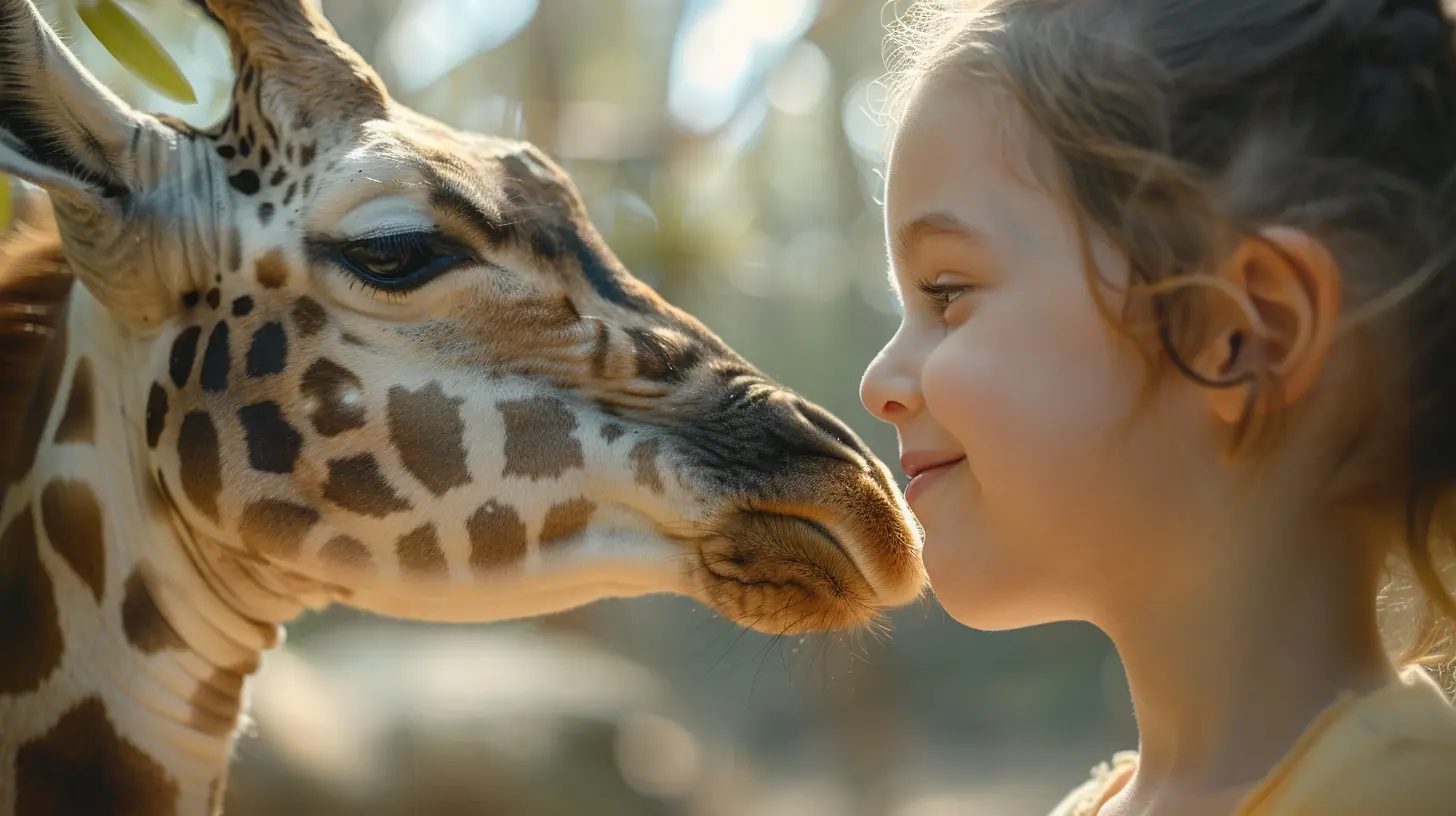
Step 1: Validate Their Fear
Let’s face it — it's tempting to say, “Oh come on, that puppy won’t hurt you!” But to your child, that puppy might be a fuzzy ball of doom.Instead, say things like:
- “I understand that dog looks scary to you right now.”
- “It’s okay to be nervous. New experiences can be a little scary.”
You're not feeding the fear. You're showing them that their feelings are real—and you're right there with them.
Why does this matter?
Because once kids feel heard and supported, they’re more likely to trust you when you help them face their fears.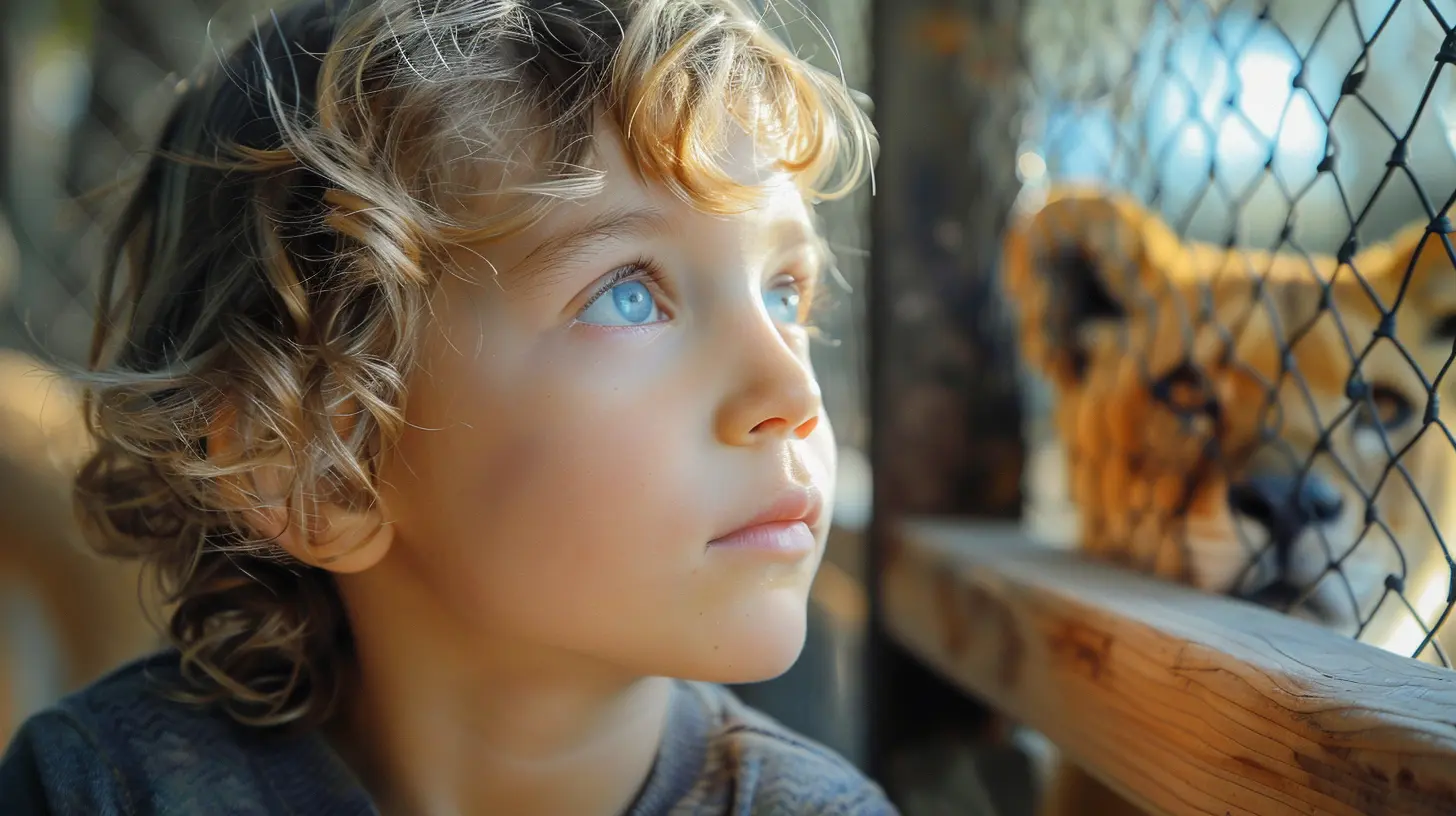
Step 2: Lead by Example
Kids are professional mimics. They watch everything you do — and they especially watch how you react to animals.Walk up to a friendly dog and pet it gently. Hold a bunny or feed a bird at the park. Talk to the animal in a calm, light-hearted tone. Laugh. Smile. Show your child that animals can be kind, fun, and safe.
But don’t force. If they’re clinging to your leg in sheer terror, pulling them closer isn’t going to help. Let them observe from a safe distance. Curiosity often trumps fear — eventually.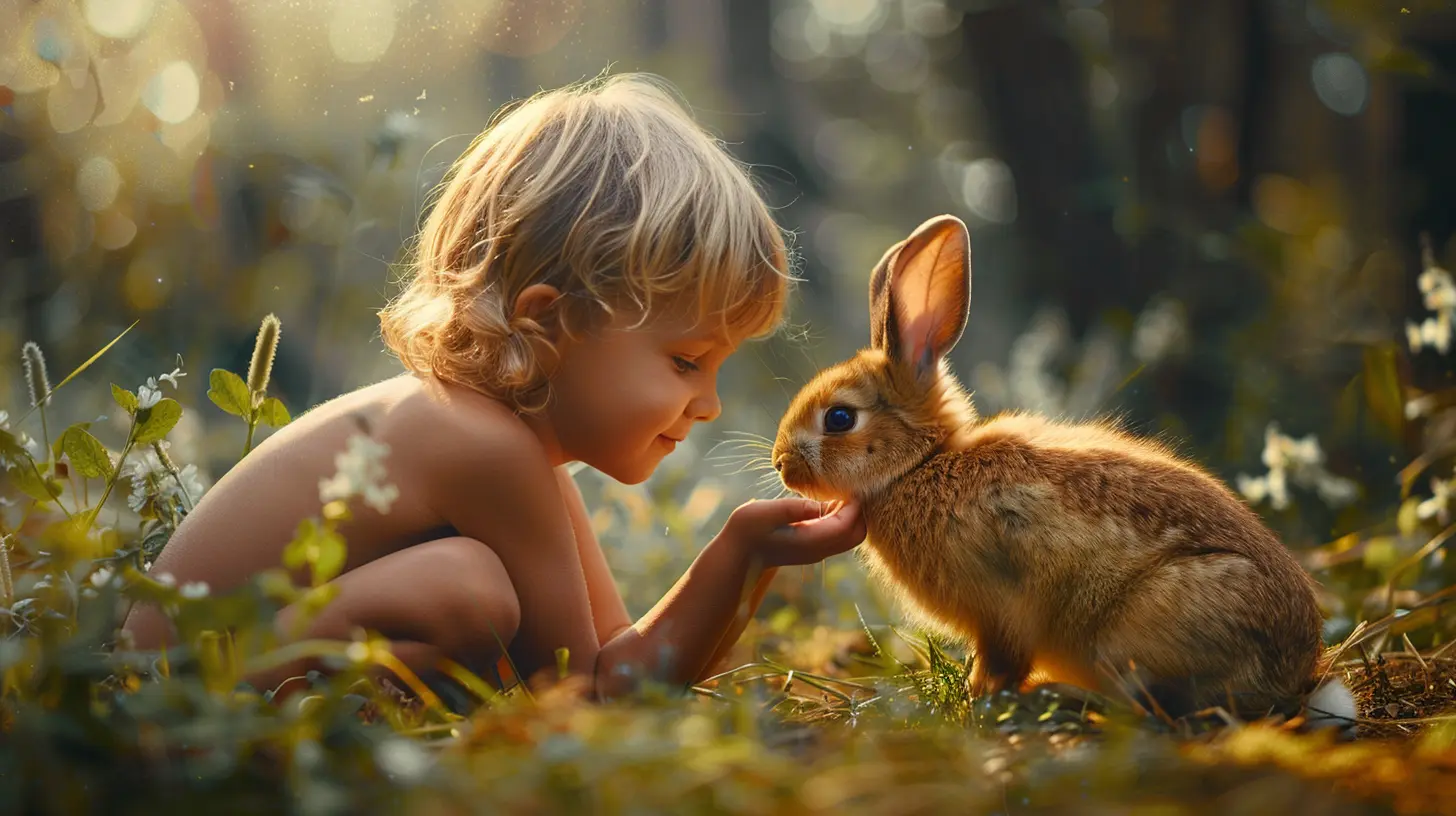
Step 3: Start With Stuffed Animals and Books
Sometimes, the best place to begin is not with a real animal at all.Introduce animal friends through:
- Stuffed toys: Let them hug a soft teddy bear or a plush dog.
- Storybooks: Read books with friendly animals as characters — think “Clifford the Big Red Dog” or “The Very Hungry Caterpillar.”
- Cartoons and shows: Watch age-appropriate animal shows like “Bluey” or “Peppa Pig.”
These indirect exposures help create positive associations and allow kids to explore the idea of animals in a no-pressure environment.
Bonus tip: Let your child name their stuffed animals. Giving them ownership builds connection.
Step 4: Get Familiar With Animal Behavior
Fear often comes from not understanding what’s happening. So let's decode some animal behavior together.Teach your child:
- A wagging tail on a dog usually means it's happy.
- Cats purr when they’re relaxed.
- Birds chirp to talk — not to scare us.
Use simple, kid-friendly language:
- “When a dog licks your hand, it’s like their version of saying ‘Hi!’”
- “That cat flicked its tail, which means it might need some space.”
Knowledge is power. And for kids, it's also comfort.
Step 5: Watch From a Safe Distance
Zoos, aquariums, or animal farms can be a gentle way to introduce your child to real animals — from behind a fence or glass.Here’s what you can do:
- Point out what’s cute or funny.
- Talk about what the animal is doing.
- Make up stories about the animals (kids love that!).
Stand back at their comfort level. No need to join the petting zoo if they’re not ready. Just let them soak it in.
Sometimes, the simple act of seeing an animal without feeling threatened can help soften the fear.
Step 6: Invite Controlled Interactions
Once your child shows curiosity or seems a bit braver, try a small, friendly, and very calm animal encounter.Here are some great starter animals:
- A lazy, older dog.
- A super calm cat.
- A guinea pig or rabbit.
- A neighbor’s friendly pet that they’ve seen before.
Make sure to ask the owner if it’s okay first, and always demonstrate how to interact:
- “Let’s hold out a hand first so the dog can sniff you.”
- “We pet the kitty gently, like this... see?”
Keep it short and sweet. End on a high note. Positive first experiences are gold.
Step 7: Use Role Play and Pretend Games
Let’s get creative. Kids love to pretend — and this can be a powerful tool for facing fears.Try these ideas:
- Pretend to be different animals together. Crawl like a cat, bark like a dog, hop like a bunny.
- Set up a “vet clinic” with stuffed animals and play doctor.
- Create a mini animal parade with toy figures.
Playing out these scenarios helps your child build comfort and make animals part of their world — on their own terms.
Step 8: Keep the Conversation Going
Talk often and casually about animals:- “What animal do you think would make a good friend?”
- “If you had a pet dinosaur, what would you name it?”
- “What did you think of that dog we saw today?”
The more you keep animals in the conversation, the less strange (and scary!) they feel.
Don’t forget to celebrate their wins:
- “You stood next to the dog today! That’s awesome!”
- “I saw you wave at the cat — you’re getting so brave!”
Confidence snowballs. Every little bit helps.
Step 9: Respect Their Timeline
This is a big one.Don’t rush it. Every kid is different.
For some, it may take days.
Others? Weeks, months, or even longer.
Push too hard, and you might accidentally make things worse. But if you stay patient and keep offering low-pressure opportunities, most kids will warm up when they’re ready.
It’s like watering a plant — you can’t force it to bloom, but you can give it sunshine, water, and time.
Step 10: Know When to Seek Help
If your child’s fear of animals is extreme, persistent, or interfering with daily life (like avoiding outdoor play or becoming withdrawn), it may be time to call in reinforcements.Child therapists or counselors who specialize in anxiety can provide helpful coping tools — and they often use fun, play-based techniques that kids respond to.
There’s absolutely no shame in asking for help. In fact, it’s one of the most loving things you can do as a parent.
Final Thoughts
Helping your child overcome a fear of animals isn’t about making them an overnight pet lover. It's about gently guiding them from fear to understanding, from nervousness to curiosity.Remember:
- Be patient.
- Celebrate the small steps.
- Keep that line of trust open.
Who knows? One day, that same child who once cried at the sight of a poodle might be begging you for a pet hamster.
And when that day comes? You’ll know it all started with love, empathy, and some seriously simple steps.
all images in this post were generated using AI tools
Category:
Dealing With FearsAuthor:

Steven McLain
Discussion
rate this article
1 comments
Sofia Kearns
Helping your child face their fears is a wonderful journey. With patience and understanding, you can guide them to embrace the beauty of animals and build confidence.
June 30, 2026 at 3:44 AM
Steven McLain
Thank you! It's truly rewarding to see them grow and learn to appreciate animals.