Parents’ Guide to Easing Fear of Insects in Kids
25 July 2026
Let’s be real—tiny legs, beady eyes, unpredictable buzzing… bugs freak a lot of people out. Now toss in a child’s wild imagination and you’ve got full-blown insect panic on your hands. But here’s the truth: not only are most insects completely harmless, they’re crucial to our planet. Still, convincing a squealing kid that the spider in the corner isn't plotting their doom? That’s where things get tricky.
Welcome to the Parents' Guide to Easing Fear of Insects in Kids. In this guide, we’ll break down what causes these fears, how to gently guide your child through them, and how to turn insect horror into curiosity (and maybe even fascination). Ready to swap screams for science? Let’s dive in.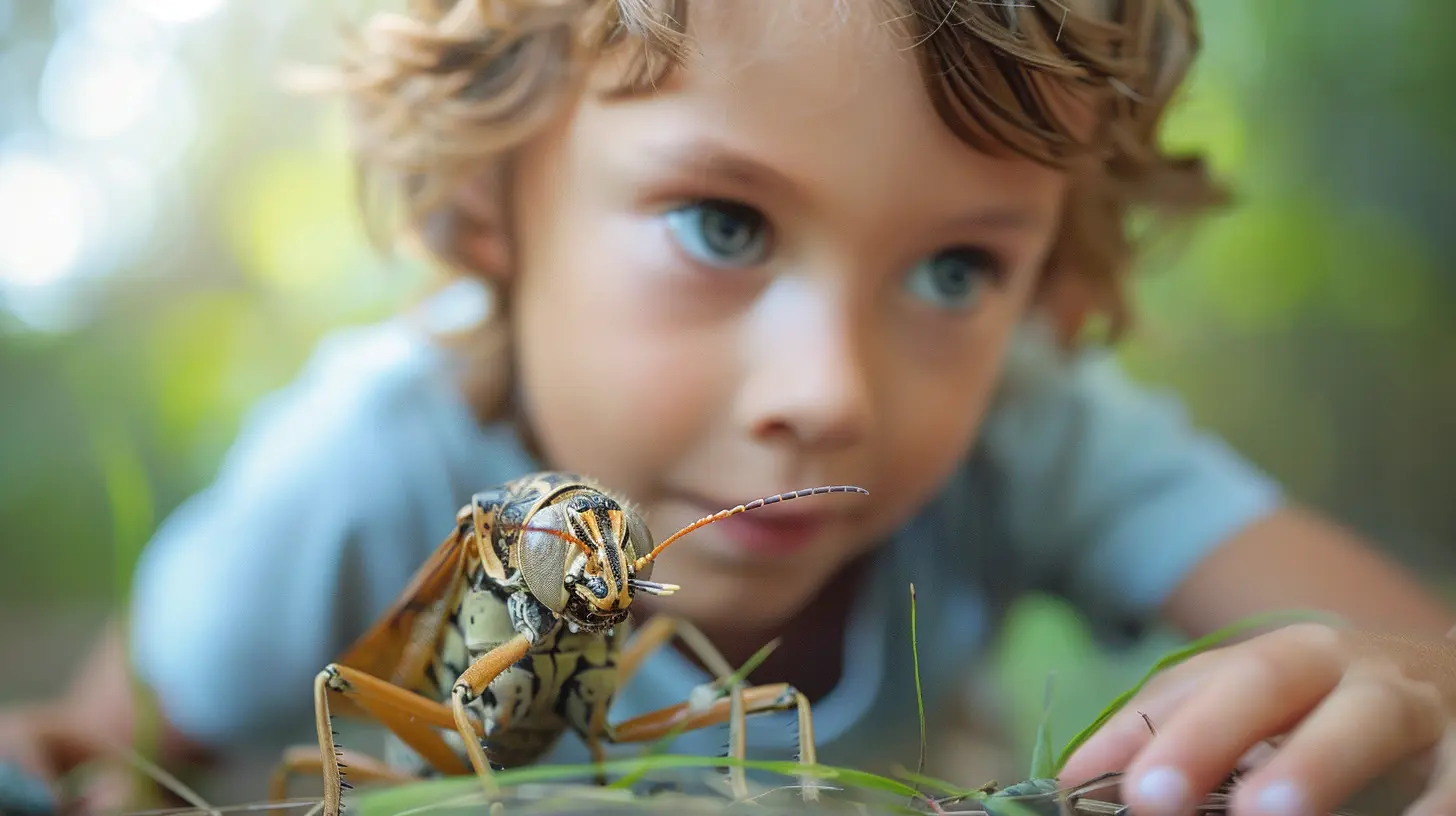
Why Are Kids Afraid of Insects?
First off, it’s important to know that fear of insects—also known as entomophobia—is actually pretty common among kids. So if your child freezes in terror over a harmless ant, you’re not alone.It's All About the Unknown
Kids fear what they don’t understand. Bugs move in weird ways and don’t follow the rules of “normal” animals like dogs or cats. Some fly, some crawl, some jump—you never know what they’re going to do next. And that unpredictability? It’s unsettling for a child trying to make sense of the world.Sensory Overload
Think about it from their perspective—buzzing near their ears, sudden movements near their face, the ticklish feel of tiny legs. For a sensory-sensitive child, that’s a recipe for an instant freak-out.Influence From Adults and Media
Yep, you guessed it. If your child sees you scream when a moth gets too close or movies constantly portray bugs as creepy villains, they’re going to absorb that fear like a sponge. Kids mimic what they see and hear—whether it’s accurate or not.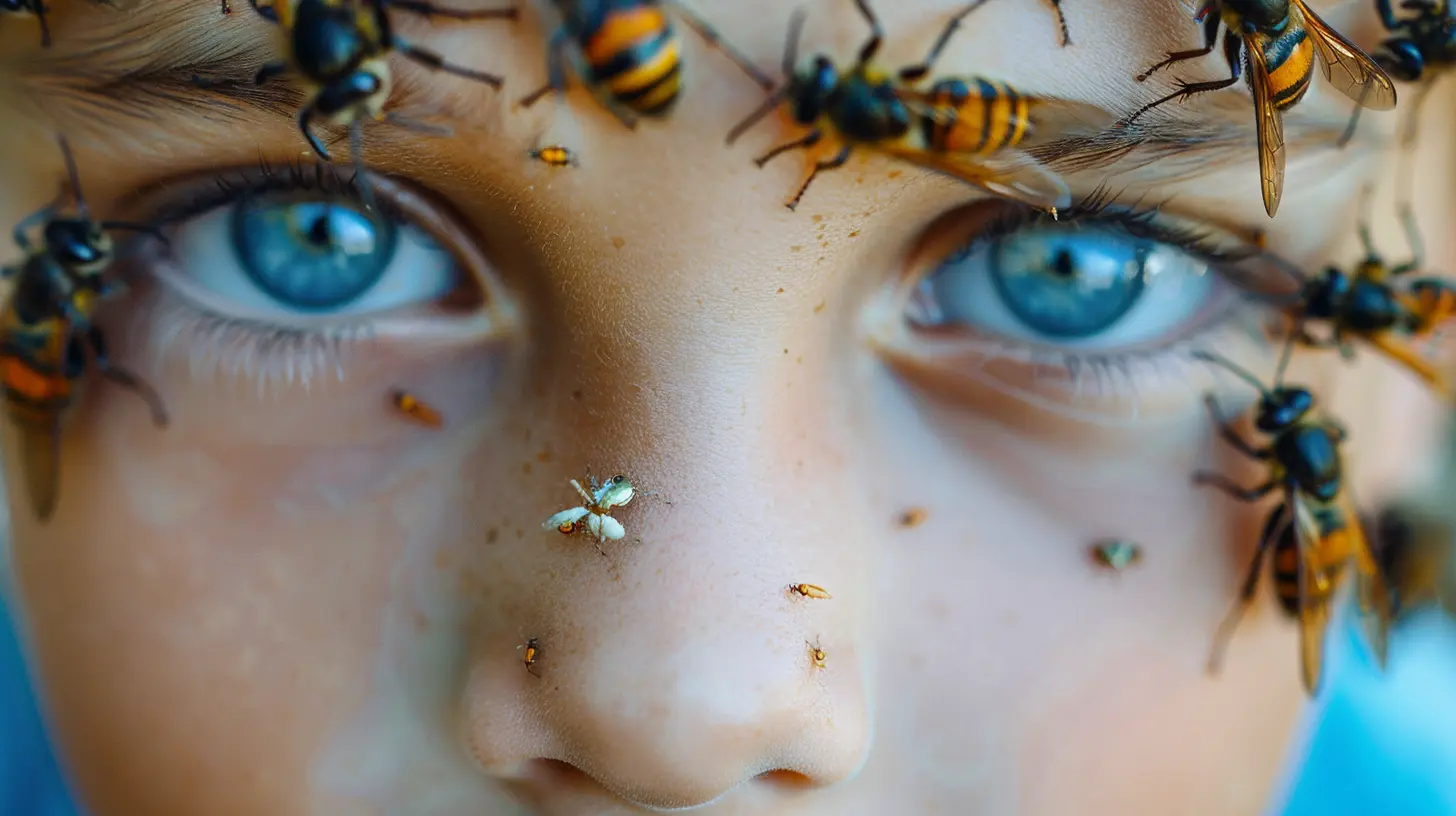
How to Tell If Your Child Has a Serious Fear of Insects
A little fear is natural, but here’s how you can tell if it’s becoming an issue:- They refuse to go outside because of bugs.
- They have nightmares or recurring anxiety about insects.
- They overreact to even the smallest bug encounter (think screaming, crying, or running away).
- They constantly check surroundings for bugs (hyper-awareness).
If you’re noticing these signs, it’s time to gently tackle the fear head-on.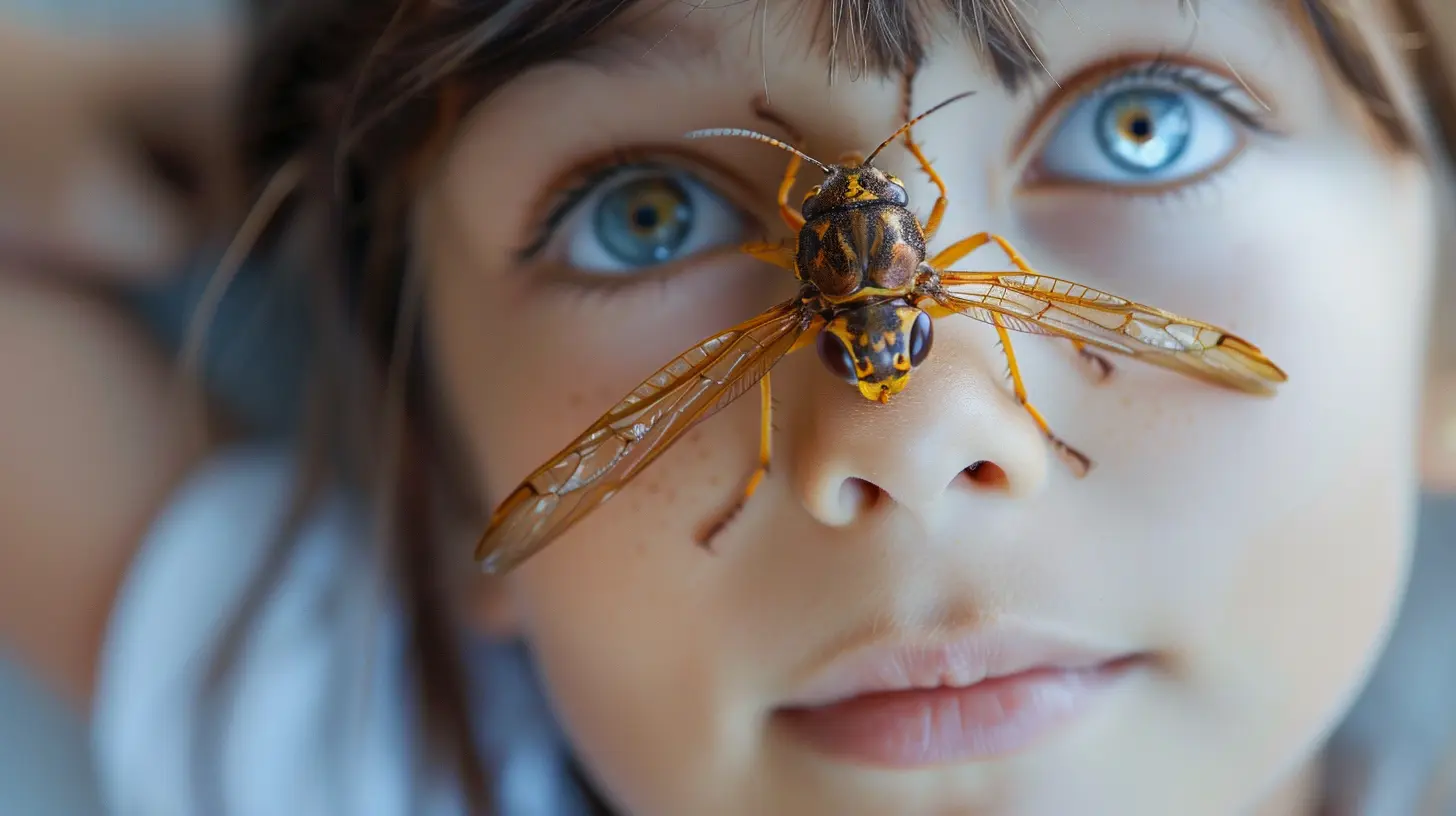
Effective Ways to Help Your Child Overcome Their Fear
You don’t have to be an entomologist or bug lover yourself to help your child. You just need a plan, a little patience, and plenty of encouragement.1. Normalize Bugs in Everyday Life
Start small. Point out worms on the sidewalk after the rain. Mention how butterflies help flowers grow. Make it a part of your casual conversations.The more familiar bugs become, the less threatening they’ll seem. Think of it like getting to know that neighbor who seems scary at first but turns out to be totally nice once you talk to them.
2. Be Calm—Even if You’re NOT
This one's big. Kids mirror our reactions. If you gasp and swat frantically at a fly, don’t be surprised when your child does the same (times ten). Try to stay cool, even if you’re screaming on the inside.You can say something like, “Oh look, a little bug! It’s just doing its thing,” to model a calm response.
3. Use Books and Videos to Demystify Insects
There are tons of kid-friendly resources packed with fun insect facts and adorable illustrations. Look for books that show bugs as part of nature’s team, doing helpful work like pollinating plants or breaking down waste.Better yet, try a fun cartoon or educational show about bugs. When kids see insects portrayed as cute, helpful, or silly, it chips away at that fear.
4. Go on a “Bug Hunt”
Make a game out of spotting bugs in your backyard or at a local park. Bring a magnifying glass and notebook. Create a scavenger hunt—“Can you find a red bug? A flying one? One with six legs?”This hands-on approach turns fear into fascination. It’s science class meets adventure time.
5. Let Them Lead the Pace
Don’t force it. If your child is terrified of touching a bug, don’t shove one in their direction. Respect their boundaries and inch forward gradually.Maybe this week they observe a butterfly from a distance. Next week, they might be okay with holding a ladybug on a leaf. Baby steps count.
6. Use Humor to Break the Tension
Laughter is a secret weapon. Share funny bug stories or make up silly names for the insects you find. “Oh look, it’s Sir Crawls-a-Lot!”A little playfulness goes a long way in easing the tension and shifting the mood.
7. Teach What Bugs Actually DO
Fear often comes from misunderstanding. Many kids think every bug wants to bite them. Teach them the truth:- Most bugs don’t bite.
- Spiders actually eat the insects we don’t want around!
- Bees pollinate our food.
- Worms keep our soil healthy.
When kids realize bugs are more helpful than harmful, they start to see them differently.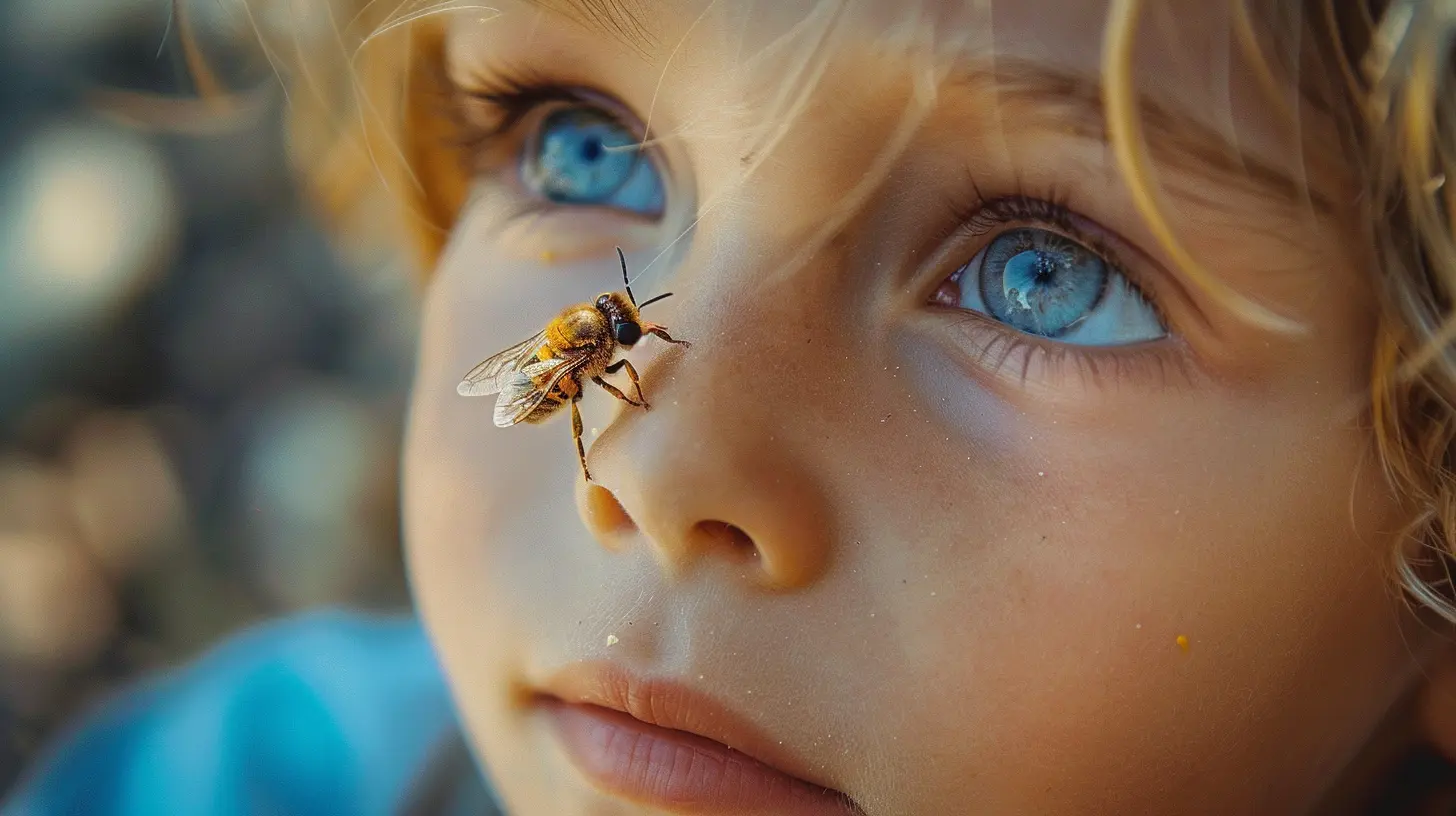
What NOT to Do When Your Kid Fears Bugs
As much as there are things you should do, there are also a few no-nos that can make things worse.Don’t Tease or Mock
Even if their fear seems over-the-top, it’s real to them. Making jokes at their expense or calling them “scaredy-cats” won’t help; it’ll make them feel ashamed for being afraid. That’s the opposite of progress.Don’t Force Interactions
Don’t make your child touch a bug or get close to one if they’re clearly uncomfortable. That can backfire and solidify the fear even more.Don’t Overprotect
This can be tricky. Of course, you want to protect your child’s feelings—but don’t feed into the fear by overreacting every time they see a bug. Find a balance between compassion and confidence.When to Get Professional Help
If bug fear seriously interferes with your child’s daily life—and gentle efforts haven’t worked—it might be time to chat with a child psychologist. They can help figure out if your child's fear is linked to a larger anxiety issue and offer more specialized strategies.That said, in most cases, these fears ease with time, gentle exposure, and the right support. You’ve got this.
Fun Activities to Encourage Bug Curiosity
Let’s flip the script. Instead of running from bugs, how about learning with them? Here are a few fun, low-pressure activities to try:Make a “Bug Hotel”
Use old sticks, pinecones, leaves, and twigs to build a cozy home for insects in your yard. Your child will feel proud—and less afraid—knowing they’re helping tiny creatures find shelter.Create a “Bug Journal”
Give them a notebook to draw or write about every insect they find. They can name the bug, describe what it was doing, or draw a picture. Over time, they’ll build confidence and knowledge.Visit a Butterfly Garden or Insect Exhibit
These places are filled with safe, structured environments where kids can be around bugs without fear. Staff are usually knowledgeable and great at answering questions in a kid-friendly way.Final Thoughts
Helping your child overcome their fear of insects isn’t an overnight fix. It’s a journey—and one that takes empathy, patience, and a little creativity. But here’s the beautiful part: when you teach your child not just to tolerate but appreciate bugs, you’re opening their eyes to the wonders of the natural world.And who knows? That squealing five-year-old may just grow up to be the next big bug expert. Or at least someone who doesn’t scream at the sight of an ant on the sidewalk. Either way, you're doing incredible work by guiding them through their fears with love, logic, and a little bit of laughter.
So, take a deep breath, roll up your sleeves, and say, “Hey buddy, let’s go meet some bugs.
all images in this post were generated using AI tools
Category:
Dealing With FearsAuthor:

Steven McLain
Discussion
rate this article
1 comments
Blade Moses
This article is a fantastic resource for parents looking to help their kids overcome a fear of insects. Simple tips and engaging activities can make a big difference. It's all about fostering understanding and curiosity rather than fear.
July 26, 2026 at 4:22 PM
Steven McLain
Thank you for the kind words! I'm glad you found the tips helpful. Encouraging curiosity is key to overcoming those fears.