How Too Much Screen Time Affects Kids' Mental Health
21 March 2026
In today’s digital world, it feels almost impossible to imagine a day without screens. Tablets, smartphones, TVs, laptops—you name it—are everywhere. And let’s be real, sometimes screens are lifesavers for busy parents. Need five minutes to cook dinner or take that work call without a meltdown? Boom—press play on a cartoon and you’ve bought yourself a little peace.
But what happens when those five minutes turn into hours? What’s the real cost of all this screen time on our kids’ developing minds? Buckle up because we're diving headfirst into the emotional and mental rollercoaster that excessive screen use can bring to our children's lives.
🧠 What's Going on in Their Little Minds?
Children's brains are like sponges—constantly absorbing information, processing emotions, and learning how the world works. During these early years, experiences matter a lot. So when a large chunk of their time involves watching animated characters or mindlessly scrolling, there’s bound to be an impact.And no, we’re not about to say screens are the root of all evil. They’re not. But like anything else, balance is everything.
📱 So... What Counts as “Too Much” Screen Time?
I know what you're thinking: _"Okay, but what’s too much?"_Well, according to pediatric experts like those at the American Academy of Pediatrics (AAP), children aged 2 to 5 should have no more than 1 hour of screen time per day. For older kids, it’s more about quality over quantity—but spending 4–6 hours daily on non-educational screen use? That’s pushing it way beyond what's considered healthy.
Let’s keep it real—many kids are glued to screens way longer than that. And the effects? They’re not just physical (like eye strain or poor posture); they run much deeper.
😟 Emotional Side Effects That May Surprise You
1. Increased Anxiety and Depression
Numerous studies have shown links between excessive screen time and mental health issues, especially anxiety and depression in children and teenagers. One reason? Social media.Kids are growing up in a world where likes and comments measure self-worth. That’s a heavy burden. Add in the fear of missing out (FOMO), cyberbullying, and the pressure to always be “on,” and you’ve got a perfect storm for emotional stress.
Even for younger children, overstimulation from fast-paced content can cause irritability and mood swings.
2. Poor Sleep = Cranky Kids
Blue light from screens messes with melatonin—the hormone that regulates sleep. If your child is on a tablet right before bed, falling asleep becomes a whole lot harder. Lack of good-quality sleep doesn’t just cause tired mornings—it can lead to attention problems, heightened stress, and even behavioral issues.Let’s be honest, when your kid doesn’t sleep well, no one in the house sleeps well. It’s a lose-lose.
3. Social Struggles
Ever seen a group of kids sitting together but every single one of them is staring at their phones? It’s a tough picture of modern childhood.Too much screen time can limit face-to-face interactions, making it harder for kids to pick up on social cues, empathy, and communication skills. Long-term, this can make friendships harder to build and maintain.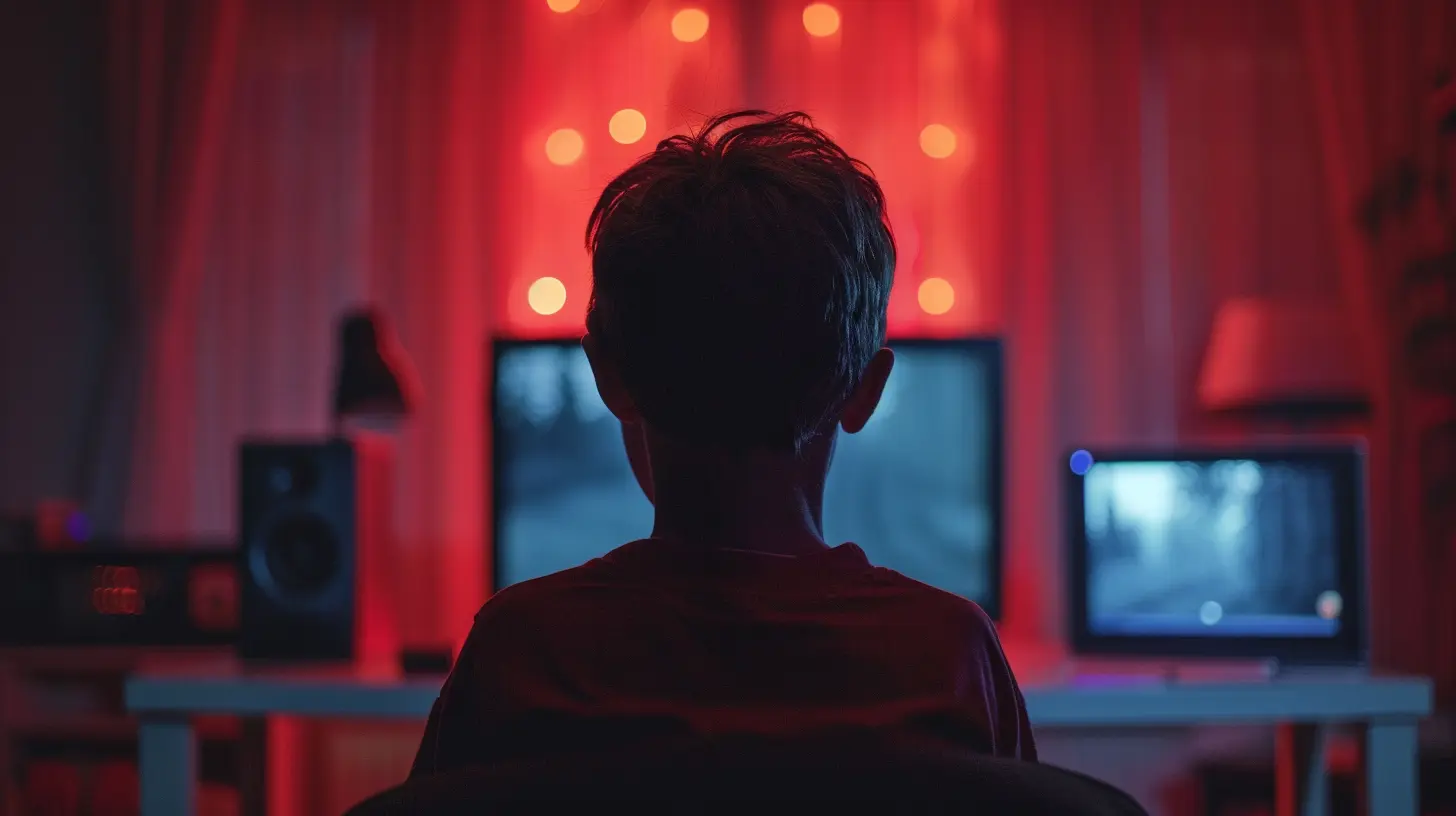
🧩 The Cognitive and Behavioral Fallout
1. Shorter Attention Spans
Today’s content is bite-sized, flashy, and fast-paced. Children's brains get used to constant stimulation, which means everyday tasks—like reading, schoolwork, or even just sitting through dinner—can start to feel “boring.”This overstimulation rewires the brain, encouraging impulsive behavior and making sustained focus harder and harder.
2. Reduced Creativity
Remember the good old days of playing pretend? Building forts out of couch cushions and using sticks as magic wands? That kind of imaginative play is crucial for developing creativity, critical thinking, and problem-solving.But when screens dominate free time, unstructured play takes a backseat. And less playtime equals fewer opportunities for kids to explore the world with curiosity and creativity.
👫 Effects on Relationships and Family Life
You might notice the more time your child spends on screens, the more things start to feel… disconnected.Family Bonding Suffers
Instead of bonding over shared activities or conversations, many families are finding their “together time” means everyone is on their own device. This isn’t just about missing out on fun—it’s about lost opportunities to shape values, build trust, and strengthen emotional connections.Increased Conflicts
Have you ever tried to take a tablet away from a child mid-game or show? Cue the tantrums. Kids can become addicted or dependent on their screens, and managing that dependency can lead to daily power struggles and stress for everyone involved.📉 The Impact on Self-Esteem
We’re raising a generation of kids who are constantly comparing themselves to others online. Filters, likes, perfectly crafted posts—it’s all smoke and mirrors. But kids don’t always see it that way. They see someone with more followers or likes and think, “Why not me?”This comparison game can chip away at their self-confidence. And that inner critic? It gets louder the more they scroll.
🛡️ What Can Parents Do?
Okay, so now we know the risks. But here’s the good news: you’re not powerless. There are practical steps you can take to reduce screen time and support your child’s mental and emotional well-being.1. Set Clear Boundaries
This isn’t about being the no-fun police. It’s about creating healthy limits. Set daily screen time caps and stick to them. Have no-screen rules during meals, family time, and before bed.Make it a family practice so it doesn’t feel like a punishment.
2. Be a Role Model
Here’s a tough one: kids learn by watching us. If we’re constantly glued to our phones, how can we expect anything different from them?Model balanced screen use. Put the phone down when you're talking to your child. Show them what a healthy relationship with technology looks like.
3. Create Screen-Free Zones
Designate areas in your home where screens are a no-go—like bedrooms or the dinner table. This promotes better sleep, real conversations, and a calmer environment.4. Encourage Real-Life Activities
The best antidote to screens? Good ol’ fashioned playtime. Send them outside. Encourage hobbies like drawing, biking, or music. Enroll them in team sports, dance classes, or anything where they interact with real humans.5. Use Tech Wisely
Not all screen time is bad. There are plenty of educational apps, games, and shows out there. The key is to prioritize quality content and co-view whenever possible so you can talk about what they’re watching or playing.6. Talk Openly About Mental Health
Normalize conversations around feelings, anxiety, and pressure. Let your kids know it’s okay to not be okay—and that they can always come to you. Nothing beats a solid emotional foundation.🎯 It's All About Balance
We live in a tech-driven world, and there’s no turning back. Screens will always be a part of our lives and our kids’ lives—but how we manage them makes all the difference.Instead of banning screens completely (which, let’s be honest, isn’t realistic), focus on finding that sweet spot. One where your child can enjoy their favorite show, but also spend time playing outside, talking with family, and sleeping soundly at night.
Because at the end of the day, our job as parents isn’t to protect them from every little thing—it’s to guide them, support them, and help them grow into healthy, happy humans.
💡 Final Thoughts
Raising kids in the digital age is no easy feat. It takes effort, patience, and sometimes a full-on negotiation to manage screen time. But trust me, the payoff is worth it.Less screen time can mean better mental health, stronger relationships, and a more connected family. And isn’t that what we all want?
Start small. Set a boundary today. Take one screen-free walk this week. Remember, you’re not alone—and your child’s mental wellness is worth every second.
all images in this post were generated using AI tools
Category:
Limiting Screen TimeAuthor:

Steven McLain
Discussion
rate this article
2 comments
Lillian Reynolds
Balance is crucial for well-being.
March 23, 2026 at 4:23 PM
Steven McLain
I completely agree. Finding that balance is key to supporting kids' mental health in a digital age.
Sylvia McCarthy
Balancing screen time is crucial; it fosters healthier social skills and emotional resilience in children.
March 21, 2026 at 4:29 AM
Steven McLain
Absolutely. Less screen time often means more real-world interaction, which is essential for building those skills.