Encouraging Hands-on Learning Opportunities Instead of Digital Games
12 December 2025
Introduction
In today's tech-driven world, it's easy to hand a child a tablet or smartphone to keep them entertained. Digital games have become a go-to activity for many kids, offering instant gratification and immersive experiences. But is this constant screen time really contributing to their overall development?
Now, don’t get me wrong—technology has its place. But there’s something magical about hands-on learning that simply can’t be replicated by pixels on a screen. When kids engage in real-world activities, they develop problem-solving skills, creativity, and a deeper understanding of how things work.
So, how can we, as parents, shift the focus from digital distractions to meaningful, hands-on learning experiences? Let’s dive into the importance of hands-on learning and explore practical ways to encourage it in our children’s everyday lives. 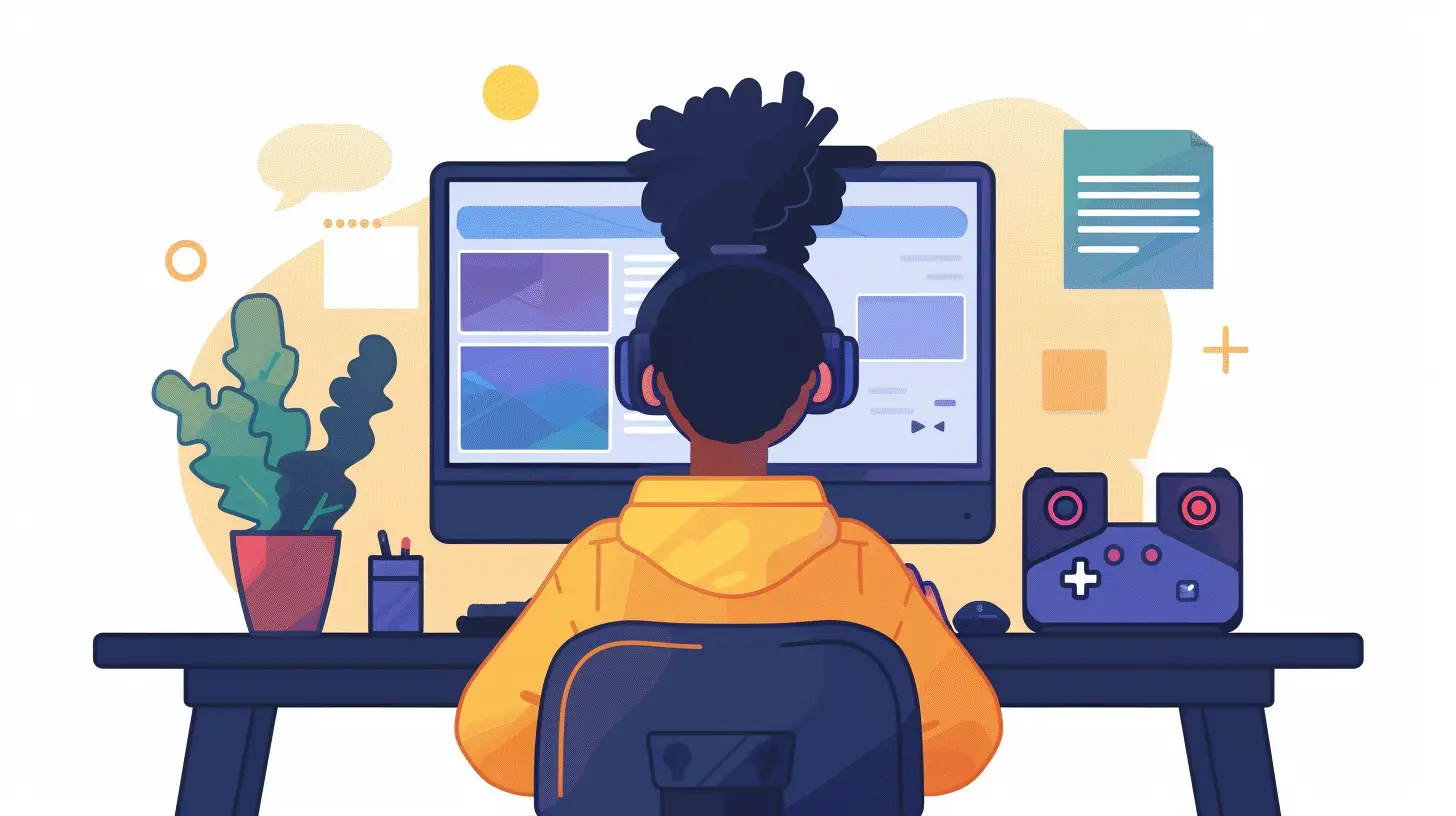
The Downside of Too Much Screen Time
Before we jump into alternative learning methods, it's important to understand why excessive screen time isn’t ideal for kids. Sure, digital games can be educational, but they also come with downsides:📉 Limited Social Interaction
When kids spend hours glued to a screen, they miss out on face-to-face social interactions. Real conversations, teamwork, and empathy-building are essential life skills that digital games can't fully teach.🛑 Reduced Attention Span
Fast-paced games and instant rewards can make it harder for kids to focus on slower, more thoughtful tasks. Ever notice how your child struggles to sit down and read a book? Digital stimulation might be to blame.😴 Sleep Disruptions
Too much screen time, especially before bed, can interfere with sleep. The blue light from screens tricks the brain into thinking it’s still daytime, making it harder for kids to fall asleep and stay well-rested.🏃♂️ Lack of Physical Activity
With all that time spent tapping and swiping, kids get fewer opportunities for physical play—which is crucial for motor skills and overall health. A sedentary lifestyle can lead to obesity, poor posture, and a lack of endurance.Clearly, excessive digital exposure isn’t doing our children any favors. So, what’s the alternative? Hands-on learning! 
Why Hands-on Learning is So Powerful
Hands-on learning isn't just a fun way to pass the time—it’s one of the most effective ways for children to absorb new information. Here’s why:🔎 Encourages Critical Thinking
When kids build a model, conduct a science experiment, or cook a meal, they learn through trial and error. They analyze situations, solve problems, and think critically—all important life skills.✋ Engages Multiple Senses
Children learn best when they use multiple senses. Whether they're touching, smelling, hearing, or even tasting, these sensory experiences help reinforce learning in ways that screens simply cannot.🎨 Sparks Creativity
Give a child a handful of building blocks, and they can create an entire world. Hands-on activities allow kids to use their imagination freely, fostering creativity and innovation.🤝 Builds Social Skills
Group activities like board games, team-based crafts, or outdoor adventures teach children how to collaborate, share, and communicate effectively.🔄 Boosts Memory Retention
Studies show that when children physically engage with a concept—whether by building, drawing, or experimenting—they remember it better than if they just watched a video or played a digital game.
Practical Ways to Encourage Hands-on Learning
Now that we understand how valuable hands-on learning is, let’s look at some engaging and fun activities to replace screen time.1. Engage in DIY Science Experiments 🧪
Science isn’t just something to be learned in a classroom—it’s all around us! Simple experiments teach kids important concepts in physics, chemistry, and biology while keeping them engaged.Ideas to Try:
- Vinegar and baking soda volcano- Growing crystals with salt water
- Homemade slime with glue and borax
- Creating a balloon-powered car
These activities fuel curiosity and make learning science fun and interactive.
2. Encourage Arts and Crafts 🎨
Art is a fantastic way for kids to express their creativity and develop fine motor skills. Plus, it’s a great alternative to staring at a screen.Ideas to Try:
- Finger painting- DIY puppets with paper bags
- Jewelry making with beads
- Nature collages from leaves and flowers
Letting children explore different materials and textures helps them think outside the box.
3. Get Hands-on with Building and Engineering 🏗️
Building projects fuel problem-solving skills, patience, and creativity. Whether it's stacking blocks or constructing a treehouse, kids love the challenge of creating something from scratch.Ideas to Try:
- LEGO challenges (build a bridge, a castle, or a spaceship)- Popsicle stick bridges
- Cardboard box forts
- Magnetic tile creations
Hands-on building activities lay the foundation for engineering and STEM learning.
4. Involve Kids in Cooking and Baking 🍪
Cooking is a life skill that teaches kids about measurements, following instructions, and patience. Plus, they get to enjoy a delicious reward at the end!Ideas to Try:
- Making homemade pizzas- Baking cookies or muffins
- Mixing up smoothies with fruits
- Creating a DIY ice cream bar
Cooking together also strengthens family bonding and teaches kids the joy of making something with their hands.
5. Encourage Outdoor Exploration 🌿
Nothing beats real-world experiences when it comes to learning. The outdoors offers endless opportunities to learn about science, geography, and even teamwork.Ideas to Try:
- Nature scavenger hunts- Gardening (planting flowers, herbs, or vegetables)
- Rock collecting and identifying
- Camping and outdoor survival skills
Outdoor play not only supports learning but also promotes physical health and mental well-being.
6. Introduce Board Games and Puzzles 🎲
Who says games have to be digital? Board games and puzzles are fantastic for cognitive development and social interaction.Ideas to Try:
- Chess or checkers for strategy building- Monopoly for financial literacy
- Jigsaw puzzles for problem-solving
- Scrabble for vocabulary building
These games sharpen the mind while offering quality family bonding time.
7. Let Them Tinker and Fix Things 🔧
Kids are naturally curious about how things work. Letting them take apart (and hopefully put back together) household items can boost their understanding of mechanics and engineering.Ideas to Try:
- Tinkering with an old clock or radio- Assembling a DIY birdhouse
- Using real (child-safe) tools to build simple projects
Encouraging hands-on problem-solving helps raise independent thinkers. 
Making the Shift From Screens to Hands-on Learning
Shifting kids away from screens and toward hands-on activities might seem like a challenge, but the key is to make it gradual and enjoyable.Tips to Ease the Transition:
✔️ Set Screen Time Limits – Balance is key. Gradually reduce screen time and offer engaging hands-on alternatives.✔️ Be a Role Model – Kids mimic what they see. Engage in hands-on activities yourself, and they’ll follow.
✔️ Make it Fun – Present hands-on learning as an exciting adventure rather than a chore.
✔️ Create a Learning Space – Set up an area for arts, crafts, and experiments where kids can explore freely.
✔️ Incorporate Learning into Daily Life – Whether it’s grocery shopping, cooking, or fixing things around the house, involve kids in everyday tasks.
Final Thoughts
While digital games have their place, they shouldn’t replace the rich, hands-on experiences that shape a child’s development. Encouraging real-world exploration, creativity, and interaction provides lasting benefits that screens simply can’t match.By embracing hands-on learning, we’re not just keeping kids entertained—we’re giving them the tools to grow, problem-solve, and explore the world with curiosity and confidence. So, next time you reach for that tablet, consider grabbing some art supplies, a science kit, or stepping outside instead. You might be surprised at just how much fun learning can be!
all images in this post were generated using AI tools
Category:
Limiting Screen TimeAuthor:

Steven McLain
Discussion
rate this article
2 comments
Zane Dodson
Absolutely love this perspective! In a world buzzing with screens, fostering hands-on learning not only sparks creativity but also strengthens our bonds with our kids. Let’s encourage those messy, joyful moments of exploration—those are the real treasures of childhood!
December 18, 2025 at 3:26 PM
Steven McLain
Thank you! I couldn’t agree more—those messy moments truly are the heart of learning and connection!
Mateo Hubbard
While hands-on learning is invaluable, a balanced approach that incorporates digital games can enhance skills and engagement in today’s tech-driven world.
December 15, 2025 at 5:53 AM
Steven McLain
I appreciate your perspective! While I agree that digital games can enhance engagement, the focus here is on the irreplaceable benefits of hands-on learning for skill development and real-world application.