Do’s and Don’ts for Sideline Parents: How to Be Your Child’s Biggest Fan
20 December 2025
Watching your child play sports is exciting! Whether it's soccer, basketball, baseball, or any other game, seeing them in action brings a sense of pride. But let's be honest—sideline parents can sometimes get carried away.
Being supportive is fantastic, but there’s a fine line between being an encouraging fan and becoming that parent—the one who yells at referees, criticizes the coach, or puts too much pressure on their child.
So, how do you strike the right balance? Let’s break down the key do’s and don’ts of being the best sideline parent you can be.

✅ Do’s for Sideline Parents
1. Cheer Loudly, but Positively
Your child wants to hear your support, not your criticism. Clap, shout words of encouragement, and celebrate effort over results. A simple "Great job!" or "Nice hustle!" goes a long way.2. Focus on Effort, Not Just Winning
Kids thrive when they feel valued for their hard work—not just for scoring goals or making game-winning plays. Praise their dedication, teamwork, and improvement rather than solely the scoreboard.3. Respect the Coach’s Decisions
Coaching isn’t easy. Trust that the coach has the team’s best interests at heart, even if you don’t always agree with their strategy. If you have concerns, discuss them privately and respectfully—never in front of the team.4. Model Good Sportsmanship
Your child is watching how you react. If you're booing the opposing team or arguing with officials, what message does that send? Set an example by staying respectful, congratulating the other team, and showing appreciation for all players.5. Encourage Teamwork and Friendships
Sports are about more than just competition. Foster a love for the team experience by encouraging your child to support their teammates, build friendships, and have fun. The bonds they make can last a lifetime.6. Let the Love of the Game Shine
Remember, this is their journey, not yours. Encourage their passion for the sport rather than pushing your own dreams onto them. If they love it, they’ll work hard. If they lose interest, that’s okay too.7. Teach Resilience Through Setbacks
Losses and mistakes are part of sports—and life. Instead of dwelling on what went wrong, help your child see these moments as learning opportunities. A simple “You played your heart out, and that’s what counts!” can mean the world.8. Support the Entire Team
Your child isn’t the only one on the field. Cheer for everyone’s good plays, not just theirs. When kids see their parents supporting teammates instead of just focusing on them, it builds a stronger, more positive environment.9. Know When to Stay Silent
Not every moment requires commentary. Sometimes, the best support is a knowing smile, a thumbs-up, or a quiet nod of approval. Let them play without the added pressure of constant sideline chatter.10. Celebrate Small Wins
Scoring a goal or winning a match is great, but so is mastering a new skill, improving teamwork, or giving 100% effort. Acknowledging these smaller victories helps keep the game fun and rewarding.
🚫 Don’ts for Sideline Parents
1. Don’t Coach from the Sidelines
Your child already has a coach—the last thing they need is conflicting advice shouted from the stands. Yelling instructions might distract them rather than help. Let them play and trust the coaching staff to guide them.2. Don’t Criticize Your Child’s Performance
Ever heard a kid say, “I love when my parents point out all my mistakes”? Yeah, me neither. Even well-intended critiques can feel discouraging. Keep your post-game talks positive and supportive.3. Don’t Argue with Referees
Referees make mistakes—they’re human too. Arguing with them won’t change the call, but it will embarrass your child and ruin the game’s atmosphere. Remember, it’s just a game, not the World Cup!4. Don’t Compare Your Child to Others
Every kid develops at their own pace. Comparing your child to teammates—or worse, to their siblings—can crush their confidence. Instead, focus on their individual progress and effort.5. Don’t Put Pressure on Outcomes
Winning is fun, but it’s not everything. If your child feels like their value hinges on performance, they might lose their love for the game. Keep the emphasis on effort, improvement, and enjoyment.6. Don’t Get Into Conflicts with Other Parents
Sideline drama? No thanks. Avoid confrontations with other parents, even if they’re behaving badly. Setting a calm example teaches your child more than any argument ever could.7. Don’t Use Guilt as a Motivator
Saying things like “We spend so much time and money on this—at least play well” puts unnecessary pressure on your child. They should play because they want to, not because they feel obligated.8. Don’t Dwell on Mistakes After the Game
Once the game ends, let it go. Rehashing every missed shot or mistake on the drive home won’t help—it’ll just make them dread future games. Give them space to process the game without added stress.9. Don’t Forget Who the Sport is For
This is their experience, not yours. If you find yourself more invested in their performance than they are, take a step back. Your role is to support, not to relive your own sports dreams through them.10. Don’t Lose Sight of Fun
At the end of the day, sports should be fun. If your child isn’t smiling, laughing, or enjoying themselves, something needs to change. The best memories come from joy-filled moments—not just victories.
Final Thoughts
Being a sideline parent is a privilege. You get a front-row seat to your child’s growth, perseverance, and passion. But the way you show up matters. By following these do’s and don’ts, you can create a supportive environment where your child thrives—on and off the field.So, next time you’re at the game, ask yourself: Am I being the parent I would want cheering for me? If the answer is yes, you’re doing it right!
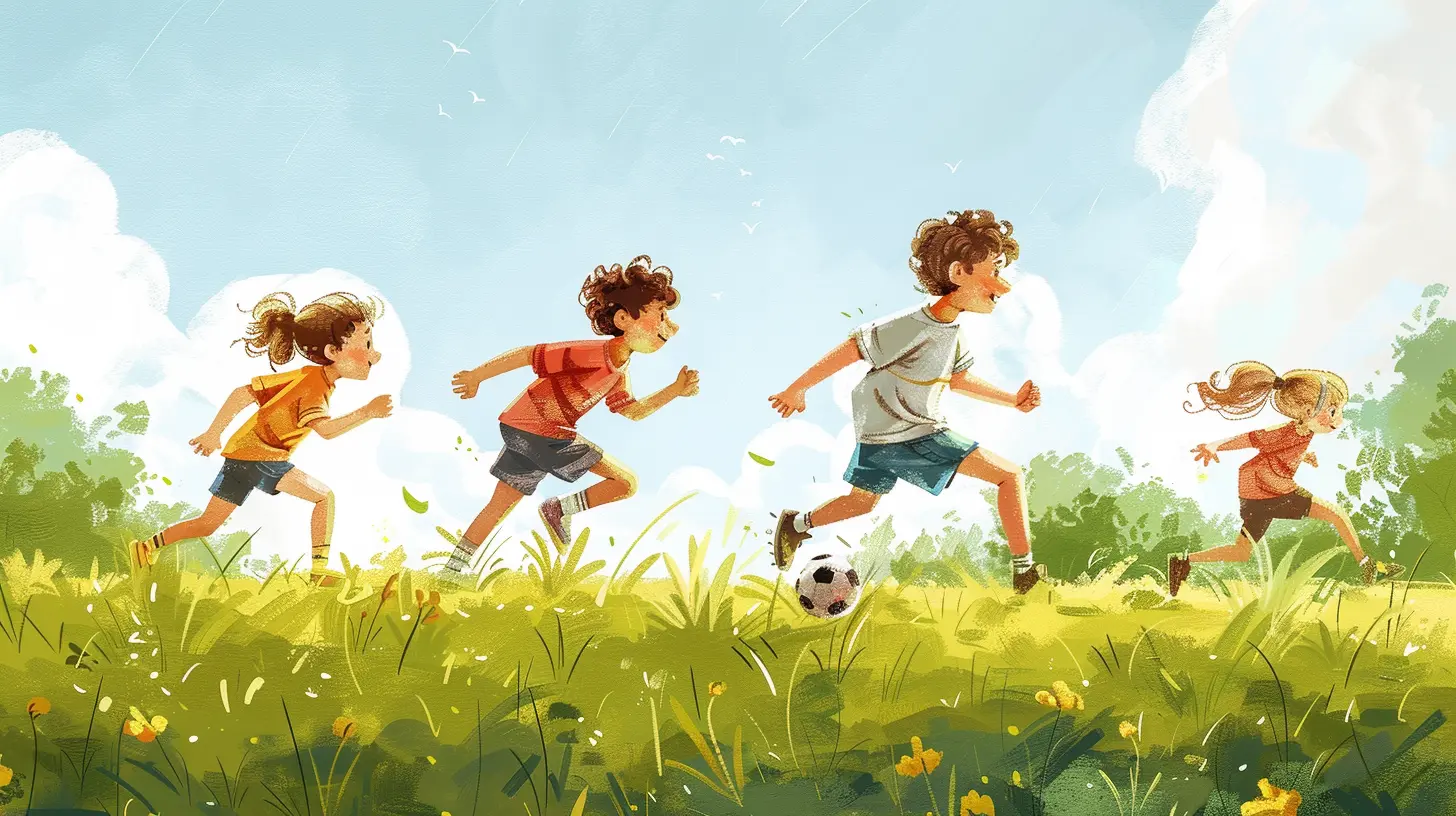
all images in this post were generated using AI tools
Category:
Kids And SportsAuthor:

Steven McLain
Discussion
rate this article
2 comments
Cypher Kirkpatrick
Support without pressure—balance fandom with understanding.
December 22, 2025 at 5:28 PM
Steven McLain
Absolutely! It's essential to cheer them on while respecting their pace and feelings. Balance is key to fostering their love for the game.
Lyanna McGillivray
Thank you for sharing these valuable insights! Supporting our children while maintaining a positive sideline presence is so important. I appreciate the emphasis on encouragement and respect for officials; it truly sets a great example for our kids.
December 20, 2025 at 3:40 PM
Steven McLain
Thank you for your thoughtful response! I'm glad you found the insights valuable—supporting our kids positively truly makes a difference!