Bridging Cultural Learning Gaps Through Play
11 September 2026
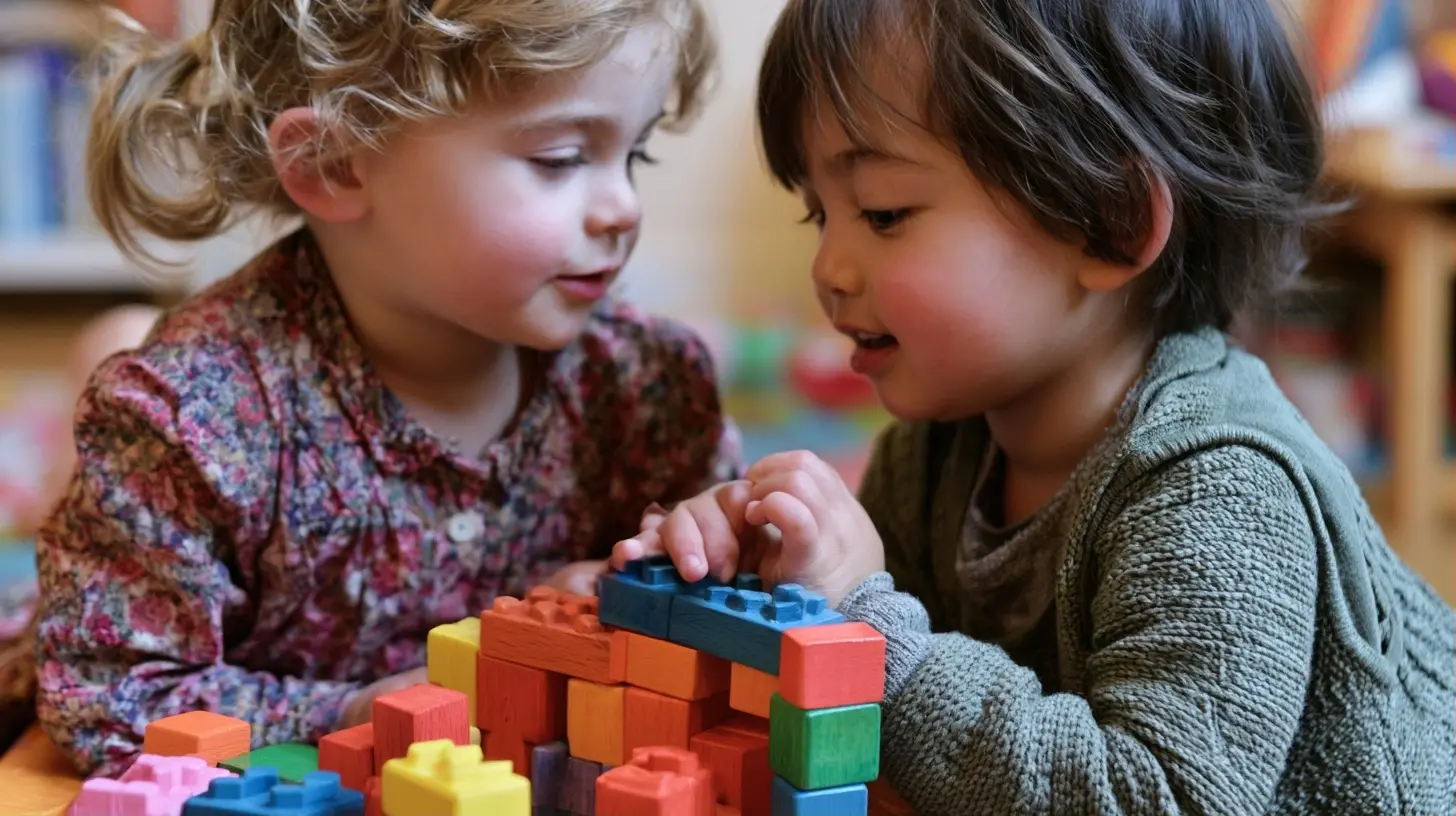
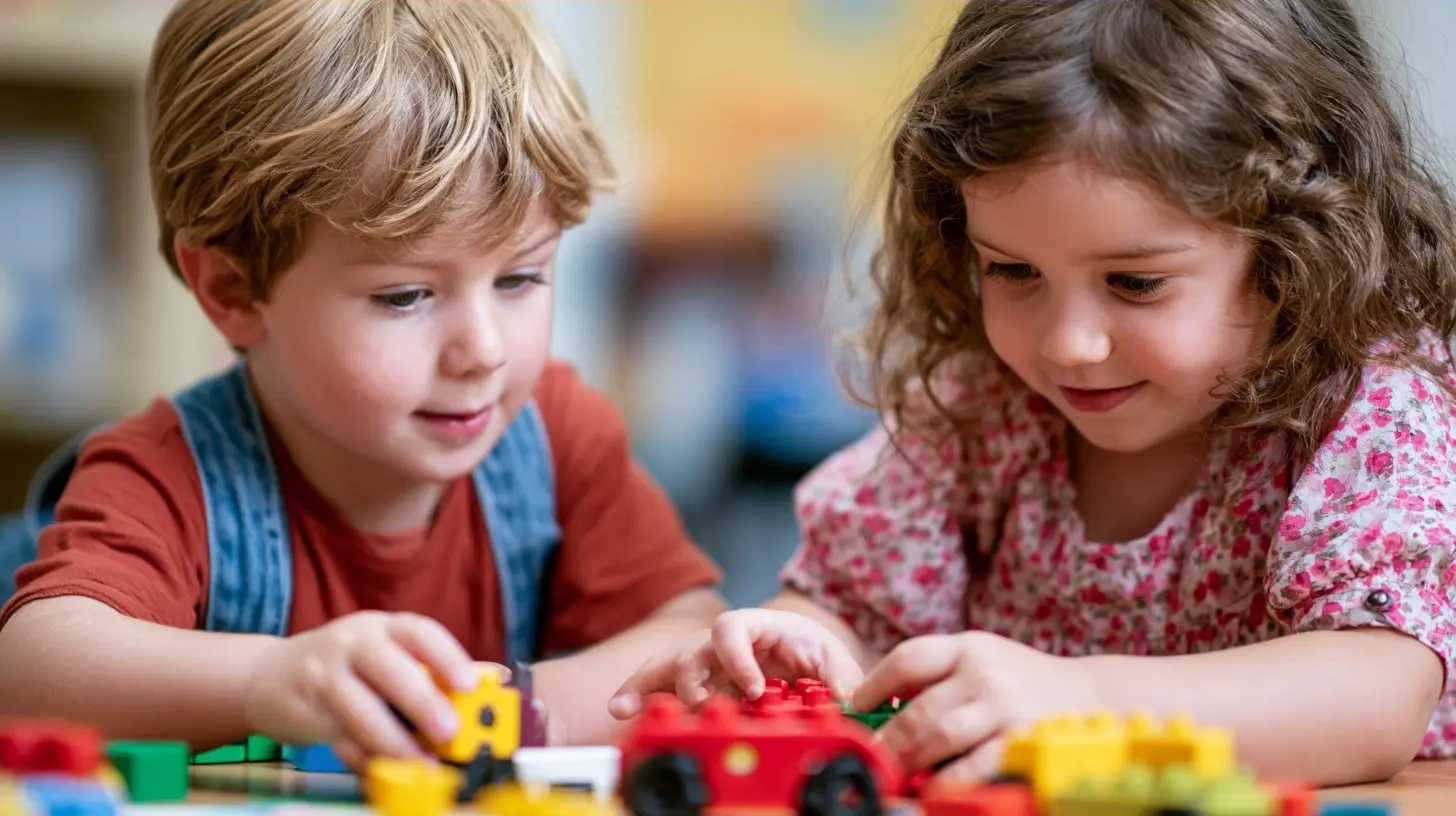
Walk into any preschool classroom in a diverse city and you will see something remarkable. A child whose family arrived from Somalia last year is building a block tower with a child whose grandparents came from Vietnam. They are negotiating, pointing, laughing. Neither speaks much of the other's home language. Yet something is being transmitted between them that no worksheet could capture.
That scene holds a lesson most parenting advice ignores. Play is not a break from learning. It is one of the most powerful engines of cultural learning we have. And for families raising children between two cultures, or for parents who want their kids to understand cultures beyond their own, play is often the bridge that formal instruction cannot build.
This article is about how that bridge works, when it works best, where it fails, and what parents and educators can do to use it well.
Why Cultural Learning Gaps Exist in the First Place
Before talking about solutions, it helps to understand what we are actually trying to bridge. A cultural learning gap is not simply a lack of information about another country or holiday. It is a gap in three different things at once.The first is knowledge. A child may not know that in some cultures, elders are served first at meals, or that certain colors carry meanings of mourning rather than celebration.
The second is skill. A child may know that greeting someone in another culture involves a bow, but not know how deeply to bow, when, or to whom. Knowledge without practiced skill stays abstract.
The third is comfort. A child may know facts about another culture but still feel awkward, anxious, or resistant when actually encountering it. This is the gap that matters most and the one most often neglected.
Traditional approaches, like books, videos, and heritage language classes, tend to target the first gap. They deliver information. They rarely close the second and third gaps because those require interaction, repetition, and low-stakes practice. That is exactly what play provides.
What Play Actually Does That Instruction Cannot
Play is not a single activity. It is a mode of learning with specific properties. Understanding those properties explains why it works for cultural learning.Play lowers the cost of mistakes
When a child mispronounces a word in a classroom, the error can feel public and permanent. When the same child mispronounces a word while pretending to run a restaurant, the error is part of the game. It can be corrected, laughed at, and tried again. This is not a small difference. Research on learning consistently shows that anxiety narrows attention and reduces the ability to absorb new information. Play removes much of that anxiety, which makes the brain more open to unfamiliar input.Play requires perspective-taking
The moment a child says "I'll be the doctor and you be the patient," they are stepping into a role that is not their own. They must imagine what that person knows, wants, and feels. This is the same cognitive muscle used in cultural understanding. When children play at being a shopkeeper in a Moroccan market or a grandmother preparing for Lunar New Year, they are practicing the act of seeing the world through someone else's frame.Play embeds knowledge in context
A child who memorizes that "in Japan people remove their shoes indoors" may recall the fact for a test and forget it a week later. A child who has played house in a pretend Japanese home, where removing shoes is part of the ritual of entering, stores the knowledge with sensory and social context. Context-rich memory is far more durable.Play is repeatable without being boring
Children will replay the same scenario dozens of times. Each repetition is a chance to refine understanding, add nuance, and correct earlier misconceptions. Formal lessons rarely allow this kind of looping.
The Two Audiences for This Work
It is worth separating two groups, because their needs differ.The first group is children growing up between cultures. These children often have a home culture and an outside culture that do not fully overlap. They may speak one language at home and another at school. They may celebrate holidays their classmates have never heard of. For them, play is a way to integrate two identities rather than choose between them.
The second group is children growing up in a single dominant culture who would benefit from understanding others. For them, play is a way to build curiosity and reduce the us-versus-them reflex that hardens in later childhood if left unchallenged.
Both groups benefit from the same core practices, but the emphasis differs. The first group needs play that affirms and connects. The second group needs play that introduces and normalizes.
Practical Strategies That Actually Work
What follows are approaches that have stood up in real homes and classrooms. Each comes with an explanation of why it works and where it can go wrong.Build a play environment that reflects multiple cultures
The materials in a child's play space send a constant, quiet message about what is normal. If every doll has the same skin tone and every play kitchen contains the same plastic food, the environment is teaching a narrow version of the world whether or not anyone intends it.This does not require a large budget. It requires attention. A basket of fabrics in different patterns. A set of play food that includes items from several cuisines. Instruments like a small drum, a shaker, a wood block. Picture books that show daily life, not just festivals.
The trade-off: too much variety at once can overwhelm young children and turn play into a museum tour. The better approach is rotation. Introduce a few culturally specific items at a time, let them become familiar, then rotate in others. Familiarity is what allows a child to build genuine relationship with an object or idea.
Use role-play to practice real situations
Role-play is the workhorse of cultural learning through play. The key is to make it concrete and slightly challenging.A parent might set up a pretend tea ceremony, a pretend market, a pretend bus ride in another country. The child takes a role. The parent takes another. The interaction unfolds.
What makes this work is not the accuracy of the props. It is the social rules embedded in the scene. Who greets whom first? How is food offered? What happens if you refuse? These are the details that carry cultural meaning, and they are best learned by doing.
A common mistake is turning role-play into a quiz. If the parent keeps correcting the child or demanding the "right" behavior, the play collapses into instruction and the child disengages. The better approach is to model, not test. Let the child observe your behavior in role, then imitate or improvise.
Let children lead the narrative
Adults often want to steer play toward the "correct" cultural lesson. This can backfire. When children direct the story, they reveal what they are actually curious about and what they have misunderstood. That information is gold.If a child playing a market vendor suddenly insists that customers must pay in leaves, do not immediately correct it. Ask a question in role: "Do you accept coins too?" This keeps the play alive and gently opens space for the child to adjust or explain their reasoning.
The trade-off here is time. Child-led play is slower and messier than adult-led instruction. But the retention and the sense of ownership are usually far greater.
Mix languages inside play
For bilingual or multilingual families, play is one of the few spaces where languages can coexist without hierarchy. A child can switch mid-sentence and no one marks it as wrong. This is valuable because it mirrors how bilinguals actually use language in real life.A useful technique is to assign languages to roles. The pretend grandmother speaks the heritage language. The pretend teacher speaks the school language. The child moves between them. This does more than practice vocabulary. It teaches the child that both languages belong to them and to the same imaginary world.
Use stories as launchpads, not scripts
Books about other cultures are useful, but their real value is as a starting point. Read the story, then play it. Then change it. What if the character had made a different choice? What if the story happened in your own neighborhood?This transforms a passive reading into an active construction. It also prevents the common problem of treating a single book as representative of an entire culture. One story is one story. Play lets children test that idea against their own imagination.
Common Mistakes and Misconceptions
Several well-intentioned practices undermine the goal. Naming them helps parents avoid them.Treating culture as a festival
Many classrooms reduce cultural learning to holidays, food, and costumes. This is a start, but it can flatten rich, everyday life into a few colorful events. Children learn that culture is something that happens on special days, not something that shapes how people live on ordinary ones. Play should include the mundane: how people queue, how they argue, how they comfort a crying friend.Assuming one child represents a culture
No child should be positioned as the ambassador for an entire culture. This puts pressure on them and gives other children a distorted impression that one person's habits define a whole group. Play should open multiple examples, not single ones.Correcting too early
Accuracy matters, but timing matters more. A child who is told they are wrong mid-play learns to stop taking risks. Save corrections for after the play, or weave them in as questions rather than verdicts.Buying materials instead of making them
Expensive cultural toys are not required. In fact, homemade props often carry more meaning because the child helped create them. A cardboard box becomes a boat, a bus, a market stall. The act of making is itself a cultural conversation.Skipping the reflection step
Play alone does not automatically produce understanding. A short conversation afterward, even two or three minutes, helps children connect what they did to what it means. "What was hard about being the guest in that game? Why do you think the host kept offering more food?" These questions turn activity into insight.
When Play Is Not Enough
Play is powerful, but it has limits. It cannot substitute for real relationships with people from other cultures. It cannot replace actual language immersion if fluency is the goal. It cannot fix a home environment where one culture is consistently devalued.Play works best as part of a larger ecosystem that includes books, media, real-world encounters, and, most importantly, adults who model genuine curiosity and respect. If a parent treats other cultures as exotic or inferior, no amount of play will override that message.
There is also a developmental consideration. Very young children, under roughly three, are still building basic self-other distinctions. Complex cultural role-play may be beyond them. For this age, simple exposure and consistent routines matter more. Play becomes a stronger tool as children move into the preschool and early elementary years.
A Note on Measuring Progress
Parents often ask how they will know if cultural learning through play is working. The signs are usually indirect. A child asks an unprompted question about a classmate's lunch. A child includes a new word from another language in their pretend dialogue. A child corrects a sibling's assumption about another country. These small moments are the real indicators.Standardized measures do not capture this kind of growth well, and that is fine. The goal is not a score. It is a disposition: curiosity, comfort with difference, and the ability to move between cultural frames without losing oneself.
Final Thoughts
Bridging cultural learning gaps through play is not a technique you apply once. It is a habit you build into daily life. It asks parents to slow down, to let children lead, to tolerate mess, and to trust that repetition and imagination will do work that direct instruction cannot.The payoff is not just a child who knows more about the world. It is a child who can enter unfamiliar situations with curiosity instead of fear, who can hold more than one way of being in mind at once, and who understands that difference is not a threat but a texture of human life.
That is a lesson worth playing for.
all images in this post were generated using AI tools
Category:
Play Based LearningAuthor:

Steven McLain
Discussion
rate this article
2 comments
Inez McMahon
Oh great, just what I needed-another reason to make a mess while pretending to teach culture!
October 21, 2026 at 3:19 PM
Grayson McVicar
Play is not just fun; it's a powerful tool for breaking down barriers. If only grown-ups would play as hard as kids do...
September 12, 2026 at 3:41 AM
Steven McLain
I completely agree. Play has a unique way of fostering connection and understanding. If adults embraced it more, we could bridge those gaps even faster.