What is FAFO parenting? The viral trend that every Indian parent has already been doing without knowing it
June 24, 2026 - 18:50

The parenting trend has sparked debates across the world, with some praising it as a practical way to build resilience and responsibility, while others worry it can be misunderstood. But what exactly is FAFO parenting, and why does it feel so familiar to anyone raised in an Indian household?
At its core, FAFO parenting is about letting children experience the natural results of their choices, as long as those results are not dangerous. Instead of stepping in to prevent a mistake, the parent allows the child to face the outcome. For example, if a child refuses to carry an umbrella despite a weather forecast, they get wet. If they skip homework, they face the teacher's reprimand. The goal is to teach cause and effect without constant nagging.
In many Indian homes, this method has been practiced for generations, though without the catchy label. Grandparents often used it instinctively. A child who refused to eat dinner was simply told that the kitchen would close, and no snacks would be offered later. A teenager who insisted on staying out late found the door locked at the promised curfew. These were not acts of cruelty. They were lessons in accountability.
Critics argue that FAFO parenting can backfire if applied too rigidly. Children with anxiety or sensitive temperaments might interpret the lack of intervention as neglect. Supporters counter that it builds self-reliance and reduces parental burnout. The key, experts say, is balance. The approach works best when paired with open communication and clear boundaries, not silence or indifference.
For Indian parents who have long used this style without a name, the viral trend may feel like validation. It confirms that letting a child learn from a skinned knee or a forgotten lunch box is not lazy parenting. It is a deliberate choice to prepare them for a world that does not always offer second chances. As one online comment put it: "My mother called it common sense. The internet calls it FAFO. Either way, I learned not to touch a hot stove."
MORE NEWS
September 23, 2026 - 09:27
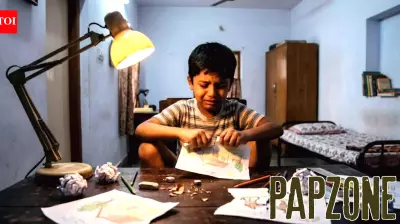
Psychology says children who tear up their own drawings or homework may be putting more pressure on themselves than parents realizeA child finishes a drawing, looks at it for a few seconds and suddenly tears the paper in half. Another rubs out an entire page of homework because one answer is wrong. Parents often see these...
September 22, 2026 - 22:32
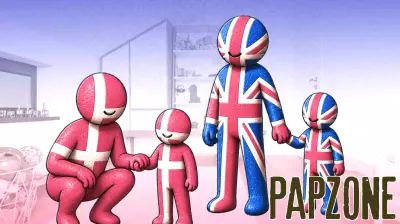
Comparing Childbirth in Denmark and the UK: Does Danish Calm Beat British Chaos?The experience of having a baby varies wildly depending on where you are. In Denmark, the system leans toward a streamlined, publicly funded approach. Midwives handle the majority of prenatal care...

September 22, 2026 - 03:30
When Ideology Comes Before a Child's EducationA prominent journalist is confronting an uncomfortable truth about choices she made as a parent. The question at the center of this story is whether political convictions should outweigh a child`s...

September 21, 2026 - 05:52
Parents Turning to AI for Child Health Advice Often End Up More ConfusedA growing number of parents are asking artificial intelligence chatbots for medical advice about their children, and many are walking away with more worry than they started with. What looks like a...