Psychology says children who tear up their own drawings or homework may be putting more pressure on themselves than parents realize
September 23, 2026 - 09:27
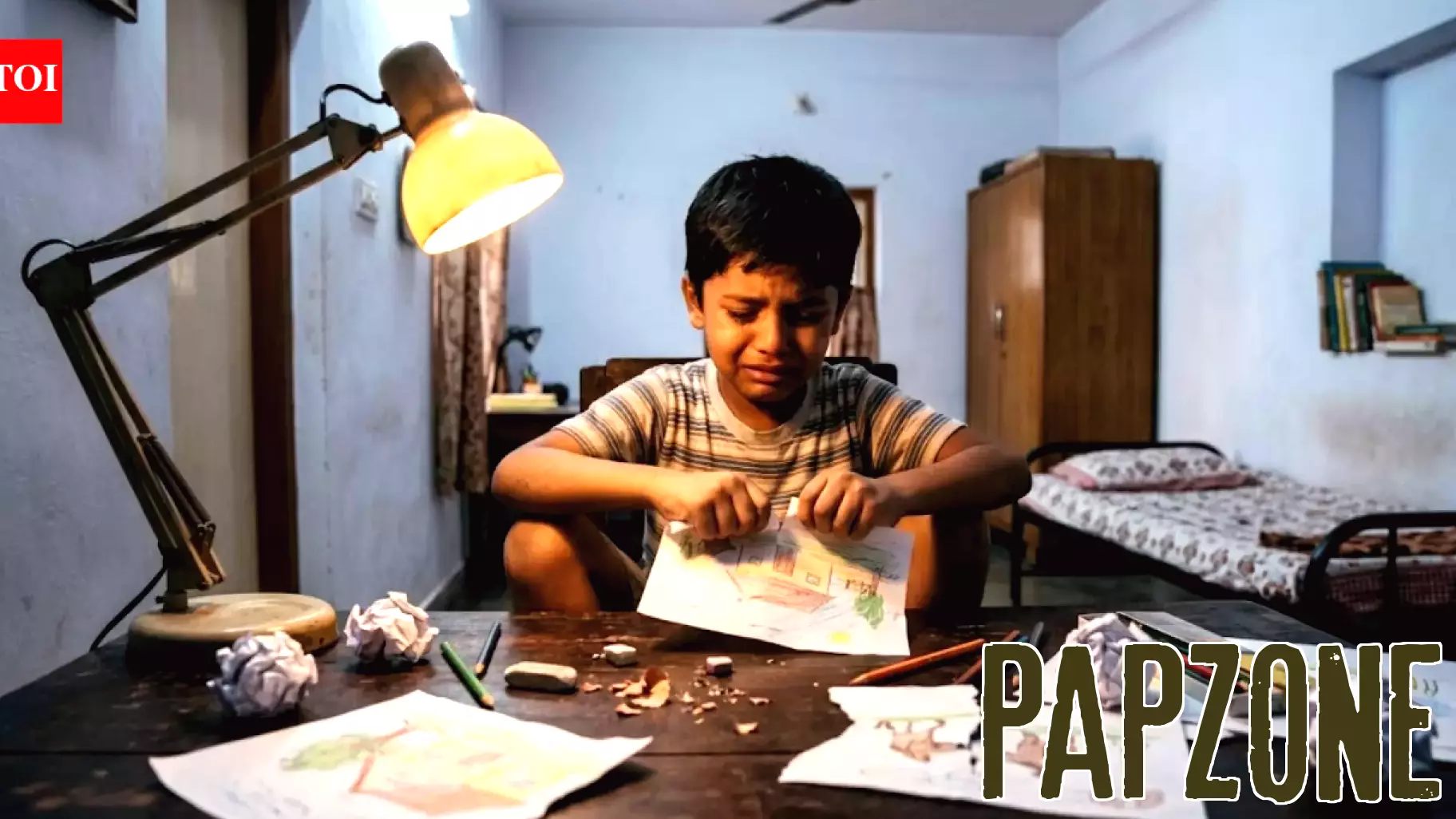
A child finishes a drawing, looks at it for a few seconds and suddenly tears the paper in half. Another rubs out an entire page of homework because one answer is wrong. Parents often see these moments as tantrums or signs of frustration that will pass. Psychologists suggest something deeper may be happening. The child is not angry at the paper. The child is angry at the gap between what they made and what they expected of themselves.
That gap matters more than many adults assume. Young children rarely have the words to say "I am disappointed in my work" or "I feel like this is not good enough." Instead, they act. Tearing, crumpling or erasing becomes a physical way to reject something they believe failed. The behavior can look dramatic, but it usually points to an internal standard that has grown too strict.
The pressure often starts quietly. A child may compare their drawing to a classmate's, or replay a comment from a teacher, or sense that praise only arrives when the result is perfect. Over time, they begin to judge themselves before anyone else can. The torn page is not the problem. It is a signal that the child feels their effort will never measure up.
Parents can help by shifting attention away from the finished product. Asking about the ideas behind a drawing, or what felt hard about a homework question, gives a child room to talk about the process instead of the outcome. It also helps to model mistakes without drama. When an adult says "I got that wrong, I will try again," a child learns that errors are ordinary.
None of this means parents should ignore the behavior. Repeated tearing or erasing can wear a child down and make school feel like a threat. The goal is not to stop every frustrated moment. It is to notice the pattern early and remind the child that their worth is not tied to a clean page.
MORE NEWS

November 7, 2026 - 04:42
Carrie Coon Discusses Her Role in The Gilded Age and the Challenges of ParentingIn a recent conversation, actress Carrie Coon opened up about her compelling role as a mother who becomes involved with a cult in the series The Gilded Age. She shared insights into the...

November 6, 2026 - 05:23
Understanding Petty ParentingThink of it as a way of mirroring your kid`s behavior right back at them. Petty parenting is a term that describes how some parents respond to their children`s minor misbehaviors or demands in a...

November 5, 2026 - 15:28
Insights on Ethics and AI from Lisa Talia MorettiDigital sociologist and Responsible AI practitioner Lisa Talia Moretti shared her views on the intersection of ethics, errors, parenting, and global legislation in the realm of artificial...

November 4, 2026 - 18:57
Constance Wu Shares Parenting Insight for Handling Kids' MeltdownsConstance Wu has opened up about a valuable parenting technique she discovered while reflecting on her own childhood. The actress emphasizes the importance of understanding emotions during her...