Why Kids Fear New Experiences and How to Guide Them Through
6 February 2026
Change can be a scary thing. Especially for little ones who are still trying to make sense of the big, wide world. As adults, we often forget just how intimidating new experiences can be for kids. Maybe it’s starting at a new school, trying a new food, or sleeping over at a friend’s house for the very first time. Whatever it is, fear often tags along — and that’s totally normal.
If you’ve ever found yourself watching your child freeze up, cry, or push back when something new comes their way, you're not alone. The good news? You can help! In this post, we'll break down exactly why kids fear new experiences and, more importantly, how you can lovingly guide them through it.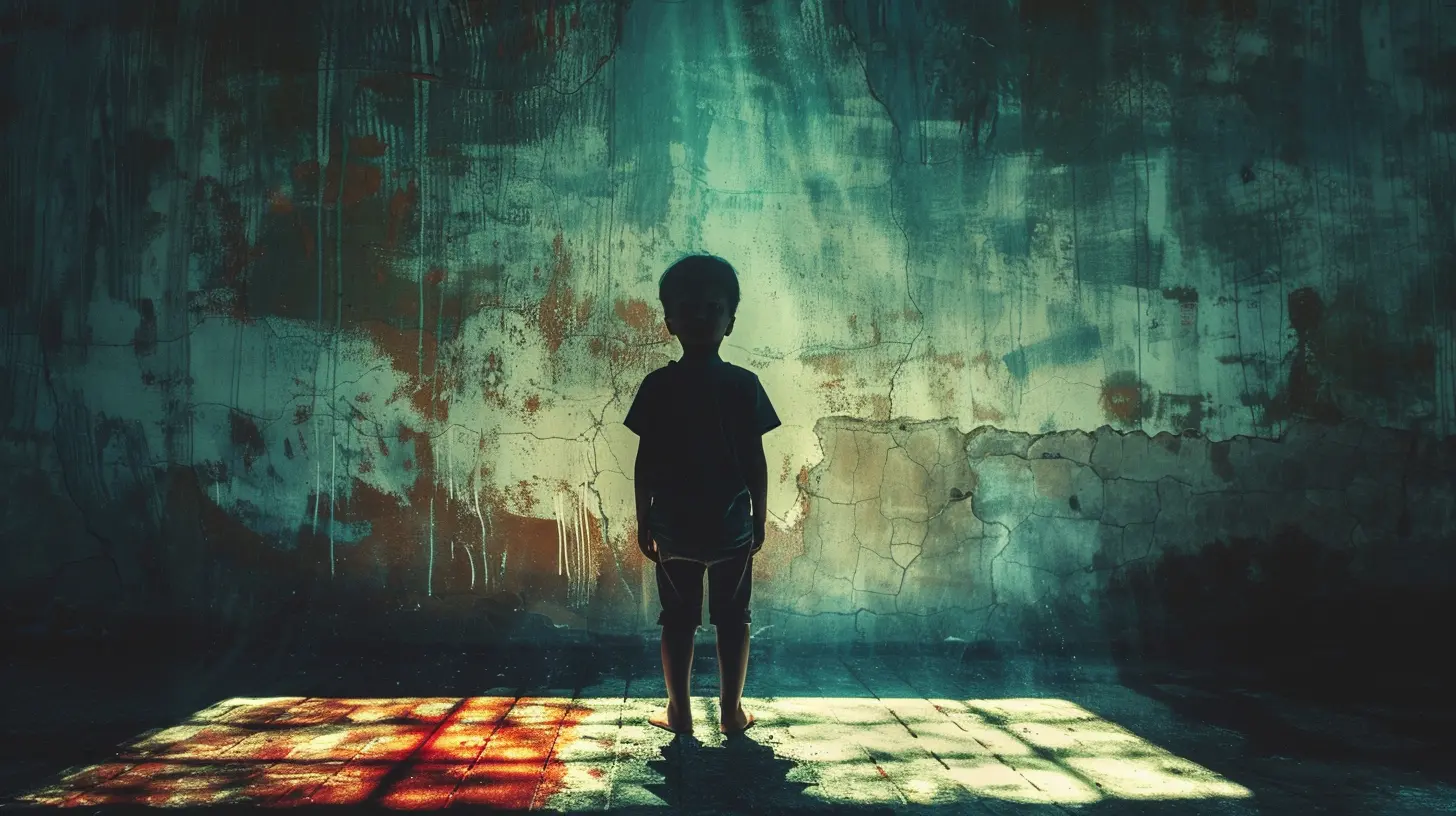
Why Do Kids Fear New Experiences?
Let’s be honest — we all fear the unknown. And for kids, everything is new. That’s a lot of unknowns to cope with! Think of a child’s brain like a brand-new smartphone. The operating system is still downloading — the logic, the emotional regulation, the social skills — it’s all still loading.1. The Fear of the Unknown
Kids often fear what they can't predict. Starting a new class, making new friends, or flying on an airplane for the first time can feel like stepping into a pitch-black room. They don’t know what’s coming, and that can trigger anxiety.🔍 Think about it: When you don’t know what's behind a door, aren't you cautious too?
2. Past Experiences Shape New Ones
Children remember more than we give them credit for. If they had a meltdown at last week's soccer game or got embarrassed in front of a group, they might carry that memory into the next new experience. One bad moment can paint the whole picture.3. Pressure and Expectations
Sometimes, the fear isn’t about the experience itself, but about the pressure to perform. Maybe they’re afraid they won’t be good at it — or worse, that they’ll disappoint you.🙈 Raise your hand if you've ever heard your child say, “What if I mess up?”
4. Personality Plays a Role
Some kids are naturally more cautious and sensitive. If your child prefers routines, familiar places, and predictable patterns, new experiences can be especially jarring.Remember: just as some adults are skydivers while others wouldn't touch a rollercoaster — kids are wired differently too.
Signs Your Child Might Be Anxious About Something New
Sometimes children express fear in ways we don’t immediately recognize. They might not come out and say “I’m scared.” Instead, they show us.Here are a few clues:
- Sudden clinginess
- Complaints of stomach aches or headaches (especially before school or an event)
- Tantrums or crying fits
- Silence or withdrawing
- Refusing to participate
👀 Sound familiar? These might not be signs of bad behavior — they could be cries for help.
How to Support and Guide Your Child Through New Experiences
Now for the good stuff: how you can step in and gently help your child face the unknown. It’s kind of like being their emotional tour guide – showing them that yes, the journey might be bumpy, but it’s safe.1. Validate Their Feelings
This one’s big. Before offering advice or trying to fix things, just validate. Say things like:- “I get it. Trying new things can feel scary.”
- “It’s okay to feel nervous.”
- “You’re not alone — even grown-ups feel this way.”
💡 Validation builds trust. It tells your child, “I hear you. I see you. I’m with you.”
2. Talk It Through in Advance
Preparation is power. If you know a new experience is coming up, talk about it as early as possible.For instance:
- Role-play how the situation might go.
- Watch videos or read books about the activity.
- Answer their “what ifs” calmly and honestly.
It's like giving them an emotional map for the road ahead.
3. Keep Your Own Anxiety in Check
Kids are emotional sponges. If you’re anxious, they’ll pick up on it. They look to you to gauge how “safe” a situation is.😅 Still, fake smiles won’t cut it. Try to stay calm, grounded, and reassuring.
4. Break It Down into Small Steps
Don’t throw your child into the deep end. Dip their toes in first. For example, if they’re scared of joining a new activity:- Drive by the building together.
- Meet the teacher or coach beforehand.
- Attend a trial session without any pressure.
Baby steps turn big fears into small bumps.
5. Highlight the Positives
After the experience, even if it was difficult, focus on what went right. Did they stay for 5 minutes longer than last time? Did they smile once? Celebrate that!Over time, this helps rewire the brain to associate new experiences with growth, not fear.
🎉 “Hey, you were so brave today! I noticed you didn’t cry when we got there. That’s a win!”
6. Build a Toolbox of Coping Skills
Teach your child techniques they can use when fear kicks in. This might include:- Deep breathing (“Let’s take 3 balloon breaths together!”)
- Visualization (“Picture your happy place…”)
- Positive affirmations (“I can do hard things!”)
The more tools they have, the better equipped they’ll feel in the moment.
7. Be Patient – Progress Isn’t Linear
There will be setbacks. That’s normal. Some days they’ll charge ahead. Other days, you might feel like you’re back at square one. That’s part of the process.✨ What matters most isn’t perfection — it’s progress.
Real-Life Examples: Turning Fear into Confidence
Let me share a quick story. My 5-year-old was terrified of going to swimming lessons. The first day, he screamed. The second day, he refused to get out of the car. I almost gave up.But every evening, we talked about it. We watched kids’ swimming videos together. We practiced floating in the bathtub. Slowly, he began to relax.
Fast forward a few weeks — now he’s asking when the next class is. It didn’t happen overnight, but it did happen.
💬 Moral of the story? Patience, connection, and a little creativity can go a long way.
Encouraging a Growth Mindset
Helping your child overcome fear isn’t just about making life easier in the moment — it’s about building resilience for the future. One powerful way to do this? Foster a growth mindset.Teach them that:
- Mistakes are learning opportunities.
- Bravery doesn’t mean not being scared — it means doing it anyway.
- The more they try, the better they’ll get.
📘 Tip: Books like “The Most Magnificent Thing” or “Jabari Jumps” are great reads to kickstart these conversations.
When to Seek Extra Help
If your child’s fear starts interfering with daily life — maybe they’re refusing school, withdrawing from friends, or showing physical symptoms often — it might be time to seek professional support.Child therapists or counselors can work wonders in helping kids process their emotions and build confidence. Reaching out doesn’t mean you’ve failed — it means you’re giving your child all the tools they need.
Final Thoughts: You’ve Got This
Guiding a child through fear is no small feat. It requires empathy, patience, and consistency. But here's the thing — the fact that you're reading this already shows that you care deeply and are willing to show up for your child in the ways they need most.They don’t need you to be perfect. They just need you in their corner.
So next time your child faces something new and unfamiliar, take a deep breath, meet them where they are, and walk through it together.
💛 You’re not just helping them survive the moment — you’re helping them thrive for a lifetime.
all images in this post were generated using AI tools
Category:
Dealing With FearsAuthor:

Steven McLain
Discussion
rate this article
2 comments
Henry McMeekin
It's natural for kids to fear new experiences; your gentle support can help them build confidence and embrace change.
February 21, 2026 at 5:42 PM
Steven McLain
Thank you! Your insight captures the essence of nurturing confidence in children as they face new experiences. Supportive guidance is key!
Etta Kline
Embrace their fears, it’s part of growing up!
February 9, 2026 at 3:36 AM
Steven McLain
Absolutely! Embracing fears is essential for growth, helping children build resilience and confidence as they navigate new experiences.