Understanding the Role of Coaches and How to Communicate Effectively
11 June 2026
When you think of a coach, what pops into your head? Maybe a whistle-blowing figure pacing the sidelines of a soccer game, barking out plays. Or perhaps it's someone calmly talking a child through a challenging moment. Either way, the role of a coach goes way beyond just sports. Coaches are everywhere—in classrooms, workplaces, extracurricular activities, and even in our homes. And yet, fully understanding what they do, and more importantly, how to talk to them effectively, is something many parents and kids struggle with.
So let's break it down. Whether your child has a volleyball coach, a math tutor, or a drama mentor, knowing the true role of a coach and how to build positive communication can be a total game-changer for everyone involved.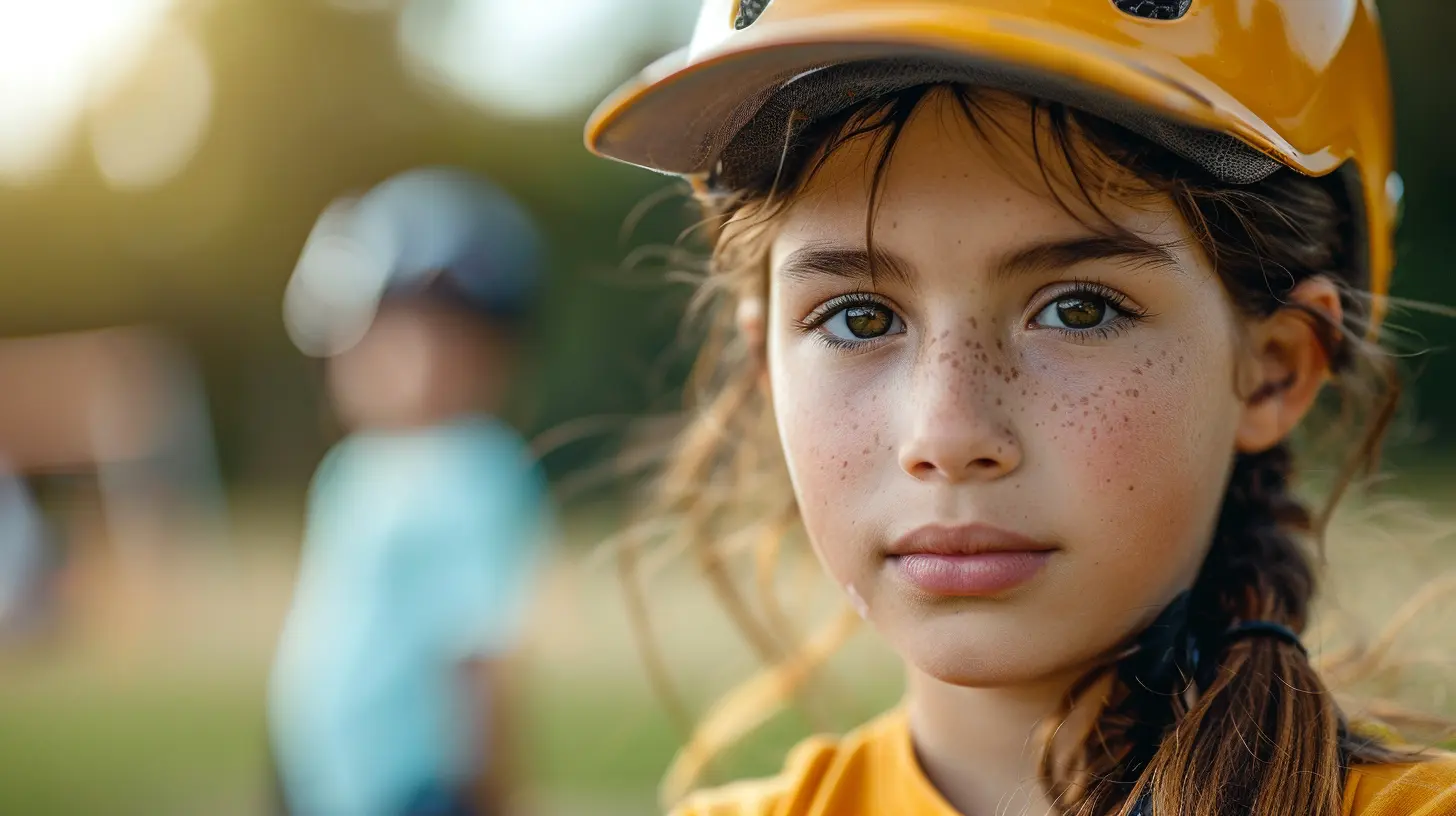
So, What Exactly Does a Coach Do?
Think of a coach as a GPS for your child’s journey. They help kids find the best route, give feedback along the way, offer course corrections, and yes, sometimes, they might even reroute when things go off-track. Coaches wear different hats depending on the environment, but their core roles usually revolve around a few key responsibilities:1. Guidance & Mentorship
At their heart, coaches are mentors. They're there to help your child grow—not just hone a skill, but also build confidence, manage setbacks, and develop a sense of discipline. A good coach makes your child want to do better, not just have to.2. Feedback Providers
Let’s be real—feedback isn't always easy to take, for adults or kids. But coaches are trained to offer constructive feedback in a way that motivates rather than defeats. They’re like mirrors, reflecting both strengths and areas that need polishing.3. Motivators
There will be days your child doesn’t feel like showing up—mentally or physically. Coaches have this magical ability to inspire. They push just the right amount to get kids out of their comfort zones and help them discover what they’re truly capable of.4. Bridge Between Parent and Child
Sometimes, what you say goes through one ear and out the other. (Been there, right?) But when a coach says the same thing, suddenly it’s “genius advice.” Coaches often serve as that third-party voice kids are more willing to listen to.
Why Communication Is the Secret Sauce
Let’s face it—no matter how fantastic a coach is, things can get messy if communication isn’t handled well. Misunderstandings, unmet expectations, and even resentment can start to brew.Good communication isn’t just about saying stuff—it’s about connecting. That goes for parents, kids, and coaches alike.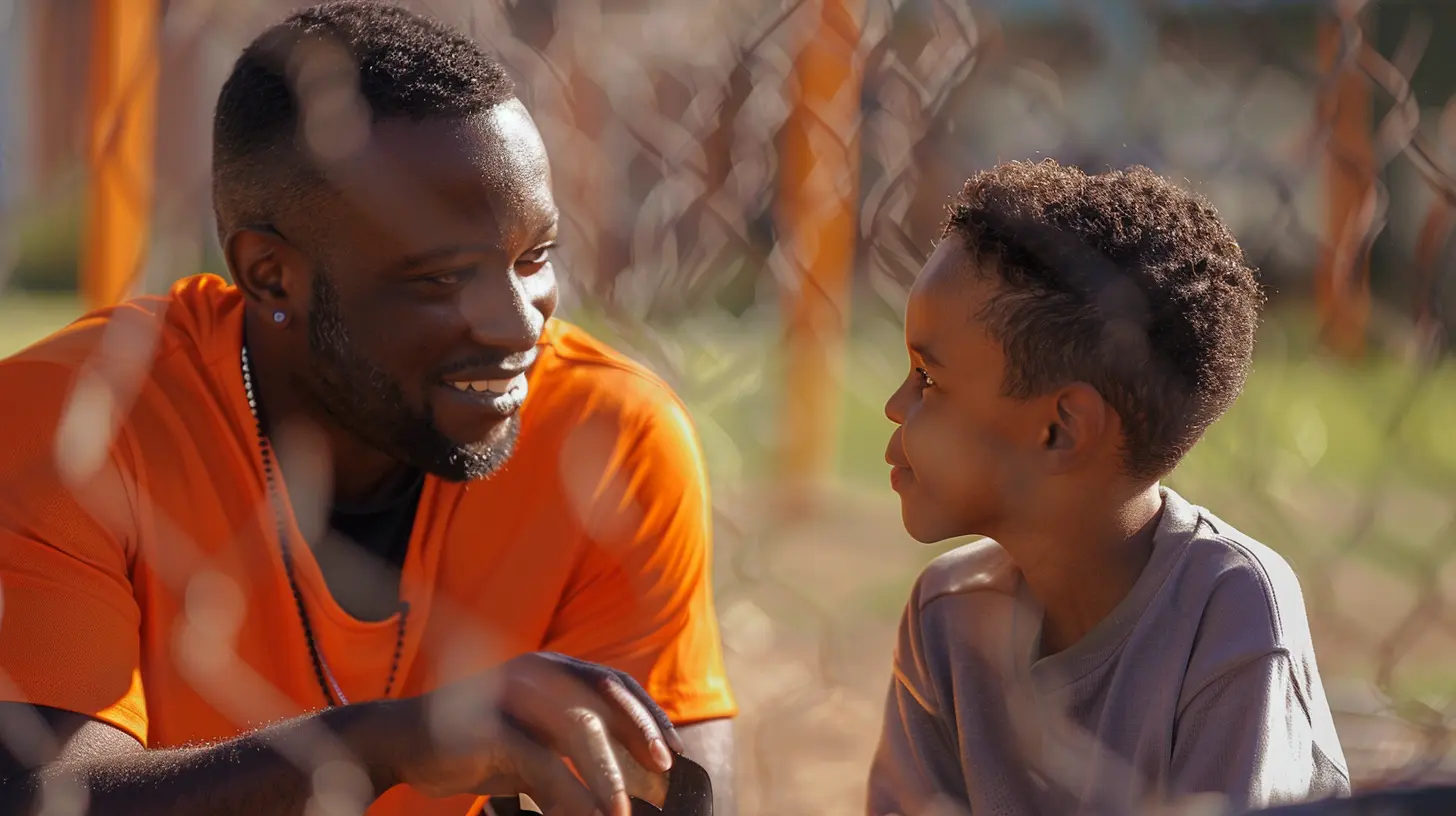
How Parents Can Communicate Effectively With Coaches
Alright, parents—this one's for you. Whether it’s your kid’s first pottery class or they’re in competitive gymnastics, building a solid relationship with their coach is key. Here’s how to do it well.1. Start with Respect
Approach the coach as a professional. Remember, this isn’t their hobby; it’s their job. They’ve dedicated time, training, and probably a whole lot of heart to this work. Treating them with respect sets the tone for all future communication.A simple “thank you” after practice, or showing up on time, says more than you think.
2. Be Clear, Not Clingy
Yes, you want the best for your child. We all do. But hovering around every practice or sending daily emails about your kid’s progress? That won’t help anyone.Instead, try setting a few check-in points during the season. Be clear about your concerns or goals, and then trust the coach to do their part.
3. Listen, Don’t Just Talk
Sounds obvious, right? But when emotions are high (like your child being benched or getting negative feedback), it's easy to go into defensive mode. Take a breath, hear them out, and really listen. Coaches often see a side of your child that you don’t, especially in team dynamics.4. Be Supportive Behind the Scenes
Speak positively about the coach in front of your child. If your kid senses you're not a fan, that attitude will trickle down. Even if you disagree with something, show unity. Then privately, have a conversation with the coach to resolve it.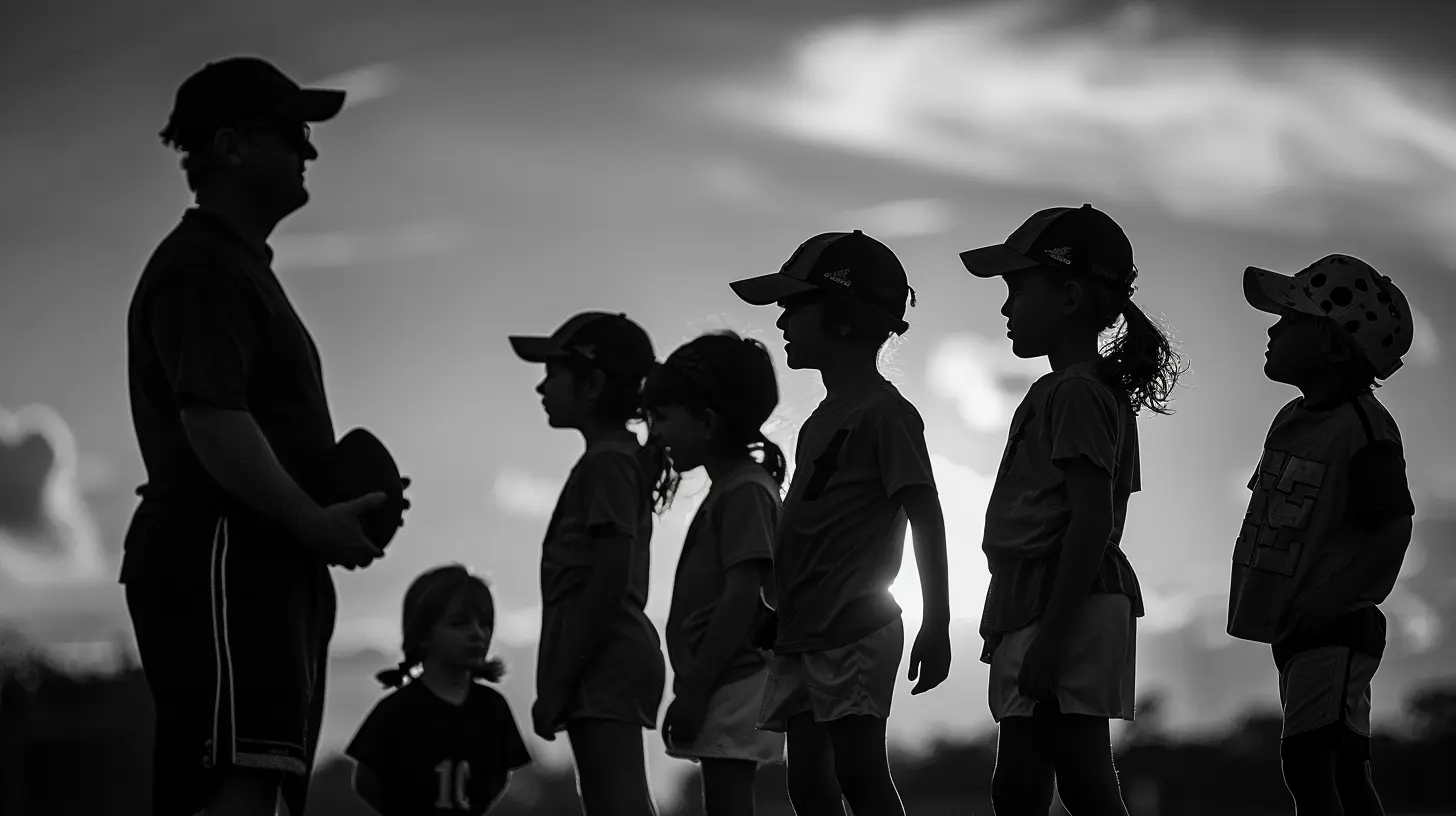
How Kids Can Communicate Effectively With Coaches
Now let’s talk about the kids. Coaches aren’t just authority figures, they’re teammates in your child’s personal development journey. Here’s how you can help your child build that connection.1. Encourage Open Dialogue
Let your child know it’s okay to talk to their coach. Scared to speak up? That’s normal! A simple “Can I ask a quick question?” is a great opener.Practice this at home if they’re nervous. Role-play different scenarios where they might speak up or ask for help.
2. Teach Self-Advocacy
If your child feels unfairly treated or confused, teach them how to approach the coach respectfully. Something like, “I noticed I wasn’t in the last few plays—can I ask what I could improve on?” not only shows maturity but opens the door for growth.3. Help Them Manage Emotions
Coaches deal with a lot of kids. Sometimes things might come off as harsh when they’re just being direct. Teach your child that it’s okay to feel upset, but they should pause before reacting. Take a moment, breathe, then respond.Bridging the Gap: What Coaches Wish Parents Knew
Let’s flip the script for a second. Here’s what many coaches wish parents understood:- Progress isn’t always visible. Some of the biggest wins take place internally.
- Negative behavior affects the whole group. That one eye-roll, that one late arrival—it adds up.
- Trust the process. Every coach has a method, a reason for the drills, the benchings, the pep talks. Give it time.
- Your child is unique, but not the exception. Coaches have to balance fairness, potential, attitude, and effort. It’s not personal; it’s practical.
When There’s a Conflict: Handle It Like a Pro
Let’s be honest—not every experience is rainbows and high-fives. Sometimes, things just don’t click. Maybe your child’s not meshing with the coach. Maybe you're not happy with how things are handled.Here’s how to approach it like a grown-up:
Step 1: Pause Before Reacting
Don’t shoot off that angry email five minutes after a bad game. Take a night to sleep on it.Step 2: Request a Private Conversation
Not during practice. Not in front of the kids. Send a polite message asking for a few minutes to talk through some concerns.Step 3: Use “I” Statements, Not Accusations
Instead of “You never play my kid,” try “I noticed my child has been benched the last few games and I’d love to understand what factors go into those choices.”Step 4: Be Open to Feedback
Even if it stings. Growth often comes wrapped in uncomfortable truths.Teaching Kids to Handle Disagreements With Coaches
Just like learning to tie their shoes or ride a bike, dealing with conflict is a skill your child needs. Help them understand how to:- Approach calmly — No yelling or sulking.
- State their feelings — “I felt frustrated when…”
- Ask questions — “What can I work on to improve?”
- Listen to understand, not just to respond
These are life-long tools, not just for the court or classroom, but for jobs, friends, and relationships down the line.
Final Thoughts: Coaches Are Allies, Not Adversaries
If we could only bottle up the heart, patience, and dedication many coaches bring to their role—wow, the world would be a better place. Sure, not every coach is perfect (just like not every parent is!), but when those relationships work, they’re magic.Coaches aren’t there to be your child’s best friend or your personal assistant. They’re there to guide, challenge, and support. And with open communication on all sides? That’s when the real growth happens. ?
So next time your child heads to practice or a lesson, take a moment and remember—it's not just about mastering a skill. It's about shaping character, resilience, and confidence. And when parents, kids, and coaches work together? That’s a championship-level team right there.
all images in this post were generated using AI tools
Category:
Kids And SportsAuthor:

Steven McLain
Discussion
rate this article
1 comments
Edith Baker
What a fantastic article! Understanding coaches can truly enrich our children's experiences. Effective communication is key, and you've highlighted some great tips. It's wonderful to see parents and coaches working together to support our kids' growth and love for sports. Keep up the great work!
June 25, 2026 at 2:53 PM
Steven McLain
Thank you for your kind words! I'm glad you found the tips helpful. Collaboration between parents and coaches is essential for fostering our kids' love for sports.