Understanding the Emotional and Social Benefits of Youth Sports
28 May 2026
When we think about youth sports, our minds often jump to physical benefits: strength, endurance, coordination, and agility. But sports are so much more than just developing physical prowess. In fact, the emotional and social advantages that come with participating in organized athletics may be some of the most significant benefits for young people. These hidden gems set the foundation for personal growth and lifelong skills that go beyond the game.
Whether your child is kicking their first soccer ball, shooting hoops, or learning the ropes of a tennis serve, youth sports play an essential role in their overall development. Let’s dive deeper into how sports foster emotional and social growth, leaving a lasting impact both on and off the field.
The Emotional Benefits of Youth Sports
Building Resilience: Bouncing Back from Failure
Let's face it—life isn't always a walk in the park. Show me one person who hasn’t faced setbacks, and I’ll show you a unicorn! Learning how to cope with failure is one of the toughest yet most essential skills that children can acquire.In sports, not every shot will make it into the basket, and not every game will end in victory. But that’s the beauty of it. Sports create a safe environment for children to experience loss and disappointment. Over time, they learn the invaluable lesson of resilience—how to pick themselves up, dust off the defeat, and keep going. It’s not about winning every time, but about coming back stronger after each stumble. Now isn't that a skill they'd benefit from throughout life?
Boosting Self-Esteem and Confidence
One of the most rewarding emotional benefits of youth sports is the shot of self-confidence kids get after performing well. Scoring a goal, hitting a home run, or defending the net can give a child an incredible sense of achievement. And it’s not only about being the star of the team; even small improvements, like mastering a new technique or contributing to a team effort, can raise a child's self-esteem.But here's the kicker: this confidence often transcends the field or court. Kids who feel confident in their athletic abilities are more likely to feel confident in other areas of life—whether it’s academics, social situations, or future challenges they might face. Confidence is contagious!
Stress Relief and Emotional Regulation
Childhood can be overwhelming. Between school pressures, social dynamics, and endless extracurriculars, kids can often feel stressed out. And let's be real—don’t we all need an outlet for our emotions?Sports offer a fantastic way to blow off steam. Physical activity naturally releases endorphins, which help reduce stress and bring about feelings of happiness. Beyond that, organized sports introduce kids to healthy ways of managing their emotions. Did you ever notice how athletes, even when disappointed or frustrated, often keep a calm and collected demeanor? That’s emotional regulation in action. Learning to control impulses and emotions is an essential life skill, and youth sports are a perfect training ground for it.
Developing a Strong Work Ethic
"The more you put in, the more you get out"—how often have we heard that about life? Well, sports provide a firsthand experience of this truth. Whether it's attending early morning practices, striving to improve skills, or pushing through fatigue, kids learn the importance of hard work and perseverance.In sports, consistent effort directly correlates with results. This direct cause-and-effect relationship teaches young athletes the value of discipline, goal setting, and dedication. These skills are not just important on the field but also in academics, careers, and personal relationships.
The Social Benefits of Youth Sports
Learning Teamwork and Cooperation
Unless your child is involved in an individual sport like swimming or gymnastics, chances are they’re going to be part of a team. And being part of a team is an invaluable life lesson in itself. Let’s face it: we all have to work with others in some capacity, whether it’s in school, work, or even family life.Youth sports teach kids how to collaborate and communicate effectively. They learn that while personal performance is important, the success of the team depends on everyone working together toward a common goal. It’s not just about being the fastest or the strongest but also about knowing how to pass the ball, support your teammates, and communicate effectively during the game. These skills transfer to so many aspects of life, from group projects in school to future work environments.
Developing Leadership Skills
Even if your child isn’t naturally the loudest or most outspoken person on the team, sports provide opportunities to develop leadership qualities. Leadership in sports doesn’t always mean being the captain of the team—it can be as simple as encouraging a teammate, stepping up when someone else is down, or leading by example through a strong work ethic.Kids who learn leadership skills early on are often more comfortable in leadership roles later in life, whether it’s in school organizations, at work, or in their personal relationships. And leadership is not just about giving orders; it’s about motivating others, making tough decisions, and showing empathy—skills that are profoundly beneficial in any social setting.
Building Lifelong Friendships
One of the most significant social benefits of youth sports is the opportunity to build friendships. Shared experiences like celebrating victories or enduring losses together create strong bonds between teammates. These friendships often extend beyond the season, creating a sense of community and belonging that can last for years or even a lifetime.For kids who might struggle socially, sports can be a great way to break the ice and meet others with similar interests. Plus, being part of a team can offer an immediate sense of belonging, which is crucial for boosting self-esteem and overall happiness.
Teaching Respect and Sportsmanship
Good sportsmanship is not just about how players handle winning and losing—it's about respect. Respect for teammates, opponents, coaches, referees, and the game itself is a core value taught in youth sports. Learning to follow rules, accept decisions (even when they don't go your way), and show appreciation for others' efforts teaches kids the importance of mutual respect.This respect extends beyond the playing field and helps children navigate social dynamics at school, in personal relationships, and eventually in their professional lives. After all, knowing how to treat others with dignity and fairness is a critical skill in any realm of life.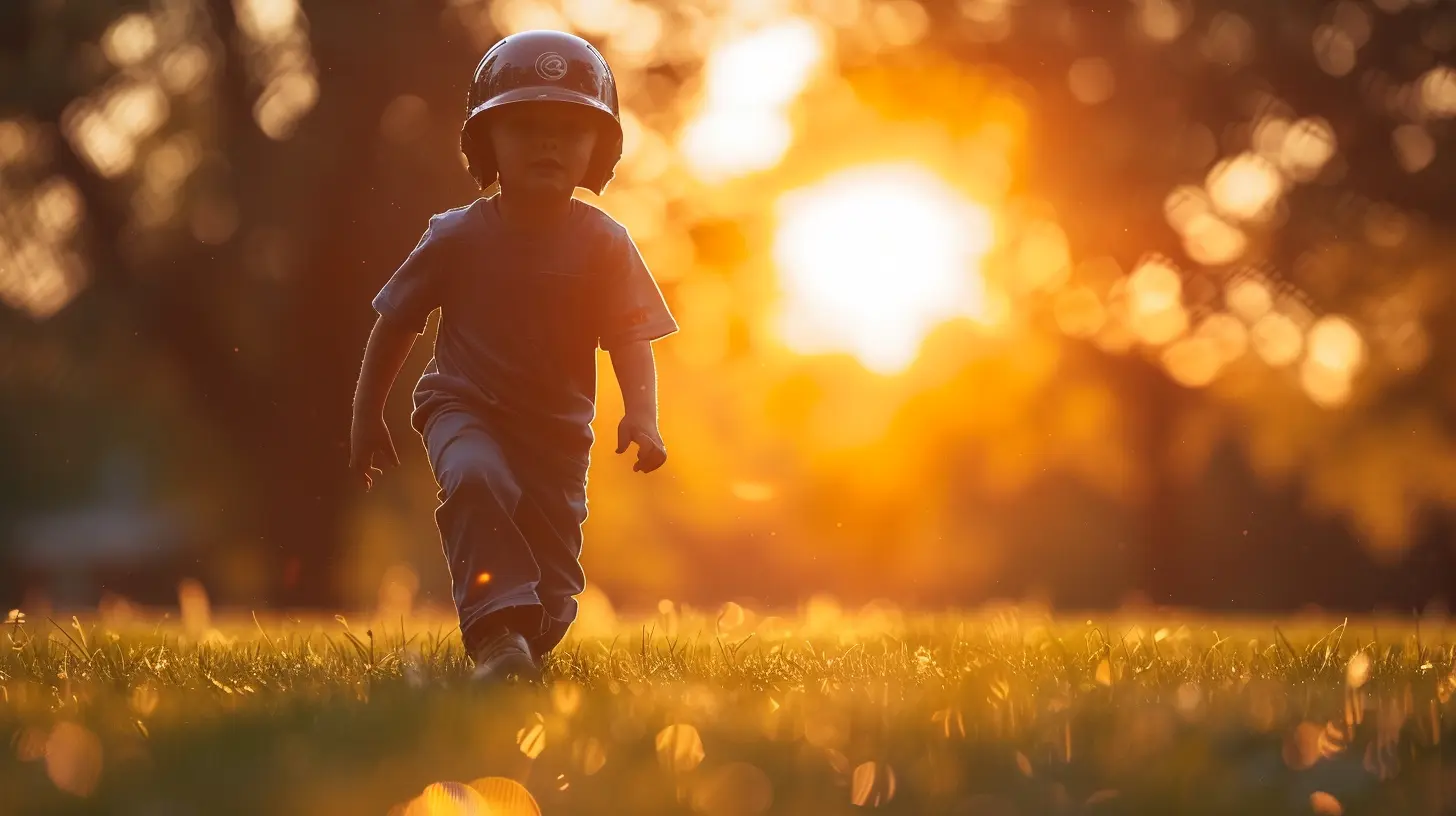
How Parents Can Support Emotional and Social Growth Through Youth Sports
As parents, we want the best for our children, and supporting them in their sports endeavors can significantly impact their emotional and social development. However, it’s important to strike the right balance between encouragement and pressure.Focus on the Process, Not Just the Outcome
It’s easy to get caught up in the excitement of a game or the expectations for performance, but remember—youth sports should be about personal growth, not just winning. By emphasizing effort, improvement, and teamwork, you’re helping your child develop skills that will benefit them in every aspect of life.Encourage Open Communication
Sports can bring about a lot of emotions, both positive and negative. Encourage your child to talk about their experiences, feelings, and challenges. Whether they're elated after a win or heartbroken after a loss, offering an open ear can help them process these emotions constructively.Be a Positive Role Model
How you react to your child’s performance can shape their experience with sports. Celebrate their effort, be patient with their progress, and avoid harsh criticism. A positive, supportive attitude can make all the difference in how your child perceives their sports journey.
Conclusion: The Big Picture
While the physical benefits of youth sports are undeniable, the emotional and social benefits are perhaps even more profound. From developing resilience and confidence to building strong social skills like teamwork and leadership, sports offer a unique platform for personal growth. These are skills that will stay with kids long after they’ve hung up their jerseys, influencing everything from their personal relationships to their future careers.Youth sports aren't just about scoring goals, making tackles, or shooting hoops—they’re about shaping well-rounded, emotionally intelligent, and socially adept individuals. So, the next time your child takes the field, remember that they're not just competing; they’re growing, learning, and becoming the best version of themselves. And isn't that the ultimate win?
all images in this post were generated using AI tools
Category:
Kids And SportsAuthor:

Steven McLain
Discussion
rate this article
2 comments
Zevon Martin
Youth sports build resilience and friendships that last.
August 15, 2026 at 4:41 AM
Steven McLain
Absolutely, the bonds formed through youth sports can create lifelong friendships while teaching valuable life skills like perseverance.
Juliana Jordan
Youth sports truly enrich kids' lives, fostering friendships and emotional growth... it's wonderful.
May 31, 2026 at 3:37 AM
Steven McLain
Absolutely! Youth sports provide an invaluable platform for friendship and personal development. It's heartening to see their positive impact.