Understanding and Easing Your Child’s Fear of the Dark
10 June 2026
Darkness. It’s just the absence of light, right? No monsters hiding in the closet, no eerie shadows creeping under the bed. But for many kids, nighttime feels like a gateway into the unknown — a stage where their imagination runs wild and scary thoughts start to grow legs. If your little one needs a nightlight to sleep or bolts into your bed at midnight, you’re not alone. Fear of the dark is one of the most common childhood fears, and as parents, understanding and helping them through it can make a world of difference.
So, let’s take a deep dive into what’s really going on in your child’s mind and how you can lovingly guide them toward feeling safe when the lights go out.
Why Are Kids Afraid of the Dark?
Before we talk about fixing the fear, we’ve got to understand where it comes from, right?A Natural Part of Development
Around the age of 2 or 3, kids become more aware of the world around them. They start realizing it's not all sunshine and butterflies. Their imaginations bloom — but so does their sense of danger. Suddenly, a shadow on the wall isn’t just a shadow; it might be a monster, a creature, or something entirely made up by their vivid young minds. The dark amplifies what they can’t see or control, which is totally unsettling for a developing brain.Imagination Gone Wild
Let’s be real: kids have wild imaginations. That’s what makes childhood so magical — and sometimes terrifying. When the lights go off, the brain doesn’t stop working. It fills in the blanks. That coat hanging on a chair? Could be a ghost. The branches tapping the window? Maybe it’s a werewolf. The brain loves stories, and in the dark, the stories can turn scary fast.Exposure to Scary Content
Even a seemingly harmless cartoon or storybook can plant a seed of fear. Something as simple as a Halloween special or a bedtime story about a haunted house can leave a bigger impression than you think. And let’s not even talk about older siblings or kids at school telling “scary stories” for fun.
Signs Your Child Might Be Afraid of the Dark
Not all kids come out and say, “Hey, I’m scared of the dark.” Sometimes, it shows up in other ways.- Complaining of tummy aches or asking for water again after the lights are out
- Taking forever to fall asleep
- Insisting on a nightlight or sleeping with the hallway light on
- Sneaking into your bed during the night
- Bedwetting, nightmares, or night terrors
- Clinging to you when bedtime is near
Recognize any of these? Yup, those could be red flags waving "I'm scared!" loud and clear.
The Do’s and Don’ts: Guiding Your Child Through Their Fear
Fear isn’t just something to “get over.” It’s real to them, even if it seems silly to us. Here’s how to walk alongside your child instead of dragging them through it.✅ DO: Acknowledge Their Fear
This is where empathy comes in. Tell them you hear them. Say, “I know it feels scary when the room is dark.” You don’t have to agree that monsters are real, but you can agree that the fear feels real to them.⛔️ DON’T: Brush It Off or Tease
Avoid things like, “It’s just the dark! Don’t be a baby,” or “Only babies are scared of the dark.” That’ll only shame them and make them less likely to open up next time. Plus, it doesn’t lessen the fear — it just adds embarrassment on top.✅ DO: Create a Safe, Calming Bedtime Routine
Bedtime should be like winding down after a long day at the beach — calm, relaxing, peaceful. Avoid screens an hour before bed, dim the lights, read a gentle story, tuck them in tight, and keep things predictable. Routines are like cozy, invisible blankets — kids thrive on knowing what’s next.✅ DO: Use Nightlights Wisely
A soft, warm nightlight can be a game changer. Pick something that doesn’t cast creepy shadows or glow too brightly. Sometimes a simple “projector” nightlight that casts stars on the ceiling can take their mind out of the scary and focus it on wonder.✅ DO: Let Them Have a Comfort Object
A stuffed animal, a favorite blanket, even a “magic” item that “keeps bad dreams away”— these can all provide a powerful sense of safety. It’s kind of like carrying a flashlight through a dark cave — just having it with you makes you braver.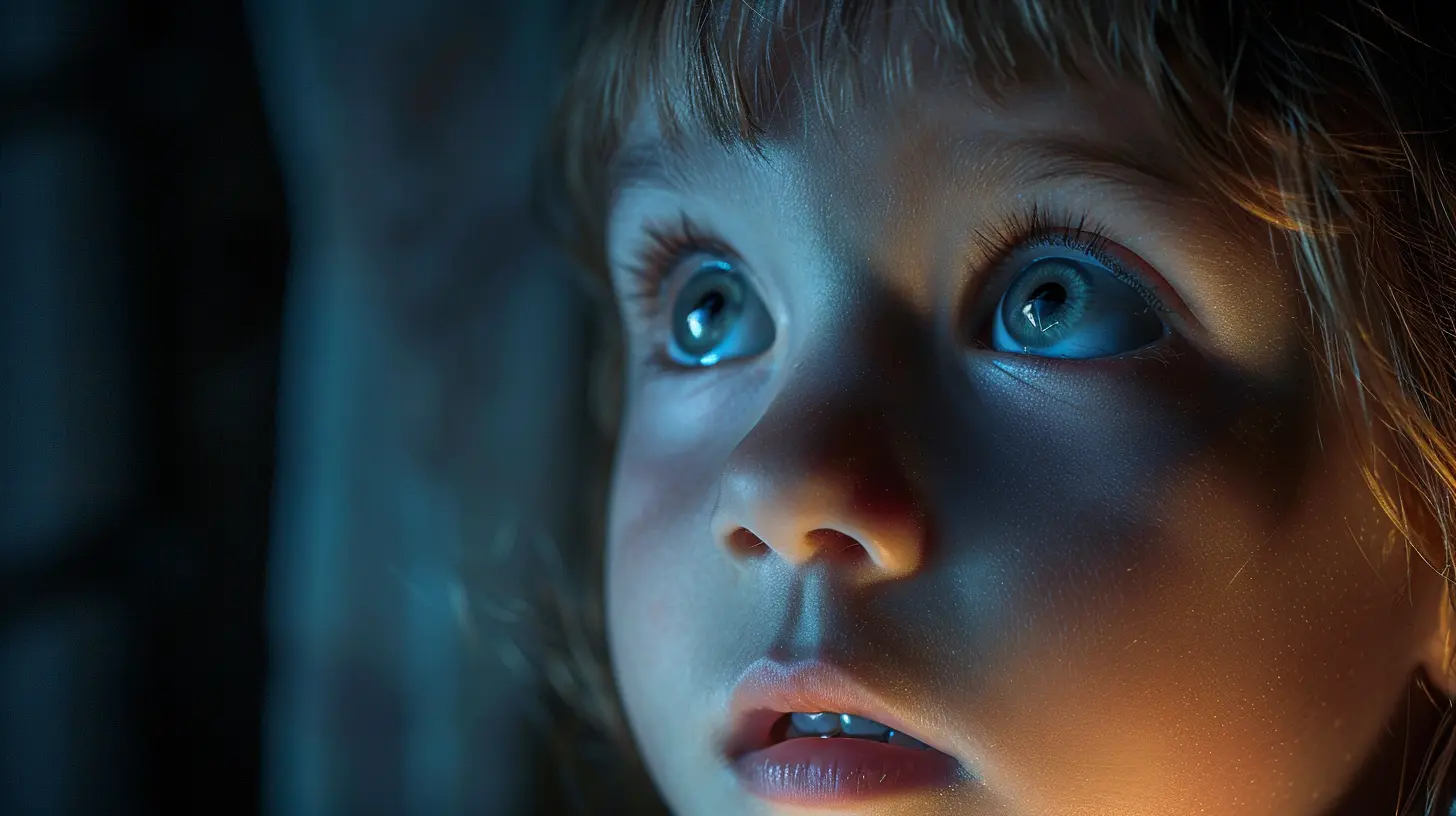
Creative Ways to Help Your Child Cope with Nighttime Fear
Now let’s talk strategy. Not “tricks” — because this isn’t about fooling your child. It’s about empowering them.1. Monster Spray (Yes, Seriously!)
It’s as simple as water in a spray bottle labeled “Monster Repellent.” Let your child spray it under the bed or in the closet before sleeping. Call it silly if you want — but this gives them a sense of control over their environment. Control reduces fear. Boom, science.2. Shadow Puppets and Light Play
Sometimes, the best way to beat the fear is to make friends with it. Do shadow puppets on the wall. Show how your hands can become animals. Shine a flashlight on everyday items to demonstrate how light and shadows work. It teaches them not to fear what they don’t understand.3. “Dream Jar” Ritual
Let your child draw or write down a happy dream they want to have. Fold it up and place it in a “Dream Jar” by their bed. You’d be surprised how this simple act shifts their mindset to something positive.4. Use Stories and Books That Address the Fear
Books like “Can’t You Sleep, Little Bear?” or “The Dark” by Lemony Snicket gently tackle fear without being overwhelming. Reading about characters who are also scared — and overcome it — shows your child they’re not alone.When Should You Worry?
Most kids grow out of their fear of the dark by the time they're 7 or 8. But if the fear is getting worse or interfering with day-to-day stuff (like school or social life), it might be time to dig a little deeper. You might even consider chatting with a pediatrician or child therapist for guidance.Look for signs like:
- Ongoing sleep problems
- Intense meltdowns at bedtime
- New fears piling up rapidly
- Expressions of anxiety or depression
Every child is different. There’s no set timeline for when fear should disappear — but your gut as a parent is powerful. Trust it.
Teaching Bravery, Not Forcing It
Here’s the heart of it: your job isn’t to force your child to be fearless. It’s to help them be brave, even when they’re scared.Bravery isn’t about the absence of fear — it’s about facing it, with a parent by your side saying, “I’m here. We’ve got this.” Make that your mantra. When kids feel supported and understood, they rise to the occasion.
Final Thoughts
Fear of the dark isn’t just a phase — it’s an opportunity. It’s a chance to connect, to build resilience, and to teach your child that even in the darkest moments, they are never alone. So don’t roll your eyes or rush through bedtime. Sit a little longer. Listen a little deeper. Sometimes, the best way to fight the shadows... is with a little more light.And hey — if you're reading this while your toddler clutches your arm like a koala every night, just know: It gets better. One peaceful night at a time.
all images in this post were generated using AI tools
Category:
Dealing With FearsAuthor:

Steven McLain
Discussion
rate this article
1 comments
Lucas McGillivray
Every child's fear is valid. Your support can make all the difference... keep shining!
June 25, 2026 at 2:53 PM
Steven McLain
Thank you for your kind words! Supporting our kids is so important as they navigate their fears, especially at night. Let's keep shining together.