The Role of Play in Developing Executive Function
26 October 2026
Let me start with a scene most parents will recognize. You ask your seven-year-old to put on shoes, grab the backpack, and meet you at the door. Ten minutes later, you find them building a shoe ramp for a stuffed rabbit. Shoes are still in hand. Backpack is nowhere. You feel the familiar surge of frustration, and the phrase "why can't you just focus" forms in your mouth.
Here is the part nobody tells you at that moment: the shoe ramp is not the enemy of focus. It is practice for it. That elaborate rabbit scenario requires holding a goal in mind, ignoring your voice in the background, planning a sequence of moves, and adjusting when the ramp collapses. That is executive function in a cardboard nutshell, and it is being trained in real time, right there on your hallway floor.
Understanding this connection changes how you parent. Not because it makes you feel better about being late (it won't), but because it helps you stop treating play as the thing kids do when nothing important is happening. Play is the workshop where executive function gets built. Your job is mostly to protect the workshop and occasionally hand over better tools.
What Executive Function Actually Is
Executive function is the set of mental processes that let a person manage themselves in service of a goal. Researchers typically describe three core components, and every practical example you will ever encounter is some blend of them.Working memory is the mental scratchpad. It holds information active while you use it. A child playing restaurant has to remember the order, the price, and where they put the pretend napkins. That is working memory under load.
Inhibitory control is the brake. It is the ability to stop an impulse, resist a distraction, or delay a reward. A four-year-old playing freeze dance is practicing the same brake they will need later to not blurt out an answer in class.
Cognitive flexibility is the gearshift. It is switching between rules, perspectives, or strategies when the situation changes. A child who is told "now the floor is lava" mid-game has to abandon the old plan and build a new one on the spot.
There is a fourth element that often gets folded in: self-regulation of emotion and arousal. It matters because a child who is flooded with frustration cannot access the other three. Executive function is not just thinking skills. It is thinking skills that work under feeling pressure.
The crucial fact for parents is developmental. These abilities live in the prefrontal cortex, which matures slowly, well into the mid-twenties. A six-year-old is not running a smaller version of an adult brain. They are running a brain that is still under construction, and the construction crew responds to practice. That is where play comes in.
Why Play Is the Training Ground
You could, in theory, train executive function with worksheets and drills. Some programs do exactly that, and they show modest gains on the specific tasks being drilled. The problem is transfer. Kids get better at the drill and not much else. Play is different because it is open-ended, emotionally engaging, and self-directed, and those three qualities are precisely what make the skills stick.Play is self-directed, and that is the whole point
When a child chooses the game, they own the goal. Owning the goal is what forces them to hold it in working memory, plan toward it, and recover when it falls apart. A parent-directed activity, even a fun one, does the planning for the child. The child follows instructions, which is a useful skill, but it is not the same as generating and maintaining a plan. The mental muscle being exercised is different.Play is emotionally loaded, which is the realistic condition
Real life does not ask for self-control when you are calm. It asks when you are excited, disappointed, or furious. Play delivers those states in manageable doses. Losing a game, waiting for a turn, and having your tower knocked over are small, safe rehearsals for the emotional regulation that executive function depends on. A child who practices inhibition while genuinely wanting to grab the last piece is getting better training than one who practices while bored.Play is repetitive without being identical
Executive function improves through repetition, but only if the repetitions vary. Open-ended play naturally varies. The same game of pretend store gets played fifty times, and every version has different rules, different roles, and different problems. That variety is what builds cognitive flexibility, because the child keeps practicing the switch between one set of rules and another.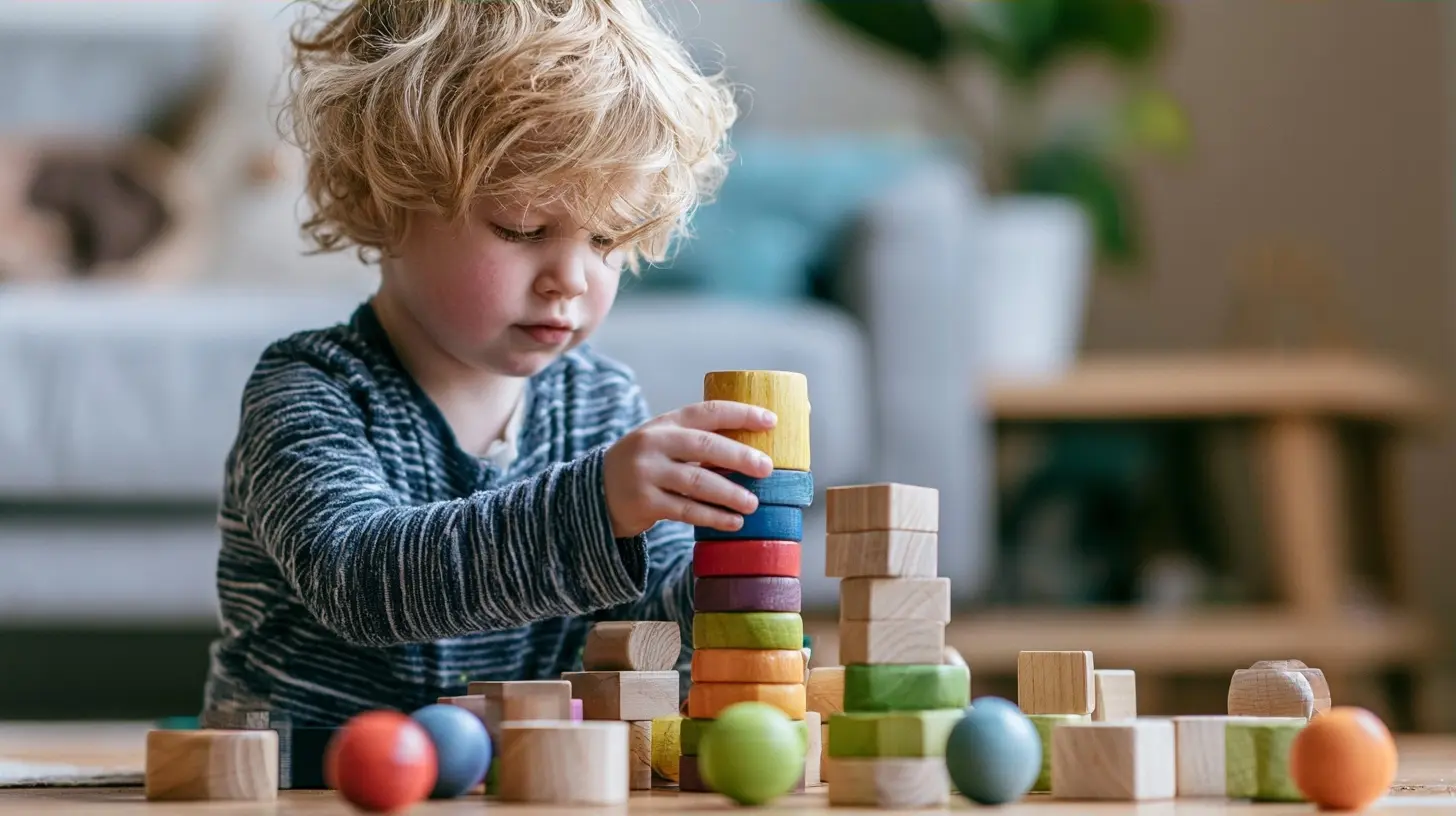
How Different Kinds of Play Train Different Skills
Not all play is equal, and it helps to know what each type is doing. You do not need to engineer any of this. You just need to recognize it and stop interrupting it.Pretend play: the working memory and flexibility gym
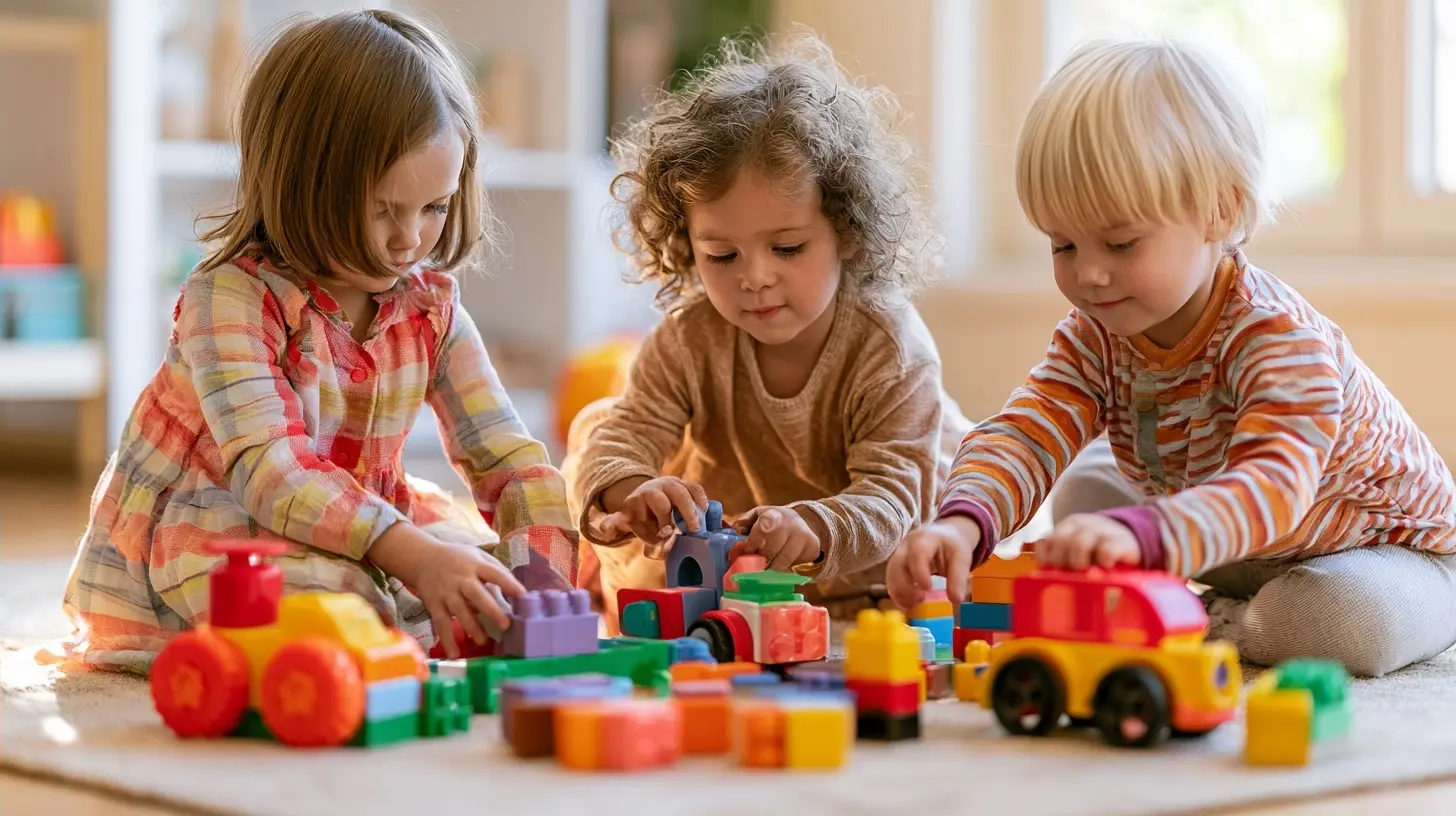
Pretend play is the heavyweight champion of executive function practice. When a child assigns roles, tracks the rules of an imaginary world, and stays in character, they are holding multiple layers of information in working memory simultaneously. When they negotiate with a playmate about who gets to be the doctor, they are practicing flexibility and inhibition at once.The research literature on pretend play and self-regulation is genuinely interesting, though it is more nuanced than the internet often suggests. The strongest findings involve children who engage in complex, sustained pretend play with others, not children who are handed a costume and told to pretend. The complexity and the social negotiation are doing the work. A child playing elaborate doctor with a sibling who keeps changing the diagnosis is getting more out of it than a child playing alone with a scripted toy.
Rough-and-tumble play: the inhibition classroom
Wrestling, chasing, and rolling around look like chaos to adults. They are actually a sophisticated negotiation. Children who roughhouse have to read signals, stop when a playmate signals stop, and calibrate force. That is inhibitory control in a physically urgent context, which is exactly the kind of practice that transfers to the classroom. The key word is consensual. Rough play among willing participants with a stop signal everyone respects is training. Rough play that one child is not enjoying is a different situation entirely and needs adult intervention.Construction and building: planning and persistence
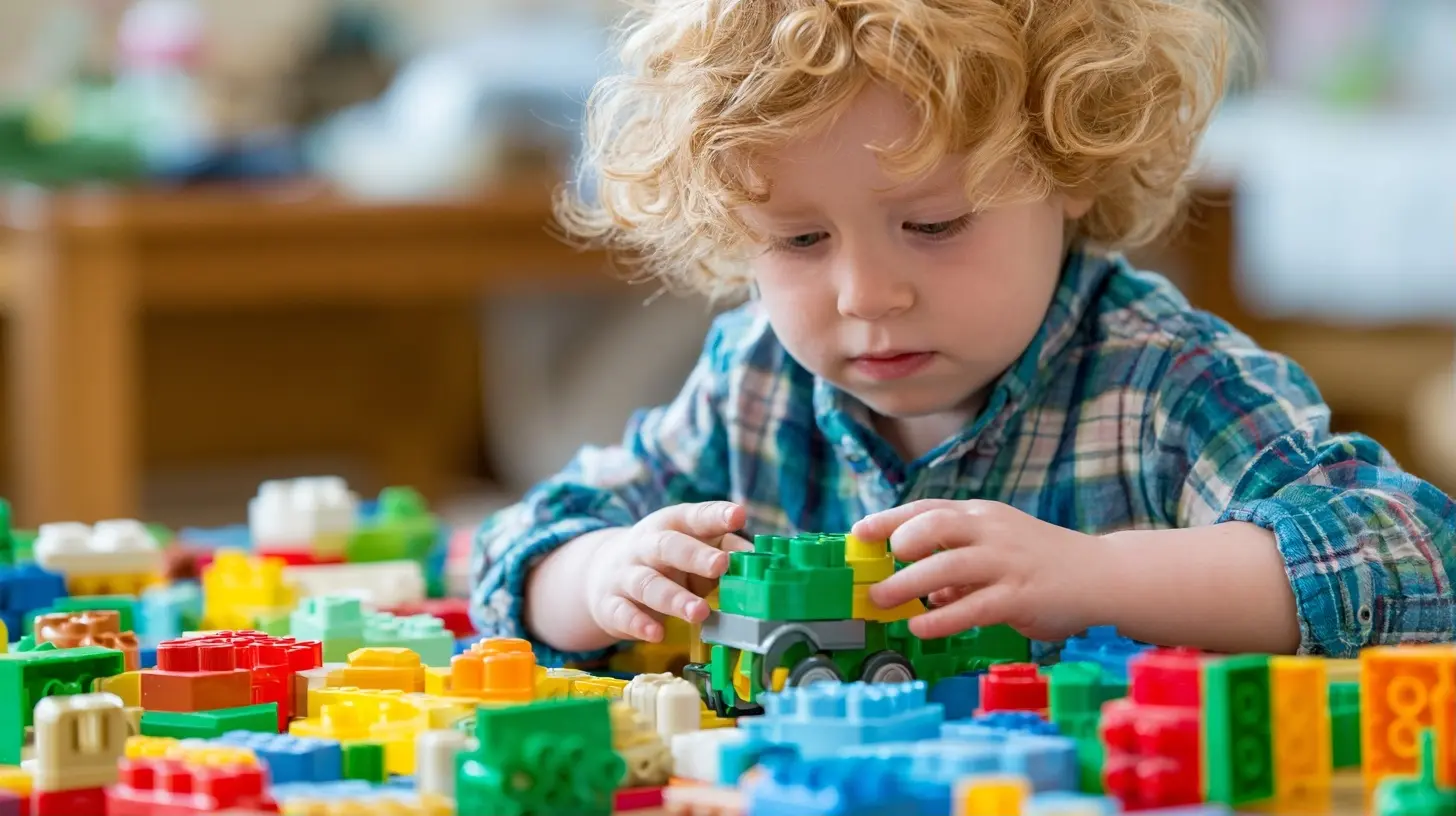
Blocks, LEGO, sand, and cardboard boxes train planning and persistence. The child sets a goal, sequences steps, and hits obstacles. Here is where parents often make a well-meaning mistake: they jump in to fix the collapsing tower. The collapse is the lesson. The child has to inhibit the urge to quit, flex to a new approach, and hold the original goal in mind. Let the tower fall. Ask a question instead of offering a solution. "What do you think made it tip?" does more for executive function than a rescue.Games with rules: the full package
Card games, board games, and playground games like Simon Says or Red Light Green Light combine all three core skills. The child must remember the rules, inhibit the urge to move or cheat, and switch strategies when the game changes. Games also add the ingredient that pure play sometimes lacks: losing. Handling a loss without melting down is emotional regulation training that no worksheet can replicate. This is why family game night is not just bonding. It is skill-building disguised as fun.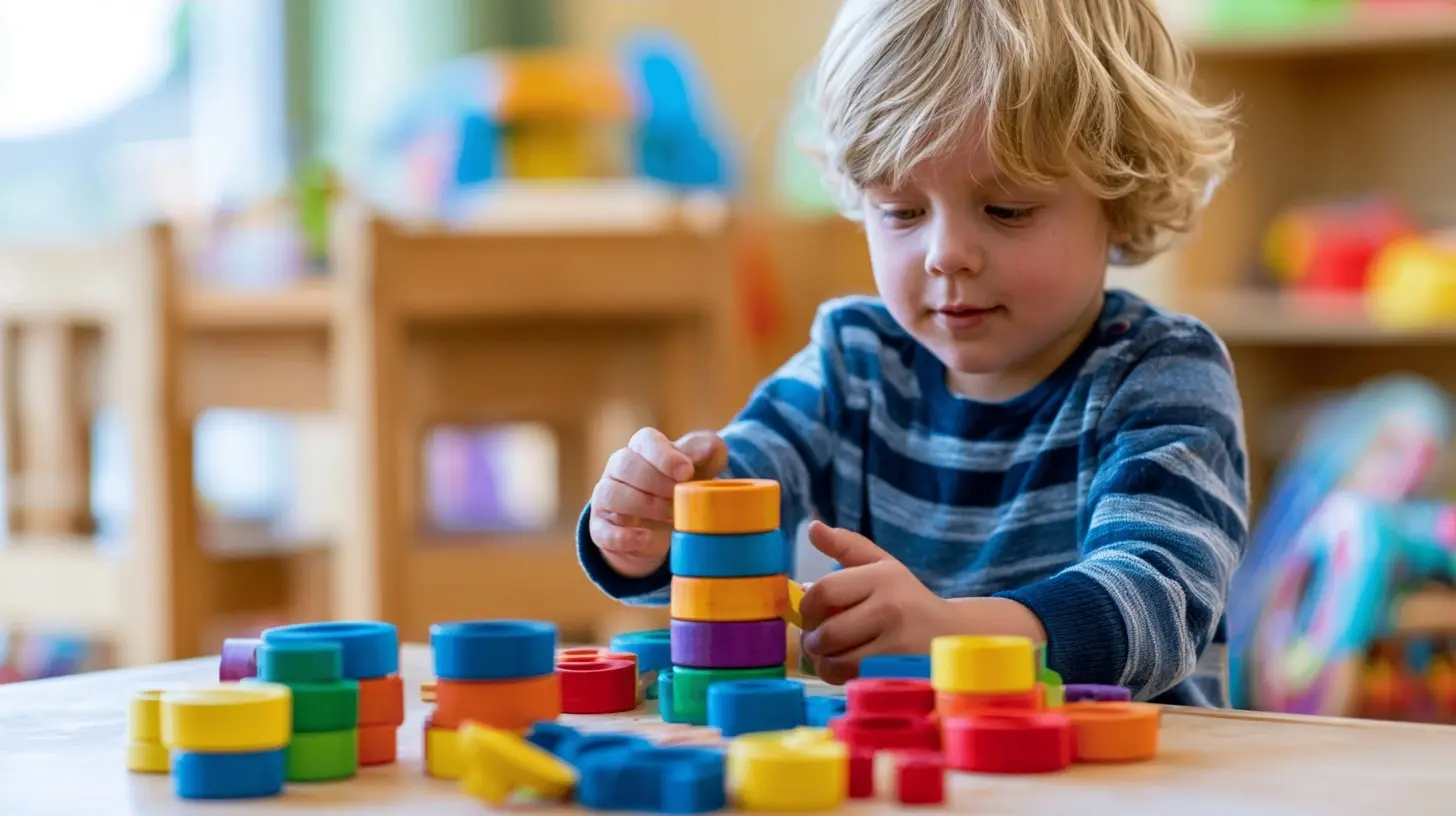
What Parents Get Wrong
The most common mistake is treating play as a reward that must be earned or a filler between "real" activities. When play is constantly interrupted for enrichment, screens, or errands, children lose the long stretches of self-directed time that executive function needs. Deep play takes time to warm up. A child who gets twenty minutes between activities rarely reaches the part where the real planning and negotiation happen.The second mistake is over-structuring. Parents who schedule every minute, direct every game, and correct every rule are doing the executive functioning for the child. The child becomes a passenger. It feels productive because the play looks organized, but the child is not the one holding the plan.
The third mistake is mistaking compliance for executive function. A child who follows directions well is not necessarily developing self-regulation. They may simply be good at doing what they are told. Executive function shows up when there is no one telling them what to do, which is exactly the condition of free play.
The fourth mistake is panic. Parents read that executive function predicts school success and start hunting for apps and programs. The evidence for most commercial brain-training products is thin, and the gains tend to be narrow. Meanwhile, the free, abundant, evidence-supported option is sitting on the living room floor, waiting for you to step over it on your way to the kitchen.
The Screen Question
This deserves a direct answer because it is the question every parent is actually asking. Screens are not the villain, and they are not the solution. The issue is displacement.Passive screen time, where the child watches content designed to hold attention, does not demand much executive function. The content does the pacing, the child follows. That is not harmful in moderation, but it does not build the skills, and when it replaces play time, it takes something away. Interactive games are a mixed bag. Some require planning, working memory, and rule-switching. Others are designed to be compulsive and low-effort. The difference is whether the child has to hold a goal and make decisions, or just react.
The practical rule most child development professionals land on is proportional. Protect generous blocks of unstructured time first. Then let screens fill the gaps, ideally with content or games that require some thinking. The order matters more than the minutes.
Practical Ways to Support Play Without Hijacking It
You cannot force executive function to develop. You can create the conditions and then get out of the way. Here is what that looks like in practice.Protect long, boring afternoons. Boredom is the on-ramp to self-directed play. A child who is never bored never has to invent a goal, which is the first executive function step. Resist the urge to fill every gap.
Keep play materials open-ended. Blocks, boxes, fabric, art supplies, and loose parts get used in a hundred ways. Single-purpose toys with one scripted outcome get used once. The variety of uses is the point.
Play with them, but follow their lead. When you join, ask what your role is. Let them assign the rules. Your job is to be a slightly incompetent playmate who needs instructions. This keeps the planning where it belongs, with the child.
Narrate your own thinking out loud. "I want to build this shelf, so first I need to find the screws, then I need the screwdriver, and I should probably clear some space." You are modeling the internal monologue of executive function. Kids absorb it.
Use games with clear rules and real stakes. Simple card games, memory games, and turn-taking games are excellent. Let them lose sometimes. Coach the recovery rather than preventing the disappointment.
Build in transition warnings. Executive function includes shifting gears. "Five minutes until we leave, then shoes and bag" gives the child practice with the switch, which is a skill, not a courtesy.
Resist fixing the collapse. Whether it is a tower, a pretend restaurant that is failing, or a game that is going badly, ask a question before offering a solution. The struggle is the curriculum.
What to Expect at Different Ages
Executive function develops unevenly, and expectations should match the brain, not the calendar.Toddlers and preschoolers are primarily building inhibition and simple working memory through pretend play and simple games. They will lose control, and that is developmentally normal. The play is the practice, not the proof.
Early elementary children can hold multi-step plans and follow more complex rules. This is the golden age for board games, elaborate pretend worlds, and building projects. They still need help recovering from frustration.
Older children and tweens can plan longer projects, negotiate complex social rules in play, and manage their own time with support. Their play often looks like hobbies, sports, and social drama. All of it is executive function practice.
The through-line is that the skills grow with the complexity of the play, and the complexity grows when children are given autonomy and time.
The Bottom Line
Executive function is not taught in a lesson. It is built through thousands of small acts of choosing, planning, inhibiting, and adjusting, and the most reliable place those acts happen is play. Your child's elaborate rabbit shoe ramp is not a distraction from development. It is development, wearing a silly hat.So the next time you are standing at the door, shoes in hand, watching a stuffed animal climb a ramp made of sneakers, take a breath. Then say the thing that actually helps: "That looks like a good plan. When you are done, the real plan is shoes and backpack." You are not giving up on the schedule. You are protecting the workshop. And the workshop is where the skills that will eventually get them out the door on time are being built, one ridiculous, wonderful game at a time.
all images in this post were generated using AI tools
Category:
Play Based LearningAuthor:

Steven McLain

