The Role of Gratitude in Building a Positive Self-Image
13 September 2026
Self-image is not a fixed trait. It is a running commentary a child builds about who they are, whether they matter, and whether they are capable. That commentary forms early and gets reinforced daily. Parents often try to shape it through praise, achievement, and encouragement. Those matter. But there is a quieter, more durable force at work: gratitude. Not gratitude as a forced "say thank you" ritual, but gratitude as a way of noticing, interpreting, and relating to the world. When children practice genuine gratitude, they change the raw material they use to construct their identity. This article explains how that process works, where it breaks down, and how parents can use it deliberately without turning it into another performance metric.
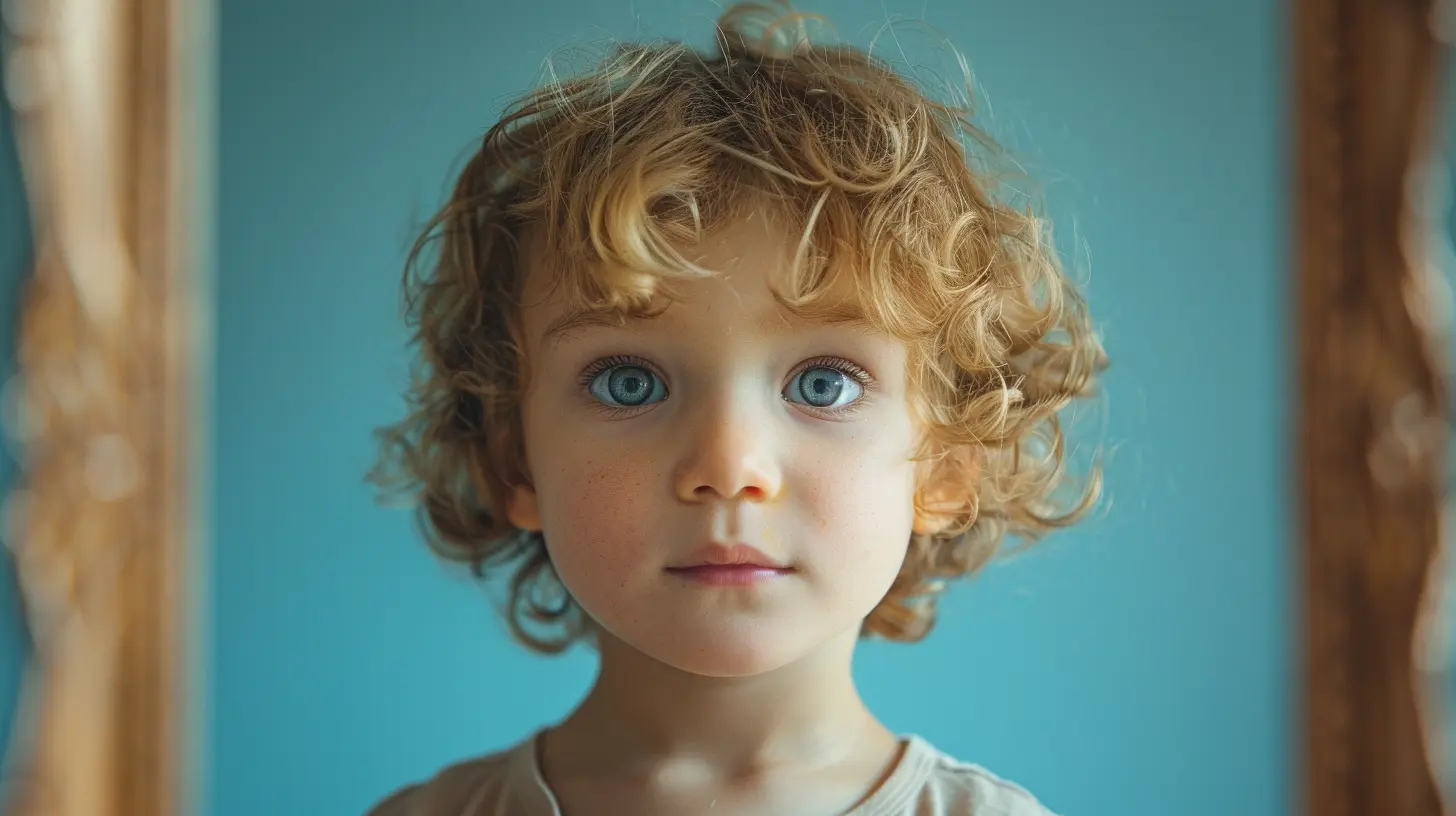
Why Self-Image and Gratitude Are Connected
Self-image has two main components. The first is self-worth: the belief that you are valuable as a person. The second is self-efficacy: the belief that you can influence outcomes in your life. Gratitude touches both.When a child notices that someone helped them, they receive evidence that they are worth helping. When they notice that their own effort contributed to something good, they receive evidence that they can make things happen. Over time, these small pieces of evidence accumulate. A child who consistently notices support and contribution builds a self-image that says: I am connected, I am capable, and I am part of something larger than myself.
This is different from self-esteem built on compliments alone. Compliments can be hollow if they are not tied to observable reality. Gratitude is grounded in reality. It points to something that actually happened. That grounding is what makes it stick.

The Difference Between Gratitude and Politeness
Many parents confuse gratitude with manners. Manners are social scripts. Gratitude is an internal state. A child can say "thank you" a hundred times a day and still feel entitled, empty, or disconnected. Conversely, a child can forget to say thank you and still feel deeply appreciative.This distinction matters because the self-image benefits of gratitude come from the internal experience, not the external performance. If you focus only on the script, you get compliance. If you focus on the experience, you get character.
That does not mean manners are unimportant. They are the visible edge of a deeper habit. But they should follow the internal state, not replace it. When you prompt a child to say thank you, you are reinforcing a social norm. When you ask a child what they noticed, you are building the muscle that supports self-image.
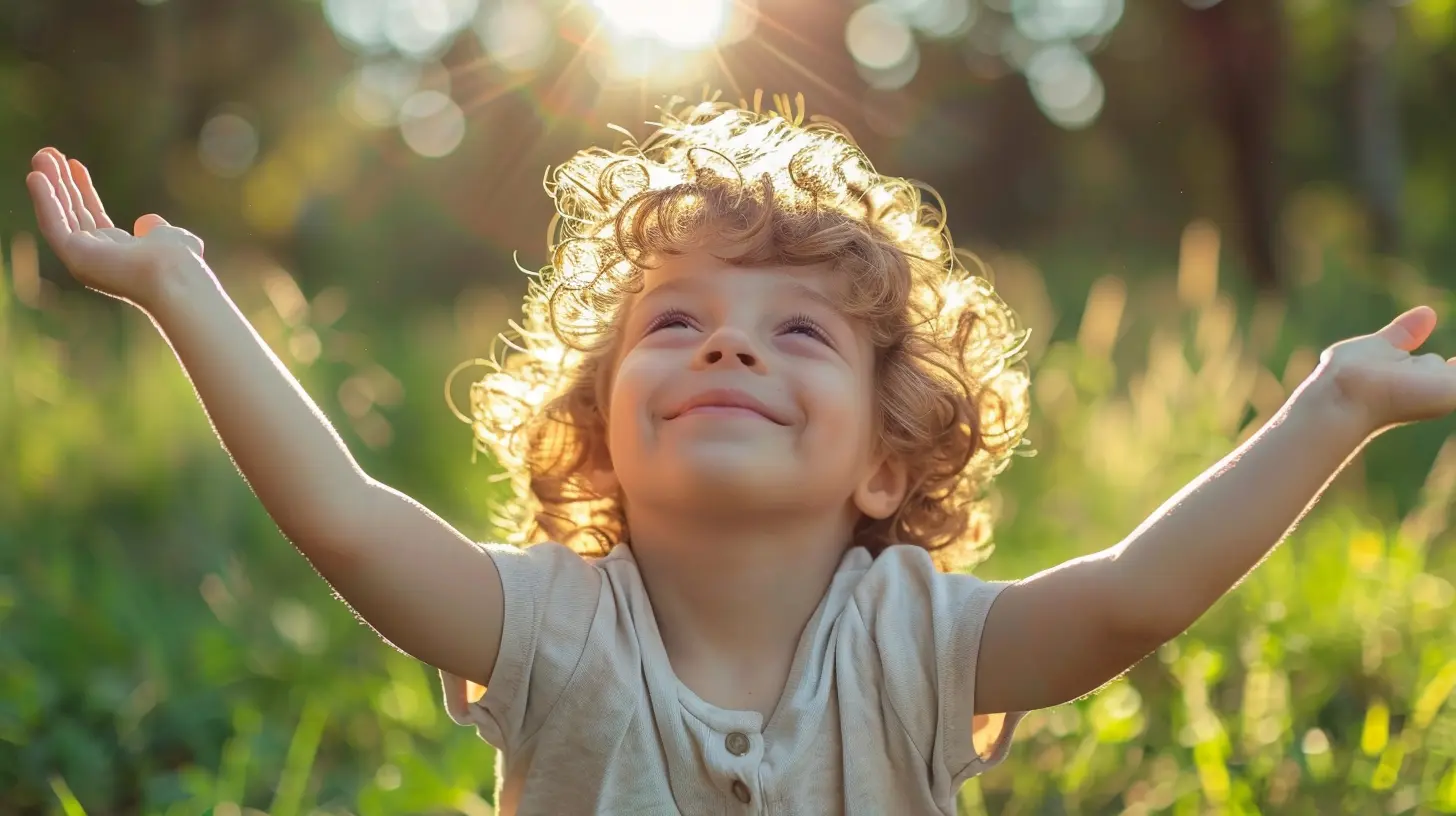
How Gratitude Shapes Identity Over Time
Identity is built through repetition. A child who repeatedly notices kindness starts to see the world as kind. A child who repeatedly notices their own contribution starts to see themselves as capable. This is not positive thinking. It is attention training.The brain prioritizes what it practices. If a child practices scanning for threats, slights, and deficits, they build a self-image rooted in scarcity. If they practice scanning for support, progress, and connection, they build a self-image rooted in sufficiency. Both are learned. Neither is automatic.
Gratitude is not about ignoring difficulty. It is about holding difficulty and goodness at the same time. A child can have a hard day and still notice that a friend sat with them at lunch. That dual awareness is what protects self-image from becoming fragile. It prevents a single bad event from becoming a verdict on the whole self.

The Two Directions of Gratitude
Gratitude flows in two directions, and both matter for self-image.Outward Gratitude
This is gratitude for what others do. It builds the self-image of being supported and loved. A child who notices that a parent packed their lunch, that a teacher stayed late to explain a problem, or that a sibling shared a toy receives a message: you are not alone.Inward Gratitude
This is gratitude for what you yourself do or bring. It builds the self-image of being capable and contributing. A child who notices that they helped a friend, finished a hard task, or kept their temper receives a message: you have agency.Many parents emphasize outward gratitude and neglect inward gratitude. That creates an imbalance. A child who only notices what others do for them can develop a passive self-image. A child who only notices what they do for themselves can develop a disconnected one. The healthiest self-image draws on both.
Why Gratitude Works When Praise Does Not
Praise is external. It comes from someone else. Gratitude is internal. It comes from the child's own noticing. That difference matters because self-image is ultimately an inside job.Praise can also backfire. If a child is praised for being smart, they may avoid challenges to protect that label. If they are praised for being good, they may hide mistakes. Gratitude does not create those traps. It is not a label. It is an observation. A child who notices "I worked hard on that" is not trapped by the observation. They can work hard again tomorrow or choose to rest.
Gratitude also survives disappointment. Praise depends on outcomes. Gratitude can be practiced regardless of outcomes. A child who loses a game can still be grateful for the chance to play, for the effort they gave, or for the teammate who encouraged them. That flexibility protects self-image during failure, which is exactly when it is most vulnerable.
Common Mistakes Parents Make
Gratitude is simple in concept but easy to get wrong in practice. Here are the most common missteps.Forcing Gratitude
Forced gratitude produces resentment, not appreciation. If a child is told to be grateful for something they did not want, they learn that gratitude is a tool for pleasing adults. That undermines the internal benefits.Using Gratitude as a Guilt Tool
Statements like "You should be grateful, other kids have less" do not build gratitude. They build shame. Shame and gratitude cannot coexist. A child who feels ashamed of their own wants will not feel genuinely thankful. They will feel small.Only Practicing Gratitude in Good Times
Gratitude is most valuable when things are hard. If it only appears when life is easy, it becomes a fair-weather habit. Children need to see gratitude practiced during disappointment, frustration, and loss. That is when it does the most work for self-image.Making It a Performance
If gratitude becomes a chore to be checked off, it loses its power. The goal is not a gratitude journal completed every night. The goal is a way of seeing. Journals can help, but only if they are genuine. A single honest observation is worth more than a page of forced ones.Ignoring Inward Gratitude
Many parents focus entirely on what the child should be thankful for from others. They forget to help the child notice their own strengths, efforts, and contributions. That omission leaves a gap in self-image.Practical Ways to Build Gratitude Without Turning It Into a Chore
The best gratitude practices are woven into daily life. They are small, repeatable, and low-pressure. Here are approaches that work, along with why they work.The Three-Question Check-In
At dinner or bedtime, ask three questions:1. What went well today?
2. Who helped you today?
3. What did you do today that you feel good about?
These three questions cover outward gratitude, inward gratitude, and positive attention. They are simple enough to become a routine and broad enough to avoid repetition. The third question is especially important because it builds self-efficacy.
Notice Out Loud
Children learn what they see modeled. When you notice something you are grateful for, say it out loud. "I am glad the sun came out today." "I appreciated that your sister helped with the dishes." This teaches children that gratitude is a normal part of adult life, not a child-only exercise.Reframe Without Denying
When a child complains about something, resist the urge to correct them. Instead, acknowledge the complaint and then add a layer. "That sounds frustrating. I wonder if there was anything that made it slightly easier." This invites the child to hold both truths. It does not dismiss their feeling. It expands their view.Use Specific Language
Generic gratitude is weak. Specific gratitude is strong. "I am grateful for my family" is easy to say and easy to forget. "I am grateful that Dad drove me to practice even though he was tired" is specific and memorable. Specificity anchors gratitude in reality, which is where self-image is built.Let Them Struggle
Gratitude is easier to feel when you have experienced its absence. Children who never face small hardships have fewer reference points for appreciation. This does not mean creating hardship. It means not rescuing children from every minor difficulty. A child who has to wait for something learns to value it. A child who has to work for something learns to appreciate their own effort.Model Inward Gratitude
Parents often model outward gratitude but not inward. Let your child hear you say, "I am proud of how I handled that." "I am glad I kept my patience." This gives them permission to notice their own strengths without arrogance.
When Gratitude Is Not the Answer
Gratitude is powerful, but it is not a cure-all. There are times when it should not be the first response.If a child is in genuine distress, gratitude can feel dismissive. If a child is being bullied, excluded, or harmed, the priority is safety and support, not perspective-taking. Gratitude can come later, once the child is safe.
If a child is struggling with clinical anxiety or depression, gratitude practices alone are not sufficient. They can be a helpful supplement to professional care, but they are not a substitute. Parents should watch for signs that a child's self-image is being shaped by something deeper than a habit of attention.
Gratitude also should not be used to silence legitimate complaints. If a child is being treated unfairly, they need to learn to advocate for themselves. Gratitude and advocacy are not opposites. A child can be grateful for what they have and still work to change what is wrong.
Gratitude and Resilience: The Long Game
The deepest benefit of gratitude is not happiness. It is resilience. A child who can notice support, progress, and connection even in hard moments has a self-image that can withstand setbacks.This matters because life will provide setbacks. Friends will move away. Tests will be failed. Dreams will be delayed. A self-image built only on success will crack under those pressures. A self-image built on gratitude has a wider foundation. It can say: this is hard, and I am still supported. This went wrong, and I am still capable. I did not get what I wanted, and I still have things that matter.
That is not toxic positivity. It is emotional complexity. It is the ability to hold two truths at once. Children who develop that ability are better equipped for adulthood, not because they feel good all the time, but because they know how to find footing when they do not.
A Balanced View: Gratitude With Boundaries
Some parenting advice treats gratitude as a universal solution. It is not. Gratitude works best when it is paired with boundaries, honesty, and self-respect.A child who is grateful but has no boundaries becomes a people-pleaser. A child who has boundaries but no gratitude becomes entitled. The goal is both. Teach your child to appreciate what they receive and to say no when something is wrong. Teach them to notice their own contributions and to expect respect from others. Teach them to be thankful and to ask for more when more is needed.
This balance is what makes gratitude sustainable. It is not about lowering expectations. It is about seeing clearly. A child who sees clearly can appreciate what is good without ignoring what is not.
Final Thoughts
Gratitude is not a trick for making children happier. It is a way of paying attention that shapes how they see themselves and their place in the world. When practiced genuinely, it builds self-worth, self-efficacy, and resilience. When practiced poorly, it becomes another source of pressure and performance.The difference lies in how parents approach it. Focus on the internal experience, not the script. Model it, do not mandate it. Include both outward and inward gratitude. Make room for hard feelings. And remember that gratitude is not a replacement for safety, boundaries, or professional support when those are needed.
A positive self-image is not built in a day. It is built in small moments of noticing. Gratitude is one of the most reliable tools for making those moments count.
all images in this post were generated using AI tools
Category:
Raising Confident KidsAuthor:

Steven McLain
Discussion
rate this article
2 comments
Zorion Monroe
Gratitude is great, but I'm still trying to teach my kid to be thankful for vegetables... good luck!
October 24, 2026 at 4:56 AM
Lillian Walker
Great insights on gratitude!
October 11, 2026 at 2:46 AM