The Real Cost of Screen Time: Why Kids Need More Face-to-Face Interaction
28 February 2026
Let’s rip the band-aid off, parents — screen time isn’t as innocent as it looks. Sure, handing your kid a tablet keeps them quiet in waiting rooms, long car rides, and during those frantic dinner prep hours. And yes, YouTube has taught your toddler how to count in Spanish and do the floss dance at the same time (impressive, to be honest). But here’s the cold, hard truth:
Excessive screen time is slowly robbing our kids of something essential — real, raw, human connection.
This isn’t just about eye strain or dopamine addiction. This is about the foundational skills our children need to survive and thrive in the real world — empathy, communication, emotional intelligence, and resilience — all of which are being quietly eroded by hours spent staring at a screen.
So buckle up, because we’re diving deep (and getting real) about the true cost of screen time, and why it’s time we fight for more face-to-face interaction for our kids.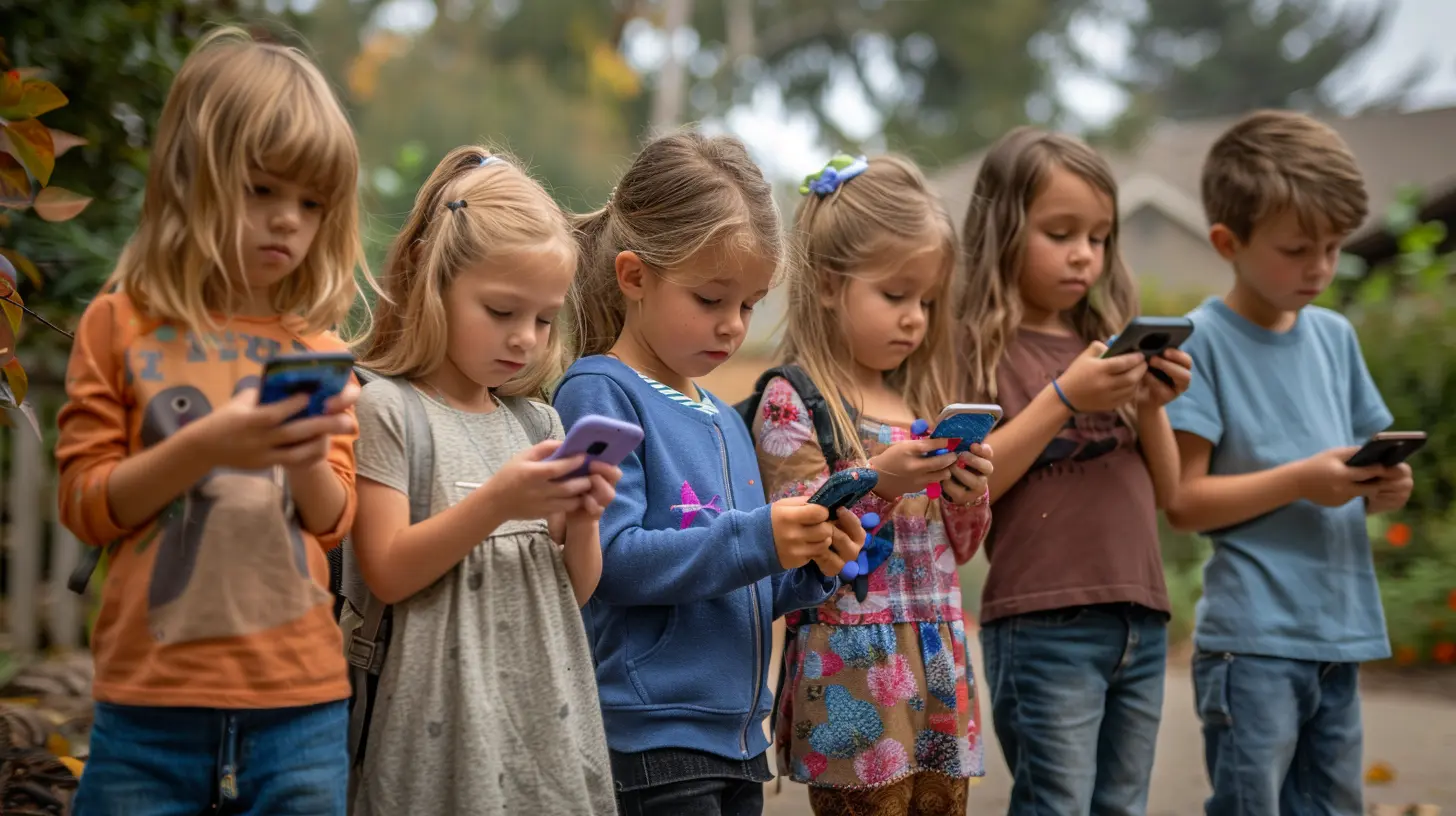
The Screens Are Winning — And It's No Accident
Ever noticed how hard it is for you to put down your phone? Now multiply that by ten and you’ve got your kid’s attention span grappling with a tsunami of digital dopamine.Apps, games, and streaming platforms are built to be addictive — intentionally designed to keep both kids and adults glued for hours. These platforms aren’t just stealing time, they’re hijacking our children’s natural curiosity and desire to connect with the real world.
Let’s just say it: screens are stealing our kids’ childhoods.
It’s not just about the time spent on the screen; it’s about what’s being missed while they’re off the playground, away from conversation, and locked into their glowing rectangles.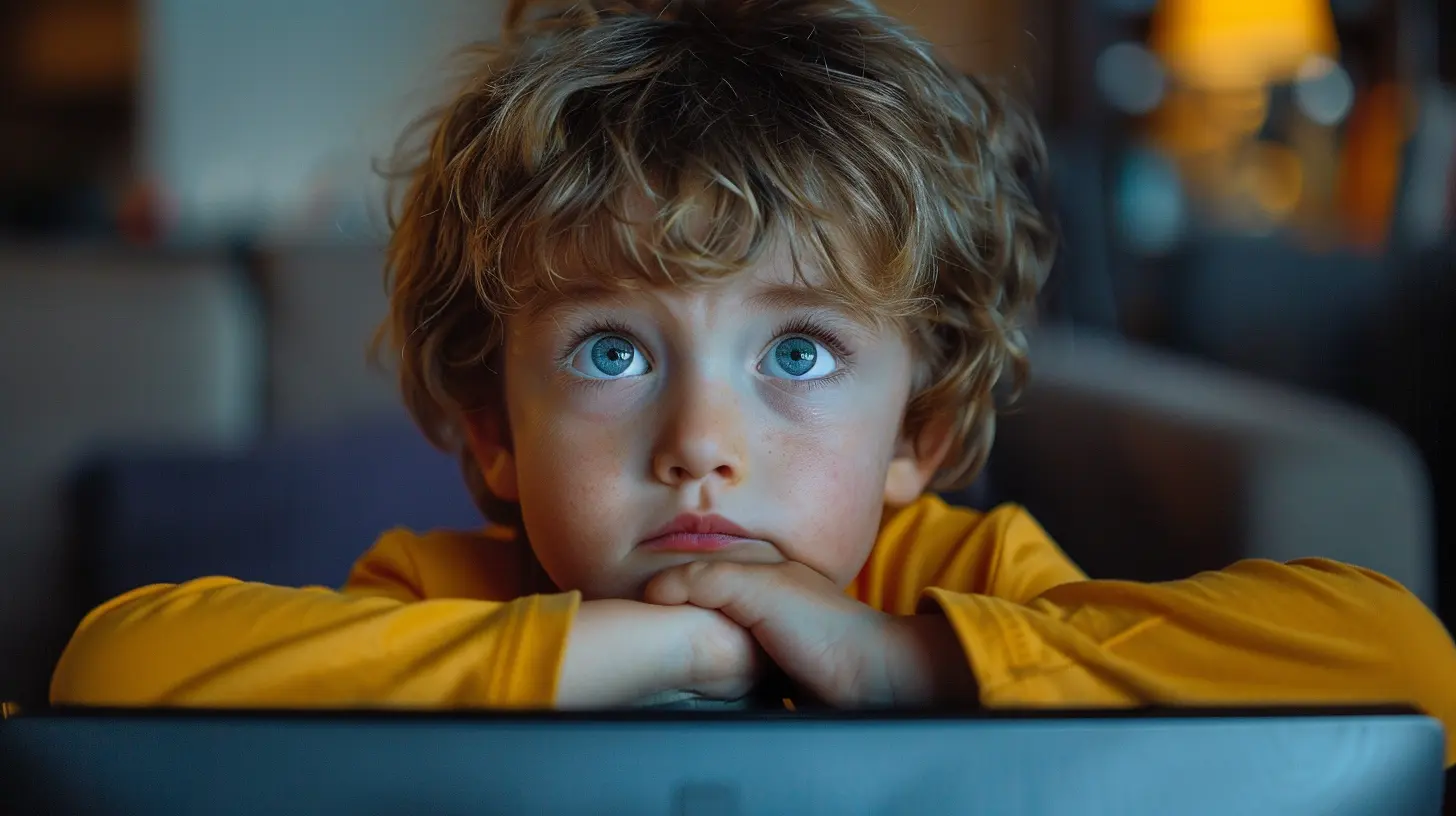
What Are They Missing Out On?
When screens take over, here’s what our kids aren’t doing — and it’s pretty eye-opening:1. Real Conversations with Real People
Face-to-face interactions don’t just help kids learn to talk. They teach them how to listen, read body language, pick up on emotional cues, and respond with empathy. You don’t get that from texting or FaceTiming. You can’t develop emotional intelligence through a Minecraft server.2. Unstructured Play
Remember when you used to play outside and had to make up your own fun? That’s not just nostalgia — that’s essential for brain development. Playing tag, building forts, arguing over rules? That’s how kids learn negotiation, resilience, compromise, and problem-solving.3. Boredom (Yes, It’s a Good Thing)
Boredom is the breeding ground of creativity. When kids have nothing to do, they learn to invent, imagine, and engage with the world. A tablet is an instant boredom-killer — but it also kills the spark of ingenuity.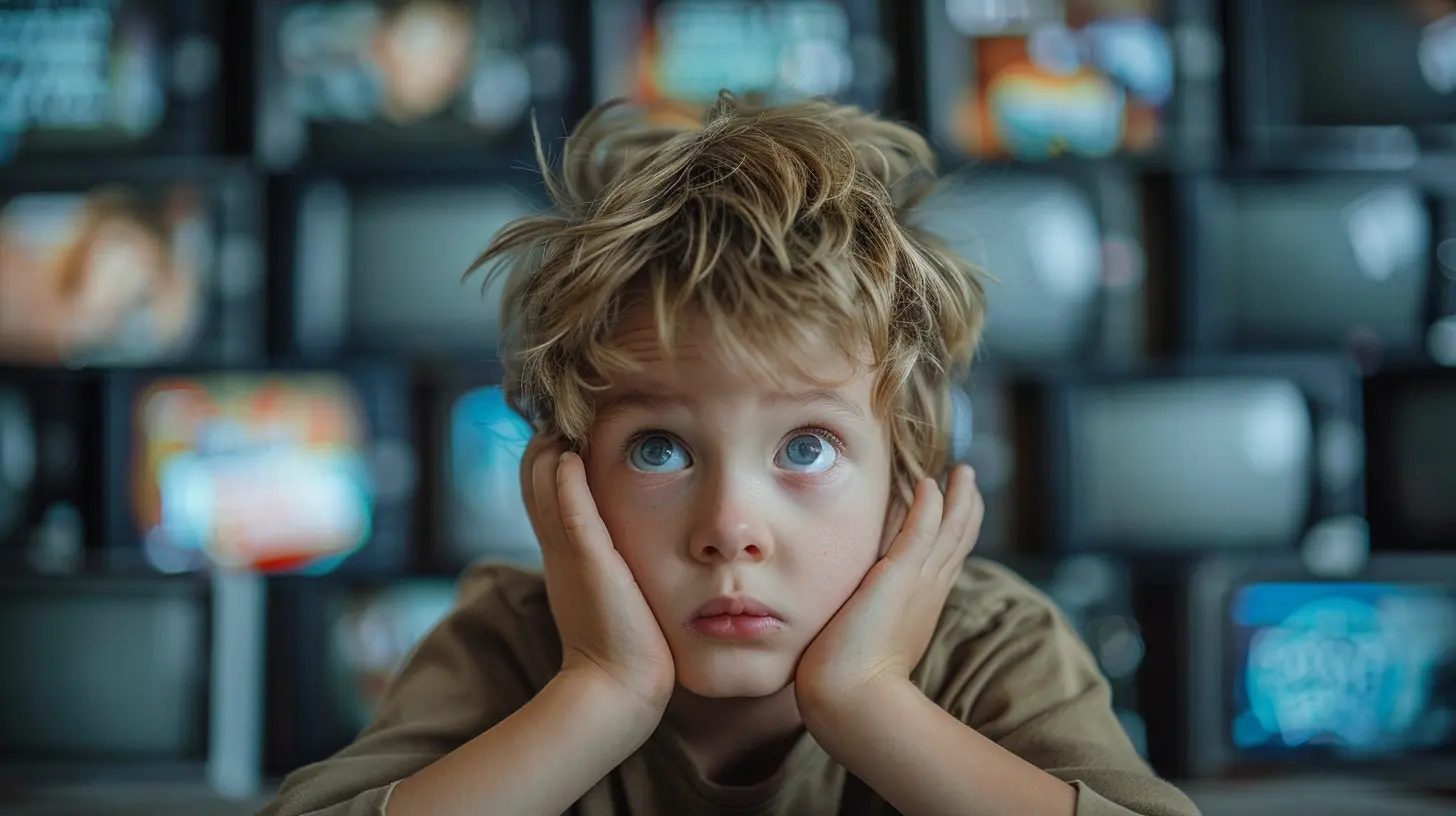
The Hidden Social Damage: Kids Who Can’t Connect
Here’s what we’re seeing more and more of:- Kids who can’t make eye contact.
- Teens who can’t hold a conversation longer than 30 seconds.
- Children who melt down in social situations because they haven’t learned emotional regulation.
This isn't some overreaction. Studies show that too much screen time is linked not just to decreased social skills, but also to higher rates of anxiety, depression, and loneliness in kids.
How can we expect our kids to build meaningful friendships, navigate classroom dynamics, and eventually handle job interviews when their primary means of communication has been emojis and YouTube comments?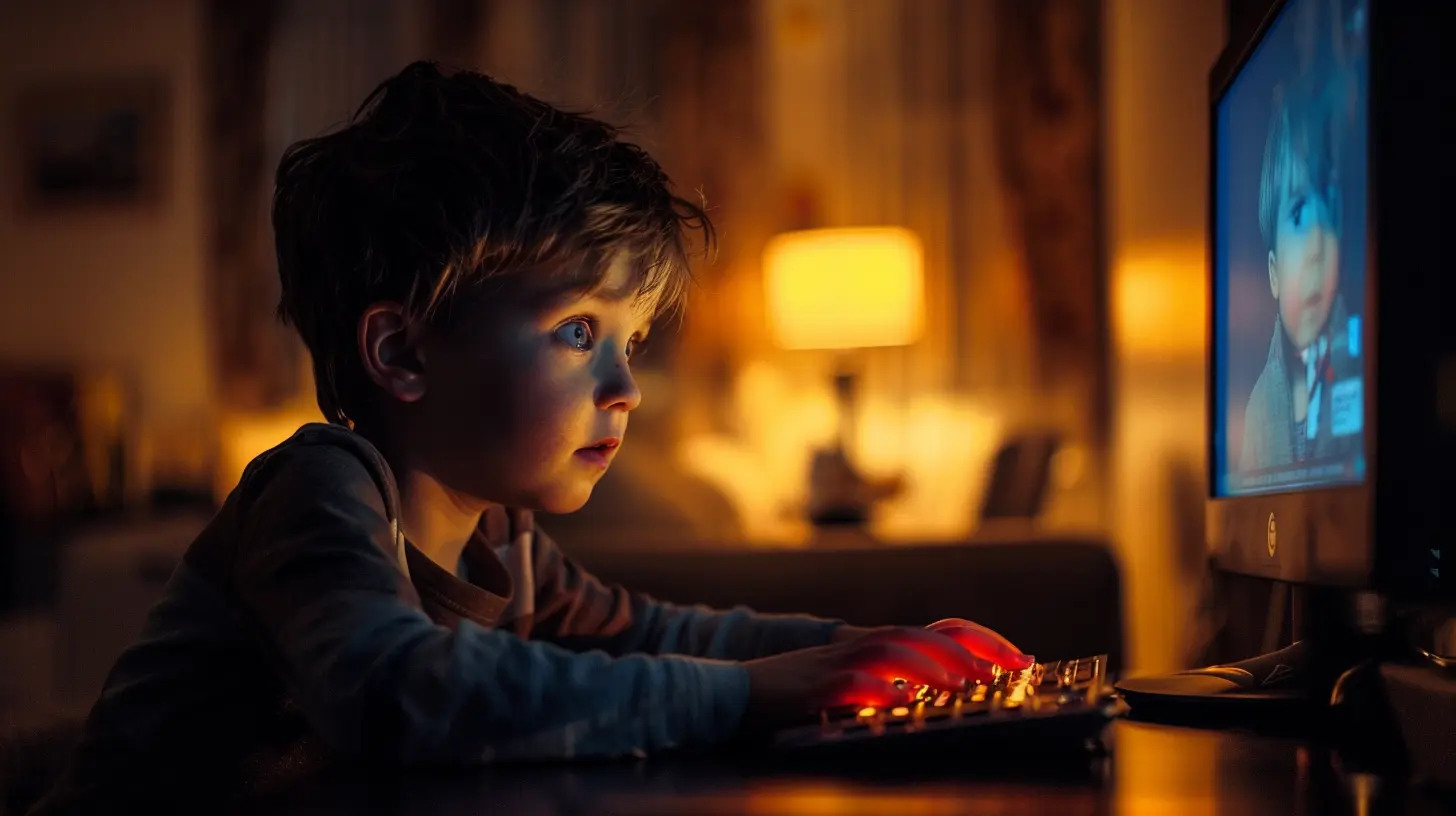
But It’s Educational! (Is It Really?)
Let’s address the elephant in the room: Not all screen time is bad, right? There are apps and shows dubbed “educational,” and yes, some truly are helpful in small doses.But let's get real — when your kid is glued to their device, are they really watching National Geographic Kids? Or are they deep into a rabbit hole of toy unboxings and algorithm-driven junk content?
Even high-quality educational content doesn’t replace the cognitive development that comes from real-world experiences.
—
Screen Time Is the New Sugar — Addictive and Overconsumed
Think of screen time like candy. A treat now and then? No big deal. But a steady diet of Skittles and soda? That’s a one-way ticket to disaster.Excessive screen exposure messes with dopamine levels, making real life feel boring by comparison.
Ever noticed how your kid zones out after watching TV for two hours and then refuses to engage with you afterward? They’re not just being moody. Their brain has been overloaded with stimulation, and now playing with blocks or having a conversation feels like eating plain oatmeal.
What Happens to a Brain That Doesn’t Interact?
Let’s break it down in brutal honesty.🧠 Less Empathy
Face-to-face interaction is how children learn to understand others. If they’re always on screens, they miss the micro-expressions, the tone changes, the subtle emotional shifts that allow them to grow empathy. And without empathy? You’ve got a kid who doesn’t get people — and people who don’t get him.🧠 Weaker Language Skills
Even the most interactive educational apps can’t replace the back-and-forth rhythm of real conversation. Talking to parents, teachers, and peers builds vocabulary, grammar, and conversational skills — things Siri can’t teach.🧠 Impulse Control Erosion
Games and apps offer instant rewards — win a level, get a badge. Life doesn’t. Real relationships need patience. Real learning takes time. Kids conditioned for constant digital feedback lose the ability to delay gratification or keep their emotions in check. That’s a recipe for frustration and meltdowns.Face-to-Face: Still the Gold Standard
Let’s not pretend we can go completely screen-free. That ship has sailed. Technology is part of life. But that doesn't mean we can't be intentional.What our kids desperately need is more face-to-face experiences.
👨👩👧 Family time without devices
Put the phones down during dinner. Ask open-ended questions. Laugh. Tell stories. Let them see your expressions and feel seen themselves.🧒 Playdates and peer interaction
Yes, it can be messy. Yes, there will be arguing. But guess what? That’s good. Conflict teaches social negotiation.🎨 Creative outlets
Encourage drawing, music, building, storytelling, role play — experiences that demand imagination, not pixels.🌳 Outdoor adventures
Nature doesn’t buffer. It doesn’t come with a mute button. It gives kids a chance to engage with their environment, face challenges, and use their senses — something screens just can’t replicate.It's Time to Reclaim Childhood
Childhood isn't supposed to be a perfectly curated, quiet-in-the-corner experience. It's noisy, messy, and unpredictable. But it's also where the most important human learning happens.Our kids deserve more than just content consumption. They deserve connection. They need to look into someone’s eyes and feel understood. To speak, and be heard. To laugh, cry, argue, apologize — in person.
Because no matter how advanced technology gets, it will never replace the power of human connection.
So, What Can We Do — Like, Starting Today?
Glad you asked. If this article made you squirm a little — good. That’s your gut telling you it’s time for change.Here’s a practical, no-fluff action list:
1. Set daily screen limits — and stick to them.
2. Model better behavior — Your kid sees you scrolling all day? They'll think it's normal.
3. Schedule face-to-face time daily — even 15 minutes of undivided attention makes a difference.
4. Encourage independent play — not with a screen, but with open-ended toys.
5. Say “no” to tech babysitting — even when it’s hard. Especially when it’s hard.
6. Talk to your kids about balance — Let them know why you’re limiting screen time.
7. Replace screens with quality, shared experiences — cook dinner together, go on a walk, or just sit outside and chat.
Final Thoughts: Connection > Convenience
We’ve got one shot at raising humans who are emotionally intelligent, socially competent, and mentally healthy. And that means sometimes choosing the harder path — the inconvenient moment, the tantrum, the whining — in favor of giving our kids what they truly need: us.Let’s stop outsourcing connection to screens. Let’s give our children the gift of presence — real, authentic, in-the-moment presence. Because in the long run, they won’t remember the videos they watched. But they’ll never forget the way it felt to be seen, heard, and loved — in real life.
all images in this post were generated using AI tools
Category:
Limiting Screen TimeAuthor:

Steven McLain
Discussion
rate this article
2 comments
Anabella Morrow
Excessive screen time can hinder social skills; prioritizing face-to-face interaction is crucial for healthy child development.
March 6, 2026 at 5:26 PM
Steven McLain
I completely agree! Balancing screen time with face-to-face interactions is essential for fostering healthy social skills and overall development in children.
Otto Palmer
This article highlights a crucial point: while screens offer instant information and entertainment, nothing can replace the depth of human connection. Encouraging face-to-face interaction fosters emotional intelligence and social skills, essential for healthy development. Balance is key; let’s prioritize meaningful connections for our children.
March 6, 2026 at 5:35 AM
Steven McLain
Thank you for your insightful comment! I completely agree that fostering face-to-face interactions is vital for children's emotional and social development. Balancing screen time with meaningful connections is essential.