The Power of Habits: Establishing Routines That Promote Independence in Teens
29 June 2026
Parenting a teen comes with its fair share of challenges. One minute, they’re craving freedom, and the next, they’re relying on you for the simplest things. It’s a delicate balance between letting them grow and ensuring they’re responsible enough to handle life on their own.
So, how do you raise a teenager who takes charge of their own life, makes smart decisions, and becomes independent? The answer lies in habits. Good habits shape their future, build confidence, and prepare them for adulthood. When routines are set in place, they create a sense of stability while encouraging responsibility.
Let’s dive into the power of habits and how you can help your teen establish routines that promote independence. 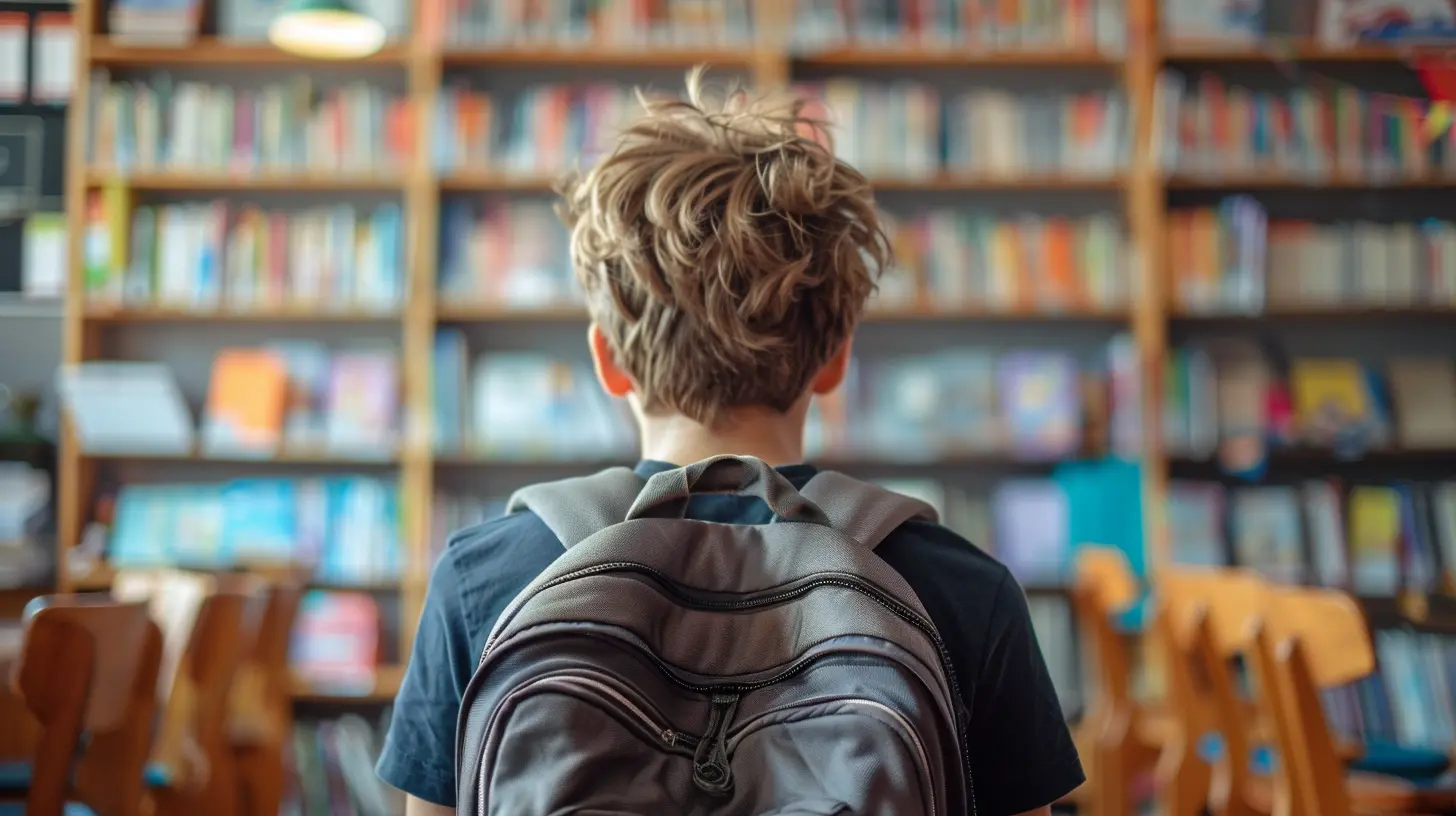
Why Habits Matter for Teens
Teenagers are at a stage where their brains are still developing. They’re forming patterns that will stick with them into adulthood. When they develop positive habits, those routines become second nature—helping them manage time, build consistency, and stay disciplined.Think about it: an athlete doesn’t become great overnight. They practice regularly, follow a routine, and stick with it. The same applies to teens. When they consistently follow good habits, they grow into responsible, independent adults.
The Science Behind Habit Formation
Habits form when a behavior is repeated enough times that it becomes automatic. Psychologists call this the habit loop, consisting of:1. Cue – A trigger that prompts the behavior.
2. Routine – The action or habit itself.
3. Reward – The benefit that reinforces the habit.
For example, if your teen sets an alarm (cue), wakes up on time (routine), and feels a sense of accomplishment (reward), they’ll keep repeating the cycle until it becomes second nature.
Small Habits Lead to Big Changes
It’s not about making drastic changes overnight. Small, consistent actions lead to bigger, long-lasting results. If your teen struggles with time management, starting with a habit of setting reminders or making a to-do list can gradually develop into a strong sense of responsibility.
Building Routines That Encourage Independence
Now that we understand why habits are important, let’s talk about how to establish routines that promote independence in teens.1. Morning Routines: Starting the Day Right
A strong morning routine helps teens start the day with focus and energy. Instead of rushing out the door, encourage habits that promote self-sufficiency:- Waking up on their own (using an alarm instead of relying on a parent).
- Making their bed (a small win that builds discipline).
- Getting ready independently (choosing outfits, packing their bags).
- Eating a healthy breakfast (fueling their body for the day ahead).
By reinforcing these self-care habits, teens learn to take responsibility for their daily schedules without constant reminders.
2. Time Management: Teaching Responsibility
Teenagers juggle school, extracurricular activities, and social lives. Without solid time management skills, things can quickly spiral out of control. Teaching them how to handle their time wisely sets them up for success.Helpful habits include:
- Creating a daily planner or to-do list
- Setting priorities (knowing what needs to be done first)
- Breaking big tasks into smaller steps (to avoid stress and procrastination)
- Setting time limits for activities (to balance productivity and relaxation)
Apps like Google Calendar or Todoist can help teens organize their schedules and take ownership of their responsibilities.
3. Chores: Contributing to the Household
Giving your teen chores isn’t just about getting help around the house—it’s about teaching responsibility and building work ethic. When they contribute to the family, they learn essential life skills they’ll use when they move out.Assign age-appropriate tasks like:
- Doing their own laundry
- Preparing simple meals
- Cleaning their room
- Helping with grocery shopping
When teens know they’re expected to contribute regularly, they’re more likely to take initiative in other areas of life.
4. Financial Independence: Money Management Skills
Teaching financial responsibility while they’re still under your roof prepares them for the real world. If they develop smart money habits now, they’ll avoid financial struggles later.Some great ways to introduce financial independence:
- Giving them a set allowance and letting them manage it.
- Teaching them how to budget and track expenses.
- Encouraging them to save for something they want instead of impulsive spending.
- If they’re old enough, helping them get a part-time job to earn their own money.
Understanding financial independence early on will help them make wiser choices in adulthood.
5. Healthy Habits: Taking Care of Their Well-Being
As teens grow older, they should start taking responsibility for their own health and well-being. Building healthy lifestyle habits ensures they prioritize self-care without constant reminders.Encourage them to:
- Get enough sleep (at least 8 hours every night).
- Exercise regularly (finding an activity they enjoy).
- Eat nutritious meals (balancing junk food with healthy options).
- Practice mindfulness and stress management (journaling, meditation, or deep breathing).
When they recognize the benefits of taking care of their physical and mental health, they’ll be more likely to maintain these habits well into adulthood.
6. Decision-Making: Allowing Them to Make Choices
Part of independence is making smart decisions without always seeking approval. Give your teen the freedom to make their own choices, even if it means failing sometimes.Start with small decisions like:
- Choosing their own clothes.
- Deciding how to spend their free time.
- Managing their study schedule.
Then, gradually introduce bigger decisions—such as budgeting for something expensive or picking electives at school. When they learn to make informed choices, they build confidence in their ability to handle life’s challenges. 
Supporting Your Teen Through the Process
Building new habits takes time, and your teen will make mistakes along the way. That’s completely normal! Your role is to guide them rather than dictate their every move.Here’s how you can support them:
- Lead by example – If you want them to follow good habits, you need to model those behaviors yourself.
- Be patient – Change doesn’t happen overnight. Encourage progress rather than perfection.
- Motivate, don’t micromanage – Offer gentle reminders, but allow them to take ownership of their routines.
- Celebrate small wins – Recognize their efforts, no matter how small, to keep them motivated.
Gradually, they’ll embrace these changes and start managing their lives with confidence. 
Final Thoughts
Helping your teen build independent habits is one of the greatest gifts you can give them. These routines shape their character, enhance their self-esteem, and prepare them for adulthood.Remember, it’s not about perfection—it’s about progress. Encourage them, step back when necessary, and trust that they’ll find their way. Before you know it, they’ll be handling life like a pro, and you’ll be watching with pride.
By instilling strong habits today, you’re setting them up for a successful and independent future. And trust me, that’s a victory worth celebrating!
all images in this post were generated using AI tools
Category:
Teenager IndependenceAuthor:

Steven McLain
Discussion
rate this article
1 comments
Honor Dodson
Great article! Routines can truly foster independence in teens. It's inspiring to see practical tips that parents can easily implement for lasting change.
June 30, 2026 at 3:24 PM
Steven McLain
Thank you! I'm glad you found the tips helpful. Routines really can make a big difference for teens.