The Link Between Your Stress and Your Child’s Behavior
27 June 2026
Parenting is one of the most rewarding yet challenging journeys in life. It’s filled with unconditional love, laughter, and unforgettable moments. But let's be honest—it can also be exhausting, overwhelming, and, at times, downright stressful. While we often try to shield our children from our struggles, the truth is, they can sense our stress more than we realize.
Ever noticed that when you're having a rough day, your child seems to act up more than usual? That’s not a coincidence. There’s a strong link between your stress levels and your child’s behavior, and understanding this connection can help create a more peaceful and harmonious home. 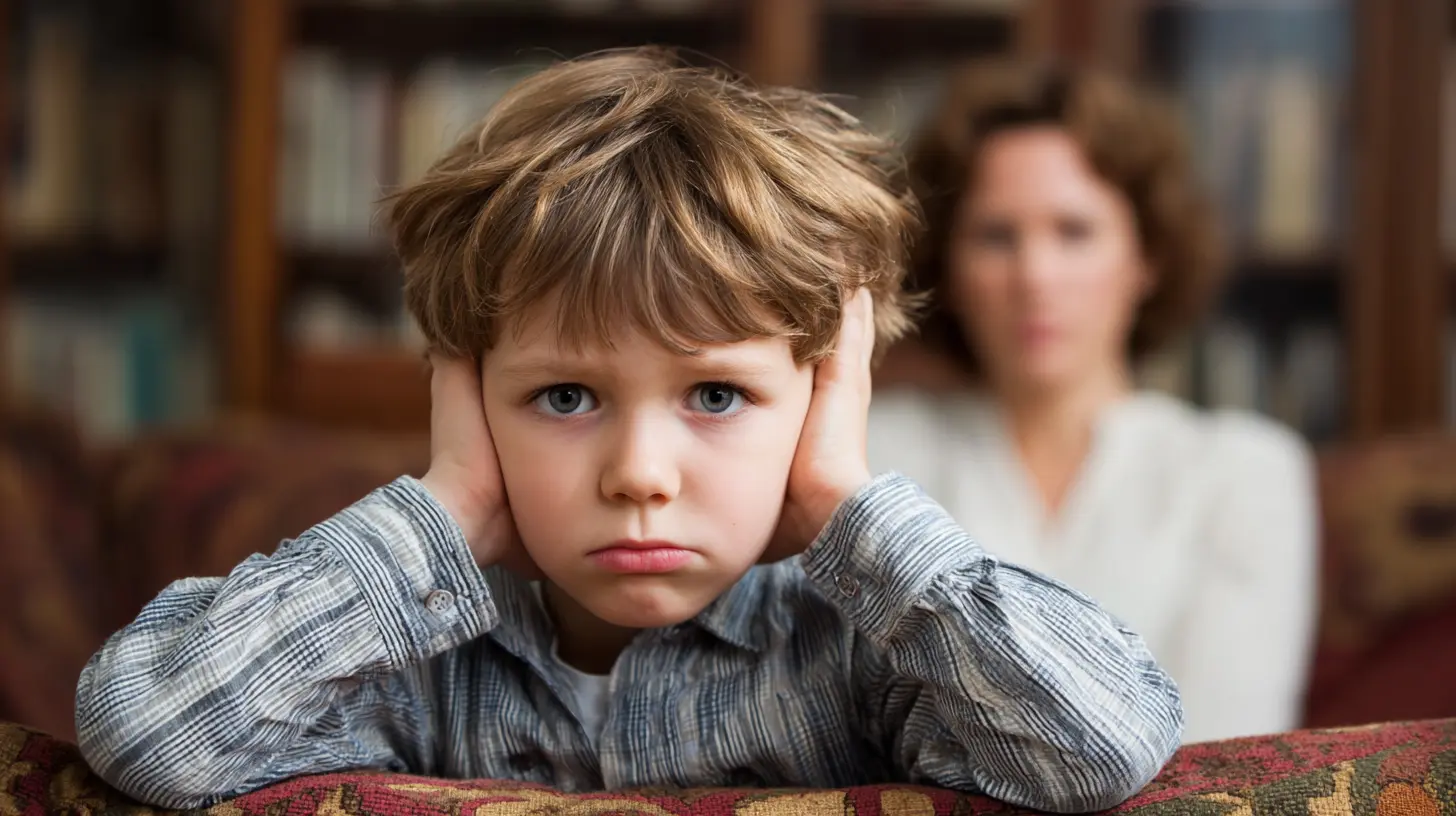
How Parental Stress Affects Children
1. Kids Absorb Our Emotions Like Sponges
Children are incredibly intuitive. They might not understand why Mom or Dad is stressed, but they can feel it. Just like a sponge absorbs water, kids soak up the emotions around them. If you're anxious, frustrated, or overwhelmed, they pick up on those vibes and may respond with clinginess, mood swings, or even tantrums.2. Stress Impacts Parenting Style
When you're stressed, your patience wears thin. You’re quicker to snap, less likely to listen, and more prone to react impulsively. Instead of responding calmly to a child’s misbehavior, you might yell or punish harshly, which can create a cycle of frustration. Your child, in turn, may act out even more because they crave your attention or don’t understand what’s happening.3. Emotional Regulation Starts With You
Children learn how to manage their emotions by watching you. If they see you handling stress in unhealthy ways—like shouting, shutting down, or lashing out—they may mimic those behaviors. On the other hand, if you model calmness, problem-solving, and self-care, your child learns positive coping mechanisms.
Signs That Your Stress Is Affecting Your Child
Every child reacts to stress differently, but here are some common signs that your stress might be impacting their behavior:- Increased Tantrums: More frequent or intense emotional outbursts.
- Clinginess: Your child may become overly attached or anxious when you're not around.
- Sleep Issues: Trouble falling asleep, nightmares, or waking up frequently.
- Regression: Reverting to behaviors they had outgrown (e.g., thumb-sucking, bed-wetting).
- Acting Out: More defiance, aggression, or difficulty following rules.
If you notice these patterns, it may be time to evaluate your stress levels and how they affect your parenting. 
Managing Your Stress for a Happier Home
Reducing stress isn’t just about self-care—it’s about creating a healthier environment for your family. Here’s how you can better manage your stress and improve your child's behavior at the same time.1. Prioritize Self-Care (Without Guilt!)
Taking care of yourself isn't selfish—it’s necessary. When you're running on empty, you have less patience and energy for your little ones. Even small daily habits can make a big difference:- Get Enough Sleep: A well-rested parent is a more patient parent.
- Eat Nutritious Foods: Fuel your body with foods that give you energy rather than draining it.
- Move Your Body: Exercise releases endorphins, which naturally reduce stress.
2. Practice Mindfulness and Deep Breathing
When you feel stress creeping in, pause. Take a few deep breaths. Mindfulness practices, like meditation or simply focusing on the present moment, can help you stay calm in challenging situations. Even five minutes of intentional breathing can reset your mood.3. Communicate Openly with Your Child
It’s okay to admit when you’re feeling overwhelmed. Letting your child know, in an age-appropriate way, that you’re having a tough day teaches them that it’s normal to experience emotions. Try saying something like:"Mommy is feeling a little stressed right now. I need a few minutes to calm down, and then we can play together."
This teaches kids emotional awareness and helps them develop empathy.
4. Set Realistic Expectations
Let’s be real—parenting is messy. No one gets it right 100% of the time. Instead of striving for perfection, aim for progress. Some days will be tough, but that doesn't mean you're failing as a parent.5. Create Calming Rituals for You and Your Child
Routines provide comfort and stability for children. Establishing calming rituals—like reading a bedtime story together, taking a walk, or cuddling before bed—can build connection and reduce stress for both of you.6. Seek Support When Needed
There’s no shame in asking for help. Whether it’s leaning on a partner, calling a friend, or speaking with a therapist, having a support system can make parenting less overwhelming.
A More Calm and Connected Household
At the end of the day, parenting is about connection. The calmer and more regulated you are, the more your child will mirror that energy. By managing your stress, you're not just improving your own well-being—you’re creating a more peaceful, loving home for your child to thrive.So next time you’re feeling overwhelmed, take a deep breath. Be kind to yourself. And remember, you’re doing an amazing job.
all images in this post were generated using AI tools
Category:
Parenting StressAuthor:

Steven McLain
Discussion
rate this article
1 comments
Jacob Bryant
Stress less, laugh more, happy kids!
July 1, 2026 at 4:34 AM
Steven McLain
Absolutely! A relaxed parent really makes a difference in a child's happiness and behavior. Laughter is key!