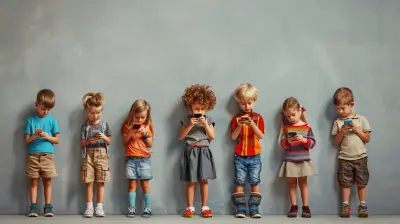
The Importance of Role Models in Your Child’s Confidence Journey
12 August 2026
Every parent wants their child to walk into a room with their head held high, to raise a hand in class even when they are not sure of the answer, and to bounce back after a setback. Confidence is not a trait a child is born with. It is built, layer by layer, through experiences, reactions, and the people they watch closely. The most powerful of those people are role models. But the way role models shape confidence is more subtle and more complex than simply telling a child they can be anything. It is about how they handle failure, how they speak about themselves, and how they treat others when no one is watching.
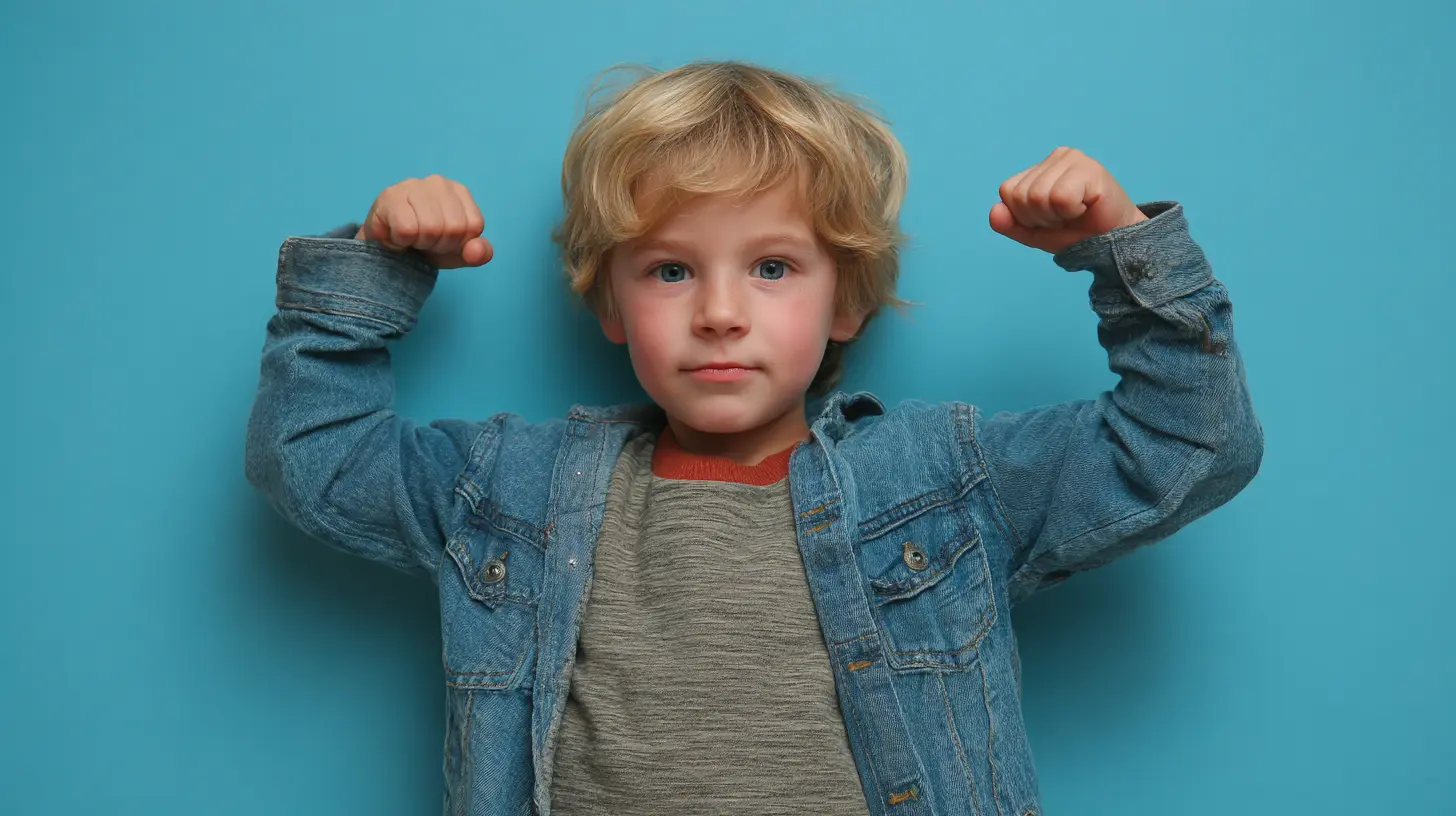
What a Role Model Actually Does for a Child's Confidence
A role model does not need to be famous, wealthy, or extraordinary in the public sense. In the context of a child's confidence journey, a role model is someone who demonstrates what it looks like to try, to struggle, to adapt, and to keep going. Children are not born with a blueprint for handling disappointment or criticism. They learn it by observing the adults and older peers in their lives.When a child sees a role model attempt something difficult and fail openly, then try again, the child internalizes a critical lesson: failure is not the end of the world. It is a step in a process. This is the foundation of what psychologists call a growth mindset, but it is not enough to just teach it as a concept. Children need to see it lived out. A role model who says, "I messed that up, but I figured out what went wrong and I will do it differently next time," gives a child permission to make mistakes without feeling like a failure themselves.
Confidence is also built through the mirror effect. A child watches how a role model talks about themselves. If a parent constantly says, "I am terrible at math," the child who struggles with math hears that struggle is a fixed identity, not a temporary state. Conversely, a role model who says, "Math was hard for me too, so I had to find a different way to practice," offers a path forward. The child learns that confidence is not about being perfect. It is about having a strategy for dealing with imperfection.

The Difference Between a Role Model and a Hero
Many parents assume that putting a famous athlete or a historical figure in front of their child is enough. That is a hero, not a role model. Heroes are distant. They are admired for achievements that feel unreachable. Role models are accessible. They are people the child interacts with or observes regularly enough to see the day-to-day effort behind the results.A child might idolize a basketball star who makes game-winning shots. But that star's highlight reel does not show the missed free throws in practice, the hours of conditioning, or the frustration of a losing season. A child cannot model their daily behavior on a highlight reel. They can, however, model their behavior on a parent who comes home from work, is tired, but still sits down to help with homework. They can model on a teacher who admits they do not know the answer but offers to find out together. They can model on an older sibling who loses a game but shakes hands with the winner.
The distinction matters because heroes can actually damage confidence when a child compares their own messy, awkward efforts to a polished, distant success. Role models, by contrast, provide a realistic standard. They show that confidence is not a destination. It is a way of moving through the world.
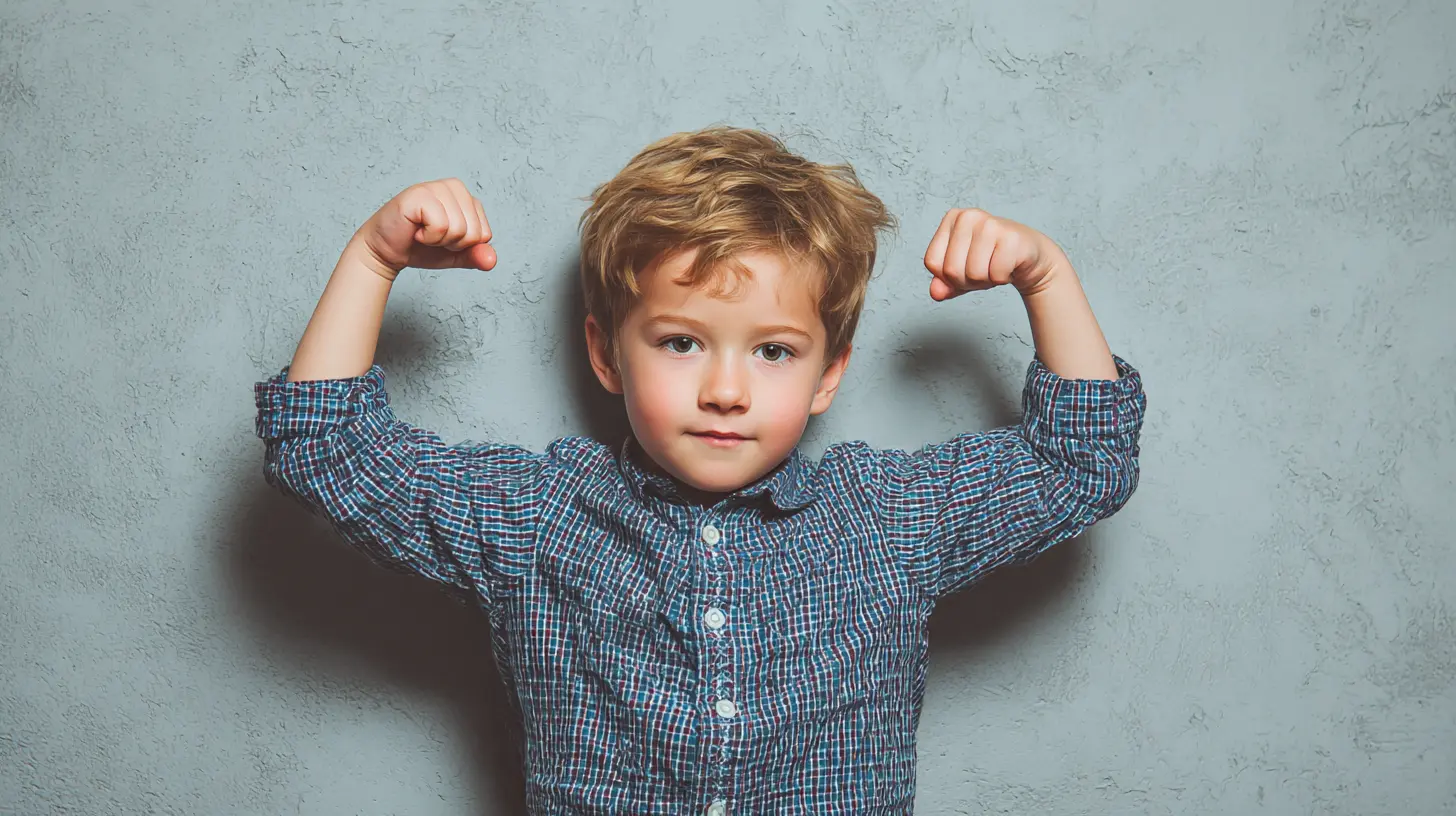
Why the Parent Is the Primary Role Model, Whether They Like It or Not
You do not choose whether to be a role model for your child. You are already one. Every time you react to a flat tire, a rude cashier, or a bad grade on a test, your child is watching. They are not listening to your advice in those moments. They are watching your face, your tone, and your next action.This is a heavy responsibility, but it is also a relief. It means you do not need to be perfect. In fact, being perfect is the worst thing you can do for your child's confidence. If a child never sees their parent struggle, they will assume that struggle is a sign of personal weakness. When they inevitably struggle themselves, they will conclude that they are broken.
The most powerful thing a parent can do is narrate their own problem-solving process out loud. When you forget an appointment, say, "I am disappointed I missed that. I need to put reminders in my phone so that does not happen again." When you burn dinner, say, "That did not turn out well. I think the heat was too high. I will try it differently next time." This is not about performing for your child. It is about letting them see that confidence is not the absence of problems. It is the presence of a reliable method for dealing with problems.
There is a common misconception that showing vulnerability to your child will make them feel insecure. The opposite is true. When a parent hides all their struggles, the child senses the gap between what they see and what they feel. They know their parent is not perfect. They just do not know how the parent handles imperfection. That gap creates anxiety. When a parent openly handles a setback with composure and a plan, the child feels safer, not less safe.

The Role of Non-Parent Role Models
Parents are the first and most important role models, but they are not the only ones. As children grow, they need exposure to a variety of people who show different ways of being confident. A child who only sees one type of confidence may assume that confidence requires that specific personality or skill set.A quiet, introverted child may not relate to a charismatic, outgoing parent. That child might find a role model in a librarian who speaks softly but with authority, or an uncle who builds models alone in a workshop. An athletic child might need a coach who demonstrates discipline and teamwork. A creative child might need an art teacher who shows that experimentation is more valuable than getting it right the first time.
The key is variety. Do not force your child to admire someone they do not connect with. Instead, expose them to many different adults and older peers. Let them observe how a neighbor handles a disagreement, how a family friend talks about their job, how a cousin reacts to losing a competition. Each of these observations adds a different tool to the child's confidence toolkit.
One practical way to do this is through shared activities. Sign your child up for a club, a sport, or a volunteer group where they interact with adults who are not their parents. These adults can offer something parents often cannot: objective feedback without the emotional weight of family history. When a child hears praise from a coach or a mentor, it carries a different weight than praise from a parent. The child knows the coach has no obligation to be nice. That makes the praise more credible and more powerful for building confidence.
What Makes a Role Model Effective for Confidence
Not every admirable person makes a good role model for confidence. There are specific qualities that matter, and they are not the ones you might expect.First, the role model must be honest about effort. A child needs to see that the role model works for things, that success is not effortless. If a child only sees someone who seems naturally good at everything, the child will attribute their own struggles to a lack of natural ability. That is a confidence killer.
Second, the role model must handle criticism without collapsing. This is harder than it sounds. A child who sees an adult get defensive or angry when criticized learns that criticism is a threat. A child who sees an adult listen, ask clarifying questions, and then decide what to do with the feedback learns that criticism is information. That distinction is central to confidence because confidence is not about being immune to criticism. It is about being able to process it without losing your sense of self.
Third, the role model must show respect for others, especially those who cannot do anything for them. This is the quietest but most powerful lesson. When a child sees a parent treat a waiter kindly, or a coach shake hands with the referee after a bad call, the child learns that confidence is not about dominance. It is about self-respect that does not require putting others down. Children who bully often lack this kind of role model. They have learned that confidence comes from being above others, not from being secure in themselves.
The Problem with Overpraising
Modern parenting culture has swung hard toward praise. We tell children they are amazing for drawing a stick figure, brilliant for tying their shoes, and geniuses for remembering to brush their teeth. This is a mistake. Overpraise creates a child who is dependent on external validation. Their confidence becomes a house of cards, ready to collapse the first time someone does not clap.A role model who builds real confidence does the opposite. They offer specific, honest feedback. Instead of saying, "That drawing is beautiful," they say, "I love how you used so many colors in the sky." Instead of saying, "You are so smart," they say, "You worked really hard on that puzzle and it paid off." This is not a trivial difference. Specific feedback teaches the child what they did well, so they can repeat it. Vague praise teaches them only that they are expected to please the adult.
The role model's job is not to make the child feel good all the time. It is to help the child feel capable. Those are different things. Feeling good is temporary. Feeling capable is durable. A child who feels capable can handle a day where no one praises them. A child who only feels good when praised cannot.
Real-World Examples of Role Models Shaping Confidence
Consider a child named Maya, who is nine years old and terrified of speaking in front of her class. Her mother is a quiet person who also dreaded public speaking as a child. The mother could either hide her own fear and tell Maya to just be brave, or she could share her experience. The second approach is more effective. The mother says, "I used to shake when I gave presentations. What helped me was practicing in front of a mirror, then in front of one person I trusted, then a small group. It did not go away all at once. But each time, it got a little easier."Maya now has a strategy, not just a command to be brave. She also has a realistic expectation that she will still be nervous, but that nervousness is manageable. The mother has not solved Maya's fear. She has given Maya a way to work through it. That is what a role model does.
Another example is a father who is a terrible cook. He decides to learn to cook with his teenage son. They burn the first three meals. The father does not get angry or give up. He says, "I thought the oil was hot enough. I was wrong. Let us look up what the recipe actually says about temperature." The son watches his father consult a resource, adjust his approach, and try again. The fourth meal is edible. The fifth is good. The son learns that competence is built through a cycle of attempt, feedback, and adjustment. That is a lesson in confidence that no pep talk could match.
There is also the role model who is not a parent. A middle school teacher who admits to her students that she failed her first math exam in college, then describes how she found a tutor and changed her study habits, can transform a struggling student's belief about themselves. The student thinks, "If she failed and now she teaches math, maybe my failure is not the end." The teacher does not need to be a perfect example. She just needs to be an honest one.
Common Mistakes Parents Make When Trying to Be Role Models
The first mistake is trying to be a role model in every moment. This is exhausting and ultimately fake. Children are perceptive. They know when you are performing. If you pretend to be calm when you are furious, they will not learn how to handle anger. They will learn that anger must be hidden. It is better to say, "I am really angry right now. I need a few minutes to calm down before I talk about this." That is a real skill. That is modeling emotional regulation, not perfection.The second mistake is comparing your child to yourself at the same age. Saying, "When I was your age, I walked to school in the snow," does nothing for a child's confidence. It creates a standard they cannot reach because the circumstances are different. Instead, compare your child to their own past. Say, "You were so nervous about that test last month, and you got through it. You can get through this one too." That is a confidence-building comparison because it is based on the child's own evidence of capability.
The third mistake is using a role model as a weapon. "Why cannot you be more like your sister?" or "Your cousin would not be afraid of that." This does not build confidence. It builds resentment and a sense of inadequacy. Role models are for inspiration, not for punishment. The moment a role model becomes a standard you hold against your child, you have turned that person into a source of anxiety.
The fourth mistake is ignoring the role models your child chooses on their own. You might not like the influencer your teenager follows or the friend they admire. But dismissing those choices outright will not help. Instead, ask your child what they admire about that person. You might be surprised. The influencer might be honest about mental health struggles. The friend might be kind to outsiders. If you can find the positive quality, you can reinforce it. If you cannot, you have a conversation to have about why that quality is not actually admirable.
The Trade-Off Between Protection and Exposure
Parents naturally want to protect their children from disappointment. But confidence does not grow in a sterile environment. It grows when a child faces a challenge, struggles, and overcomes it or learns from the failure. A role model's job is not to remove obstacles. It is to show the child how to climb over them.This is a trade-off. If you protect your child from every failure, they will not develop the confidence to handle failure. If you expose them to too much failure too early, they may become discouraged. The balance is in the role model's response. The role model should not say, "I knew you could not do that." They should say, "That was hard. What do you think you would do differently next time?" The role model is not there to prevent the fall. They are there to help the child get up and figure out what caused the fall.
There is also a trade-off between being a friend and being a parent. A parent who tries to be a buddy avoids conflict and hard conversations. That does not serve a child's confidence. A child needs to hear, "I know you are upset, but you still have to apologize to your brother." That boundary is a form of confidence building. It tells the child that their emotions are valid but not an excuse for harmful behavior. They can be angry and still act with integrity. That is a sophisticated confidence, and it only comes from a role model who is willing to set limits.
When a Role Model Gets It Wrong
No role model is perfect, and pretending otherwise is harmful. There will be times when you lose your temper, say something you regret, or handle a situation poorly. What matters is what happens next.The most powerful confidence lesson a role model can give is a repair. When you make a mistake, apologize to your child. Say, "I was frustrated and I yelled. That was not okay. I am sorry. I should have taken a break before I talked to you." This is not a sign of weakness. It is a sign of integrity. The child learns that confidence includes the ability to admit fault and make amends. They also learn that relationships can survive mistakes. That is a profound lesson for their future confidence in friendships, school, and eventually work.
If you try to hide your mistakes or blame them on the child, you teach the child that mistakes are shameful and must be hidden. That is the opposite of confidence. It is the foundation of anxiety and defensiveness.
Practical Steps to Be a Better Role Model Today
You do not need to overhaul your life. You need to make small, consistent changes in how you respond to your own challenges and how you talk about them.Start by narrating your own process. When you are stuck on something, say it out loud. "I cannot figure out this form. I am going to read the instructions again." When you are nervous about something, say it. "I am nervous about this meeting tomorrow. I am going to prepare my notes so I feel ready." Your child will absorb this. They will learn that confidence is not the absence of fear. It is the presence of a plan.
Next, ask your child about their struggles without fixing them immediately. When they say they are bad at something, do not rush to reassure them. Ask, "What part is hard?" Then ask, "What do you think you could try?" This shifts the child from a fixed mindset ("I am bad") to a problem-solving mindset ("I am stuck on this specific part"). Over time, this builds a habit of self-reflection that is the core of genuine confidence.
Also, point out role models in your child's life who are not you. When you see a coach handle a loss with grace, name it. "Did you notice how Coach shook hands with the other team even though they lost? That is what it looks like to have confidence in yourself." When you see a neighbor help someone, name that too. Children do not always see the qualities in others unless we point them out. By naming the qualities, you help your child build a mental library of what confidence looks like in different situations.
Finally, let your child see you do something new and be bad at it. Take up a hobby you have never tried. Learn a language on an app. Try to fix a bike. Let them watch you struggle, get frustrated, and keep going. This is the most direct evidence they can have that confidence is not about being good from the start. It is about being willing to be bad at something because you know you will improve.
The Long-Term Impact
The confidence a child builds through role models is not just about their school years. It carries into their adult relationships, their career choices, and their ability to handle life's inevitable disappointments. A child who has watched a role model handle a job loss with dignity, or a health scare with courage, or a family conflict with fairness, has a template for their own future.They will not remember the specific words you said on most days. They will remember how you made them feel when things went wrong. Did you make them feel like a failure, or did you make them feel like someone who could try again? Did you make them feel like their worth depended on their performance, or did you make them feel like they were worthy regardless of the outcome?
The answer to those questions is what determines whether your child's confidence is fragile or resilient. And the answer is written in your daily actions, not in your speeches.
You do not need to be extraordinary to be a great role model. You need to be present, honest, and willing to show your own humanity. That is what your child needs. That is what will carry them through their own confidence journey, long after you are no longer the primary influence in their life.
all images in this post were generated using AI tools
Category:
Raising Confident KidsAuthor:

Steven McLain
Discussion
rate this article
1 comments
Sasha Matthews
Every child needs a role model who embodies strength and resilience. Show them what confidence looks like in action. Your example teaches them to navigate life's challenges with courage. Don't underestimate the power of your influence in shaping their self-belief.
August 21, 2026 at 2:30 PM
Steven McLain
Absolutely. Children learn so much from our actions. Being a positive role model makes a lasting impact on their self-belief and resilience. Your example truly matters.