The Hidden Academic Benefits of Dramatic Play
5 November 2026
Dramatic play, often dismissed as mere child's play, actually serves as a powerful engine for academic development. While adults may see children dressing up and pretending to be superheroes or family members as trivial, they are unwittingly engaging in a complex web of learning. In this article, we dive into the hidden academic benefits of dramatic play, illuminating how it fosters critical skills that contribute to a child's educational success.

What is Dramatic Play?
Dramatic play involves children acting out roles and scenarios, often using props and costumes. This kind of play is more than just fun; it is a natural way for children to express themselves, experiment with social roles, and navigate their understanding of the world around them. Engaging in this type of play can happen in various settings-from the living room to the playground, and even in organized classrooms.Why is Dramatic Play Important?
At its core, dramatic play supports cognitive, social, and emotional development. Children are not just pretending; they are practicing real-world situations and exploring different perspectives. This play forms the groundwork for later academic concepts, making it a crucial component of early childhood education.
Cognitive Development Through Role-Playing
Enhancing Problem-Solving Skills
When children engage in dramatic play, they often encounter scenarios that require problem-solving. For instance, if a child is pretending to run a restaurant, they might face the challenge of managing orders while ensuring their "customers" are happy. This scenario forces them to think critically about how to juggle multiple tasks, leading to enhanced problem-solving skills.Language and Literacy Growth
Dramatic play is a goldmine for language acquisition. As children adopt different roles, they use language in context, enhancing their vocabulary and communication skills. A child pretending to be a teacher may use phrases they have heard, modeling sentence structures and new words. By acting out scenarios where they are required to explain concepts or negotiate with peers, they improve their verbal and nonverbal communication skills.Understanding Mathematical Concepts
Believe it or not, dramatic play can introduce fundamental math concepts. When children play shopkeepers or builders, they often use counting, measuring, and basic addition and subtraction. For example, if a child is pretending to sell fruits, they might have to count how many apples they sold or determine how much money their "customers" owe. These activities lay a foundation for later mathematical understanding in a playful context.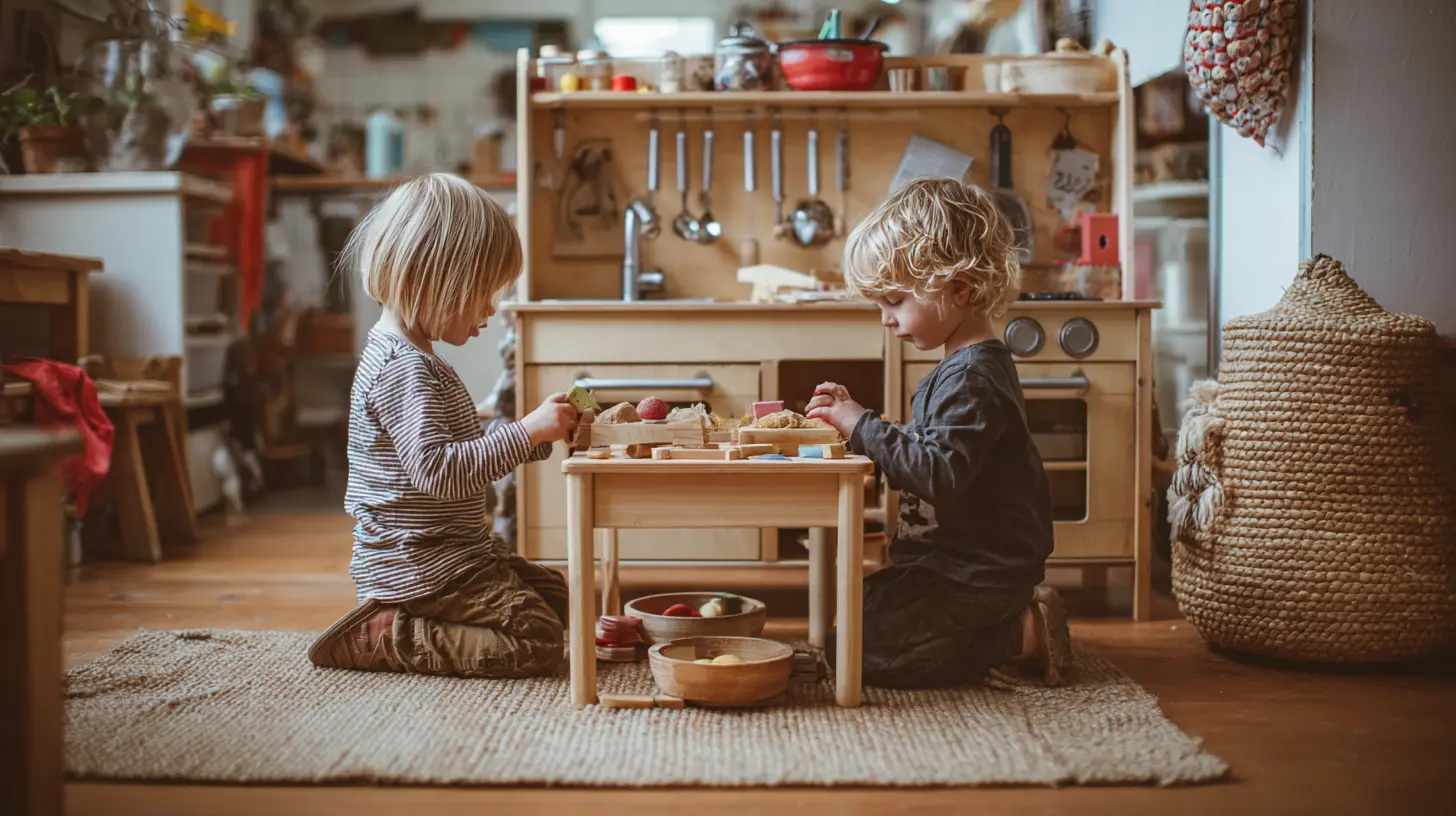
Social Skills Development
Empathy and Perspective-Taking
One of the most significant advantages of dramatic play is the opportunity it provides for children to step into someone else's shoes. This role reversal helps develop empathy and perspective-taking, crucial skills for social interactions. For instance, when a child plays a parent in an imaginary family, they gain insights into the responsibilities and emotions associated with that role.Collaboration and Teamwork
Dramatic play often involves multiple participants, necessitating cooperation and teamwork. Children practicing roles together must negotiate, share, and sometimes compromise. These interactions teach them how to work with others towards a common goal, a skill that will serve them well throughout their academic and professional lives.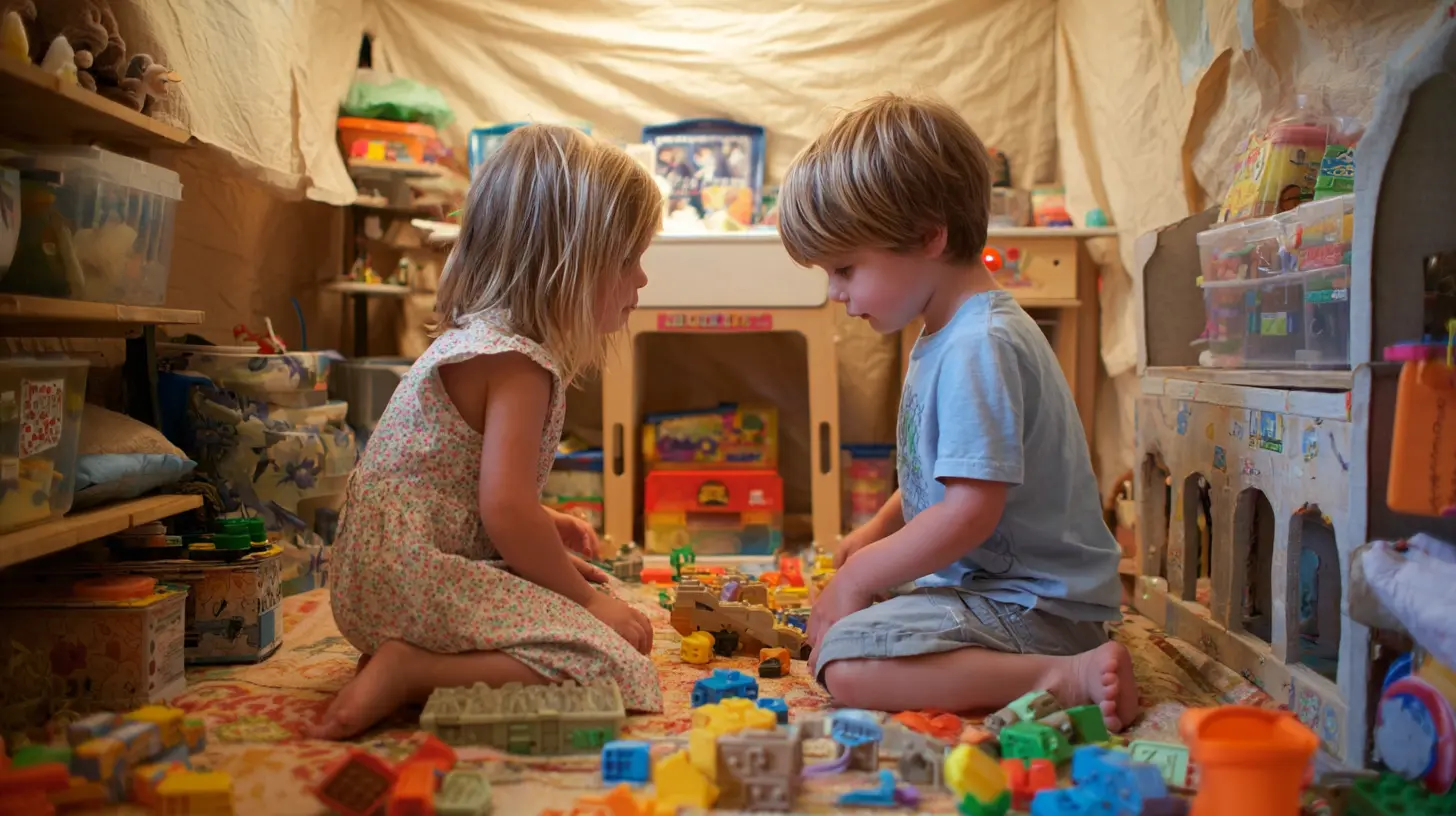
Emotional Development
Self-Regulation
Through dramatic play, children also practice self-regulation. They learn to navigate emotions and manage their impulses. For example, if a child is playing a character who is upset, they must figure out how to express that emotion in a socially acceptable way. This practice helps them understand and regulate their feelings in real-life situations.Building Confidence
Dramatic play allows children to experiment and make mistakes in a safe environment. Trying out different roles can build confidence, as children realize they can handle various situations. This newfound self-assurance can translate into the classroom, where they may feel more comfortable participating in discussions or taking risks in their learning.Real-World Examples of Dramatic Play
The Classroom Setting
Many preschool and early elementary classrooms incorporate dramatic play areas, complete with costumes and props. For example, a "veterinary clinic" themed area can allow children to role-play as veterinarians and pet owners. This setup encourages them to engage in pretend play while integrating academic concepts such as animal care, empathy, and even basic biology.Home Environments
Parents can also foster dramatic play at home. Consider setting up a "grocery store" in your kitchen with play money and items from the pantry. Your child can practice counting, budgeting, and even writing shopping lists. These activities turn everyday interactions into valuable learning experiences.
Best Practices for Encouraging Dramatic Play
Provide Open-Ended Materials
One of the best ways to encourage dramatic play is to provide open-ended materials. Instead of prepackaged toys, offer items that can be used in various ways-think cardboard boxes, fabric scraps, and everyday household items. This flexibility allows children to use their imaginations fully.Allow for Unstructured Play
While some structure is beneficial, giving children the freedom to create their own scenarios is crucial. Resist the urge to dictate the play. Instead, observe and support their ideas, stepping in only when necessary. This autonomy fosters creativity and problem-solving.Participate When Appropriate
Engaging with your child in their dramatic play can enhance the experience. However, be mindful of not taking over or overshadowing their ideas. Your role should be more of a facilitator, providing support and encouragement while allowing them to lead the play.Common Misconceptions About Dramatic Play
It's Just for Younger Children
Many believe that dramatic play is only appropriate for preschoolers. In reality, dramatic play can be beneficial for children of all ages. Even older children can engage in role-playing scenarios that encourage complex thinking and social skills. Think about theater programs where teens perform plays-this is dramatic play at its finest, enhancing their communication and collaboration skills.It Doesn't Have Academic Value
Some parents and educators may view dramatic play as a waste of time. However, the evidence supporting its academic benefits is compelling. As discussed, the skills developed during play can translate into better performance in reading, math, and social studies.It's Only About Imagination
While imagination is a key component of dramatic play, it is not the only one. Dramatic play also involves real-world skills such as negotiation, problem-solving, and emotional regulation. It is a comprehensive learning experience that combines cognitive, social, and emotional development.
Conclusion
The hidden academic benefits of dramatic play cannot be overstated. It is a vital part of childhood development that enriches cognitive, social, and emotional skills. From enhancing problem-solving abilities to fostering empathy, dramatic play lays the groundwork for future academic success. As parents, educators, and caregivers, we should embrace and encourage this type of play as an essential element of learning.By recognizing the value of dramatic play, both at home and in educational settings, we can create richer environments for our children, allowing them to flourish academically and socially. So the next time you see your child pretending to be a pirate or a princess, remember: they are not just playing; they are learning in ways that will benefit them long into the future.
all images in this post were generated using AI tools
Category:
Play Based LearningAuthor:

Steven McLain

