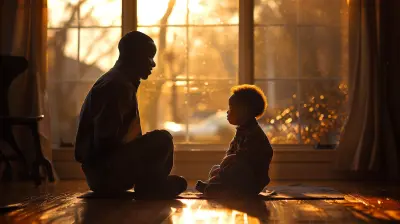
The Future of Education Lies in Play-Based Models
20 August 2026
Walk into any modern kindergarten and you will see the same scene. Children are building with blocks, pretending to run a grocery store, or drawing elaborate maps of imaginary worlds. Walk into a fifth-grade classroom and you will likely see rows of desks, worksheets, and a teacher explaining fractions to a sea of glazed-over eyes. The contrast is stark, and it reveals a fundamental problem. We know that young children learn best through play, yet we abandon that approach the moment they can read. This is a mistake, and the future of education depends on correcting it.
The shift toward play-based models is not about making school less rigorous. It is about making learning more durable, more meaningful, and more aligned with how the human brain actually works. The evidence is mounting, the pressure from parents and employers is growing, and the limitations of traditional instruction are becoming impossible to ignore. Play is not the opposite of work. It is the highest form of problem-solving, and it is time we treated it that way.
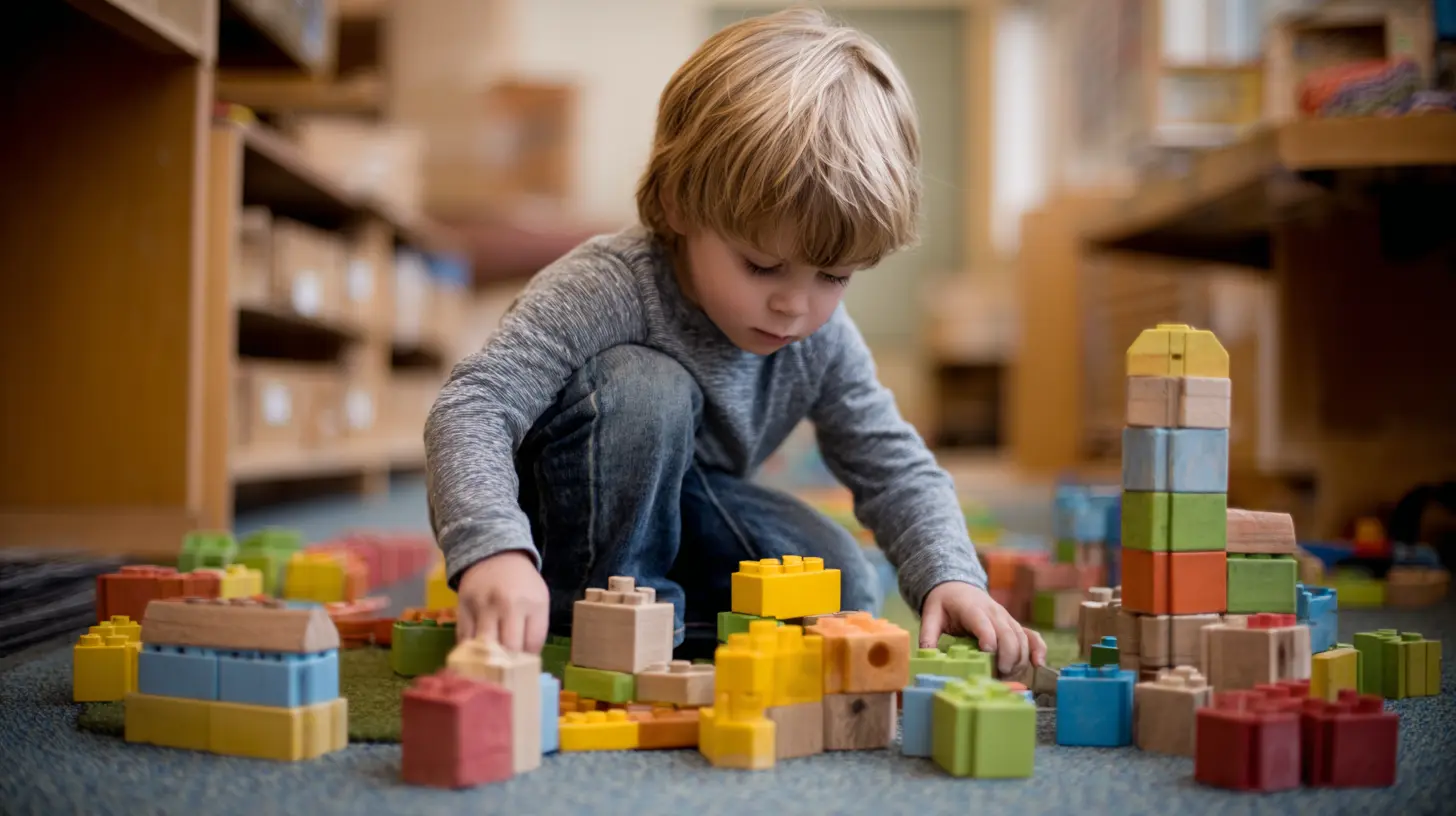
Why Traditional Instruction Is Failing Us
The current model of education is built on a factory-era assumption. Students are raw materials, teachers are assembly line workers, and the goal is to produce graduates with a standardized set of skills. Information is delivered in chunks, practiced through repetition, and tested for retention. This works fine for basic literacy and arithmetic, but it falls apart when we ask students to think critically, adapt to new situations, or generate original ideas.The problem is not that teachers are bad at their jobs. Most are working harder than ever. The problem is the underlying framework. When you prioritize coverage over understanding, you get students who can pass a test on Friday and forget everything by Monday. This is called the illusion of competence. The brain is remarkably good at short-term memorization, but it is terrible at retaining information that has no emotional anchor, no physical context, and no personal relevance.
Traditional instruction also confuses compliance with engagement. A student who sits quietly and takes notes is often praised for being a good learner. But that student may be completely disengaged. Play, by contrast, requires active participation. You cannot fake your way through a building challenge or a negotiation with a peer. You have to think, adapt, and collaborate in real time. That is why play-based learning produces deeper cognitive processing. It forces the brain to make connections rather than just store facts.
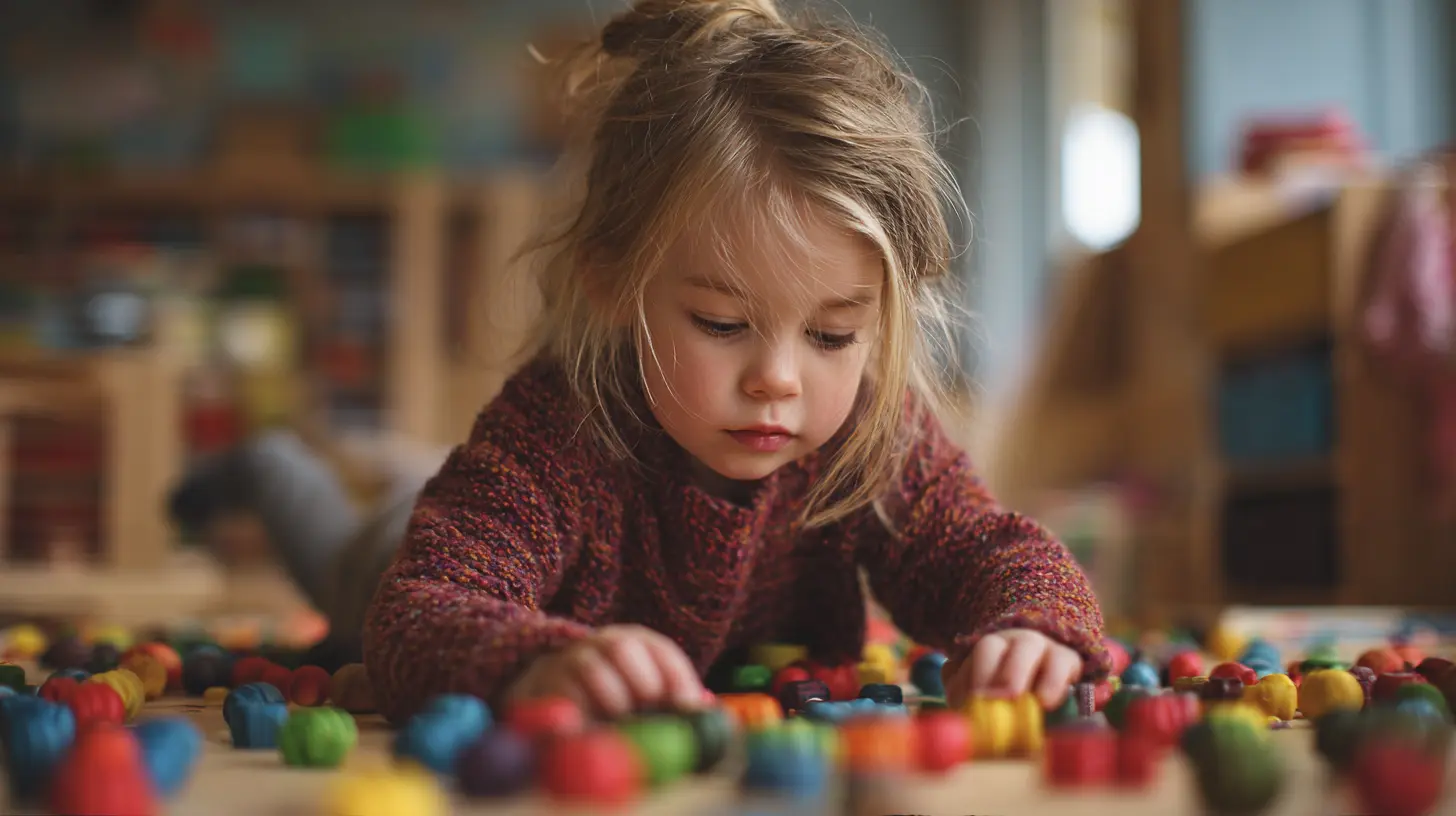
The Science Behind Play and Brain Development
Neuroscience has given us a clearer picture of why play works. When children engage in self-directed play, their brains release a cocktail of chemicals that facilitate learning. Dopamine improves attention and motivation. Endorphins reduce stress and create a sense of well-being. Oxytocin, released during cooperative play, builds trust and social bonding. These are not incidental effects. They are the biological conditions for optimal learning.The prefrontal cortex, which governs executive function, planning, and impulse control, develops rapidly during childhood. Play is one of the primary drivers of this development. When a child plans a pretend scenario, negotiates roles, and adjusts to unexpected twists, they are literally building neural pathways. This is not just about academic readiness. It is about emotional regulation, problem-solving, and resilience.
Consider the work of researchers who study "executive function" in early childhood. They have found that children who engage in complex pretend play show stronger abilities to focus, switch between tasks, and hold information in mind. These skills predict academic success better than early reading ability or IQ. The implication is clear. If we want children to succeed in school and in life, we should be spending more time on play, not less.
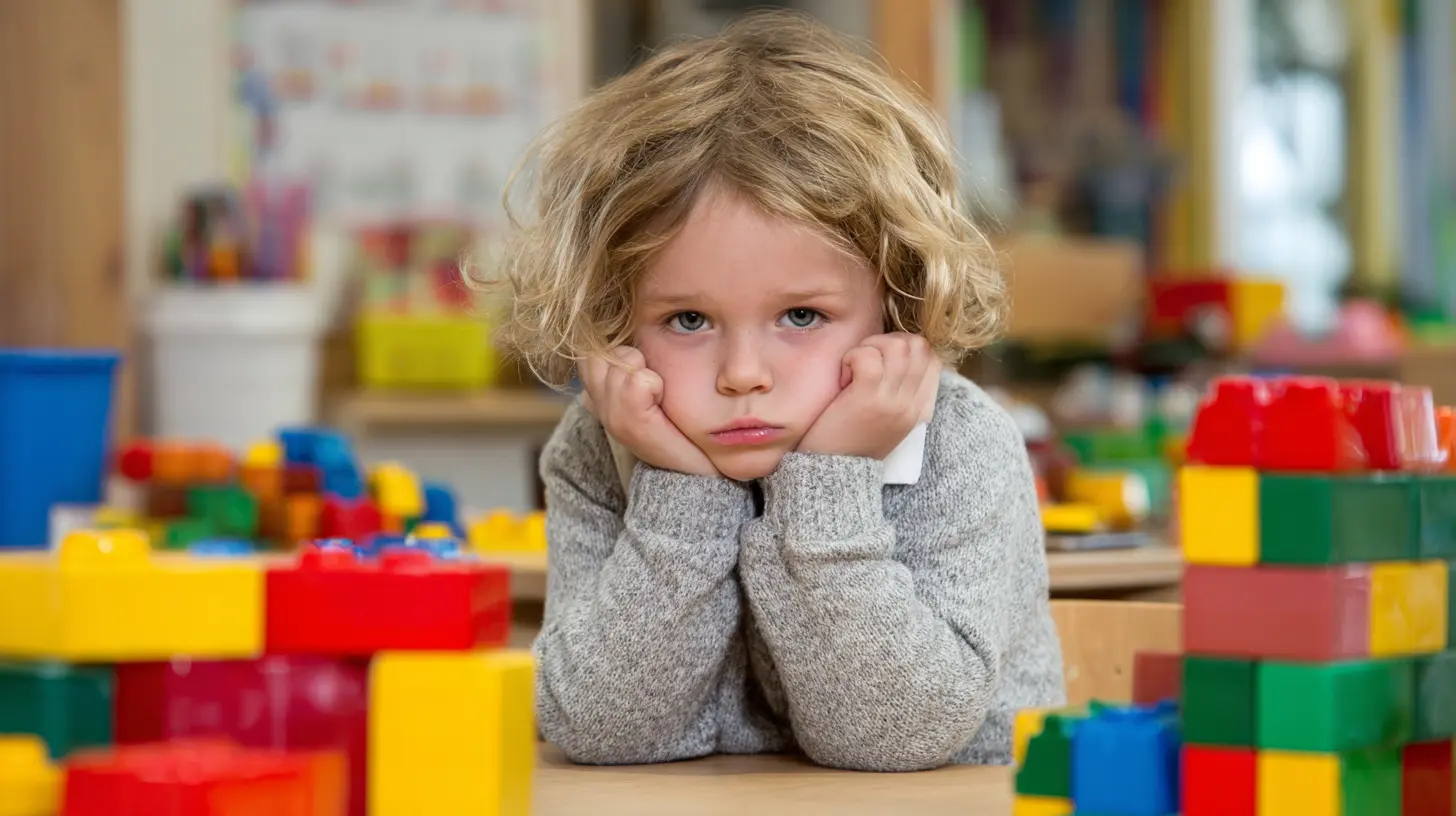
What Play-Based Learning Actually Looks Like
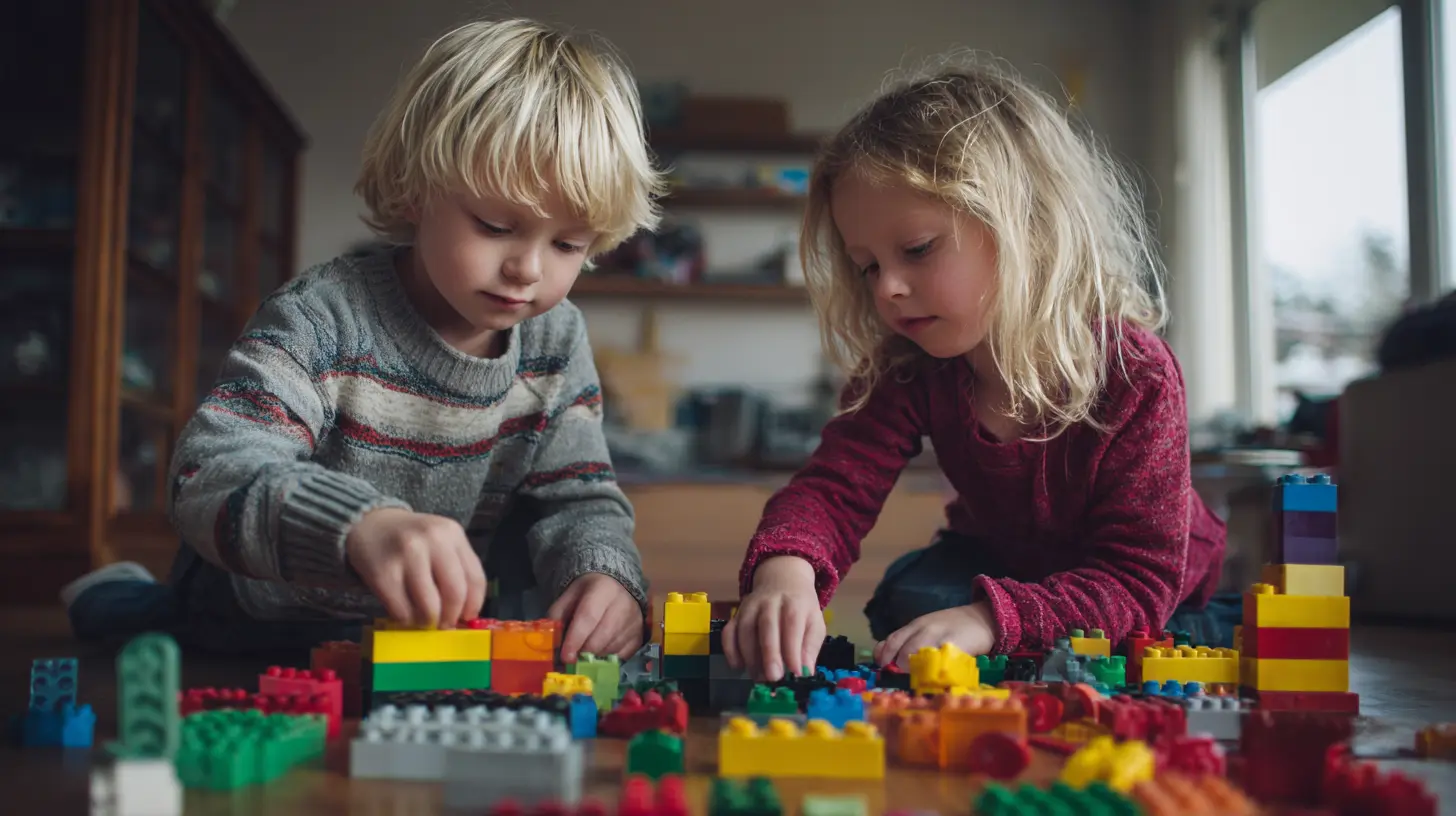
There is a common misconception that play-based learning means letting children run wild with no structure or guidance. This is false. High-quality play-based education is intentional, scaffolded, and thoughtfully designed. The teacher is not absent. The teacher is an architect of experiences, a facilitator of questions, and a coach who steps in at the right moment to extend learning.In a play-based classroom, you might see a group of six-year-olds building a bridge out of cardboard boxes. The teacher does not just let them build. She asks questions. How much weight does the bridge need to hold? What happens if we make the span wider? What materials are strongest? These questions turn a fun activity into a lesson in physics, engineering, and measurement. The children are learning, but they do not feel like they are being taught.
In the older grades, play-based models look different. A middle school science class might simulate an ecosystem where students take on roles as different species, predators, and environmental factors. They have to make decisions, face consequences, and observe outcomes. This is not a game in the trivial sense. It is a complex simulation that develops systems thinking. A high school history class might run a mock trial or a Model UN session, where students must research, argue, and negotiate. This is play with high stakes and high rigor.
The key is that play is not the absence of learning goals. It is the vehicle for achieving them. The goals are clear, but the path to them is exploratory. This is what makes play so powerful. It allows for failure without permanent consequences. In a traditional classroom, a wrong answer is a mark against you. In play, a wrong answer is just a hypothesis that did not work. You try again. This is the essence of the scientific method, and it is a far better preparation for real-world problem-solving than memorizing formulas.
The Role of the Teacher in a Play-Based Model
The biggest barrier to adopting play-based models is not the students. It is the adults. Teachers have been trained to be the source of knowledge, the authority in the room, and the manager of behavior. A play-based classroom requires a different skill set. The teacher must become a keen observer, noticing what children are curious about and where they are struggling. The teacher must ask open-ended questions that provoke thought rather than closed questions that demand a single right answer.This is harder than it sounds. It requires deep content knowledge, because you have to know enough about a subject to guide exploration without giving away the answer. It also requires a high tolerance for ambiguity. In a play-based classroom, the lesson plan is a starting point, not a script. The teacher must be ready to pivot when a child's question leads the group in an unexpected direction.
Professional development for play-based teaching is essential, yet it is often neglected. Many teachers are told to incorporate play but are given no training on how to do it effectively. The result is that they either abandon the approach or implement it poorly, which reinforces the stereotype that play is just a break from real learning. Schools that successfully adopt play-based models invest heavily in teacher training, coaching, and collaborative planning time. This is not optional. It is the foundation of the entire approach.
Addressing the Parental Fears
The most common objection to play-based learning is that it does not prepare children for the "real world" of tests and grades. Parents worry that their child will fall behind, especially in a culture that values measurable outcomes. This fear is understandable, but it is based on a false premise. The real world is not a multiple-choice test. The real world is a series of open-ended problems that require creativity, collaboration, and persistence. Play-based learning develops exactly these capacities.That said, parents deserve honest answers. Play-based models are not a magic bullet. They work best when combined with explicit instruction in foundational skills like phonics and number sense. A child who cannot decode words will struggle to read regardless of how playful the classroom is. The goal is not to replace direct teaching. It is to embed direct teaching within a richer context, so that skills are learned in service of meaningful goals.
Parents also worry about assessment. How do you measure progress in a play-based classroom? The answer is that you use different tools. Portfolios of student work, observational notes, and performance-based assessments give a much fuller picture of a child's development than a standardized test. These tools are more time-consuming for teachers, but they are also more accurate. A test tells you what a child can recall on a given day. A portfolio tells you what a child can do over time, how they approach problems, and how they have grown.
Real-World Examples of Play-Based Models in Action
Several countries have embraced play-based education at a national scale, and the results are instructive. In Finland, formal schooling does not begin until age seven. The early years are dedicated to play, social development, and physical activity. Finnish students consistently rank near the top in international assessments, and they do so with less homework and less test anxiety than their peers in other nations. The Finnish model is not perfect, but it demonstrates that delaying formal instruction does not harm academic outcomes. In fact, it may contribute to the resilience and creativity that Finnish students show later in life.In the United States, some public school districts have adopted play-based models in kindergarten and first grade, with promising results. Schools in Vermont, for example, have implemented "play-based learning" as a core instructional strategy. Teachers report higher engagement, fewer behavioral issues, and stronger language development. The challenges are real, particularly around state testing requirements, but the evidence suggests that play-based models can coexist with accountability systems when implemented thoughtfully.
There are also successful examples in private and alternative schools. Montessori and Reggio Emilia approaches have been around for decades, and both are rooted in the principles of self-directed, hands-on learning. These schools often serve affluent families, but the principles can be adapted for public schools with limited resources. The key is not expensive materials or fancy classrooms. It is a mindset shift about how learning happens.
The Trade-Offs and When Play-Based Models Are Not the Right Choice
It would be dishonest to claim that play-based models are always the best option. There are situations where direct instruction is more efficient and more appropriate. For example, when teaching a specific procedure, like how to use a microscope or how to solve a quadratic equation, explicit step-by-step guidance is often better than letting students figure it out through trial and error. Play is excellent for developing conceptual understanding and problem-solving skills, but it is less efficient for transmitting discrete facts.There is also the issue of content coverage. Play-based learning takes time. You cannot cover as much material in a year as you can with a traditional lecture-and-drill approach. This is a real trade-off. If the goal is to expose students to a wide range of topics, traditional instruction is more efficient. If the goal is to develop deep understanding and transferable skills, play-based models win. The best systems find a balance, using direct instruction for foundational knowledge and play-based projects for application and synthesis.
Another consideration is the individual child. Some children thrive in open-ended environments and become anxious without structure. Others struggle with the social demands of collaborative play. A good play-based classroom provides multiple pathways and flexible grouping, but it is not a one-size-fits-all solution. Parents and teachers should be attentive to a child's temperament and make adjustments as needed. The goal is not to force every child into a play-based model. It is to expand the range of options so that more children can find a way to engage with learning.
Common Mistakes Schools Make When Implementing Play-Based Models
Many schools have tried to incorporate play and failed. The most common mistake is treating play as a reward for finishing "real" work. When play is relegated to Friday afternoon or indoor recess, children quickly learn that it is not valued. The message is clear. Play is what you do when you are done learning. This undermines the entire philosophy.Another mistake is confusing play with free time. Simply giving children blocks and crayons without any guidance or intentional design is not play-based learning. It is just unstructured activity. The teacher must have a clear learning objective, even if the path to that objective is open-ended. Without intentionality, play becomes chaotic and shallow. The children are busy, but they are not necessarily learning.
A third mistake is ignoring the social and emotional dimensions of play. Play is not just cognitive. It is deeply relational. Children learn to negotiate, to take turns, to read social cues, and to manage conflict. These skills are as important as academic content, but they require teacher facilitation. A teacher who does not actively coach social skills is missing a critical opportunity. The best play-based classrooms are highly interactive, with adults who narrate, model, and support positive social interactions.
How Parents Can Support Play-Based Learning at Home
You do not have to wait for the school system to change. There are practical steps you can take at home to support play-based learning. The first is to prioritize unstructured time. Many children are overscheduled with sports, music lessons, and tutoring. They have no time to just play. This is a mistake. Boredom is not the enemy. It is the seed of creativity. Give your child time and space to invent their own games, build their own worlds, and solve their own problems.The second step is to join your child in play, but not as a director. Follow their lead. Ask questions. Wonder aloud. If your child is building a fort, ask what happens if it rains. If they are pretending to be a veterinarian, ask what they would do for an animal that is scared. These simple prompts extend the thinking without taking over the play. You are modeling curiosity and language, which are the building blocks of academic success.
The third step is to rethink your own attitude toward play. Many adults see play as a waste of time, especially for older children. This is a cultural bias, not a truth. Play is how humans practice being human. It is how we rehearse for adult roles, test our limits, and make sense of the world. When you value play, your child will value it too. You do not need to buy expensive toys or install a climbing wall. You just need to give permission, provide a few basic materials, and get out of the way.
The Economic and Social Case for Play-Based Education
The argument for play-based models is not just about child development. It is about the kind of society we want to build. The jobs of the future will not reward rote memorization. They will reward the ability to solve novel problems, to work with diverse teams, and to adapt to rapid change. These are exactly the skills that play develops. If we continue to educate children as if they were destined for factory work, we are setting them up for failure in an economy that no longer has factories.There is also a social justice dimension. Play-based learning is often described as a privilege of affluent families. Wealthy parents can afford to send their children to progressive schools or to provide rich play experiences at home. Low-income families, meanwhile, are pushed toward drill-and-skill programs that emphasize compliance and basic skills. This is backwards. Children from under-resourced backgrounds have the most to gain from play-based models, because these models develop the higher-order thinking skills that are the gateway to opportunity.
The evidence does not support the idea that poor children need more drilling. It supports the idea that all children need more opportunities to explore, create, and collaborate. Denying play to disadvantaged children is not a kindness. It is a form of educational inequality that perpetuates the very gaps we claim to want to close.
A Balanced Path Forward
The future of education will not be all play and no structure. That would be naive. But the pendulum has swung too far toward rigid instruction, and it needs to come back toward a more balanced approach. The goal is not to eliminate direct teaching. It is to make direct teaching serve a larger purpose. Skills are important, but they are means, not ends. The end is a child who is curious, confident, and capable of learning anything.Schools should adopt a gradual release model, where play-based exploration is the foundation in early grades and becomes more structured and content-rich as students get older. In middle and high school, project-based learning, simulations, and design challenges can provide the same benefits as play, while also meeting the demands of a more complex curriculum. This is not a radical proposal. It is a return to what we know works.
Teachers need support, not just mandates. They need time to plan, time to observe, and time to reflect. They need permission to take risks and to learn from failure. They need professional development that is as engaging as the classrooms we want them to create. This is a significant investment, but it is an investment with a clear return. Engaged students, lower dropout rates, and graduates who can actually think are worth far more than the cost of training.
Parents also have a role to play. They can advocate for play-based practices in their local schools, but they can also change their own expectations. Ask your child what they built today, not just what they scored. Celebrate a failed experiment that taught them something new. Value the process of learning over the product of a grade. These small shifts in perspective can have a profound impact on how your child views themselves as a learner.
Conclusion
The future of education lies in play-based models because play is the most natural and most powerful form of learning we have. It is not a retreat from rigor. It is a deeper form of rigor, one that engages the whole child rather than just the memory centers of the brain. We have known this intuitively for centuries, and now we have the neuroscience and the longitudinal studies to confirm it. The question is not whether play-based learning works. The question is whether we have the courage to trust it.The factory model of education has run its course. It was designed for a world that no longer exists, and it is failing the children who will inherit the world we are building. Play-based models offer a different path, one that honors the natural curiosity of children and the complexity of the human mind. It will not be easy to change course. There will be resistance, and there will be setbacks. But the future belongs to those who can imagine, create, and adapt. Those are the skills of play, and they are the skills of the future.
all images in this post were generated using AI tools
Category:
Play Based LearningAuthor:
Steven McLain
Discussion
rate this article
2 comments
Kristy Beck
Love this perspective on education! Play-based learning seems like a fantastic way to engage kids and spark their creativity. It's exciting to think about how much fun they can have while discovering the world. Here's to a bright future filled with play and exploration!
August 22, 2026 at 5:05 PM
Owyn Thompson
What secrets does play truly unlock for learning?
August 21, 2026 at 2:30 PM
Steven McLain
Play unlocks curiosity, creativity, and collaboration. It fosters a love for learning that traditional methods often miss, helping students engage deeply with concepts and think critically.