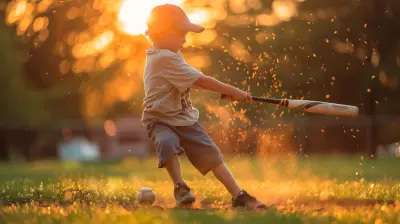
The Connection Between Physical Fitness and Academic Success in Kids
21 July 2026
Let’s be real for a second—parenting in today’s world? It’s wild. Between school runs, screen-time limits, and trying to get veggies into tiny tummies, it’s easy to overlook the link between moving those little bodies and firing up those growing brains.
But here’s the thing: physical fitness isn't just about looking or feeling good. It's deeply connected to how well kids perform in school. Yes, we're talking about better focus, improved memory, and even higher grades—all thanks to regular exercise. So let's dive into the fascinating bond between physical activity and academic success in kids. Trust me, it’s more powerful than you might think.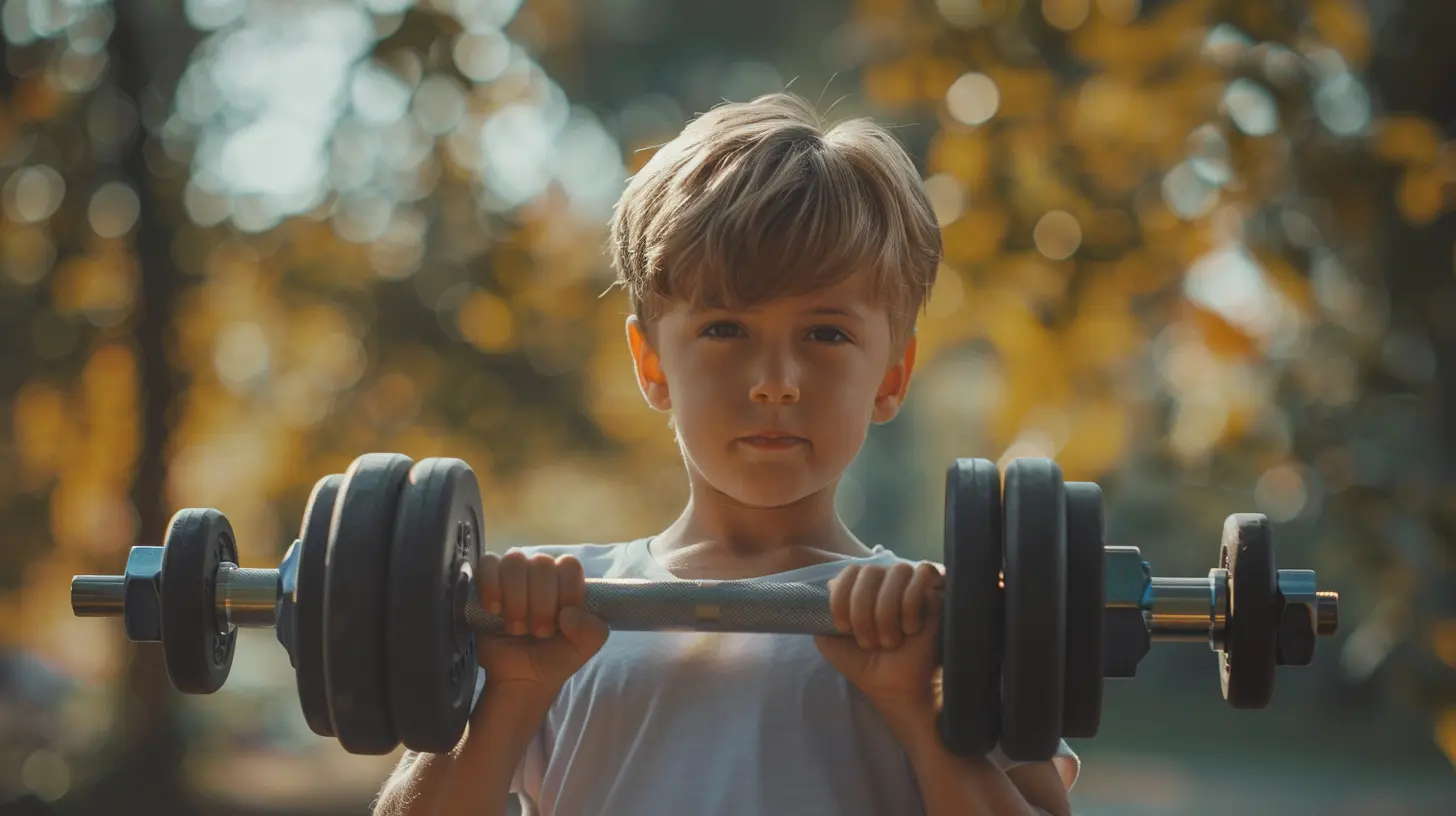
Why Should Parents Care About This Connection?
Ever watch your child try to sit through homework after a long day of screens or sitting at school? It's like asking a hummingbird to stay still—it’s not happening. But add a little physical activity into their day? Suddenly, their brain seems clearer, their energy more focused.This isn’t just coincidence. Science backs it up: when kids move their bodies, their brains follow suit.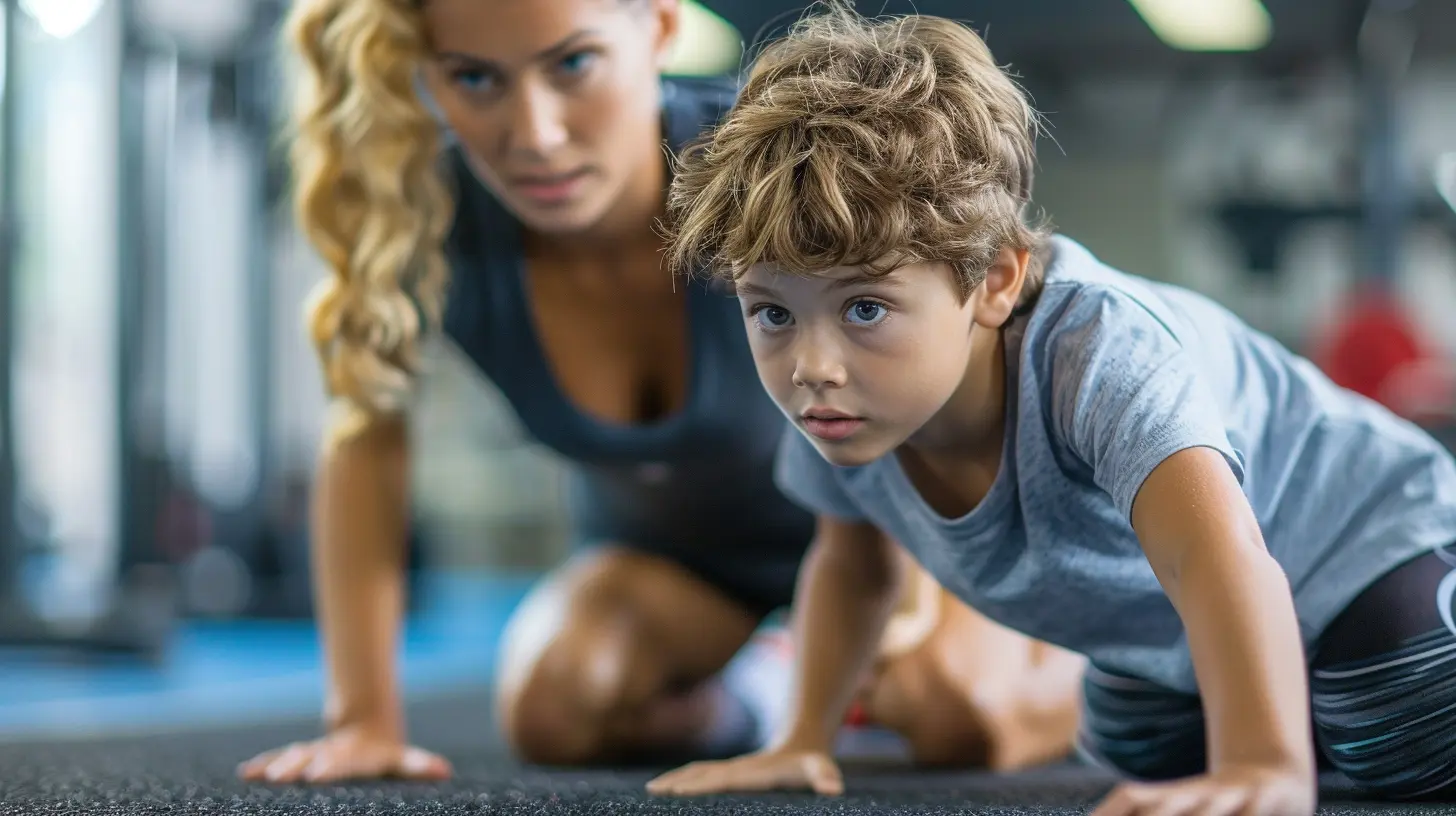
What Physical Fitness Really Means for Kids
Before we dive any deeper, let’s clear up a common misconception. Physical fitness doesn’t mean your child needs to be a mini athlete, running marathons or lifting weights. Nope.Physical fitness for kids includes:
- Daily play—they might be climbing trees, running around the backyard, or playing tag.
- Engaging in organized sports—soccer, swimming, gymnastics.
- Simple movement—like walking, biking, or even dance-offs in the living room.
The goal isn’t perfection. It’s movement. Frequent, fun, and consistent. That’s it.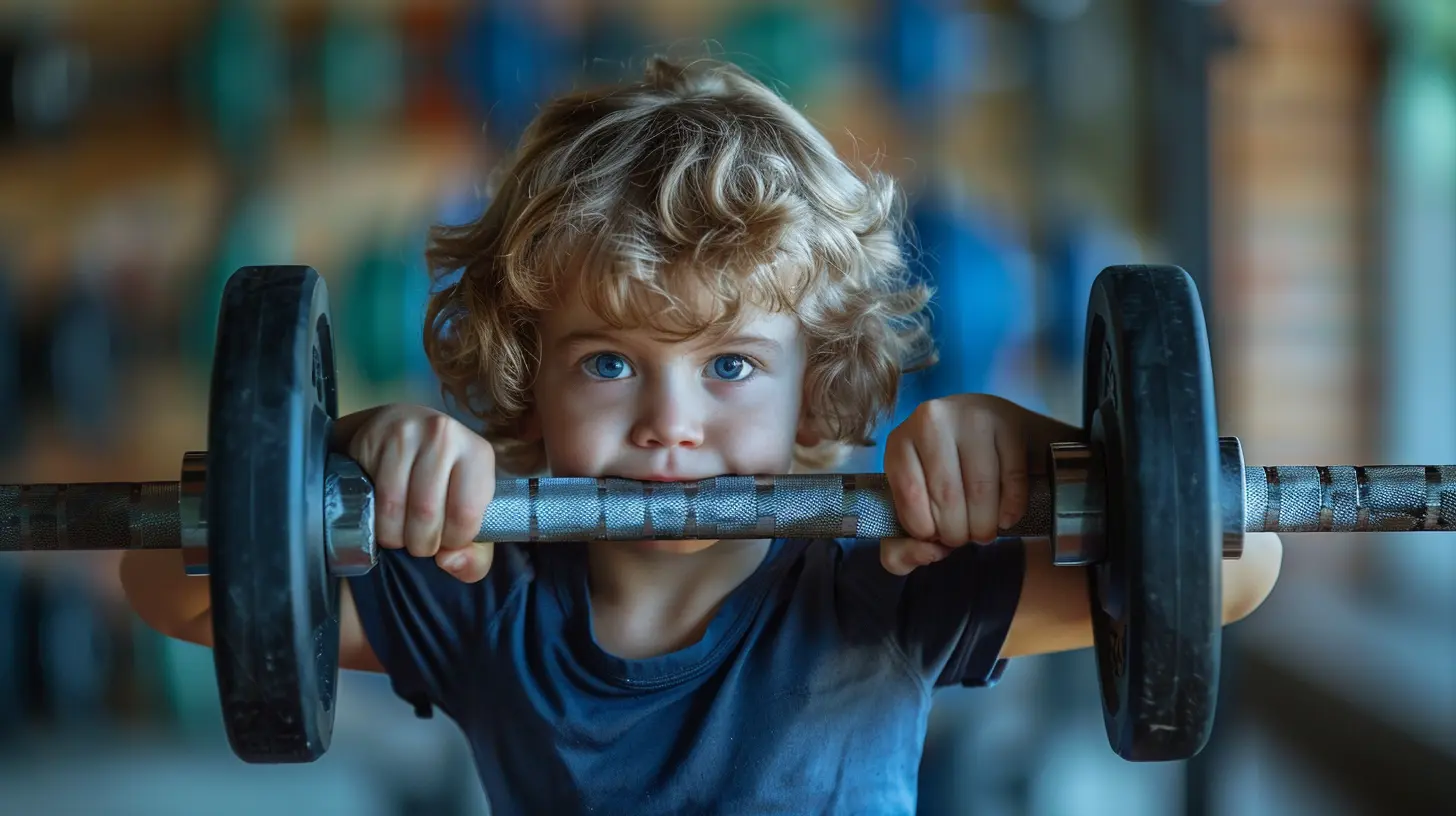
How Does Physical Activity Affect the Brain?
Here comes the science—and don’t worry, we’ll keep it fun.When kids engage in physical activity, their heart rate goes up. This increases blood flow to the brain, delivering more oxygen and nutrients. Think of it like watering a plant—without it, nothing thrives.
But it doesn’t stop there.
? Physical activity stimulates brain chemicals like:
- Dopamine: Helps with focus and learning.- Norepinephrine: Boosts attention and alertness.
- Serotonin: Elevates mood, reducing stress and anxiety.
These aren't just feel-good chemicals. They directly impact how well kids absorb and recall information. Imagine your child’s brain as a sponge—exercise keeps it soft, flexible, and ready to soak up learning.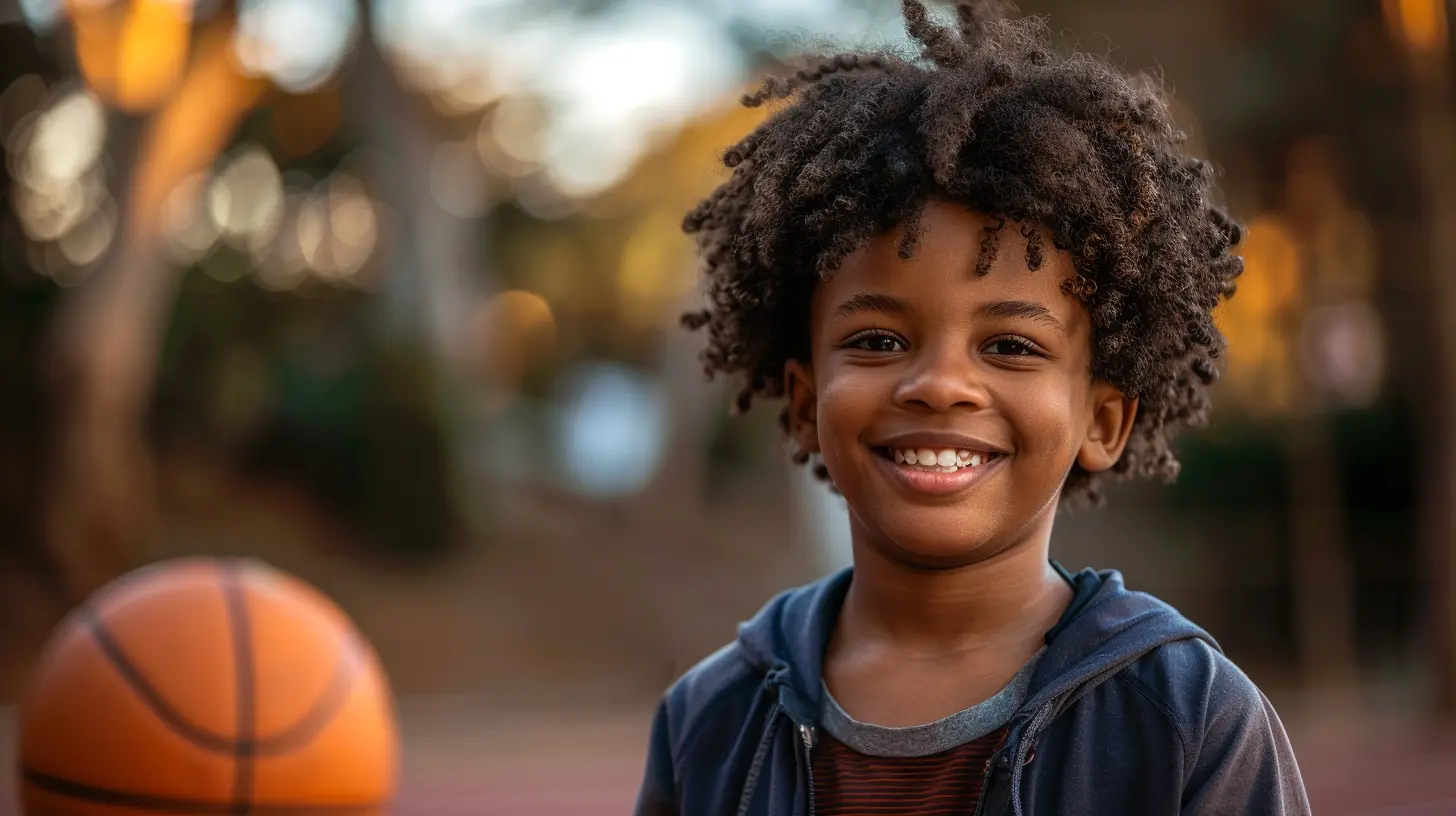
The Academic Boost: What the Research Says
Don’t just take our word for it. Here’s what studies are showing:- Improved concentration: Kids who take physical activity breaks show better focus in the classroom.
- Higher test scores: Schools that incorporate daily physical education report improved standardized test results.
- Better memory function: Cardio-based exercises like dancing or skipping rope are linked to stronger memory recall.
In one study, elementary school students who got 20 minutes of moderate exercise scored higher in reading and math. Twenty minutes! That’s a walk around the block or an after-dinner game of soccer.
Physical Activity and Emotional Regulation
Let’s talk emotions for a second. Kids don't just need focus to succeed in school—they need emotional stability and confidence too.Movement helps kids:
- Handle stress better
- Sleep more soundly
- Build resilience
- Boost self-esteem
Why does this matter? Imagine your child walking into a test feeling calm instead of anxious. Or having the confidence to raise their hand in class. These soft skills, powered by physical fitness, play a huge role in academic achievement.
Physical Fitness and Executive Function
I know, "executive function" sounds super technical. But it’s actually pretty simple.It refers to the mental skills that help us plan, focus attention, remember instructions, and juggle multiple tasks. Ring any bells? Yep—exactly the stuff kids need for school success.
Studies show that kids who exercise regularly demonstrate better executive functioning. Which means:
- They’re less likely to forget homework
- They manage their time better
- They stay on task longer
So that morning burst of energy you see when your kid runs around the house? That could be exactly what they need to buckle down and ace their spelling test.
How Much Physical Activity Do Kids Really Need?
Alright, let’s get practical. The CDC recommends:- At least 60 minutes of physical activity every day for kids aged 6 to 17.
- Most of it should be aerobic (think running, biking, swimming).
- Include muscle-strengthening (like climbing or push-ups) 3 days a week.
- Add bone-strengthening activities (jumping, hopping, skipping) 3 days a week.
But remember: it doesn’t need to happen all at once. 15 minutes here, 20 minutes there—it all adds up.
Easy Ways to Sneak Fitness into Your Kid’s Routine
You’re probably wondering, “How am I supposed to squeeze in an hour of exercise every day with our already-packed schedule?”We totally get it. But the great news? Physical activity can be simple, playful, and part of your everyday rhythm.
Here are some ideas:
- Walk or bike to school instead of driving, if it's safe to do so.
- Turn on music and start a dance party in the living room.
- Go to the park for some good ol' fashioned free play.
- Start a family challenge—who can do the most jumping jacks or hold a plank the longest?
- Sign up for local sports teams or classes—bonus: built-in social time!
The trick? Make it fun. If they love it, they’ll stick with it.
Balancing Screen Time With Movement
Let’s face it—screens are a huge part of modern childhood. And while tech has its perks (I mean, online learning and educational games can be amazing), too much sedentary time can seriously mess with both fitness and focus.Here are a few hacks:
- Create “tech-free zones” during certain hours of the day.
- Encourage active screen time—like dance apps or yoga videos for kids.
- Set a timer every 30 minutes to stretch, jump, or move.
- Model it yourself! If they see you stay active, they’re way more likely to follow.
It’s all about balance—not banning screens, but balancing them with activities that get their hearts pumping.
What Role Do Schools and Teachers Play?
Schools are where kids spend most of their day, so they’re crucial to this conversation.Some schools have embraced the power of movement and:
- Offer daily physical education classes
- Include brain breaks in between lessons
- Have standing desks or classroom yoga
- Incorporate movement into learning (e.g., acting out stories or doing math hopscotch)
As a parent, one of the best things you can do is advocate for physical activity at your child’s school. Ask about recess policies, PE schedules, and how they integrate physical wellness into academics.
Building Lifelong Habits That Support Learning
One of the most incredible parts of encouraging physical activity in childhood? You’re helping your child develop habits that’ll benefit them for life.When kids associate movement with feeling good, thinking clearly, and succeeding at school, they’re more likely to keep fitness a part of their lives as teens, college students, and even adults.
It’s not just about academic success today—it’s about empowering them with the tools to thrive tomorrow.
Final Thoughts: Minds That Move, Learn Better
Physical fitness might just be the secret sauce to boosting your child’s academic performance. It doesn’t take fancy equipment or intense training—just consistent, fun movement that gets the heart beating and the brain buzzing.Whether it's a simple game of catch, a bike ride, or a school PE class, every bit of activity counts.
So next time you’re looking for ways to help your child succeed in school, don’t just think about books and grades. Think about movement. Because when the body moves, the brain grooves—and that’s a win in any classroom.
all images in this post were generated using AI tools
Category:
Kids And SportsAuthor:

Steven McLain
Discussion
rate this article
1 comments
Bellamy Frank
This article highlights an important connection between physical fitness and academic success. Encouraging kids to stay active can boost their focus and performance in school. Great insights!
July 31, 2026 at 3:49 AM
Steven McLain
Thank you for your thoughtful comment! I'm glad you found the connection between fitness and academic success valuable. Encouraging kids to stay active truly makes a difference.