The Benefits of Family Game Night (and How to Keep It Fun)
15 February 2026
Let’s be real: life is busy. Between school pickups, work deadlines, dinner prep (or let’s be honest...takeout), and the occasional laundry mountain threatening to become a small country, it’s easy to feel like our families are ships passing in the night. But what if I told you that something as simple as a board game could bring your family closer, improve communication, and even boost brainpower? Yep, it’s true—and it’s called Family Game Night.
Before you roll your eyes and return to doom-scrolling, stick with me. Whether you're a Monopoly mastermind, a Jenga genius, or still recovering from the trauma of losing at Uno to your 8-year-old, this article is here to show you why Family Game Night = pure magic—and how to keep it from turning into a boredom-fueled cage match of epic proportions.
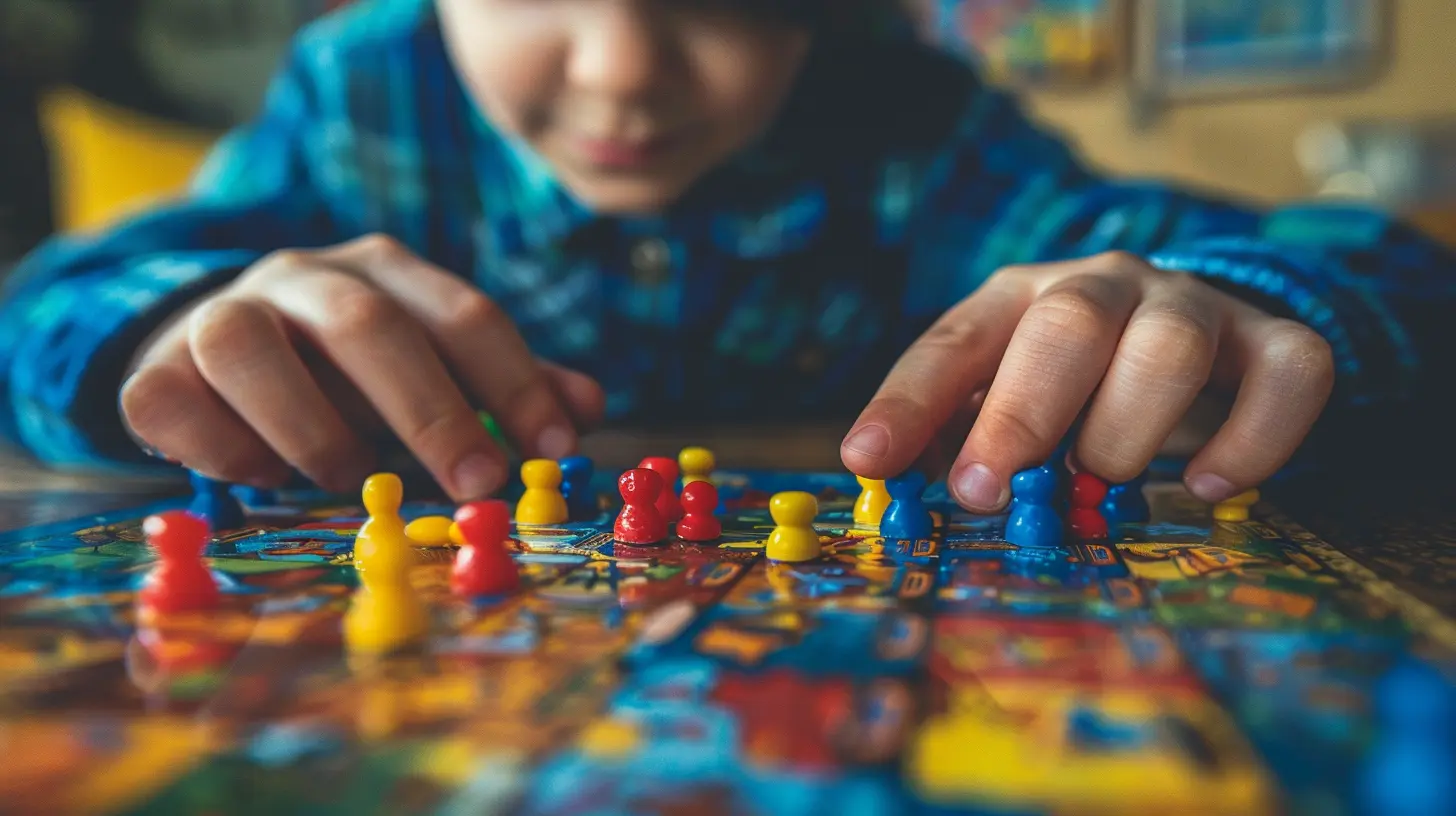
Why Family Game Night Deserves a Standing Ovation
1. It's Quality Time—Minus the Screen Time
Let’s face it. Our devices are basically glued to our hands. Whether it's kids scrolling TikTok, teens glued to gaming consoles, or us adults accidentally watching 47 cat videos on Instagram—screen time is real. Family game night is like your tech detox with a twist of giggles and competitive side-eyes.Game night gives you a reason to sit down together and actually, you know, talk. Not text. Not send memes. Just talk.
2. Builds Stronger Family Bonds (Even When Someone Flips the Board)
There’s something about collective laughter and inside jokes that glues a family together. Maybe it’s the way Dad always mispronounces “Catan,” or how your toddler insists that Go Fish is actually about actual fish. These small moments become the memories you’ll all cherish—and laugh about for years.Sure, someone may sulk after losing five rounds in a row (cough Uncle Joe cough), but even those moments provide a chance to model sportsmanship and resilience. Who knew Candy Land could be so deep?
3. Teaches Life Skills Without a Lecture
Think about it—games are sneaky teachers in disguise. Kids hone their problem-solving skills, learn to take turns, practice patience, and develop grit. They also learn about rules, strategy, and probability. (Looking at you, Yahtzee.)Even the youngest players are picking up math, spelling, or even geography without realizing it. It’s basically homeschooling without the dramatic groans.
4. Encourages Healthy Competition
Competition isn't always bad. In fact, game night can teach kids (and adults!) how to win with grace and lose with dignity. That’s a big deal in a world where participation trophies sometimes overshadow persistence.And let’s not forget that sweet, sweet rush when you finally beat your older sibling at Clue. That’s the stuff personal growth—and family legends—are made of.
5. It’s Affordable Fun—No Theme Park Prices Required
You don’t have to drop $500 on a family outing. Most games cost less than a single movie night with popcorn. And once you own a few, the laughs are endless and free. Plus, who needs overpriced entertainment when you can watch Grandma crush everyone in Scrabble?
How to Keep Family Game Night From Turning Into Family Fight Night
Let’s be real—game night can go south fast. One second you’re laughing, the next someone is hiding the dice in protest. But fear not, game-loving warrior! Here’s how to keep things fun, fresh, and free from drama.1. Choose Games That Fit Your Family Vibe
Not all games are created equal. You’ve gotta know your audience. Got little ones? Go for simple, colorful games like Zingo or Memory. Teenagers? Try strategy-heavy games like Codenames or Exploding Kittens (yes, it’s a thing—and it's hilarious). Want to get everyone involved and laughing? Pictionary or charades is your jam.Tip: Rotate who picks the game each week. It avoids the dreaded “I don’t wanna play that!” meltdown.
2. Set Clear Rules—And Stick To Them (Mostly)
Nobody likes a rule-bender (unless it’s a creative twist everyone agrees on). Before the game begins, do a quick rundown of the rules. It avoids confusion and tantrums later.Bonus move? Let kids be the referees from time to time. It gives them a sense of control—and teaches them about fairness and boundaries.
3. Keep Snacks Flowing—Always
Name one game night that wasn’t improved by snacks. I dare you. Chips, popcorn, cookies, even a DIY sundae bar—snacks are the fuel that keep moods happy and players focused.Pro tip: Avoid sticky or super-messy foods that might turn “game night” into “laundry day.”
4. Ditch the Perfection—Embrace the Chaos
Game pieces will get lost. Someone will throw a mini tantrum. There will be bickering. And that’s okay. The magic is in the mess. Family game night doesn’t have to be Pinterest-perfect—just real, consistent, and full of heart.5. Create Traditions and Keep It Sacred
Make it a weekly thing. Light a candle. Bust out a special Game Night playlist. Let one family member be the “Game Night Captain” each week. The more ritualistic it feels, the more everyone will look forward to it—and miss it when it doesn’t happen.6. Mix It Up With DIY Games
Feeling burned out on boxed games? Create your own! Try trivia based on your own family’s history. Or make a scavenger hunt around the house. Ever tried “Reverse Charades” where one person guesses while everyone else acts out? It’s like herding cats but 300% more fun.7. End on a High Note
Here's a trick from seasoned parents: if one game night ends in frustration, kids remember that next time. Try to wrap things up while everyone’s still having fun—even if it means stopping mid-game. Leave 'em wanting more.End with a group cheer, a silly handshake, or even a corny “See ya, board warriors!” chant. It sounds goofy, but those little rituals matter more than you think.
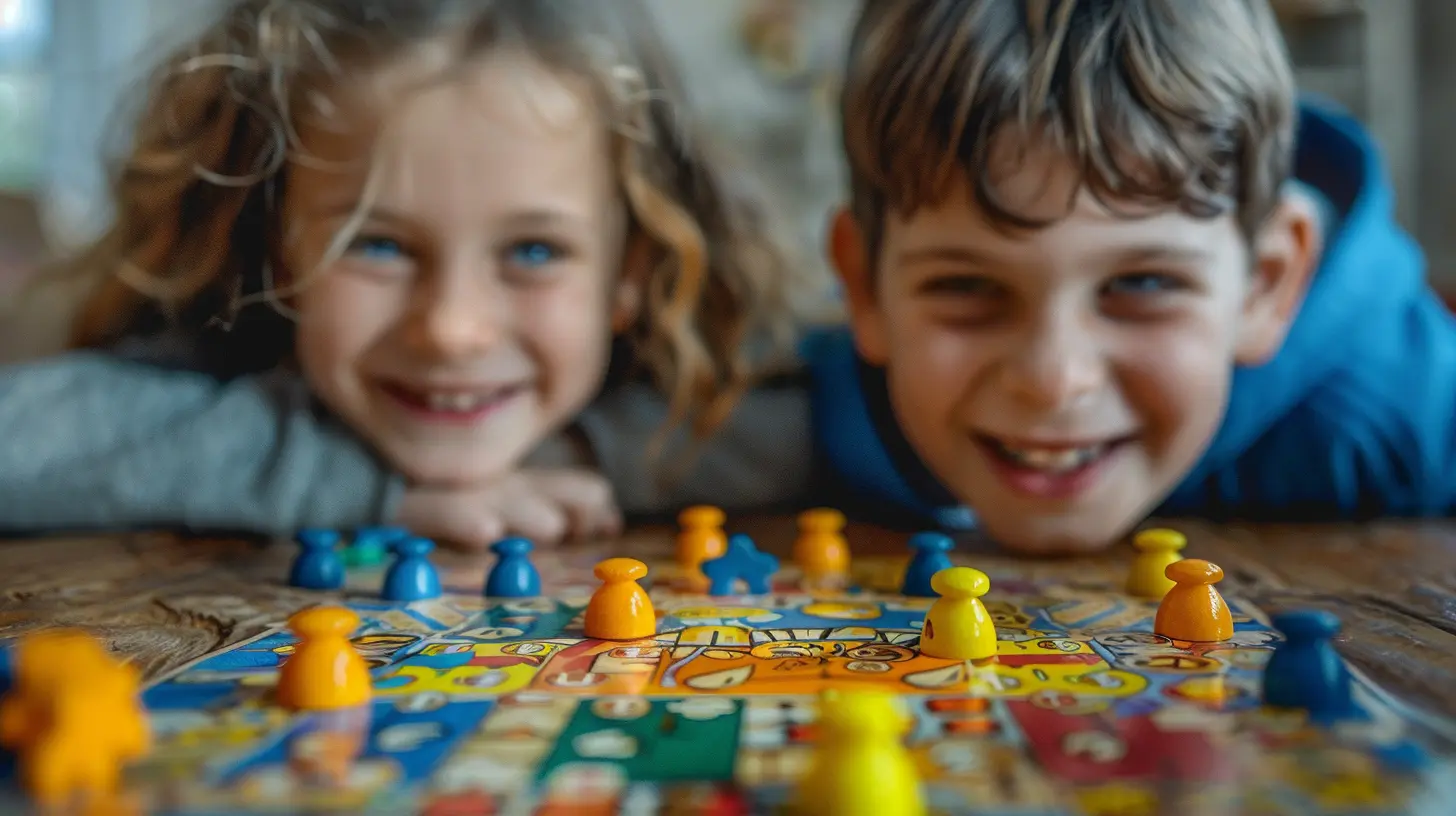
Best Games to Try—Parent-Approved and Kid-Tested
Looking for some inspiration for your next epic showdown? Here’s a quick cheat sheet by age group:Preschool & Early Elementary
- Candy Land (aka the golden standard of toddler tantrums)- Don't Break the Ice
- Zingo!
- Hungry Hungry Hippos
- Outfoxed!
Tweens & Teens
- Uno (Reverse cards = household power plays)- Clue
- Tenzi (fast and furious dice action)
- Codenames
- Apples to Apples
All Ages (Yes, Even Grandma)
- Pictionary- Jenga
- Headbanz
- Monopoly Deal (way shorter than the OG version—thank heavens)
- Exploding Kittens
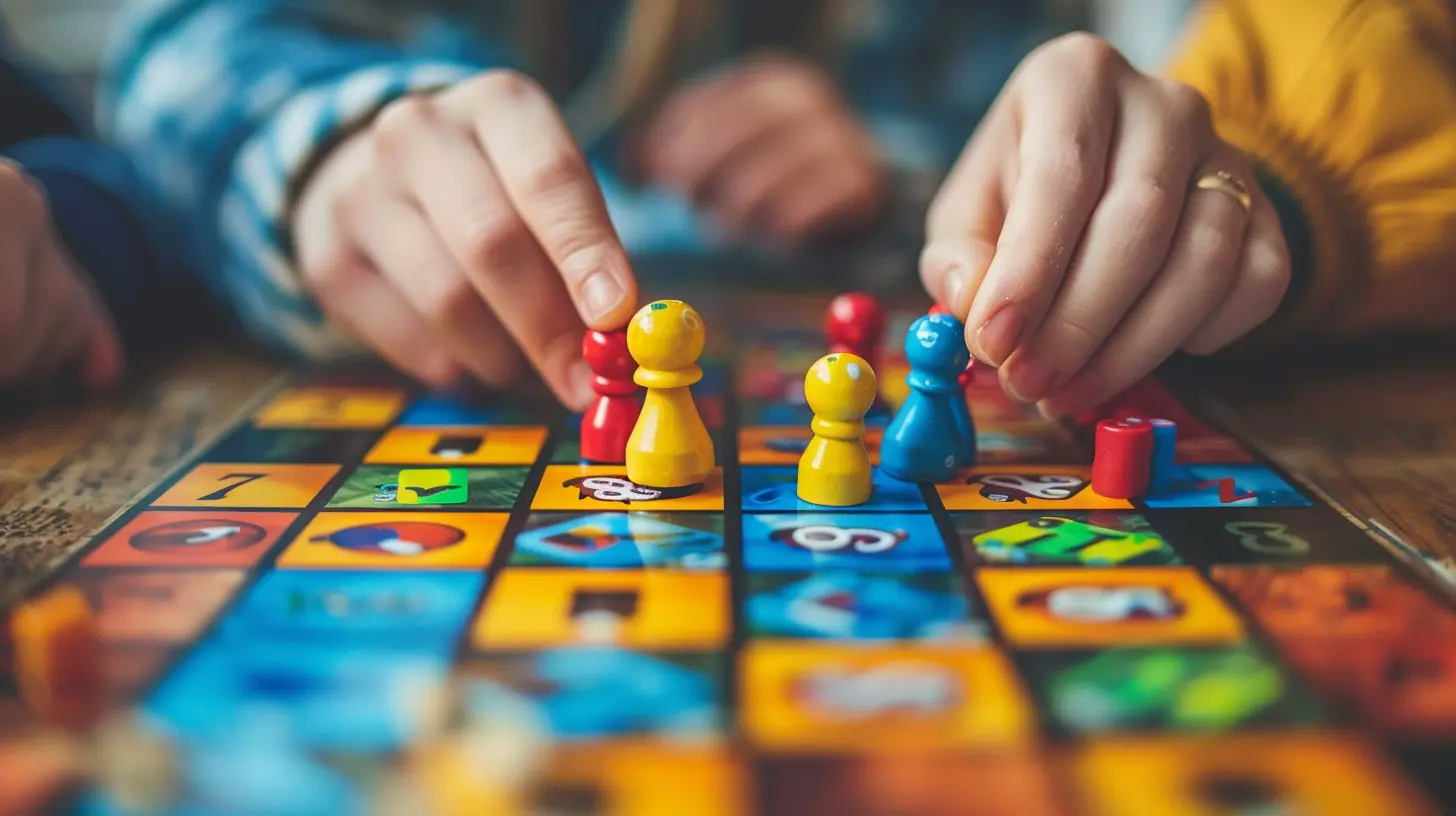
Not a “Game Family”? Start Small
If the idea of game night feels like trying to herd kangaroos in your living room—don’t stress. Start once a month. Pick short games. Laugh a lot. Let the kids beat you sometimes. Or let them teach YOU a new game. (Be prepared to feel ancient when they introduce Roblox-themed card games.)The point isn’t to be perfect. It’s to show up. Together.
Final Thoughts: Game On!
Here’s the real secret sauce behind family game night—it’s not about the games. It’s about presence. Togetherness. And the kind of laughter that makes your stomach hurt in the best way. It’s about pressing pause on the wild chaos of life and saying, “Hey, let’s just be a family tonight.”So next Friday night, instead of vegging out on the couch and fighting over which Netflix show to binge, grab that dusty box of Trouble or try something new. You might just find that those little game tokens and plastic dice are the tools that stitch a family closer together—one roll at a time.
Game on, fam.
all images in this post were generated using AI tools
Category:
Family LifeAuthor:

Steven McLain
Discussion
rate this article
2 comments
Harrison McPhee
Family game nights foster connection and communication, strengthening relationships through shared experiences. To maintain engagement, rotate game choices and encourage friendly competition, ensuring everyone feels included. Prioritizing fun can transform these nights into cherished memories.
February 25, 2026 at 5:48 PM
Steven McLain
Thank you for your insightful comment! I completely agree—rotating games and encouraging friendly competition are great ways to enhance connection and create lasting memories during family game nights.
Ryder Gutierrez
Because nothing says family bonding like Monopoly!
February 20, 2026 at 4:44 AM
Steven McLain
Absolutely! Monopoly is a classic that sparks both strategy and laughter. It can definitely bring the family together... if you can handle the competition!