Techniques to Ease Your Child’s Fear of Water
16 May 2026
Let’s be honest. Watching your little one panic at the sight of a swimming pool or scream during bath time can break your heart—and your eardrums. Water anxiety in children isn’t uncommon, but that doesn’t make it any less frustrating for parents. You may feel helpless, confused, or even a little annoyed (and that’s totally okay to admit). But the truth is, with patience, empathy, and a few clever strategies, you can help your child overcome their fear of water—and maybe even start to love it.
Let me walk you through some tried-and-true techniques that real parents like you can actually apply. No magic wands or fairy dust—just simple, human ways to turn those tears into giggles and splashes.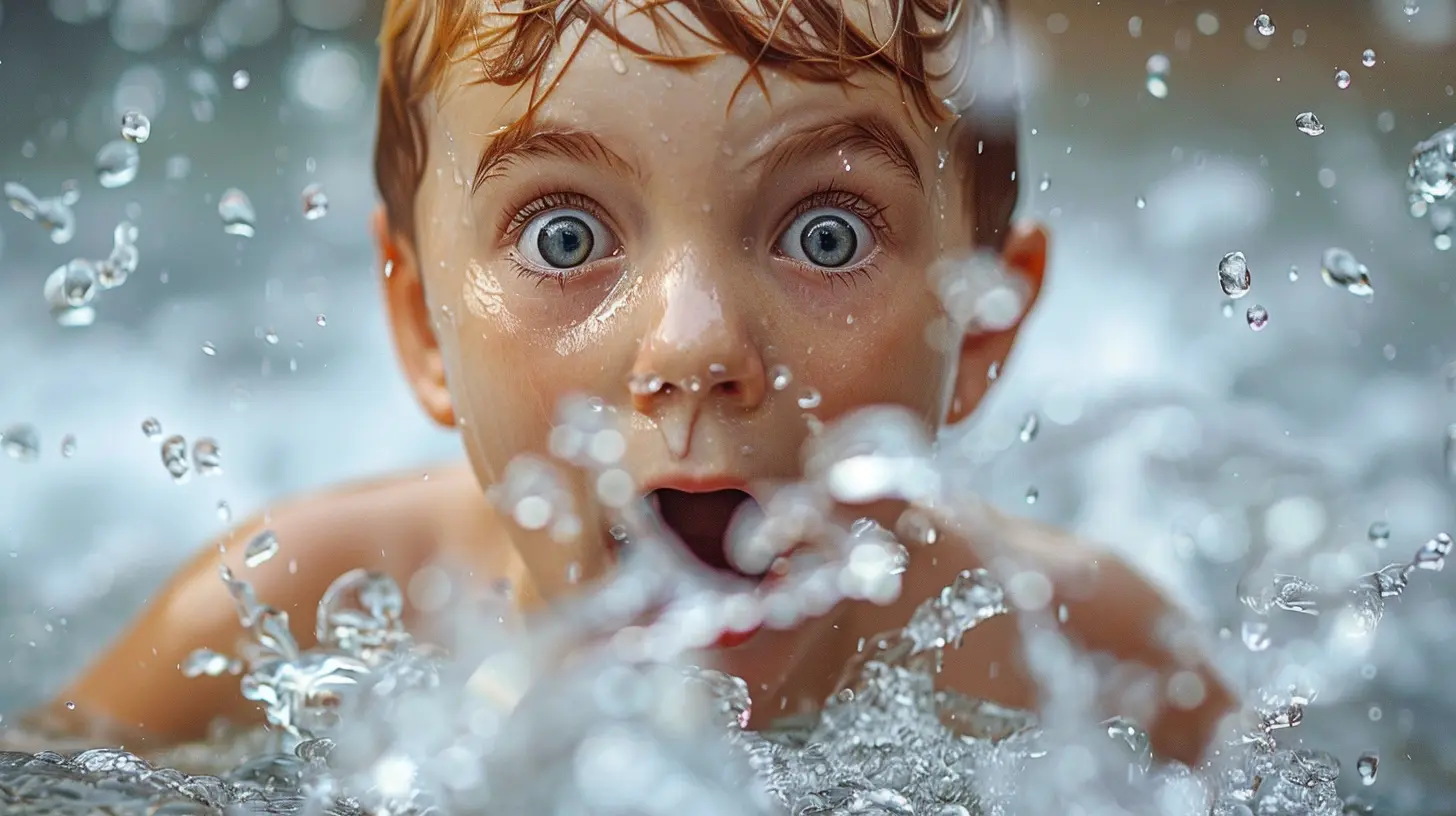
Why Are Kids Afraid of Water in the First Place?
Before diving into solutions, let's understand the problem. Kids aren’t born scared of water. In fact, babies often love it—remember those cute little kicks during baby swim classes?Fears usually develop when something triggers them. It could be a single scary experience—like slipping in the tub, water going up their nose, or getting their face wet without warning. Or it could stem from sensory sensitivities, lack of control, or even hearing someone else talk about drowning or water danger.
So first things first: your child’s fear isn’t irrational. It’s real to them. And if we want to help, we need to start by acknowledging that.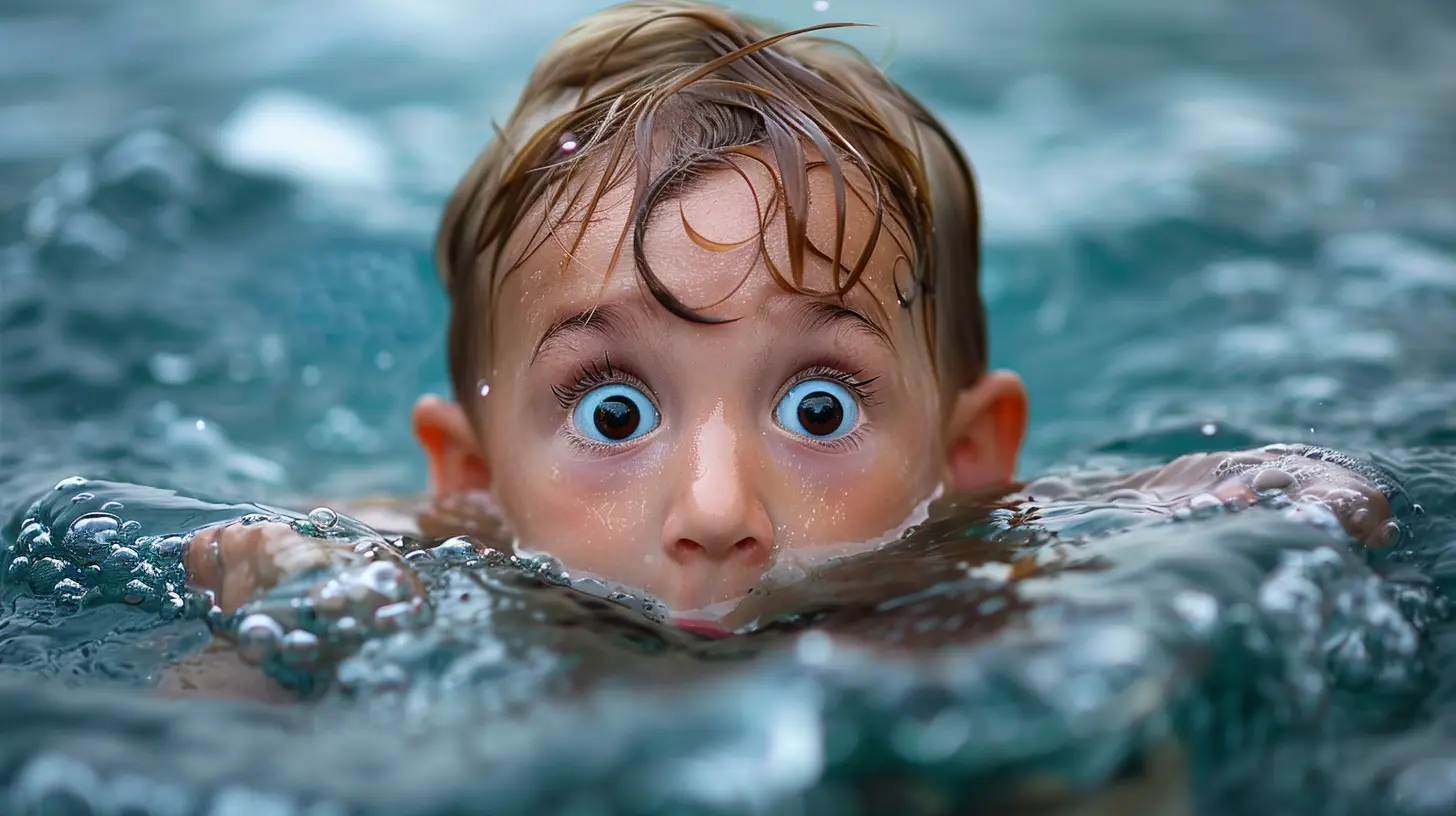
1. Start Slow and Stay Calm
Water anxiety doesn’t go away overnight. Think of it like peeling an onion—you deal with it layer by layer.Instead of pushing your child into the pool or signing them up for lessons right away, start small. Maybe it’s letting them splash with their hands at the sink. Or have them dip their feet into a baby pool in the backyard.
And here’s the golden rule: never force it. If they say “no,” respect it. You’re building trust here, and that takes time.
Quick Tip:
Your calmness is contagious. If you act anxious or impatient, they’ll pick up on it. But if you treat water like it’s no big deal, chances are, they’ll start to feel the same.
2. Make Water Play a Regular Thing
Kids learn best through play. So instead of making water this big scary event, turn it into something they can enjoy daily—without pressure.- Bath time? Turn it into splash time.
- Kitchen sink? Bring out cups, spoons, and some floating toys.
- Sprinkler in the yard? Let them run through it with clothes on if that feels safer.
The idea here is to build positive associations with water. The more they laugh, the less they fear.
Pro Tip:
Let them take the lead. If they just want to watch water run or stir it with a spoon, that’s cool. Every step forward counts.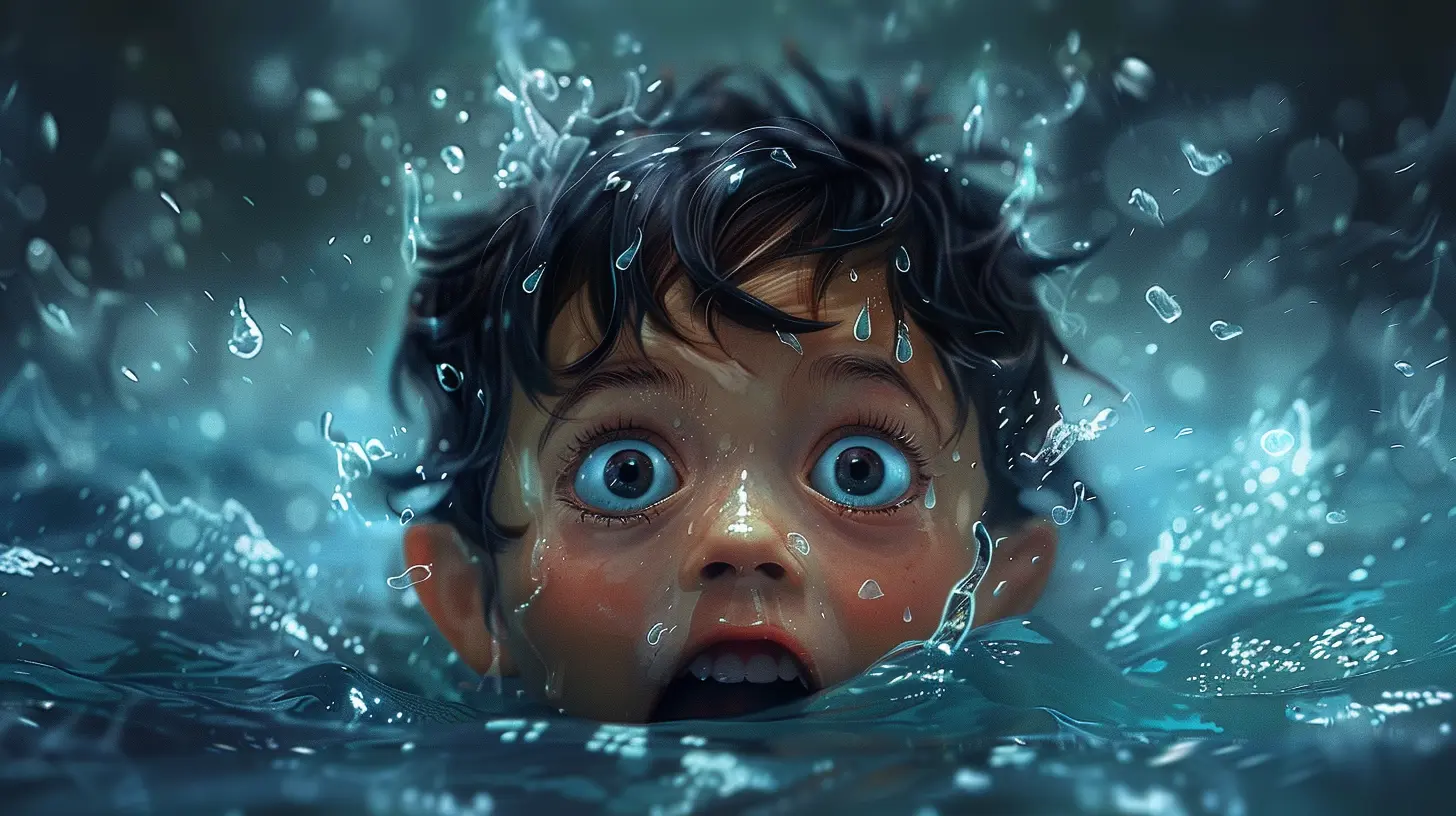
3. Use Water Toys to Break the Ice
We all know toys are magical. So why not use that magic to ease water anxiety?Here are a few crowd-pleasers:
- Bath crayons for drawing in the tub
- Floating animals or characters they love
- Color-changing drops (turn bathwater blue—instant fun!)
- Water squirters (bonus: they’ll feel more in control)
Toys act as a distraction, but they also help normalize the water. Plus, they make the experience less about “facing a fear” and more about “having fun.”
4. Try "Dry Runs" Before Bath Time or Swim Lessons
Ever heard the saying practice makes progress? You can apply that here—literally.Before hopping into the real deal, do some “dry runs” where your child gets to explore the bathing or swimming setup without any pressure to get wet.
Walk around the pool. Let them feel the temperature with their hands. Sit on the edge and talk about how the water looks or sounds.
For bath time, maybe they sit in an empty tub first or pour water from a cup outside the tub.
These small wins build comfort—and momentum.
5. Tell Water Stories and Play Pretend
Imagination is your biggest ally. Kids LOVE stories, especially when they’re the heroes.Make up tales where your child is a brave sea explorer, a mighty mermaid, or a pirate who sails the seven bathtubs. Bonus points if you act it out with them.
Pretend play reduces fear because it turns the unknown into something they can control. It’s not just water anymore—it’s an ocean adventure, and they’re the captain.
6. Validate Their Feelings (No Matter How Small)
Now, this one’s huge. It’s tempting to say “Don’t be scared” or “There’s nothing to worry about.” You mean well—but those phrases can sometimes backfire.Instead, try something like:
- “I see that you’re nervous, and that’s okay.”
- “Getting water in your eyes doesn’t feel good, huh?”
- “It’s alright to feel scared. Want to try just one splash today?”
When kids feel heard, they’re more likely to trust you. And trust leads to progress.
7. Use Gradual Exposure
This is where psychology meets parenting. Gradual exposure is all about taking baby steps—literally.Here’s a basic 5-step exposure plan you can tweak:
1. Sit near the water (no touching)
2. Touch water with feet or hands
3. Stand in shallow water
4. Splash or pour water on shoulders
5. Try submerging mouth, nose, or eventually face
Each stage is a mini victory. Celebrate them—even if it’s just a toe in the pool.
8. Play Music or Sing to Create a Soothing Routine
Music can be a game-changer when it comes to calming nerves. Kids connect to rhythm and repetition—it helps them know what to expect.Try singing a bath-time song every night. Or play some fun, upbeat music during pool days. Make it part of the routine so water time becomes something predictable, not scary.
Bonus: If you hum or sing with them, it shows you’re relaxed too.
9. Choose the Right Instructor (If Taking Swim Lessons)
When you’re ready for swim lessons, don’t just pick the nearest location. Look for instructors who specialize in fearful beginners, especially young kids.Ask around, read reviews, or even attend a class before enrolling your child. The right teacher can make all the difference.
A gentle, patient swim coach who focuses on fun before form will ease your child's fear way faster than someone who takes a tough-love approach.
10. Don’t Compare Your Child to Others
This one’s hard but important.Every kid has their own timeline. Some are swimming like fish at 2, others need until 6 or 7 to feel confident in water. And that’s okay.
Don’t compare your child to your neighbor’s or your niece’s or even your older child. That will only make you (and them) feel inadequate. This isn’t a race—it’s a journey. One splash at a time.
11. Celebrate Every Win—Big or Small
No matter how slow the progress feels, recognize it. Did they dip their fingers in the water today? That’s a win. Did they sit near the tub without screaming? HUGE deal.Your child needs to feel proud of their progress. So do you. These little milestones are signs that fear is shrinking, and confidence is growing.
Consider a water progress chart, rewards, or just good old-fashioned high fives.
12. Know When to Seek Outside Help
Sometimes, despite all your efforts, the fear persists. That doesn't make you a bad parent. Not at all.If your child’s fear is intense, long-lasting, or interfering with daily life (like refusing to bathe or having panic attacks), it may be time to loop in a professional. A pediatric therapist who specializes in phobias can help uncover the root of the fear and create a plan tailored to your child.
Think of it as giving your child more tools in their coping toolbox.
Bottom Line: Be the Lifeguard of Their Emotions
Helping your child overcome a fear of water isn’t just about teaching them to swim. It’s about building trust, confidence, and resilience.So be patient. Be kind. Be silly. Splash a little. Sing a little. And when they finally dunk their head under the water and come up beaming? That joy will make every small struggle worth it.
You’ve got this. And more importantly—they do too.
all images in this post were generated using AI tools
Category:
Dealing With FearsAuthor:

Steven McLain
Discussion
rate this article
2 comments
Emmett Harris
Every child can learn to love the water with patience and support. Celebrate small victories along the way, and remember that a positive approach can turn fear into joy. Enjoy the journey together!
July 13, 2026 at 4:42 PM
Steven McLain
Absolutely! Positive reinforcement and celebrating progress can make all the difference. Enjoying the journey together is key.
Marigold Ellison
Just tell your kid that mermaids are really just misunderstood fish with great swimming skills. If that doesn't work, consider a water dance party in the backyard. Nothing says "fun" like splashing around to their favorite tunes while dodging the garden hose! Water fears? What water fears?
May 23, 2026 at 3:55 AM
Steven McLain
Love the idea of a water dance party! Turning fear into fun could be just the trick. Kids often need a playful approach to conquer their worries.