Teaching Your Child to Set Goals in Sports
20 May 2026
Ever watched your kid chase after a soccer ball like it’s the last cookie on Earth? You see the passion, the energy—the fire. But how do you turn that raw energy into real progress? Into something tangible they can work toward? That’s where goal-setting comes in.
Goal-setting in sports isn’t just for elite athletes or high school kids aiming for scouts. It's something that even the youngest players can benefit from—mentally, emotionally, and physically.
So, let’s dig into why teaching your child to set goals in sports could be one of the most valuable lessons you’ll ever give them.
Why Goal-Setting in Sports Matters (Even for Kids)
Think of sports goals like a GPS for your child’s athletic journey. Without one, they’re just running in circles—literally. But with goals? They have a direction, a purpose, and something to strive for.Goals teach kids more than just how to play the game better. They teach discipline, persistence, focus, and most importantly, self-belief.
Still wondering if it’s worth it? Here’s the kicker: Kids who learn to set and chase goals early are more likely to carry that skill into school, relationships, and eventually into their careers. We're not just building athletes here—we're building life-long achievers.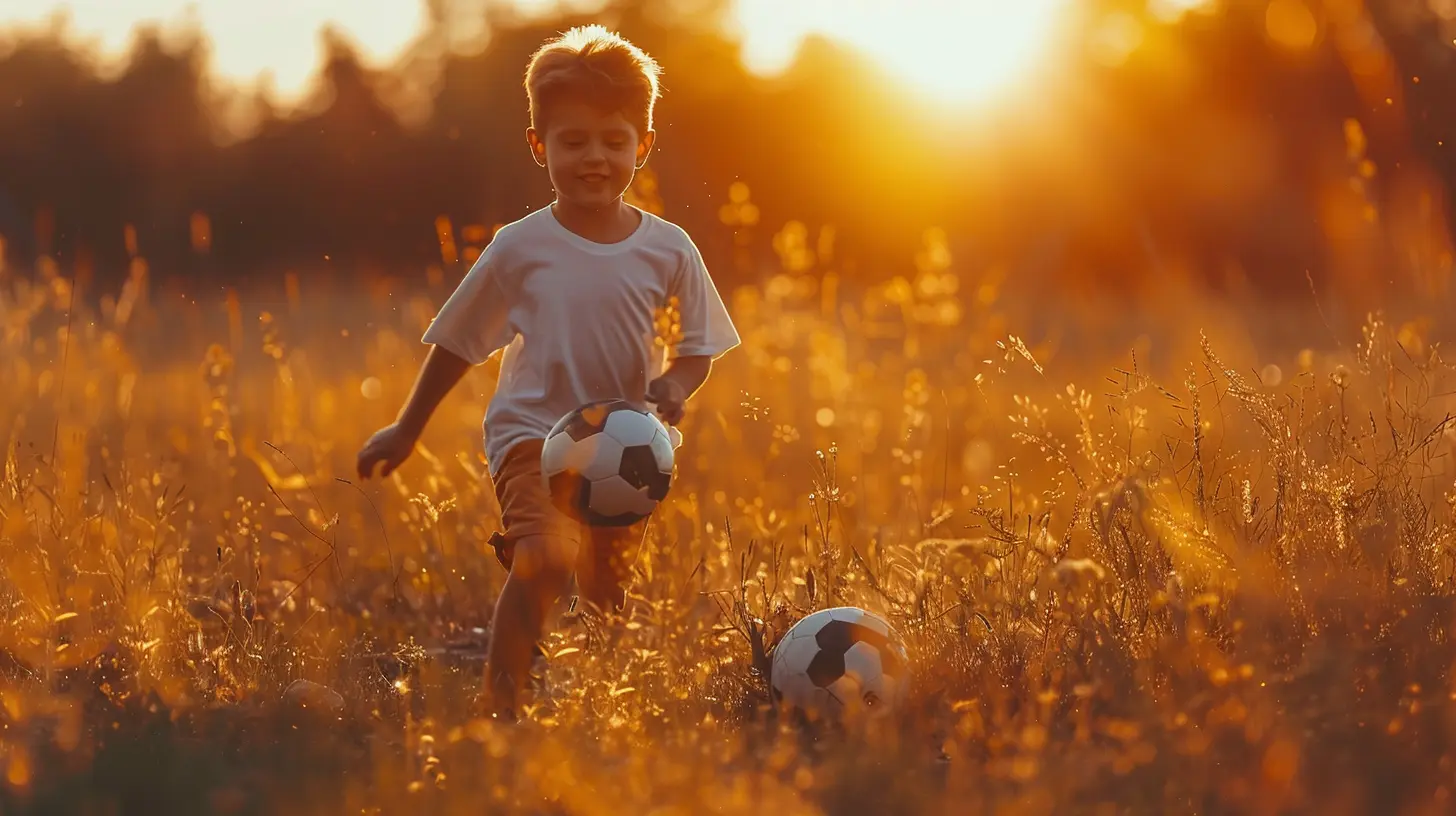
The Magic Behind a Kid’s Mindset
Kids aren't born knowing how to set goals. Actually, most of them don’t grasp long-term thinking until they’re a bit older. But that’s okay.Let’s break it down. Young children thrive on immediate rewards. "Score a goal, get a high five!" But they can also be gently guided to see the value in chasing something a bit further down the line.
You see, their minds are like soft clay. Shapeable. Malleable. With the right encouragement, their view of success can shift from just “winning the game” to “improving my dribbling in the next two weeks.”
That’s powerful stuff.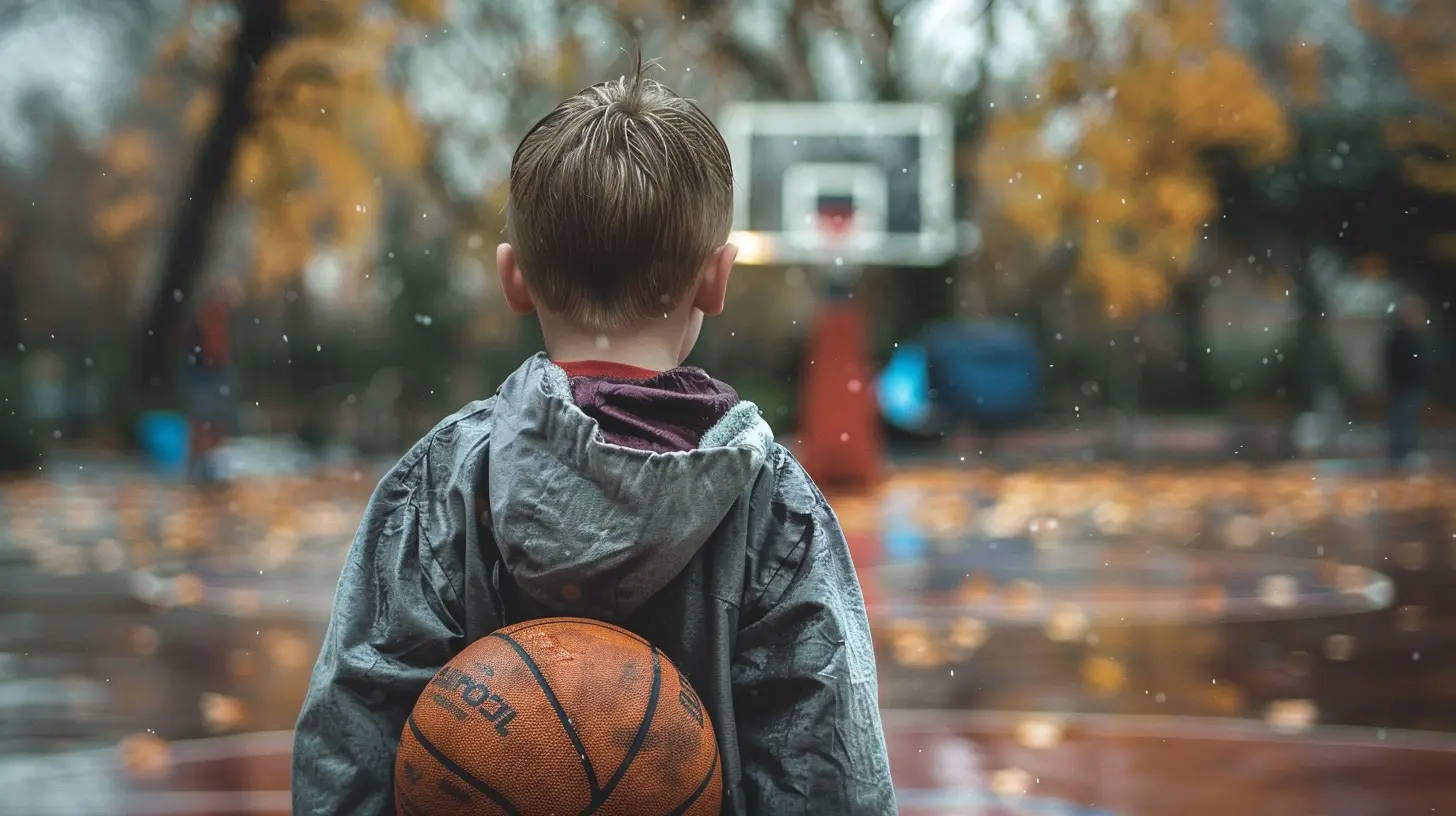
Start Simple: Introduce the Concept of Goals
Before you rush in and hand them a five-page action plan, let’s start small.Sit down with your child and talk. Ask questions like:
- “What do you love most about this sport?”
- “Is there something you’d like to get better at?”
- “Wouldn’t it be cool if you could shoot with your left foot too?”
Keep it light. Keep it fun. You’re planting a seed, not writing an instruction manual for success.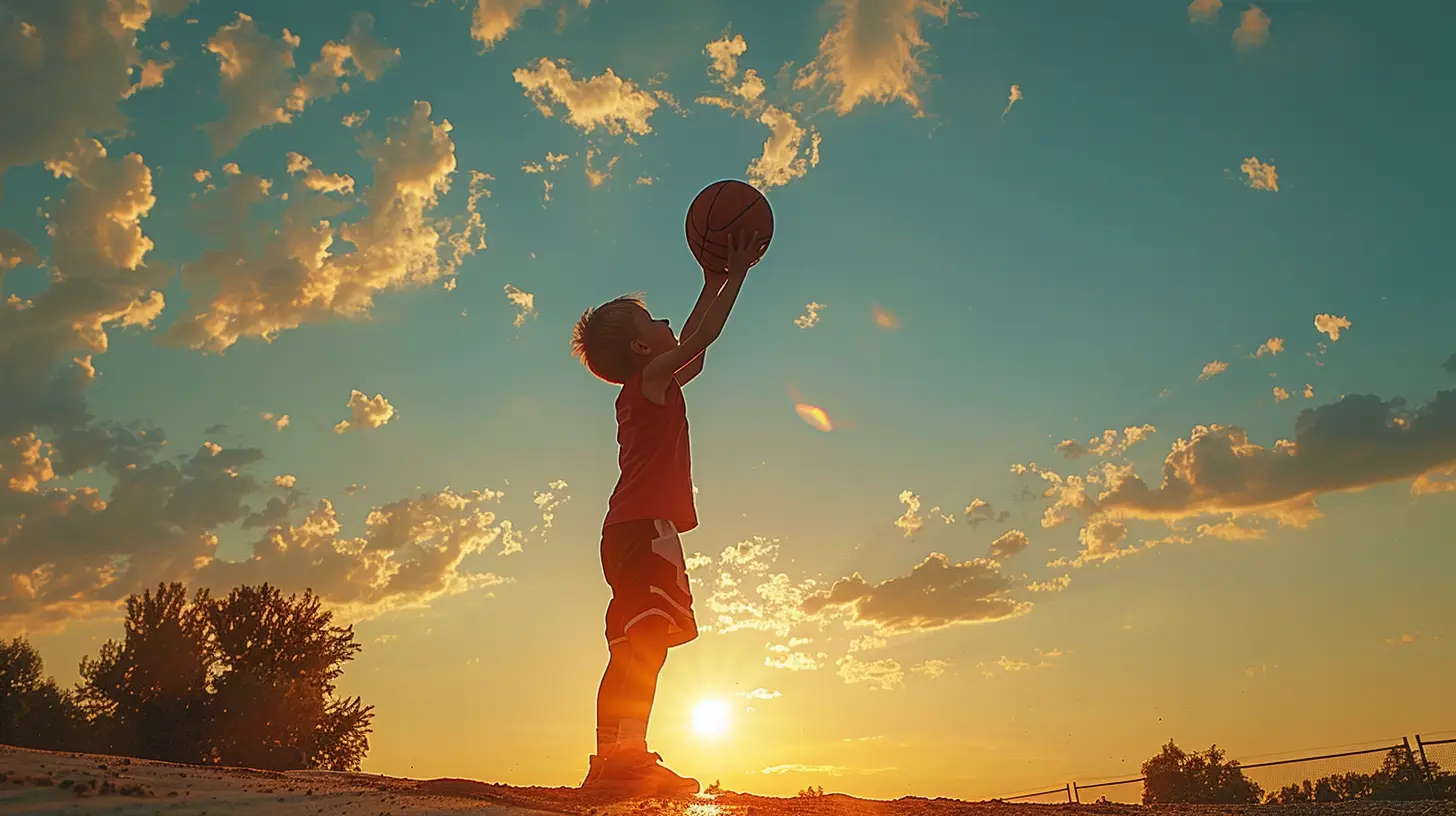
SMART Goals, But Make it Kid-Friendly
You’ve probably heard of SMART goals by now—Specific, Measurable, Achievable, Relevant, and Time-bound. But kids don’t need all the jargon.Let’s simplify it. Here’s how to make SMART goals digestible for young athletes:
- Specific: “I want to learn how to dribble without looking at the ball.”
- Measurable: “I want to do 10 successful passes in a row during practice.”
- Achievable: “I’ll practice for 10 minutes after school every day.”
- Relevant: “Dribbling better will help me score more.”
- Time-bound: “I want to do this by the end of the month.”
Make it a game. Create a colorful goal chart on the fridge. Add stickers. Celebrate small wins.
Break Down the Mountain into Pebbles
One of the biggest reasons kids give up is that the mountain looks too high.Let’s say your child dreams of making the school basketball team. That’s a great long-term goal. But telling a 10-year-old to “make the team” without giving them manageable steps? That’s like throwing them into a pool and saying “swim” without lessons.
Break it down. Here’s an example:
1. Learn basic shooting form.
2. Practice free throws daily for 10 minutes.
3. Increase stamina by jogging three times a week.
4. Attend school try-outs with confidence.
Each step feels doable. Each completed step builds momentum.
Turn Setbacks into Set-Ups
Let’s be real: they’re going to fail sometimes. They’ll miss the shot. Lose the game. Trip over their shoelaces at the worst possible moment.And that’s okay.
Actually, it’s better than okay.
This is your golden opportunity to teach them resilience. Instead of “you didn’t score,” the conversation becomes, “what can we try differently next time?”
Failures aren’t roadblocks—they’re feedback. And kids who embrace this mindset? They become unstoppable.
Role of Parents: Be the Coach Behind the Coach
You’re not just a cheerleader. You’re a guide, a sounding board, and sometimes, a reality check.Your job isn’t to set the goals for them—it’s to help them set their own. And to keep supporting without doing it all for them.
Encourage them to track their own progress. Ask questions. Celebrate efforts, not just outcomes. Show them that growth matters more than perfection.
And remember, your tone sets the tone. Keep it positive, even when progress is slow.
Praise the Process, Not Just the Prize
It’s tempting to only celebrate the win—the goal scored, the match won.But here’s the twist most parents miss: Praising the effort, not just the result, creates long-term motivation.
Say things like:
- “I saw how hard you were hustling out there!”
- “You’ve been practicing that move all week—it really paid off!”
- “You didn’t give up even when it got tough. That’s amazing.”
It’s the grind that builds greatness, not just the glory.
Make It a Family Affair
You know what motivates kids almost more than trophies? Doing things with their family.Go for a jog together. Practice penalty kicks in the backyard. Create a fun fitness challenge for the whole house.
When your child sees that health, movement, and goal-setting are part of your family culture, it becomes second nature to them.
Plus, you’re making memories. That’s worth more than gold medals any day.
Celebrate Little Wins Like They’re Big Deals
You don’t have to throw a party every time they hit a milestone—but hey, throwing a party doesn’t hurt either.Mark achievements creatively:
- Custom certificates for "Goal Crusher of the Month"
- A special dinner when a big goal is reached
- Sharing a proud moment on social media (if your child’s cool with it)
It’s not about bragging—it’s about building confidence.
Because when a child feels seen for their effort? That’s rocket fuel for future success.
The Long Game: Teaching Self-Motivation
The ultimate goal? You want your child to eventually set goals without needing you to nudge them.It won’t happen overnight. But little by little, they’ll start to internalize this way of thinking.
They’ll begin to:
- Track their own progress
- Set mini-goals before practices or games
- Reflect on what’s working (and what’s not)
And suddenly, you’re not just raising a great athlete—you’re raising someone who knows how to dream, chase, fall, rise, and repeat.
Common Pitfalls to Avoid
Alright, parenting isn’t a perfect science. Here are a few traps to steer clear of:1. Setting YOUR goals for them
Let’s be honest—sometimes we relive our own dreams through our kids. But their goals need to belong to them. Ask, don’t assume.2. Only focusing on winning
Sure, everyone loves a victory. But focusing only on outcomes can lead to anxiety, burnout, and fear of failure. Focus on effort, progress, and the why behind it all.3. Comparing them to others
Comparison is the thief of joy, especially in youth sports. Every child’s journey is different. Highlight their unique path.Final Thought: A Goal-Setting Legacy
Teaching your child to set goals in sports might seem like a small thing. But really, it’s massive.Because what you’re actually teaching is how to chase something meaningful. How to stay committed. How to grind. How to rise after falling.
And if they can do that on a basketball court or soccer field, they can do that in life.
So start today. Ask the questions. Cheer the effort. Celebrate the journey.
Because the bigger goal? It’s not about the scoreboard. It’s about building someone who can stand tall no matter what.
all images in this post were generated using AI tools
Category:
Kids And SportsAuthor:

Steven McLain
Discussion
rate this article
2 comments
Carter Clark
Goal setting is essential for kids in sports. It fosters discipline, boosts motivation, and builds resilience. Encourage them to dream big and take actionable steps to achieve their ambitions.
July 12, 2026 at 5:06 AM
Steven McLain
I completely agree. Setting goals helps kids develop important life skills while pursuing their passions in sports. It's all about nurturing their dreams and guiding them to take those steps forward.
Astrid McFarlane
Goal-setting in sports? Please, it's just a fancy way to teach kids how to lose gracefully... or not.
May 20, 2026 at 2:37 PM
Steven McLain
I understand your point, but goal-setting can teach kids resilience and focus. It's about growth, not just winning or losing.