Supporting Social Skills Through Group Play Activities
10 August 2026
When parents watch their child struggle to join a game at the park or freeze up at a birthday party, the instinct is often to step in and fix it. But social skills are not something you can hand to a child like a snack. They are built through repeated, messy, and often imperfect practice. Group play is the most natural classroom for this kind of learning, and understanding how to use it well makes all the difference between a child who copes and a child who thrives.
Why Group Play Matters More Than Structured Lessons
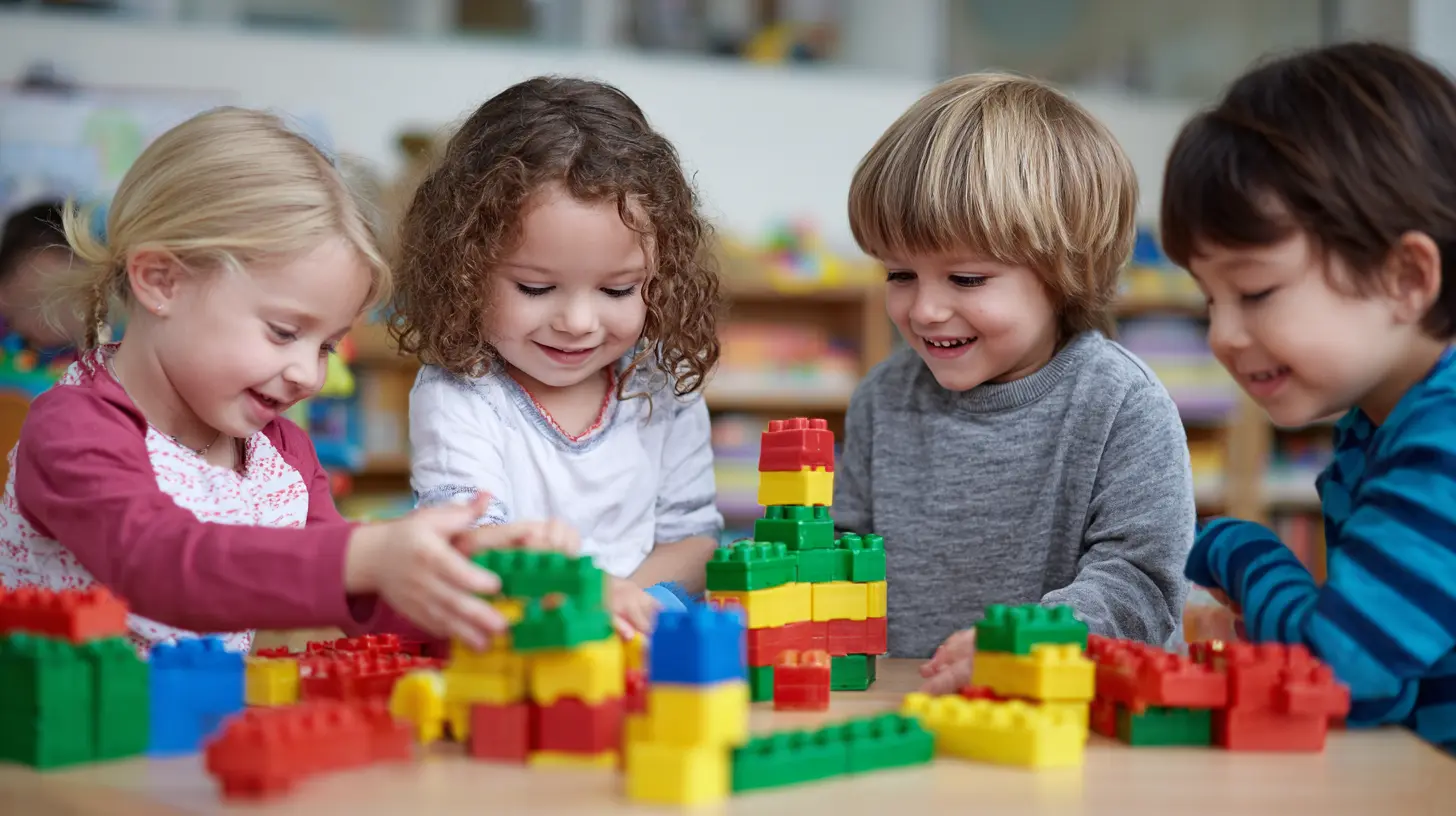
Social skills are fundamentally about reading other people and responding in real time. A worksheet about sharing or a lecture about taking turns cannot replicate the chaos of four children fighting over the only red crayon. Group play forces children to negotiate, predict, compromise, and recover from mistakes. These are not abstract concepts; they are physical and emotional experiences.Consider the difference between a child who has been told to say "please" and a child who has actually experienced the consequence of not saying it. The first child recites a word. The second child learns that a grumpy playmate is less likely to hand over the toy truck. That small sting of rejection teaches more than any reminder from an adult. Group play provides those stings in a safe, low-stakes environment where the worst outcome is a brief argument, not a lost job or a broken friendship.
Another reason group play outperforms direct instruction is the element of peer modeling. Children watch each other constantly. When one child successfully asks to join a game by offering a useful role, like "I can be the dog," other children absorb that strategy. They do not need it explained. They see it work, and they try it themselves. This observational learning is faster and stickier than adult explanation because it comes from someone the child views as an equal.
The Hidden Structure of Free Play
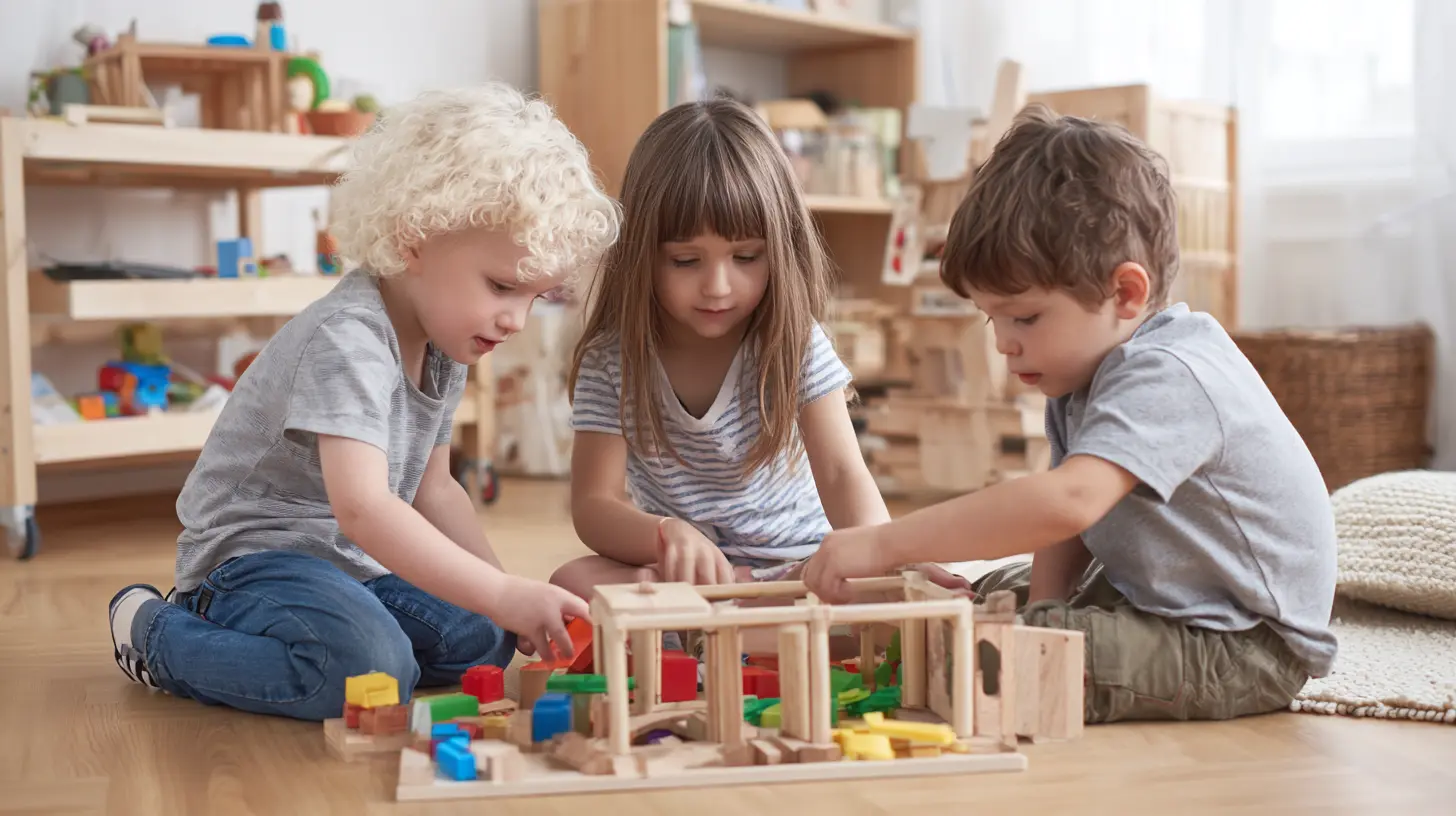
Many parents assume that "group play" means letting children run wild together and hoping for the best. That is a missed opportunity. The most effective group play has a loose structure that supports interaction without dictating every move. Think of it like a trellis for a climbing plant. The trellis does not grow the plant, but it gives it something to grip so it can reach upward.For younger children, ages three to five, the trellis might be a defined space with a clear activity. A blanket on the floor with building blocks invites parallel play that gradually becomes cooperative. The adult's role is to set the stage and then step back. If a conflict arises over a block, resist the urge to solve it. Instead, ask a question: "What could you two do so both of you can build?" This shifts the problem-solving burden to the children while keeping them safe.
For older children, ages six to nine, the structure can be more complex. Board games are excellent because they have built-in rules that require turn-taking, patience, and graceful losing. But the choice of game matters. A game with a heavy luck component, like Candy Land, is better for children who struggle with losing because they can blame the cards. A strategy game like chess is better for children who need to practice reading an opponent's intentions. The parent's job is to match the game to the child's current developmental edge, not to their age.
How to Choose the Right Group Size
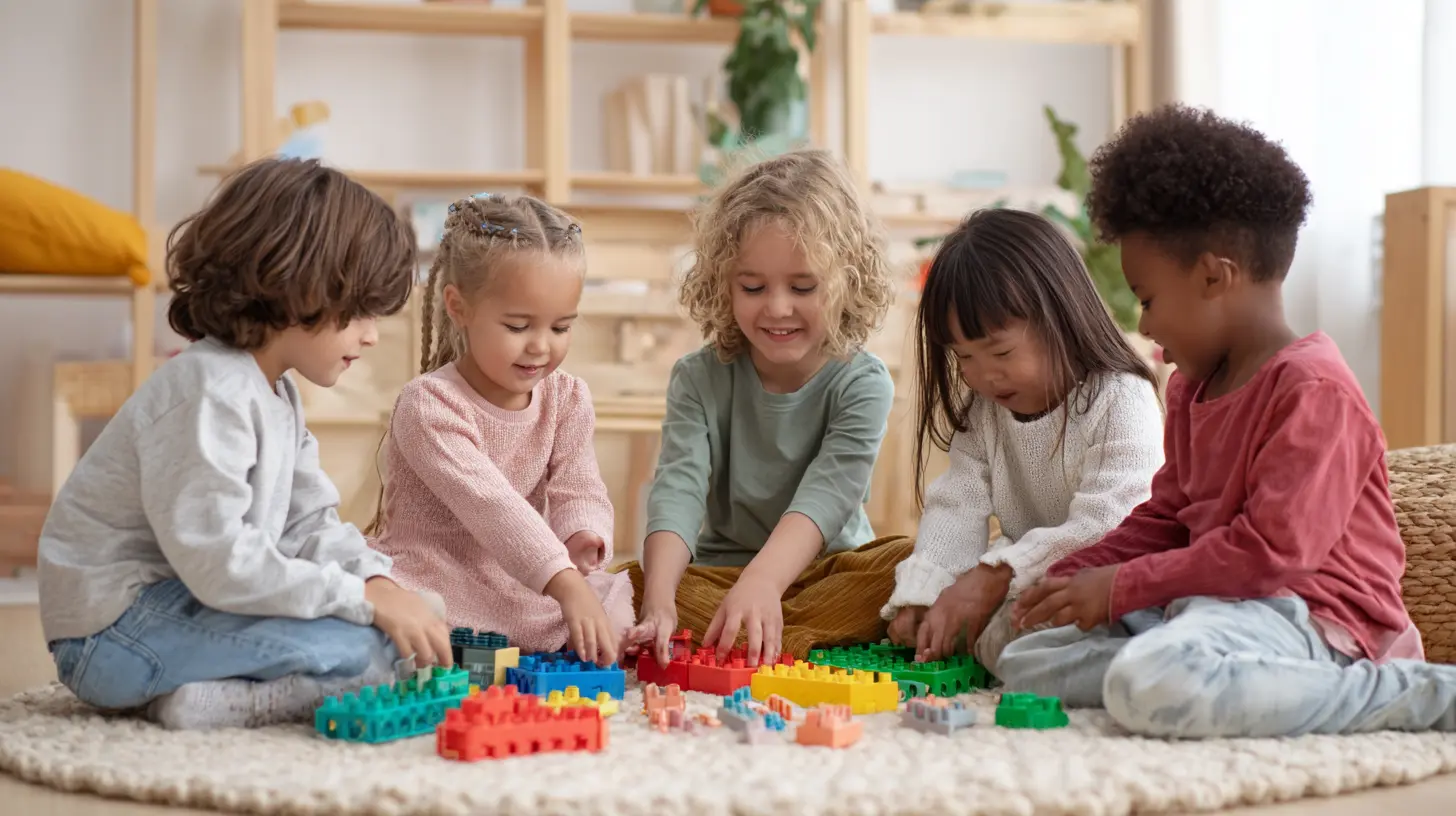
One of the most common mistakes parents make is assuming that more children equals better social practice. That is false. The ideal group size depends on the child's age and skill level. A toddler who is just learning to share does best with one other child. Two is a manageable number for learning the basics of give and take. Add a third toddler, and the dynamic shifts into coalition-building and exclusion, which is too advanced for most two-year-olds.For preschoolers, groups of three to four work well. This size allows for complex play like pretending to be a family or a rescue team, but it is still small enough that an adult can monitor without hovering. Once you hit five or six children, the play often splits into smaller subgroups anyway, so the adult's role becomes more about managing the overall environment than facilitating specific interactions.
School-age children can handle larger groups, but the quality of interaction drops as the group grows. A group of eight children playing tag is mostly about physical activity, not social nuance. A group of four children building a fort requires constant negotiation about roles, materials, and space. If your goal is to build social skills, prioritize smaller groups with a shared goal over larger groups with loose supervision.
The Role of the Adult: Observer, Not Director
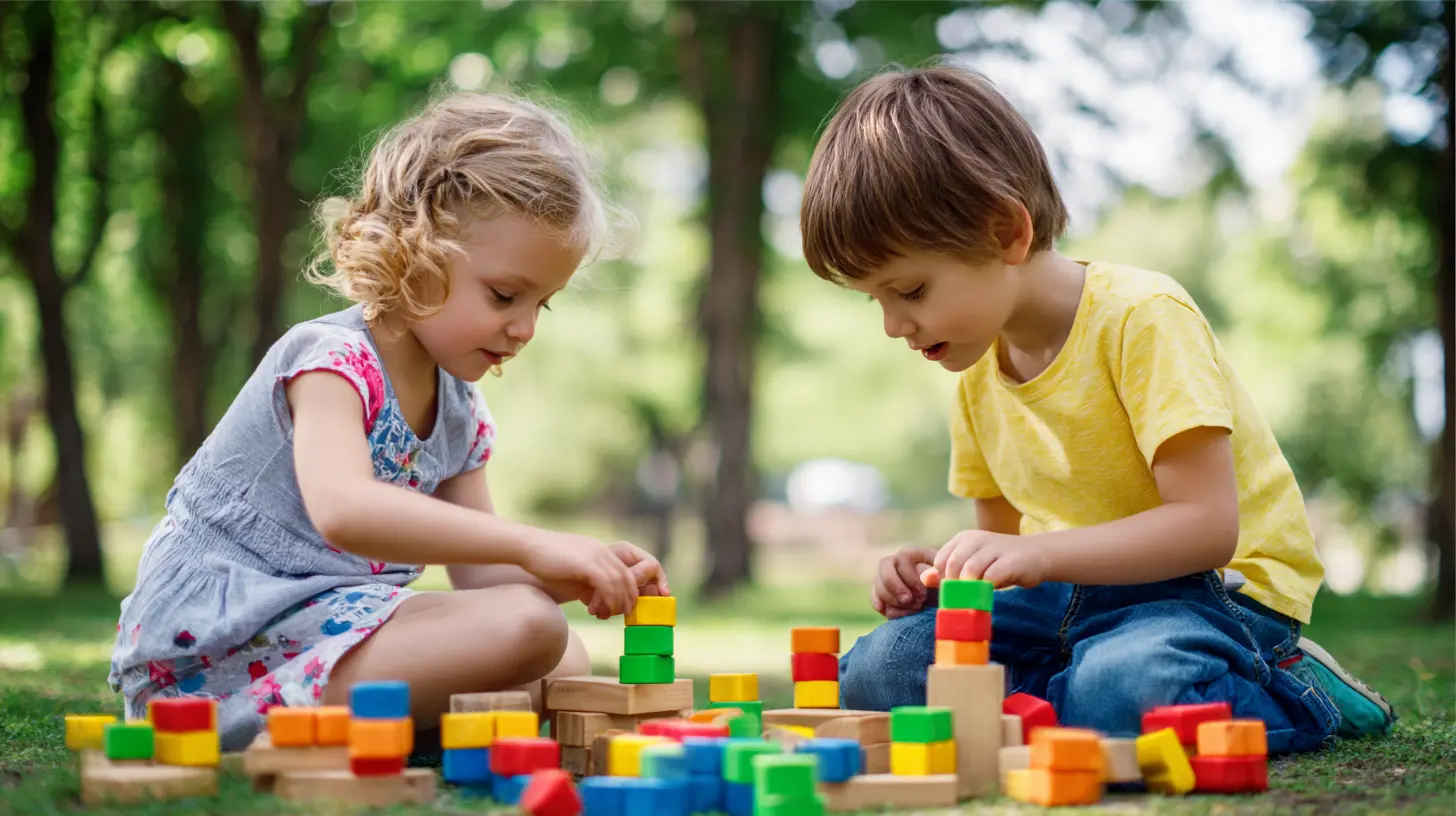
There is a fine line between supporting and smothering. The most effective adults in group play are those who observe closely but intervene rarely. They are like referees in a sports game. They are present to keep things safe and fair, but they do not play the game themselves.When you do intervene, do it with a light touch. Instead of saying, "Let him have a turn now," try, "I noticed you have been pushing the car for a while. What do you think would happen if you gave it to Sam?" This phrasing does two things. It acknowledges the child's current experience, and it opens a space for the child to consider the other person's perspective. That is the core of empathy, and it cannot be forced.
There are times when you should step in more firmly. Physical aggression, name-calling, or deliberate exclusion are red lines. In those moments, stop the play, separate the children, and address the behavior directly. But even then, the goal is not punishment. It is restoration. Ask the child who hit, "What were you feeling when you did that?" Then ask, "What could you do differently next time?" This turns a negative moment into a learning opportunity without shaming the child.
Using Parallel Play as a Stepping Stone
Not every child is ready to jump into cooperative play. Some children, especially those who are shy or neurodivergent, need a slower ramp. Parallel play, where children play side by side with similar materials but without direct interaction, is a valid and valuable stage. It is not a failure. It is a warm-up.A child who is anxious about social contact can build confidence by simply being near other children. They are observing, absorbing, and preparing. If you push them too hard to interact, you risk reinforcing their anxiety. Instead, set up parallel play opportunities and let the child choose when to cross the bridge. Often, a child will start by imitating the child next to them, then offer a comment, then ask a question. Each step is progress, even if it looks slow from the outside.
You can encourage this by choosing activities that naturally support parallel play. Drawing at a shared table, building with separate sets of blocks, or doing puzzles side by side all allow for proximity without pressure. Over time, you can introduce materials that require sharing, like a single box of crayons, which creates a natural reason to interact.
The Importance of Losing and Winning Gracefully
Many parents focus on teaching their children to be good winners, but losing is the harder skill. A child who wins a game and gloats will quickly find themselves without playmates. A child who loses and throws a tantrum will also struggle. The sweet spot is teaching children that the game itself is the fun, not just the outcome.One effective technique is to model losing well yourself. When you play a game with your child and lose, say out loud, "Oh well, that was fun anyway. I liked how you planned that move." This gives the child a script for their own losses. Another technique is to play games where the outcome is less important than the process. Cooperative board games, where everyone works together against the game itself, are excellent for this. They remove the winner-loser dynamic entirely and focus on teamwork.
When your child does lose and reacts badly, do not punish the reaction. Instead, wait for the storm to pass, then talk about it. Ask, "What was the hardest part about losing?" This validates their feelings while opening a conversation about coping. Over time, children learn that losing is uncomfortable but survivable, and that the discomfort fades faster when they do not make a scene.
Common Mistakes Parents Make
The biggest mistake is over-scheduling. If every playdate is a structured activity with a start time and an end time, children never get the chance to practice unstructured negotiation. They need time to be bored together, to argue about what to play, and to figure it out. That boredom is the soil in which creativity and social problem-solving grow.Another mistake is rescuing too quickly. When a child is left out, the parent's heart breaks. But rushing in to force inclusion often backfires. The other children resent the interference, and the excluded child learns that they cannot handle social rejection on their own. A better approach is to help the child develop strategies for joining. Role-play at home: "What could you say to the group?" Practice phrases like, "Can I play?" or "What are you playing?" or "Can I be the brother?" These scripts give the child a tool to try, and even if it fails, the child has practiced courage.
A third mistake is comparing your child to others. Every child develops social skills at their own pace. A child who is slow to share at four may be a natural leader at seven. Comparing your child to a sibling or a friend's child only creates anxiety and pressure. Focus on your child's progress over time, not their rank in a group.
Designing Playdates That Actually Build Skills
A successful playdate is not just about putting children in a room. It is about designing an environment that encourages the specific skills you want to build. If your child struggles with sharing, set up an activity with a limited resource, like a single set of cookie cutters, and let them work it out. If your child struggles with initiating conversation, invite a child who is chatty and outgoing, and let them take the lead.The length of the playdate matters too. For younger children, ninety minutes is often the sweet spot. Anything longer leads to fatigue and meltdowns. For older children, two to three hours allows for a natural arc of play, from initial excitement to deep engagement to winding down. Always end on a positive note. If the playdate ends while everyone is still having fun, the children will be eager for the next one.
Snack time is an underrated social opportunity. Sitting around a table with a shared snack forces children to practice waiting, asking, and thanking. It is a low-pressure way to practice manners in a real context. Use snack time as a chance to talk about the playdate: "What was your favorite part?" "What was hard?" This reflection helps children process their social experiences and build self-awareness.
The Role of Outdoor Play
Outdoor group play has unique benefits that indoor play cannot replicate. The space is larger, the rules are less defined, and the physicality is greater. Children learn to read body language and non-verbal cues more easily outdoors because there is more room for movement and less reliance on words.Games like tag, hide-and-seek, and capture the flag require children to coordinate, plan, and anticipate. They also allow for natural breaks in interaction, which is helpful for children who find constant social contact draining. The outdoors also provides a natural hierarchy of risk. Climbing a tree or crossing a balance beam requires a child to assess their own abilities and make decisions. This self-assessment translates to social confidence because the child learns to trust their own judgment.
However, outdoor play is not automatically social. A child can run around alone for an hour without interacting. To build social skills, you need to set up games that require cooperation. Simple ideas include building a fort with found materials, creating an obstacle course, or playing a version of tag where the person who is "it" has to hold hands with the person they catch, forming a growing chain. These games force children to communicate and coordinate.
When to Seek Additional Help
Most children develop social skills through normal play, but some need extra support. If your child consistently avoids all group play, has no interest in other children, or is repeatedly rejected by peers, it may be worth talking to a professional. This is not a failure on your part. It is simply a sign that your child might benefit from a more structured approach, such as social skills groups led by a therapist.These groups are different from typical playdates because they are led by an adult who explicitly teaches and models social rules. They often use role-playing, video feedback, and direct instruction. For children with autism, ADHD, or social anxiety, these groups can be transformative. But they are not a substitute for real-world practice. The skills learned in a therapy group need to be generalized to home and school, which is where you come in.
Trust your instincts. If you feel that something is off, it is worth exploring. Early intervention is always better than waiting to see if the child "grows out of it." At the same time, do not panic if your child is a late bloomer. Many children are simply slower to warm up, and they catch up beautifully with patience and support.
The Long Game
Social skills are not a destination. They are a lifelong practice. The child who struggles to share at three is not doomed. The child who is bossy at seven is not destined to be unpopular. What matters is that the child is engaged in the process, that they are trying, failing, and trying again.Your role is not to make your child popular or perfect. Your role is to provide opportunities, to model kindness, and to be a safe place to land when things go wrong. Group play is the vehicle, but the journey is about building a human who can connect with others. That is a marathon, not a sprint, and every game of tag, every shared snack, and every small argument is a step along the way.
all images in this post were generated using AI tools
Category:
Play Based LearningAuthor:

Steven McLain
Discussion
rate this article
1 comments
Meagan McGinn
Great insights on fostering social skills! Thanks!
August 10, 2026 at 3:16 AM
Steven McLain
Thank you for the kind words! I'm glad you found the insights helpful.