Raising Kids With Curiosity: How Dads Can Foster a Love of Learning
22 April 2026
Let’s talk about something that hits close to home for a lot of us dads — raising curious, engaged, and lifelong learners. Sounds like a big job, right? But guess what? It doesn’t take a PhD or a classroom full of kids. It just takes a dad who’s willing to show up, ask questions, get messy, and have some fun along the way.
Curiosity is like magic. It’s the secret sauce behind learning, creativity, and innovation. And as fathers, we’re in an amazing position to spark that magic early on. In this guide, we’re diving deep into how dads (yeah, that’s you) can foster a love of learning in their kids — starting now.
Why Curiosity Matters More Than Ever
First off, let’s talk about why curiosity is such a big deal.Kids who are curious ask more questions, explore more ideas, and aren’t afraid to make mistakes. They’re better problem-solvers, more creative thinkers, and, let’s face it — more fun to hang out with. Curiosity fuels academic success, sure, but it also builds grit, confidence, and empathy. Basically, it lays the foundation for lifelong learning.
And here's the kicker: we live in a world that’s changing faster than ever. The jobs, challenges, and technologies of tomorrow? Most of them don’t exist yet. Raising curious kids means raising adaptable humans who can navigate change with open minds.
So yeah, curiosity isn’t just nice. It’s necessary.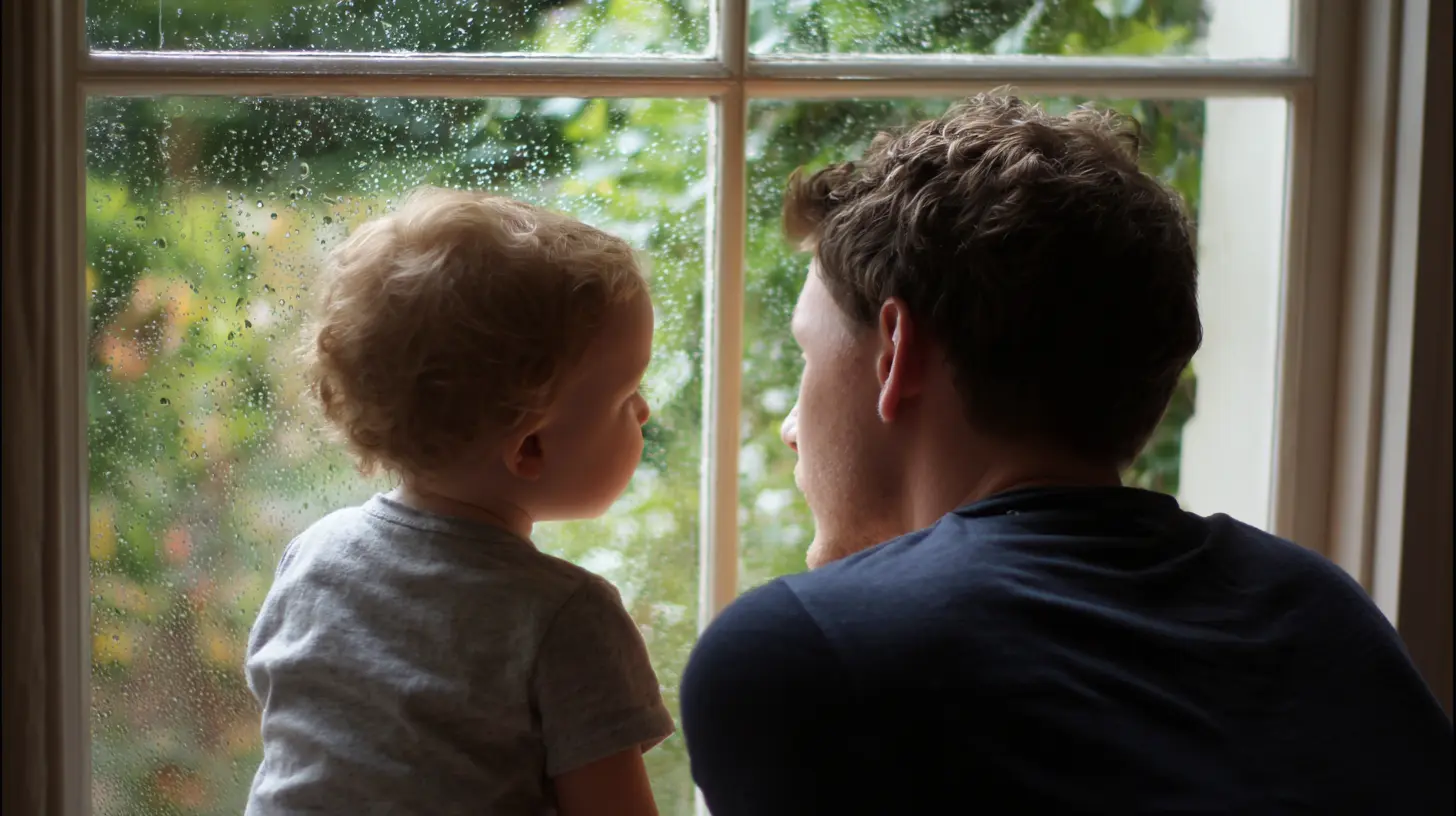
The Dad Factor: Why Your Role Is Crucial
Let’s clear one thing up — moms are rockstars. No doubt about that. But dads bring something unique to the table too.Involved dads have been shown to positively influence their children’s cognitive development, language skills, and emotional intelligence. When it comes to fostering curiosity, you don’t need to be perfect. What you do need? Presence, patience, and play.
As a dad, you’ve got the power to model enthusiasm for learning simply by being interested in stuff — dinosaurs, how engines work, why bees buzz, or even how sourdough bread rises. If you show excitement, they’ll pick up on that energy too.
The Curiosity Tool Kit: Practical Tips for Engaged Dads
Alright, let’s get into the good stuff — real-life strategies you can use to fire up your kid’s curiosity without needing fancy educational degrees or expensive toys.1. Get Comfortable Saying “I Don’t Know”
Here’s a shocker: You don’t need to know all the answers.In fact, admitting you don’t know something and then figuring it out together is powerful. It tells your kid that curiosity isn’t about already knowing — it’s about discovering.
Try saying:
> “That’s a great question. I’m not sure… let’s look it up together!”
Boom. You just modeled lifelong learning.
2. Ask More Questions Than You Answer
Want to get your child thinking? Flip the script.Instead of immediately answering their every “why,” lob questions right back at them. Not in a dismissive way — in a way that makes them think for themselves.
Examples:
- “Why do you think the moon looks bigger tonight?”
- “What do you think would happen if we put this in the freezer?”
- “How could we build a bridge strong enough for your toy car?”
Spoiler: it might take some self-control not to answer for them. But trust me, you’ll love what they come up with.
3. Embrace the Mess (Seriously)
Learning is hands-on. It’s sticky, messy, loud, and sometimes involves baking soda volcanoes that overflow all over your kitchen. Let it happen.Encourage experiments, strange crafts, mud kitchens, and LEGO disasters. The messier, the better. Creativity and curiosity thrive when kids are free to explore with their hands without worrying about “doing it right.”
Tip: Keep a curiosity bin at home filled with stuff like magnets, feathers, marbles, mirrors, string, and magnifying glasses. Watch their imaginations run wild.
4. Be the “Why Guy”
Remember being a kid and asking 3,000 questions a day? Yeah, kids still do that. The difference is whether we actually engage or brush them off.Instead of saying “I don’t know, ask your teacher,” go deeper with them. Ask why back. Then ask again.
They say every “why” leads to five more. And before you know it, you’re deep in a rabbit hole about black holes or ancient pyramids.
Be their guide, not their Google.
5. Show Passion For Your Own Interests
One of the easiest ways to inspire a love of learning? Show them what you love learning about!Are you into woodworking? Mechanics? History? Music? Bring your kid into your world. Let them see you tinker, research, and troubleshoot problems. Passion is contagious.
Even if they don't share the same interests, they’ll absorb that sense of wonder and curiosity just by watching you chase yours.
6. Read Together – Even When They’re Older
Reading is one of the best gateways into curiosity. And no — reading isn’t just for toddlers.Keep reading together as long as they’ll let you. Try fun trivia books, graphic novels, science adventures, or choose-your-own-ending stories.
Take reading breaks to ask:
- “What would you do in that situation?”
- “Why do you think the character did that?”
- “What do you think will happen next?”
It turns passive reading into active thinking.
7. Encourage Problem Solving (Not Just Getting It Right)
Learning isn’t about perfection. It’s about progress. So when your child faces a challenge, don't jump in with the answer.Instead, sit back and say:
> “Hmm… what have you tried so far?”
Mistakes are part of learning. Let them struggle a little. That’s how resilience grows alongside curiosity. Praise their effort and ideas — not just their outcomes.
Nurturing Different Kinds of Curiosity
Not all curiosity looks the same. Some kids are obsessed with nature. Others love building things, asking deep questions, or taking things apart to see how they work.Here’s how to nurture various curiosity types:
Nature-Lovers
- Go on scavenger hunts- Set up a bird feeder and track visitors
- Keep a nature journal
Builders & Breakers
- Offer open-ended materials like cardboard, tape, and old gadgets- Watch how-to videos together
- Enter DIY building contests (yes, they exist!)
Deep Thinkers
- Watch documentaries and pause often to talk- Visit museums, even virtually
- Play “what if” games like:
“What if animals could talk?”
“What if humans lived on Mars?”
Creative Dreamers
- Encourage storytelling- Let them design their own comic books or songs
- Provide art supplies and let them experiment freely
Celebrate their unique curiosity. Remember, curiosity doesn’t have to look academic to be meaningful.
Creating a Curiosity-First Home
Your home environment matters more than any classroom.Here are simple ways to make your space curiosity-friendly:
- Keep books within reach
- Leave out puzzles, maps, and globes
- Display their artwork and inventions proudly
- Have family trivia nights or science game nights
- Prioritize questions over answers
Basically, surround them with opportunities to wonder, explore, and ask “what if?”
Leading by Example: Curious Dads Raise Curious Kids
Here’s the honest truth: if you want to raise curious kids, be a curious dad.Let your kids see you learning, exploring, and yes — messing up. Try new recipes. Visit new places. Pick up a random hobby. Learn a new language or instrument.
Your child doesn’t need a perfect dad. They need one who’s curious about life, open to new experiences, and willing to let them tag along for the ride.
Curiosity is contagious. When your kids see that learning doesn’t stop after school, they’ll realize it’s something they get to do forever.
Final Thoughts: Your Role Matters More Than You Think
Fatherhood is full of moments — from bedtime stories to Saturday morning pancakes. But hidden in those simple routines is your chance to light a fire that will burn for a lifetime.You don’t need to be an expert to raise a curious kid. You just need to show up, share your wonder, ask good questions, and get a little messy.
So next time your kid asks, “Why is the sky blue?” — don’t rush past it. Grab a blanket, lie down with them, and wonder together.
That’s where the magic happens.
all images in this post were generated using AI tools
Category:
FatherhoodAuthor:

Steven McLain
Discussion
rate this article
2 comments
Patricia Good
Fostering curiosity in children starts with engaging conversations, hands-on activities, and encouraging questions. Dads can ignite a love of learning by being playful and present.
April 27, 2026 at 3:22 AM
Steven McLain
Absolutely! When dads take an active role through play and conversation, they create a rich environment for curiosity to thrive. It's all about connection and exploration.
Nathan Love
Great insights! Dads play a crucial role in nurturing curiosity and learning!
April 24, 2026 at 3:31 PM
Steven McLain
Thanks! Dads really do have a unique way of sparking curiosity in kids.