Protecting Your Young Athlete: Preventing Injuries and Encouraging Safety
1 June 2026
Let’s be honest—watching your child play sports is a special kind of joy. There’s pride, excitement, adrenaline, and sometimes… a little fear. Whether your kid’s dribbling across the basketball court, sprinting on the soccer field, or swinging a bat in the backyard, you just want them to be safe. But with all that running, twisting, jumping, and tackling, injuries can sneak in when you least expect them.
Protecting your young athlete isn’t just about wrapping them in bubble wrap (as tempting as that might sound). It’s about preparation, awareness, and teaching them to respect their bodies. Let’s dive into how you can champion both their dreams and their safety—without making it boring or overwhelming.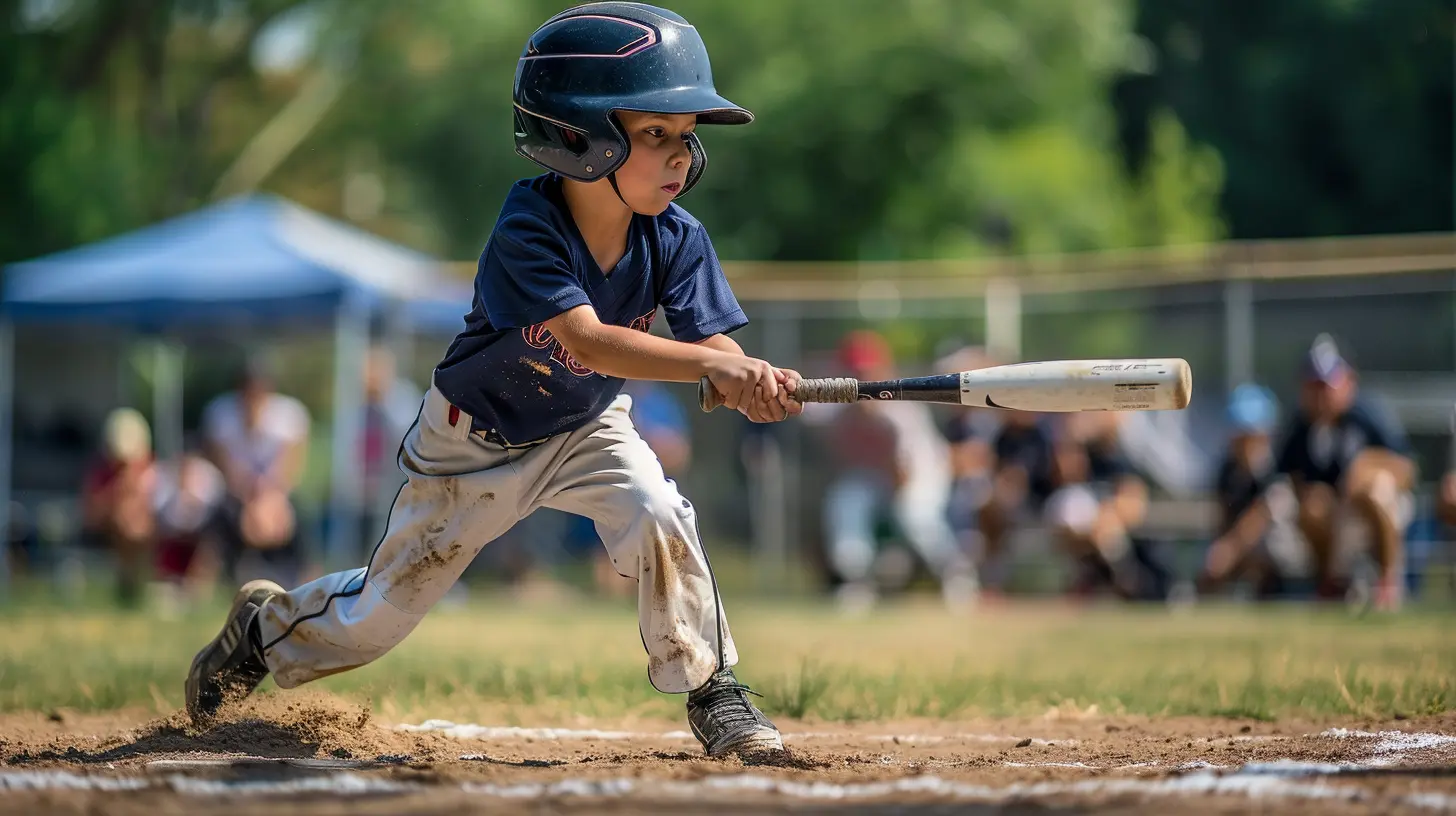
Why Injury Prevention in Youth Sports Matters
Seriously, injuries can derail your kid’s love for the game faster than a red card. Beyond physical pain, injuries can cause emotional stress, missed seasons, or even lifelong health complications if not handled with care. Young bodies are still growing, which makes them more prone to overuse injuries, fractures, and strains.And the stats? Not to scare you, but they’re real.
According to the CDC, over 2.6 million children (under age 19) are treated in emergency rooms each year for sports and recreation-related injuries. That’s not counting the ones who “walk it off” and never report the pain.
Common Sports Injuries in Kids and Teens
Here’s where things get a little uncomfortable—but stick with me.1. Sprains and Strains
Classic, right? These are your bread-and-butter sports injuries. A sprain affects ligaments (those stretchy bands that connect bones), while a strain involves muscles or tendons. Ankle sprains are the most common, but wrist and knee sprains are up there too—especially in sports like football, basketball, and gymnastics.2. Fractures
Yep, broken bones. Falls, collisions, and awkward landings can lead to fractures. Growth plate fractures pose an extra concern for kids since they can affect bone development.3. Overuse Injuries
Think of these like slow burns. These injuries creep in over time when a child repeats the same motion over and over—like pitching in baseball or serving in tennis. Examples include stress fractures, tendinitis, and shin splints.4. Concussions
Brain injuries are no joke. Even in non-contact sports, heading a soccer ball or taking a tumble can lead to a concussion. Symptoms aren’t always immediate, which makes them tricky to identify.
Signs Your Child Might Be Hurting
Listen—kids are tough. Sometimes, they won’t say anything even when they’re hurting. But their body language can say it all. Watch out for these red flags:- Limping or favoring one side of their body
- Avoiding movement or a particular sport altogether
- Complaining of “soreness” that doesn’t go away
- Moody behavior (pain can make anyone grumpy!)
- Trouble sleeping or eating
Trust your gut. If something feels off, it probably is.
Tips for Preventing Youth Sports Injuries
Good news: you don’t need a medical degree or a personal trainer to keep your little athlete in check. These simple but strategic moves can make a world of difference.1. Get a Pre-Season Physical
Think of it as a safety tune-up. A sports physical helps identify any underlying health issues that may put your child at risk. It’s quick and can flag concerns like heart conditions, asthma, or joint problems.2. Prioritize Proper Warm-Up and Cool Down
Skipping warm-ups is like driving your car in the winter without letting the engine heat up—things won’t run smoothly. Encourage your child to stretch, jog, or do dynamic movements to loosen up muscles before playing. Don’t forget to cool down afterward to help muscles recover.3. Invest in the Right Gear
No, you don’t need the fanciest brand. But you do need gear that fits well and is sport-appropriate. Think helmets, mouthguards, shin guards, and supportive shoes. Hand-me-downs are okay—just make sure they’re in good shape.4. Teach Good Technique and Form
Working with a knowledgeable coach is key. The right form reduces the load on joints and ligaments and keeps injuries at bay. If your child’s practicing solo, make sure they’re not just winging it.5. Encourage Rest and Recovery
Bodies need time to heal—it’s as simple as that. Overtraining can lead to burnout and injuries. The American Academy of Pediatrics recommends at least one day off per week from all sports. And don’t skip those Zzz’s; sleep is when the magic of healing happens.6. Don’t Play Through the Pain
Old-school thinking says “no pain, no gain.” But let’s get one thing straight: pain is your body’s alarm system. It’s there for a reason. Teach your child to speak up about aches and pains, rather than pushing through.7. Cross-Train Instead of Specializing Too Early
You might be dreaming of the next Serena Williams or LeBron James—but research shows that early specialization increases the risk of overuse injuries. Let your child try multiple sports. It builds different muscle groups and keeps things fun and fresh.Parent’s Role in Keeping Kids Safe
You wear a lot of hats: nurse, chauffeur, chef, and now—safety advocate. Here’s how you can do your part.Keep Communication Open
Make it easy for your child to come to you when they’re feeling off. Ask specific questions: “How’s your shoulder feeling after practice?” instead of the generic “How was your game?”Monitor Training Load
Pay attention to how often your kid is practicing and competing. If every evening and weekend is booked solid with practices, camps, and tournaments—it might be time to slow things down.Keep Hydration and Nutrition in Check
Hydrated muscles are happy muscles. Dehydration can lead to cramps and slower reaction times. Make water a habit, and fuel their bodies with real food—think lean protein, fruits, veggies, and whole grains.Speak Up When You See Red Flags
Whether it’s a coach pushing too hard or a dangerous playing field—your voice matters. Advocate for your child’s well-being without hesitation.The Coach’s Role in Injury Prevention
A good coach doesn’t just chase winning records—they protect their players. If you’re choosing a league or team, look for these signs of a responsible coach:- They emphasize proper form and technique
- They run structured warm-ups and cool-downs
- They respect rest and recovery
- They create a positive, pressure-free environment
- They’re certified in CPR and first aid
Mental Health Matters Too
Injuries can take a toll on the mind as much as the body. Kids may feel left out, frustrated, or even guilty when they’re sidelined. Remind your child that healing is part of being an athlete. Let them take time to rest—and help them find other ways to stay connected to the sport, like cheering from the sideline or helping teammates.What to Do If an Injury Happens
Okay, so the worst happens. What now?1. Stay calm. Your child will mirror your emotions. If you panic, they’ll panic.
2. Don’t delay treatment. Whether it’s the family doc, urgent care, or the ER—get it checked out.
3. Follow recovery instructions. Don’t rush them back into play before the green light. That’s how re-injuries happen.
4. Check in emotionally. Healing takes patience, and your child might struggle with not playing. Be their cheerleader.
Balancing Safety and Fun
Hey, we’re not trying to make you a helicopter parent. Sports are supposed to be fun. They teach teamwork, discipline, confidence, and how to handle wins and losses. Safety shouldn’t overshadow joy—it should enhance it.Think of it like buckling a seatbelt before a road trip. You do it because you want to enjoy the ride, not cut it short.
Final Thoughts
We all want the best for our kids. Watching them chase their sports dreams is a beautiful thing—but it's even better when we know they’re safe doing it. By staying informed, speaking up, and prioritizing injury prevention, you’re not just protecting their present—you’re safeguarding their future.So lace up those cleats, pack that water bottle, and give them a high-five. You’ve got this, and so do they.
all images in this post were generated using AI tools
Category:
Kids And SportsAuthor:

Steven McLain
Discussion
rate this article
2 comments
Jocelyn McLoughlin
What a great article! Keeping our young athletes safe is so important. With the right tips and encouragement, we can help them thrive and enjoy their sports!
August 13, 2026 at 4:44 PM
Steven McLain
Thank you! I'm glad you found it helpful. Keeping our young athletes safe is essential for their enjoyment and development.
Patrick Schultz
Great insights! Keeping our young athletes safe while they pursue their passion is so important. Let's prioritize injury prevention and foster a positive environment for healthy growth and development.
June 1, 2026 at 4:55 AM
Steven McLain
Thank you! Prioritizing safety and fostering a supportive environment are key to helping young athletes thrive.